
TL;DR
Asteroid Itokawa’s smooth patches result from dust settling, impact shattering, and seismic shaking in microgravity. Studying these features helps scientists understand asteroid evolution and surface dynamics, offering clues about the early solar system.
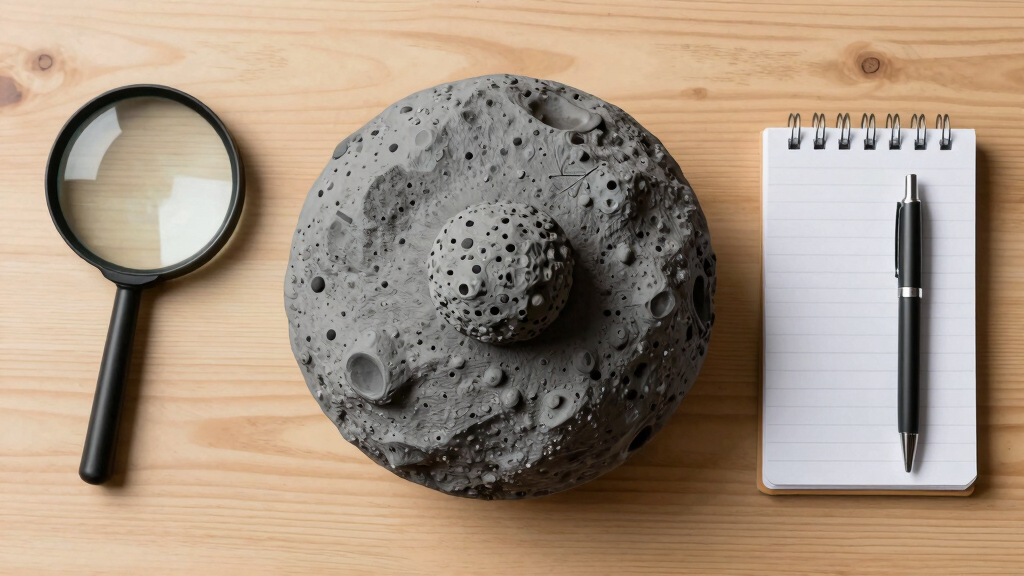
When you look at the detailed image of asteroid Itokawa, you might expect every surface to be jagged and strewn with boulders. Surprisingly, NASA’s latest image reveals large patches of the asteroid with an unusually smooth appearance. These patches challenge our expectations about how small bodies in space develop their surfaces.
Understanding what makes these sections so smooth isn’t just about pretty pictures. It unlocks secrets about how tiny celestial objects move, settle, and evolve over millions of years. Today, we’re breaking down what causes these smooth patches, why they matter, and how scientists are studying their secrets from afar.
Smooth patches on asteroid Itokawa form from dust settling and seismic shaking, not just impact cratering.
Impact and seismic activity in microgravity slowly reshape asteroid surfaces over millions of years.
High-resolution images and models reveal how loose material migrates, creating a layered view of asteroid history.
Studying these features helps plan safer landings and sample collection for future asteroid missions.
Understanding surface processes on small bodies illuminates the early history of our solar system.
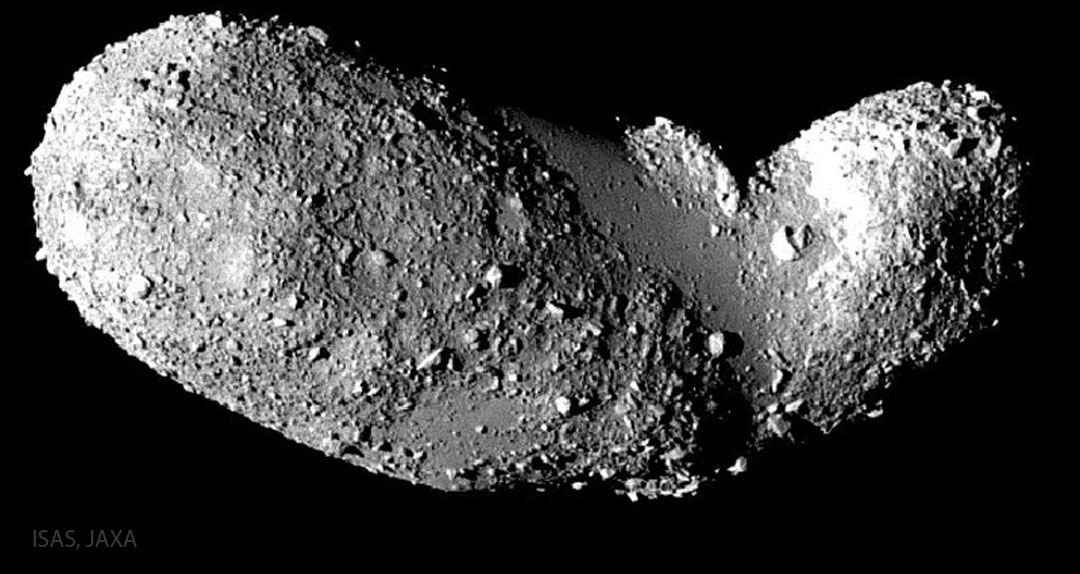
What makes parts of Itokawa so unexpectedly smooth?
In the low-gravity environment of asteroid Itokawa, surface processes work differently than on Earth. The smooth patches are likely formed by fine dust and small particles gradually settling into low spots, like sand filling a shallow bowl. Seismic shaking caused by impacts can also mobilize surface material, helping dust migrate into these smoother areas.
Imagine tiny tremors ripple through a beach ball’s surface, causing loose grains to shift into calmer zones. Similarly, impacts and internal shocks shake the asteroid, nudging dust and small rocks into low-lying regions. Over time, these processes create patches that look polished, almost like a riverbed smoothed by flowing water.
- Dust and fine particles settle in depressions, creating a layer that can insulate underlying materials and influence thermal properties, affecting how the asteroid interacts with solar radiation.
- Seismic activity moves material around, which can lead to the redistribution of surface composition, potentially exposing fresher material or burying older layers, thus offering clues about the asteroid’s recent history.
- Impact gardening breaks rocks into finer grains, but this process also produces a mix of fresh and weathered material, influencing the surface’s overall appearance and its response to environmental factors.

Celticbird Telescope for Adults High Powered, 80mm Aperture 600mm AZ Mount Refractor Telescope for Kids Beginners – Portable Telescopes for Adults Astronomy with Backpack, Phone Adapter, Moon Filter
- Optical Aperture: 80mm aperture for bright images
- Focal Length: 600mm focal length for clear viewing
- Portability: Includes backpack and travel accessories
As an affiliate, we earn on qualifying purchases.
As an affiliate, we earn on qualifying purchases.
How do scientists tell the difference between rough and smooth terrain?
High-resolution images from spacecraft like Hayabusa provide detailed maps of Itokawa’s surface. Smooth patches appear as low, dark regions with fewer large rocks, contrasting sharply with the rugged, boulder-strewn terrain.
Scientists analyze these images to measure the size and distribution of surface features. They use computer models to simulate how impact shocks and dust migration could produce such smooth areas over time. For example, the boundary between rugged and smooth zones often aligns with regions where seismic shaking is strongest.
These differences are significant because they help scientists reconstruct the asteroid’s impact history, revealing where it has experienced more frequent or intense collisions. This, in turn, informs us about the asteroid’s age, surface renewal processes, and the mechanical properties of its regolith. Recognizing these patterns can also guide future mission planning, identifying safer landing zones and scientifically interesting sites that tell us more about the asteroid’s past.

Metal Earth Premium Series Artemis Moon Rocket 3D Metal Model Kit Fascinations
- Hobby Model Kit: Unassembled with easy instructions
- No Glue or Solder: Parts clip from metal sheets
- Premium Artemis Moon Rocket: Challenging 3.50 sheet model, 115 pieces
As an affiliate, we earn on qualifying purchases.
As an affiliate, we earn on qualifying purchases.
Step-by-step: How do surface processes create smooth patches?
- Impact events shake the asteroid, generating seismic waves that propagate through its body, redistributing energy and surface materials.
- Seismic shaking causes loose material—dust, small rocks, and regolith—to migrate, often settling into the lowest points on the surface, which tend to be flatter and more protected from further impacts.
- Fine dust and small rocks fill depressions, gradually creating smooth surfaces that can resemble polished patches, especially when viewed from afar.
- Ongoing impacts and seismic activity continue to reshape these patches, either eroding them or causing new deposits to form, leading to a dynamic surface evolution.
This cycle of impact and seismic shaking acts like a natural polishing process, slowly transforming rough terrain into smoother patches over millions of years. The implications are profound: these processes influence surface stability, affect how heat is absorbed and reradiated, and determine the locations where future landers or sample collectors might operate most safely. Recognizing the timescale and conditions under which these patches form helps scientists better understand the lifecycle of small bodies and how their surfaces respond to environmental forces in microgravity.
Celticbird Telescope for Adults High Powered, 80mm Aperture 600mm AZ Mount Refractor Telescope for Kids Beginners – Portable Telescopes for Adults Astronomy with Backpack, Phone Adapter, Moon Filter
- Optical Aperture: 80mm aperture for bright images
- Focal Length: 600mm focal length for clear viewing
- Portability: Includes backpack and travel accessories
As an affiliate, we earn on qualifying purchases.
As an affiliate, we earn on qualifying purchases.
Why studying Itokawa’s smooth patches matters for space science
These smooth patches aren’t just surface features—they’re clues about the asteroid’s internal and external history. They reveal how surface material moves in tiny gravitational fields, helping scientists understand surface aging and regolith formation.
Plus, studying these regions informs future asteroid missions, especially those focused on resource extraction or planetary defense. Knowing where loose, fine material accumulates helps plan landing sites or impact mitigation strategies. These insights can improve the safety and efficacy of such missions, reducing risks associated with unpredictable terrain or loose debris.
It also sheds light on the early solar system because the samples collected from Itokawa show a mix of ancient dust and broken rocks, which tell us about the processes that shaped planetary bodies. Understanding how these patches form and evolve can help us interpret the history stored within these small worlds—offering a window into the past that is both tangible and scientifically valuable.

National Geographic Glow in the Dark Solar System Model for Kids Ages 8-12
- Build a glowing 3D solar system: Create a glowing, customizable solar system model
- Complete all-in-one kit: Includes paints, decals, poster, and tools
- Easy to assemble with kid-friendly instructions: Simple instructions for young builders
As an affiliate, we earn on qualifying purchases.
As an affiliate, we earn on qualifying purchases.
What can we learn from Itokawa’s smooth patches about future asteroid missions?
Recognizing how dust and loose material behave in microgravity helps scientists plan safer and more effective landings. Smooth patches can serve as natural landing zones or sample collection sites. For instance, the Hayabusa mission touched down on a smooth patch called the MUSES Sea, collecting valuable soil samples.
Future missions can target these areas to maximize scientific return and reduce risks. The more we understand surface dynamics, the better we can prepare for asteroid mining or planetary defense efforts.
In a way, these smooth patches act like natural test beds for developing new space technology and techniques, allowing engineers to refine landing and sampling methods in environments that mimic real mission conditions. Such knowledge is crucial as humanity advances toward more complex and autonomous space exploration, making these patches invaluable for testing new concepts and ensuring mission success.
Frequently Asked Questions
How do impacts create smooth patches on Itokawa?
Impacts generate seismic waves that shake the asteroid, mobilizing loose surface material. Over time, fine dust and small rocks settle into low-lying areas, forming smooth patches. This process is slow but steady, transforming rough terrain into polished surfaces.
What do smooth regions tell us about asteroid composition?
Smooth patches indicate areas where fine-grained regolith has accumulated, often with less large debris. Studying these zones reveals how material moves and settles, helping scientists understand the asteroid’s composition and surface aging process.
Can we use smooth patches as landing sites?
Yes. Smooth patches like the MUSES Sea on Itokawa are prime candidates for landing zones because they contain loose, fine material ideal for sampling. Understanding their formation helps mission planners select safer, more scientifically valuable sites.
Are similar features found on other asteroids?
Many small bodies show patches of smooth terrain, especially on rubble-pile asteroids like Ryugu and Bennu. These features result from comparable processes, demonstrating that dust migration and seismic shaking are common in microgravity environments.
Conclusion
Itokawa’s smooth patches are tiny windows into the asteroid’s restless surface life—showing us that even in the silent vacuum of space, dynamic processes are at work. They remind us that these small worlds are constantly evolving, shaped by impact shocks and gravity’s gentle tug.
Next time you gaze at a space image, remember: beneath the surface calm lies a story of movement, change, and ancient history. These patches are more than surface features—they’re clues to the past and guides for future explorers.