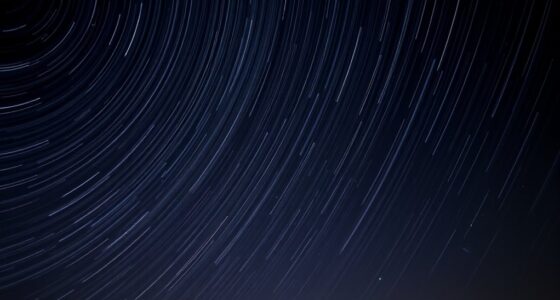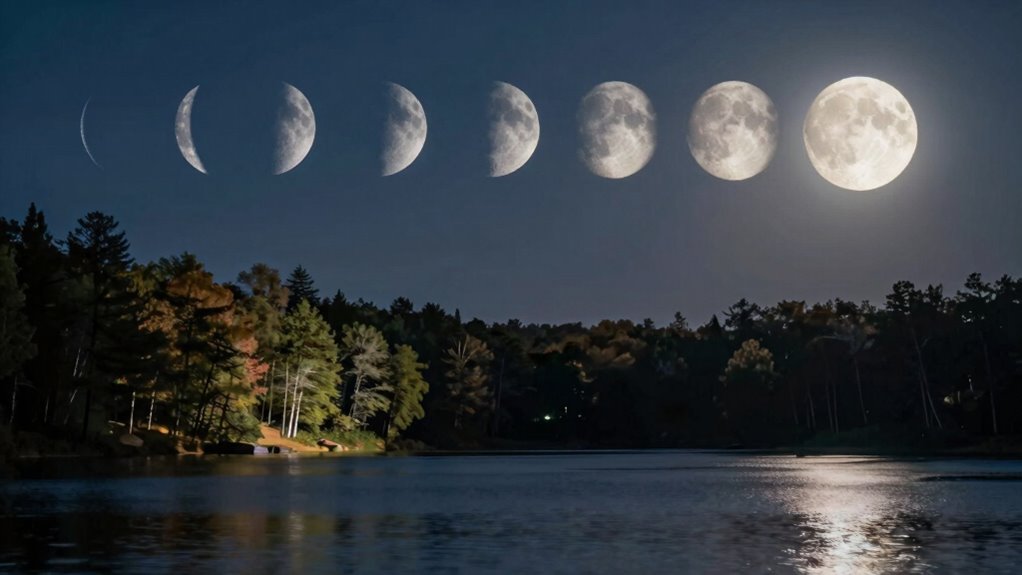
Your moonlight planning depends on the phase; during the new moon, you can focus on star trails and silhouettes in darkness. The full moon offers bright landscapes, perfect for capturing detail and reflections. Half or quarter moons are great for emphasizing surface textures with telephoto lenses. Waxing and waning crescents evoke hope or introspection, inspiring softer or moody shots. Knowing what each phase offers helps you create stunning night images—keep exploring to discover how each moon shape can transform your photos.
Key Takeaways
- Use new moon nights for star trails, silhouettes, and low-light landscape photography with long exposures.
- Capture detailed lunar surface features during the full moon with proper timing and stable conditions.
- Highlight textures, shadows, and reflections in scenes during waxing and waning crescent phases for mood.
- Incorporate cultural or mythological themes to add symbolic depth to moonrise or moonset shots.
- Plan for optimal weather and atmospheric conditions to ensure sharp, well-exposed moon photographs in each phase.

46mm Night Sky Light Pollution Reduction Filter for Camera Lenses with MRC16, Nanotec Coatings, Ultra-Slim, Traction Frame, Weather-Sealed by Breakthrough Photography
- Eliminates Light Pollution: Enhances starlight clarity and true colors
- Weather-Sealed Traction Frame: Protects against dust and moisture
- Durable Coatings: MRC16 and nanotec for easy cleaning
As an affiliate, we earn on qualifying purchases.
As an affiliate, we earn on qualifying purchases.
Getting to Know Moon Phases and How They Help Your Photography
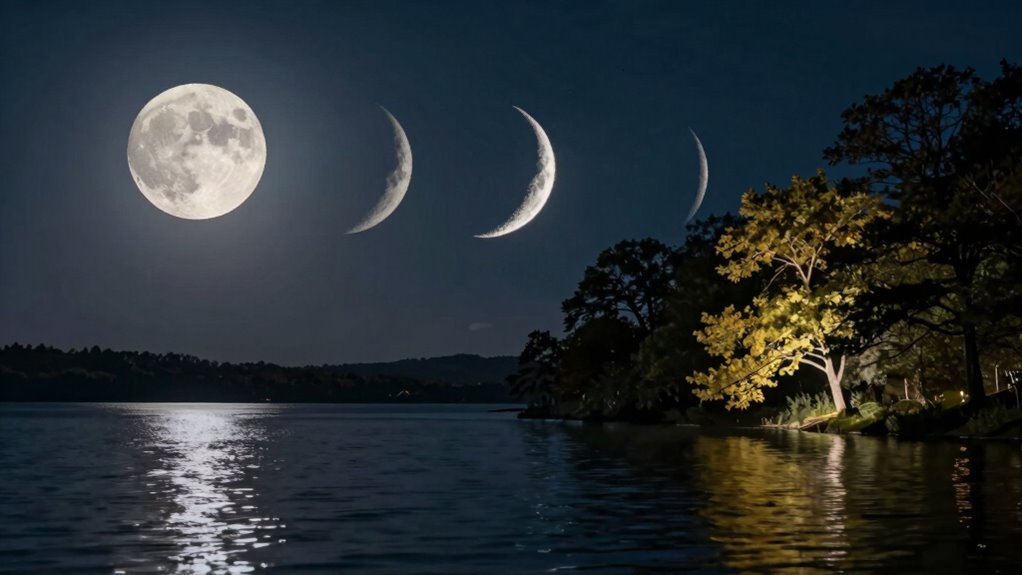
Understanding moon phases is essential for planning mesmerizing nighttime photography. When you grasp moon phase mythology, you begin to see how different cultures have attributed meaning to each phase, enhancing your appreciation for its symbolism. The lunar calendar significance highlights how moon cycles influence tides, wildlife, and human behavior—knowledge that can inspire your shots. Recognizing the different phases, from new moon to full moon, helps you anticipate the lighting and mood for each shoot. For example, a new moon offers darkness perfect for star photography, while a full moon provides bright illumination for landscapes. In addition, understanding the battery capacity of your gear ensures you can capture every moment without running out of power. By understanding these aspects, you’ll be better equipped to plan your shoots around specific moon phases, capturing unique and compelling images that resonate with the moon’s cultural significance. Additionally, the role of artistic expression in photography can deepen your connection to the subject matter and enhance your storytelling. Incorporating innovative portable restroom solutions at your events can elevate the overall experience, ensuring comfort and convenience for your guests. Moreover, caring for your own emotional well-being as a photographer can significantly enhance your creativity and focus during shoots.
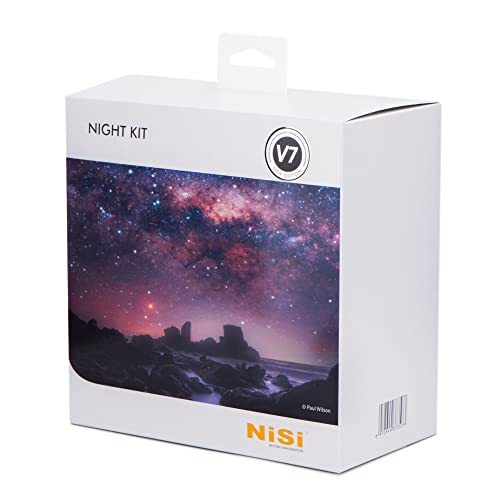
NiSi 100mm V7 Night Kit
- Filter Holder Compatibility: Supports 3 square filters
- True Color CPL: Eliminates warming cast
- Included Filters: Natural Night and Star Soft
As an affiliate, we earn on qualifying purchases.
As an affiliate, we earn on qualifying purchases.
Planning Your Night Shoots Around Moon Phases
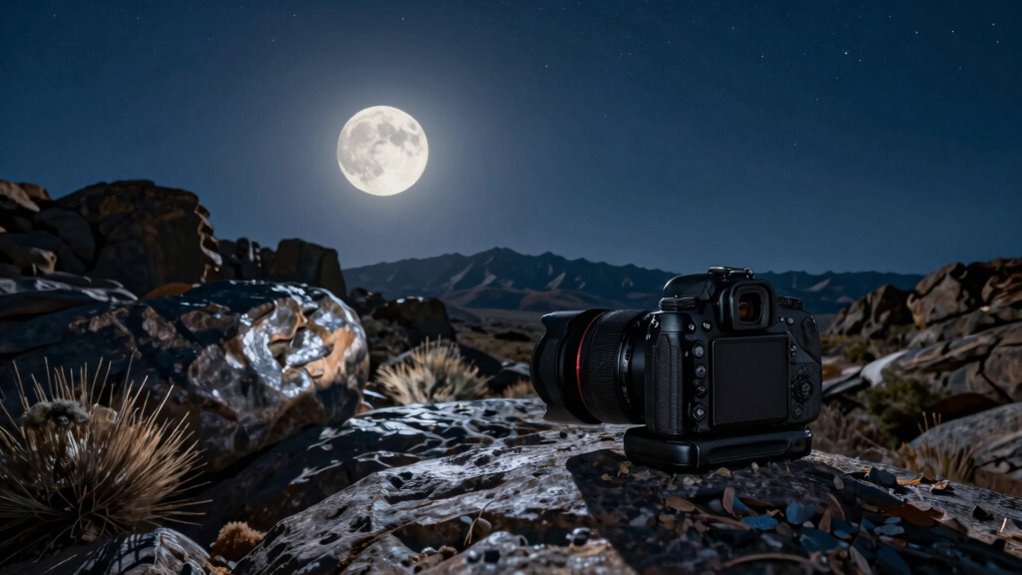
Planning Your Night Shoots Around Moon Phases
Planning your night shoots around moon phases requires you to be intentional about timing and lighting conditions. By understanding moon phase symbolism and lunar legends, you can align your photography with the stories and emotions each phase evokes. For example, the full moon symbolizes illumination and clarity, while the waning moon suggests reflection and release. Use this knowledge to choose the right nights for capturing mystical landscapes or intimate portraits. Additionally, consider incorporating herbal baths to enhance your relaxation and creativity before a shoot. The right engine upgrades can also empower your creative process by providing a reliable means of transportation to those remote shooting locations. Moreover, the calming effects of music therapy can further inspire your artistic mindset before heading out. Consider this emotional connection:
| Moon Phase | Symbolism & Legend | Best Shooting Moments |
|---|---|---|
| New Moon | Beginnings, mystery | Quiet, dark skies |
| Waxing Crescent | Growth, hope | Soft, subtle light |
| First Quarter | Courage, decision | Dramatic shadows |
| Full Moon | Power, lunar legends | Bright, vibrant scenes |
| Waning Crescent | Rest, introspection | Gentle, fading light |
Understanding the digital concepts behind moon phases can enhance your photographic experience. Additionally, utilizing landscaping techniques can create stunning visual elements in your night photography.

KOGJAERS Kaleidoscope Prism 77mm Camera Lens Effect Filters Fractal Photography for Photography Creation Repeating Subjects – Perfect Photographer Gift
- Creative Camera Filter: Enhances photos with kaleidoscope effects
- Unique Photography Experience: Creates artistic and immersive images
- Durable Optical Glass: Long-lasting, clear visual effects
As an affiliate, we earn on qualifying purchases.
As an affiliate, we earn on qualifying purchases.
Shooting During the New Moon: Tips and Ideas
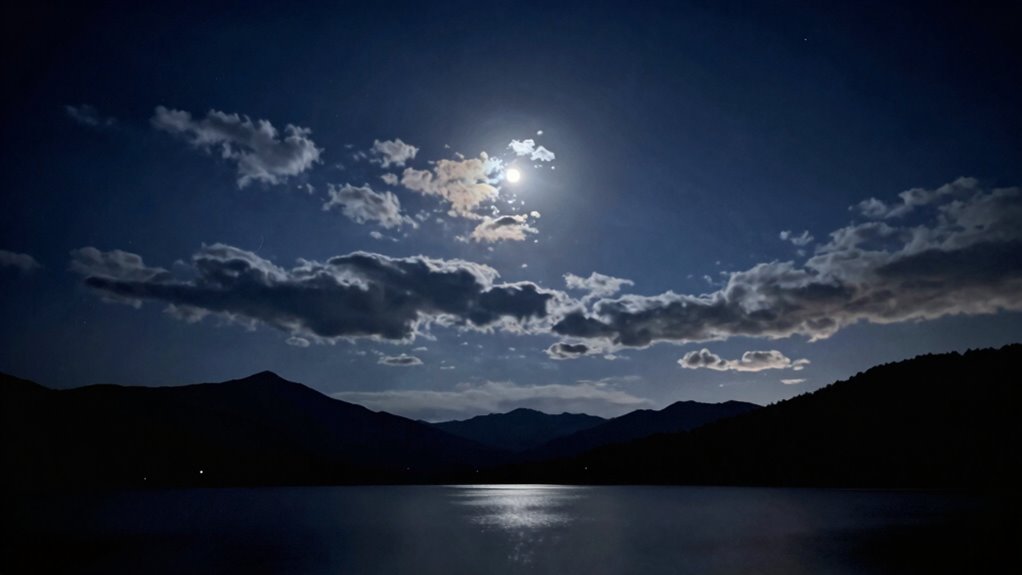
Shooting During the New Moon: Tips and Ideas
Shooting during the new moon gives you a chance to embrace darkness and get creative with your shots. Try long exposure techniques to capture more light or motion, and look for opportunities to create striking silhouettes and shadows. These tips can help you make the most of the minimal light available during this phase. Additionally, consider using flexible publishing tools to showcase your work and share your experiences with other photographers. Incorporating color accuracy in your post-processing can enhance the visual appeal of your images captured in low light. Engaging in positive reinforcement during your photography sessions can foster creativity and help you explore new techniques.
Embrace Darkness for Creativity
Darkness can be a powerful tool for creative expression, especially during a new moon when the sky offers minimal natural light. Embrace the darkness to capture unique scenes and find moonlit serenity in the shadows. Use the lack of ambient light as a canvas for your imagination, revealing hidden textures or mysterious silhouettes. Let the darkness spark your celestial inspiration and guide your ideas. Here’s a quick guide:
| Scene Type | Tips | Creative Focus |
|---|---|---|
| Night landscapes | Use minimal light, focus on outlines | Moonlit serenity |
| Urban night scenes | Play with shadows and reflections | Unique city textures |
| Still objects | Emphasize contrast and darkness | Mysterious ambiance |
Darkness unshackles new creative possibilities, making each shot an exploration of the unseen.
Use Long Exposure Techniques
Long exposure techniques are essential for capturing the subtle beauty and mystery of the night during a new moon. Without moonlight, your camera needs longer exposures to gather enough light, revealing the night’s quiet details. During this phase, you can emphasize moon phase symbolism by showcasing star trails or the dark silhouette of the landscape against the sky’s vast emptiness. The absence of moonlight also lets you explore lunar eclipse myths, capturing the shadowed moon or the faint glow of Earth’s atmosphere. Use a tripod and low ISO settings to prevent noise, and experiment with exposure times to highlight the subtle textures in the dark. Long exposures during a new moon help you craft images that evoke the quiet, contemplative energy of this lunar phase.
Capture Silhouettes and Shadows
With the absence of moonlight during a new moon, you have a unique chance to emphasize shapes and forms through silhouettes and shadows. Without the glow of moonlight reflections, shadows become more pronounced, creating striking shadow play against your background. Focus on strong, recognizable outlines—trees, architecture, or figures—that stand out sharply. Use natural or artificial light sources to enhance your silhouettes, and experiment with different angles to capture dynamic shadow patterns. Low ambient light levels allow your subjects’ shadows to stretch long and dramatic, adding depth. Keep your camera steady to avoid blurring, especially if you’re using long exposures. By emphasizing contrast and sharp edges, you can craft compelling silhouette images that tell a story even in the darkest conditions. Additionally, be mindful of indoor air quality, as pollutants can affect how light interacts with your subjects, potentially influencing your final image. Consider using advanced filtration systems in your indoor environment to minimize these effects and enhance your shooting experience.

Celestron Regal M2 100ED Spotting Scope with Zoom Eyepiece for Long-Range
- Premium ED Objective Lenses: Eliminates chromatic aberration for sharp images
- XLT Lens Coatings: Maximize light transmission for brighter views
- Versatile Viewing Angles: Rotating tripod mount for comfortable positioning
As an affiliate, we earn on qualifying purchases.
As an affiliate, we earn on qualifying purchases.
Capturing the Brightness of a Full Moon
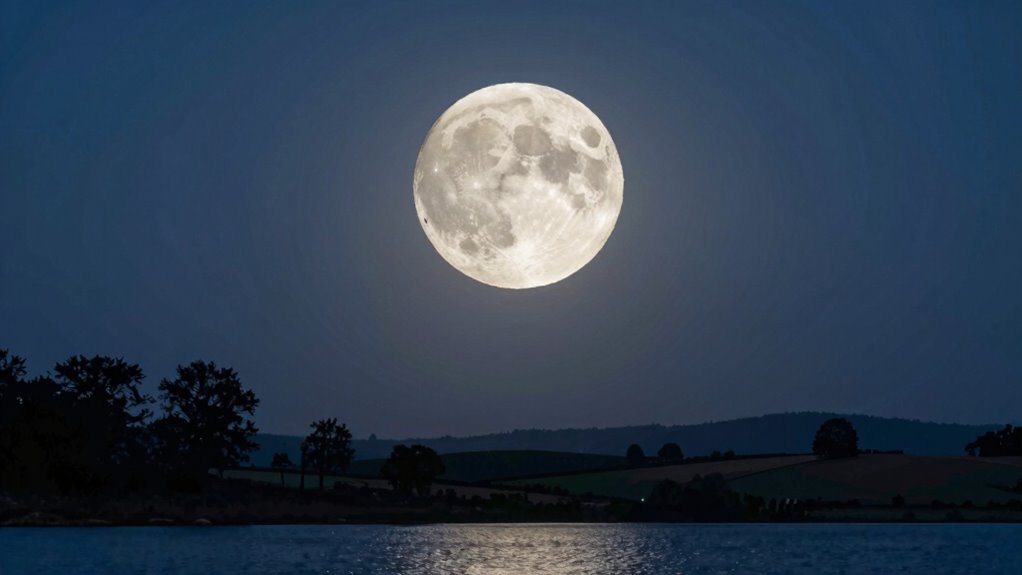
To capture the full moon’s brightness, you need to find clear, stable conditions with minimal atmospheric interference. Adjust your camera settings by lowering ISO, using a narrow aperture, and a longer exposure to prevent overexposure. Experiment with creative compositions by including foreground elements or framing the moon against interesting silhouettes to enhance your shot.
Optimal Shooting Conditions
Capturing the brightness of a full moon requires clear, stable atmospheric conditions. On nights with minimal clouds and gentle air movement, your photos will be sharp and well-exposed. Avoid nights with high humidity or haze, which can dull the moon’s glow. It’s common for moon phase myths to suggest certain nights are better, but clear skies are the real key. For lunar eclipse photography, timing is critical, but stable conditions still matter to prevent blurriness. Choose nights when the air feels still, and the sky is free of pollution or light interference. When conditions align, you’ll be able to capture the moon’s vibrant brightness, revealing details that often go unnoticed. Good weather makes all the difference for stunning moon photography.
Camera Settings Tips
Achieving the right exposure for a full moon requires adjusting your camera settings to handle its brightness without overexposing the details. Since the full moon is often seen as a symbol of completion and clarity in moon phase symbolism, capturing it accurately emphasizes its mythological significance. Use a low ISO (100-200) to prevent noise and keep the image sharp. Set your aperture around f/8 to f/11 for balanced depth of field. A fast shutter speed, approximately 1/125 to 1/250 seconds, helps avoid overexposure of the moon’s surface. Remember, lunar mythology often associates the full moon with illumination and transformation, so your settings should highlight these qualities. Use manual mode to fine-tune exposure, ensuring the moon’s surface details are crisp and luminous.
Creative Composition Ideas
When photographing the bright full moon, you can enhance your composition by including interesting foreground elements that contrast with its luminous surface. Think about incorporating trees, silhouettes, or architecture to create depth and visual interest. The full moon often symbolizes renewal, power, or mystery—concepts rooted in moon symbolism and lunar mythology—adding layers of meaning to your shot. Use these themes to guide your framing, perhaps capturing the moon rising behind a sacred site or mythological figure. Experiment with reflections in water or shadows cast by moonlight to deepen the scene’s storytelling. By blending these elements, you’ll craft compelling images that not only showcase the moon’s brightness but also evoke its cultural and mythological significance.
How to Photograph Half and Quarter Moons
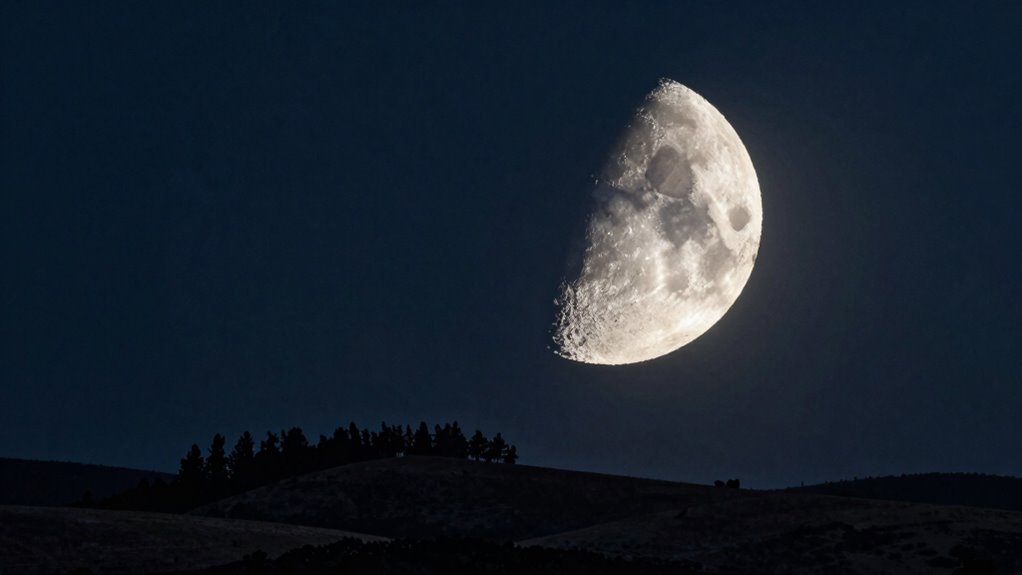
Photographing half and quarter moons requires understanding their unique shapes and how they change throughout the lunar cycle. These phases, often linked to moon phase symbolism and lunar mythology, symbolize balance, changeover, and renewal. To capture their distinctive appearance, use a telephoto lens to emphasize the moon’s features and achieve sharp detail. Pay attention to the angle of sunlight, as shadows highlight the craters and surface texture. Timing is vital—shoot during early evening or pre-dawn hours when the sky is dark enough for contrast yet the moon is bright. Additionally, consider the essential safety tips for using equipment like tripods or stabilizers during your shoots. Experiment with exposure settings to balance moon brightness with the night sky. Understanding these phases helps you anticipate the moon’s shape and positioning, making your shots more meaningful and visually striking. Moreover, be mindful of infection risks associated with improper aftercare when handling equipment, as cleanliness is crucial in outdoor settings. Additionally, consider the lunar cycle phases to plan your photography sessions effectively. Incorporating Victorian-inspired aesthetics into your photos can add a unique flair, creating a captivating juxtaposition between the celestial and the historical. Investing in high-quality storage and connectivity gear can help ensure your images are safely backed up and easily accessible for editing and sharing.
Creative Moonlit Landscapes and Nightscapes Ideas
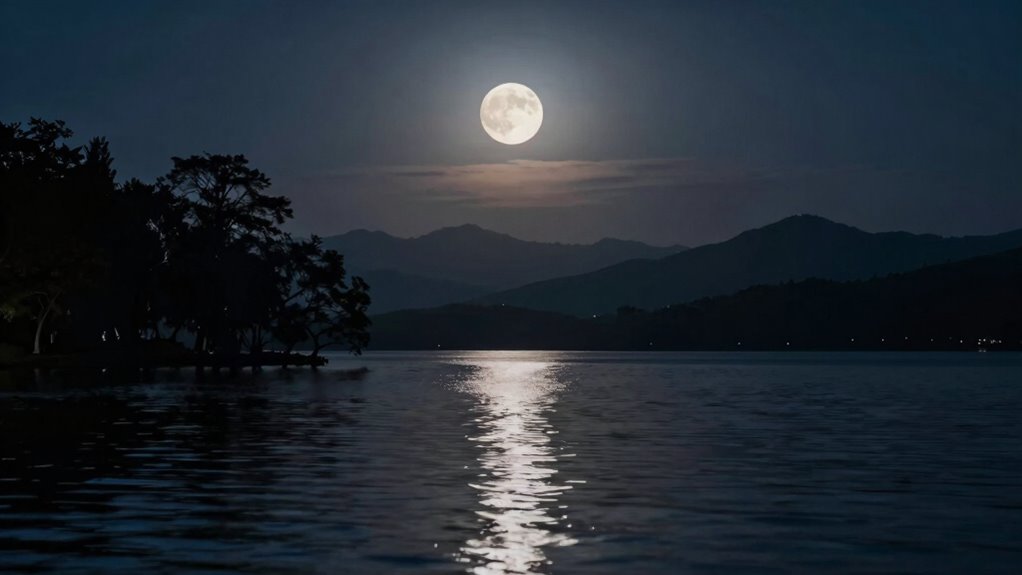
Ever wondered how to transform a simple night scene into a mesmerizing moonlit landscape? Embrace moon mythology and lunar symbolism to inspire your compositions. Use the moon’s glow to highlight natural features like trees, rocks, or water, creating a mystical atmosphere. Incorporate reflections in lakes or ponds to amplify the moon’s symbolism of renewal and clarity. Play with shadows cast by moonlight to add depth and intrigue. Consider adding silhouettes of figures or structures to evoke stories rooted in moon mythology. Look for unique vantage points that emphasize the moon’s position and shape. By understanding the cultural significance of the moon, you can craft landscapes that resonate emotionally and visually, turning ordinary nightscapes into enchanting scenes filled with meaning.
Overcoming Low Light Challenges in Night Photography
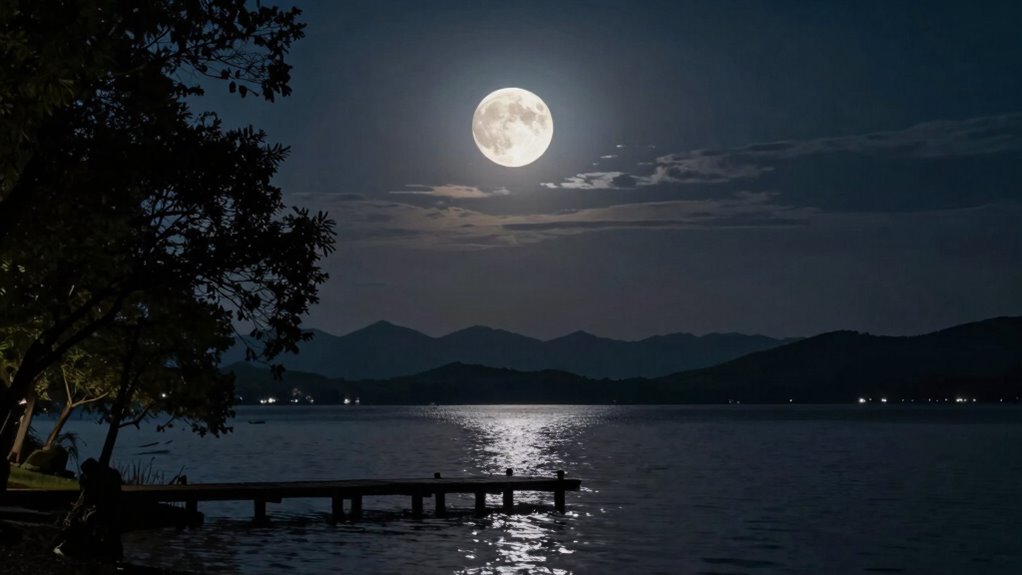
Low light conditions can pose significant challenges in night photography, making it difficult to capture sharp, well-exposed images. To overcome this, understand how moon phase symbolism influences available light, especially during new moon or crescent phases, which offer minimal illumination. Using a tripod helps stabilize your shot, reducing blur caused by longer exposure times. Pay attention to nocturnal animal behavior—many creatures are most active during darker phases, presenting unique photo opportunities. Additionally, understanding local resources can help you find ideal shooting locations and enhance your photography experience. Adjust your camera settings, like increasing ISO and opening your aperture wider, to gather more light without sacrificing image quality. Being aware of moon phases lets you plan shots when natural light is ideal, helping you capture stunning images despite low-light conditions. Furthermore, media literacy can enhance your understanding of how different lighting conditions impact photography and artistic expression. Moreover, mastering coffee grinding techniques can lead to great results not only in your brewing process but also in capturing the essence of your coffee moments during night shoots. Additionally, consider exploring precious metal investment options during your photography trips, as they can provide an interesting backdrop or theme for your night shoots. Properly cleaning your equipment after a shoot in damp conditions is essential for maintaining rug and floor care and ensuring longevity in your gear.
Best Tools and Apps to Plan Your Moon Phase Photoshoots
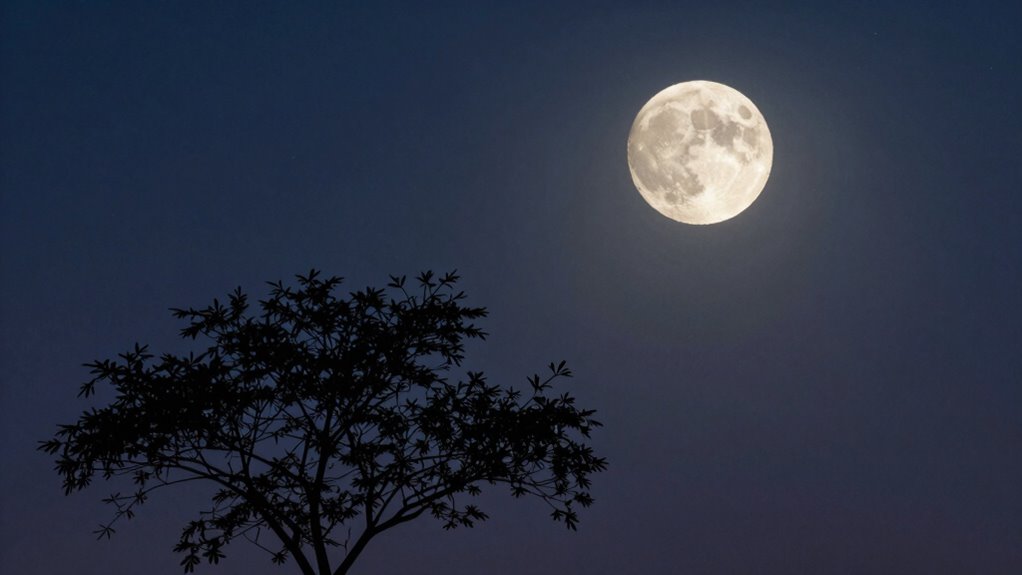
Planning your moon phase photoshoots becomes much easier when you have the right tools and apps at your fingertips. These resources help you track moon phase symbolism and plan for events like lunar eclipse photography.
Some top tools include:
- Time and Date: Offers detailed lunar calendars, moon phase data, and eclipse predictions.
- PhotoPills: Features augmented reality planning, moonrise/moonset times, and moon position for perfect shot planning.
- Sky Guide: Provides real-time celestial events, moon phases, and eclipse alerts.
Using these apps, you can anticipate the full moon’s glow or the dramatic shadow of a lunar eclipse, ensuring your shots align with the moon’s cycle and symbolism.
Frequently Asked Questions
How Does Moon Phase Affect the Visibility of Star Constellations?
You’ll find that moon phases considerably impact the visibility of star constellations. During a new moon, lunar illumination is minimal, so constellation clarity improves, making stars more vivid and easier to observe. In contrast, a full moon’s bright light washes out fainter stars, reducing visibility. To get the best views, plan your stargazing during the new moon or when lunar illumination is low, maximizing your chances of seeing detailed constellations.
What Camera Settings Are Ideal for Moonlit Landscape Photography?
Surprisingly, capturing moonlit landscapes isn’t as simple as pointing and shooting. You’ll want a longer camera exposure—around 10-30 seconds—to gather enough light, but avoid overexposure. Use a wider lens for expansive scenes, and set your ISO low to prevent noise. A tripod is essential for stability. Adjust your aperture to f/8 or f/11 to maximize sharpness, ensuring the moon’s glow beautifully illuminates your landscape.
Can Moon Phases Influence the Behavior of Nocturnal Wildlife?
Yes, moon phases influence nocturnal animal activity by affecting their behavior and movement. During new moons, animals tend to be more active due to the darkness, showcasing increased nocturnal activity. Conversely, full moons can cause animals to become more cautious or reduce activity because of the brighter light. Understanding moon phase synchronization helps you anticipate wildlife patterns, making it easier to capture compelling shots of nocturnal animals in their natural environment.
Is There a Best Time of Year for Moon Phase Photography?
The best time of year for moon phase photography depends on seasonal moon cycles and lunar eclipse timings. You should plan your shoots around new moons for dark skies and full moons for dramatic lighting. Keep an eye on lunar eclipse schedules, which often happen during specific seasons, to capture rare celestial events. By aligning your photography with these cycles, you maximize your chances of stunning, memorable shots.
How Do Weather Conditions Impact Moonlight Photography Plans?
Weather can make or break your moonlight photography plans. You need to watch out for weather variability and cloud cover influence, as they can obscure the moon and reduce visibility. Clear nights are ideal, but if clouds roll in, they can cast shadows or block the moon entirely. Always check the forecast ahead of time, and be flexible—sometimes, a little patience pays off for the perfect shot.
Conclusion
Now that you know how each moon phase can enhance your photography, are you ready to start planning your night shoots? With some preparation and the right tools, you’ll capture stunning images that showcase the moon’s changing beauty. So, why not embrace the lunar cycle and turn your nighttime adventures into breathtaking visual stories? Get out there and let the moonlight inspire your creativity!