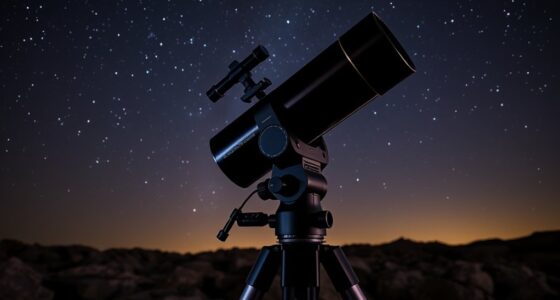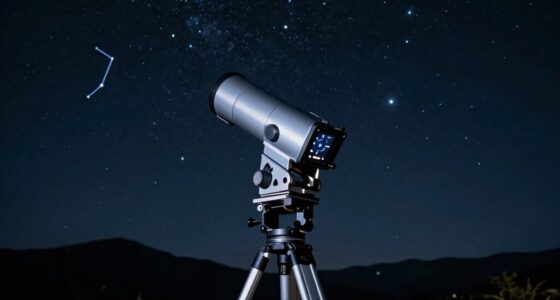

Choosing the best edgehd telescope for galaxy imaging involves balancing optical quality, mount stability, and ease of use. The Celestron Advanced VX 8” EdgeHD stands out for its versatile imaging options and portability, making it a top pick for intermediate to advanced astrophotographers. The Celestron CGEM II 8″ EdgeHD offers high magnification and a robust computerized mount suited for those who want detailed galaxy shots but can handle a heavier setup. Meanwhile, the Celestron Advanced VX 9.25″ EdgeHD leads in optical performance with its larger aperture and automated tracking, ideal for dedicated imagers willing to manage a more complex system. These three options highlight different strengths — from convenience to advanced imaging — depending on your priorities and experience level.

Prime made for students and young adults
- Fast, free delivery for dorm and study essentials
- Prime Video and Amazon Music included
- Member-only deals
Key Takeaways
- EdgeHD optical design provides flatter, coma-free images ideal for galaxy imaging.
- Mount stability and tracking accuracy are critical for high-quality astrophotography.
- Larger apertures gather more light, yielding brighter, more detailed galaxy images.
- Ease of setup varies; more advanced systems offer better performance but require more effort.
- Portability can be a tradeoff for increased size and weight in more powerful models.
| Celestron Advanced VX 8” EdgeHD Computerized GEM Telescope |  | Best Overall for Versatile Galaxy Imaging | Optical Design: EdgeHD | Aperture: 8 inches | Focal Ratios: f/10, f/7 (with reducer), f/2 (Hyperstar) | VIEW ON AMAZON | See Our Full Breakdown |
| Celestron CGEM II 8″ EdgeHD GoTo German Equatorial Telescope |  | Best for High Magnification Galaxy Imaging | Aperture: 8 inches | Optical Coating: Starbright XLT | Maximum Useful Magnification: 480x | VIEW ON AMAZON | See Our Full Breakdown |
| Celestron Advanced VX 9.25″ EdgeHD Computerized German Equatorial Telescope | 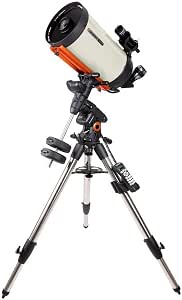 | Best for Serious Galaxy Imaging with Large Aperture | Aperture: 9.25 inches (235mm) | Optical Design: EdgeHD aplanatic Schmidt | Mount Type: German Equatorial | VIEW ON AMAZON | See Our Full Breakdown |
| Celestron NexStar 102SLT Computerized Refractor Telescope |  | Best for Beginners and Light Galaxy Imaging | Aperture: 102mm | Optical Design: Refractor | Technology: SkyAlign | VIEW ON AMAZON | See Our Full Breakdown |
| Celestron NexStar 127SLT Maksutov-Cassegrain Computerized GoTo Telescope |  | Best for Bright, Color-Corrected Galaxy Views | Aperture: 127mm | Optical Design: Maksutov-Cassegrain | Database of objects: 40,000+ | VIEW ON AMAZON | See Our Full Breakdown |
| edgehd telescope for galaxy imaging | Aperture | Optical Design | Mount Type |
|---|---|---|---|
| Celestron Advanced VX 8” EdgeH | 8 inches | EdgeHD | German Equatorial |
| Celestron CGEM II 8" EdgeHD Go | 8 inches | — | German Equatorial |
| Celestron Advanced VX 9.25" Ed | 9.25 inches (235mm) | EdgeHD aplanatic Schmidt | German Equatorial |
| Celestron NexStar 102SLT Compu | 102mm | Refractor | — |
| Celestron NexStar 127SLT Maksu | 127mm | Maksutov-Cassegrain | — |
More Details on Our Top Picks
Celestron Advanced VX 8” EdgeHD Computerized GEM Telescope
This 8-inch EdgeHD model offers remarkable flat-field imaging with advanced optical correction, making it perfect for capturing detailed galaxy images. Its versatile focal ratios (f/10, f/7 with reducer, f/2 for Hyperstar compatibility) allow for flexible imaging setups. Compared to larger telescopes, it remains portable and easier to manage, though its setup can challenge beginners. The advanced features like PPEC and autoguider ports support high-precision astrophotography, but some may find it complex initially. Overall, this telescope balances performance and portability, suited for enthusiasts ready to deepen their galaxy imaging skills.
Pros:- High-quality, flat-field EdgeHD optics
- Flexible focal ratios for different imaging needs
- Portable and compact design
- Advanced imaging features like autoguider port
Cons:- Setup can be complex for newcomers
- Heavy for some users without assistance
- Requires additional accessories for full imaging potential
Best for: Intermediate to advanced astrophotographers seeking a portable yet capable imaging system
Not ideal for: Complete beginners or those seeking a lightweight, purely visual telescope
- Optical Design:EdgeHD
- Aperture:8 inches
- Focal Ratios:f/10, f/7 (with reducer), f/2 (Hyperstar)
- Mount Type:German Equatorial
- Weight Capacity:Under 30 lbs
- Dovetail Compatibility:CG-5 and CGE style
Our verdict“A versatile, high-performance telescope ideal for dedicated galaxy imaging with some setup complexity.”
Celestron CGEM II 8″ EdgeHD GoTo German Equatorial Telescope
This 8-inch Schmidt-Cassegrain features Starbright XLT coatings for bright, sharp images, making it well-suited for capturing galaxies at high magnifications up to 480x. Its powerful computerized mount supports payloads up to 40 lbs, providing stability during long exposures. Compared with smaller or less advanced mounts, the CGEM II’s robustness makes it a preferred choice for astrophotographers aiming for detailed galaxy shots. However, its weight and size mean it’s less portable, and the setup process may be daunting for beginners. It’s best suited for users who want high magnification and are comfortable with a heavier system.
Pros:- Bright, sharp images with Starbright XLT coatings
- High maximum magnification (up to 480x)
- Sturdy, computerized mount supports heavy payloads
- Advanced alignment options
Cons:- Heavy and bulky for frequent transport
- Complex setup for beginners
- Less portable for field use
Best for: Experienced astronomers seeking high-magnification galaxy imaging with a stable mount
Not ideal for: Beginners or those prioritizing portability over power
- Aperture:8 inches
- Optical Coating:Starbright XLT
- Maximum Useful Magnification:480x
- Mount Type:German Equatorial
- Payload Capacity:40 lbs
- Database Size:Over 40,000 objects
Our verdict“A high-magnification capable telescope with a stable mount, perfect for dedicated imagers willing to handle a heavier setup.”
Celestron Advanced VX 9.25″ EdgeHD Computerized German Equatorial Telescope
The 9.25-inch EdgeHD offers exceptional optical clarity and brightness, making it the top choice for astrophotographers focused on detailed galaxy images. Its automated tracking and extensive object database facilitate precise, long-exposure imaging. The larger aperture captures more light, revealing faint galaxy structures that smaller scopes might miss. Compared with smaller models, it demands a more involved setup process and is heavier, but this tradeoff results in sharper, more detailed images. It’s best suited for dedicated amateurs and semi-professionals willing to handle the increased complexity.
Pros:- Exceptional image clarity across entire field
- Large 9.25-inch aperture for bright, detailed images
- Automated GOTO with extensive object database
- Stable, adjustable tripod
Cons:- Complex setup and calibration
- Heavy and less portable
- Higher price point
Best for: Experienced astrophotographers aiming for high-resolution galaxy images
Not ideal for: Beginners or those seeking quick, portable setups
- Aperture:9.25 inches (235mm)
- Optical Design:EdgeHD aplanatic Schmidt
- Mount Type:German Equatorial
- Mount Features:Computerized GOTO, All-Star Polar Alignment, SkyAlign, PPEC
- Tripod:Adjustable steel
- Object Database:Over 40,000 objects
Our verdict“A premium, large-aperture telescope that excels in galaxy imaging but requires familiarity with advanced setups.”
Celestron NexStar 102SLT Computerized Refractor Telescope
This 102mm refractor offers portability and ease of use, making it suitable for those new to galaxy imaging. Its SkyAlign technology allows quick setup, and the included software helps visualize objects before viewing. While it provides bright views of planets, the Moon, and some deep-sky objects, its smaller aperture limits the detail and faintness of distant galaxies it can capture. Compared to larger, more advanced systems, it’s less suited for serious astrophotography but excellent for beginners looking to explore galaxy sights without overwhelming complexity.
Pros:- Portable and lightweight
- Easy to set up with SkyAlign
- Includes sky simulation software
- Good for basic galaxy and planetary views
Cons:- Limited aperture for faint galaxy details
- Not suitable for professional astrophotography
- Requires some assembly and alignment
Best for: Beginners interested in casual galaxy imaging and visual astronomy
Not ideal for: Experienced astrophotographers or those aiming for high-detail images
- Aperture:102mm
- Optical Design:Refractor
- Technology:SkyAlign
- Included Software:Starry Night
- Warranty:2 years
Our verdict“A beginner-friendly telescope perfect for casual galaxy viewing but not ideal for high-resolution imaging.”
Celestron NexStar 127SLT Maksutov-Cassegrain Computerized GoTo Telescope
The 127mm Maksutov-Cassegrain design offers bright, high-contrast images of galaxies, planets, and the Moon. Its SkyAlign technology simplifies setup, and the extensive database supports locating over 40,000 objects. This telescope provides excellent views of bright galaxies with vivid colors, making it appealing for both beginners and intermediate users. However, its smaller aperture compared to larger EdgeHD systems limits faint detail resolution, and it’s primarily a visual instrument rather than a dedicated astrophotography platform. It’s a strong choice for those prioritizing ease of use and bright, colorful galaxy images.
Pros:- Portable and lightweight
- Easy SkyAlign setup
- Bright, color-corrected views
- Extensive object database
Cons:- Limited to visual observation
- Less suitable for faint galaxy imaging
- Requires power for computerized functions
Best for: Beginners and casual astronomers interested in bright galaxy and planetary views
Not ideal for: Users seeking high-resolution deep-sky astrophotography
- Aperture:127mm
- Optical Design:Maksutov-Cassegrain
- Database of objects:40,000+
- Tripod:Adjustable steel
- Included Software:Starry Night Special Edition
- Warranty:2 years
Our verdict“A user-friendly, portable telescope ideal for bright galaxy viewing but not for capturing faint deep-sky details.”

How We Picked
Our selections prioritize optical quality, mount stability, compatibility with astrophotography accessories, and user feedback from experienced astronomers. We compared aperture sizes, optical coatings, mount types, and automation features, emphasizing models that excel in galaxy imaging. Tradeoffs like weight, complexity, and price were also considered to present options suitable for a range of skill levels and setups.
| edgehd telescope for galaxy imaging | Optical Design |
|---|---|
| Celestron Advanced VX 8” EdgeH | EdgeHD |
| Celestron CGEM II 8" EdgeHD Go | — |
| Celestron Advanced VX 9.25" Ed | EdgeHD aplanatic Schmidt |
| Celestron NexStar 102SLT Compu | Refractor |
| Celestron NexStar 127SLT Maksu | Maksutov-Cassegrain |
Factors to Consider When Choosing Edgehd Telescope For Galaxy Imaging
When selecting an edgehd telescope for galaxy imaging, consider key factors such as optical quality, mount stability, aperture size, and automation features. Larger apertures capture more light, revealing fainter galaxy details, but also increase weight and setup complexity. A stable, computerized mount helps maintain precise tracking for long exposures, essential for high-resolution images. Portability may be less important for some, but if you plan to travel with your telescope, weight and size will matter. Compatibility with accessories like autoguiders and reducers can significantly improve your imaging results, especially for deep-sky objects.Optical Design and Aperture
The optical design determines image quality, with EdgeHD optics providing flatter, coma-free images optimal for galaxy photography. Aperture size impacts how much light the telescope collects; larger apertures (like 9.25 inches) enable brighter, more detailed images, especially of faint galaxies. However, bigger scopes are heavier and less portable, so balance your imaging goals with your physical setup constraints.
Mount Stability and Tracking
Accurate tracking is vital for astrophotography, preventing star trails and ensuring sharp images. German Equatorial mounts with computerized GOTO functionality help locate and follow celestial objects precisely. For galaxy imaging, a mount with high payload capacity and low vibration is preferable, as it supports heavier optics and long exposures without sacrificing image quality.
Ease of Use and Automation
Beginners benefit from telescopes with quick setup features like SkyAlign or automatic alignment routines. Automation systems that support autoguiders and multiple object databases streamline the imaging process, especially when capturing faint galaxies that require extended exposures. Remember, more automation often means increased complexity and cost.
Frequently Asked Questions
What is the main advantage of EdgeHD optics for galaxy imaging?
EdgeHD optics are designed to produce flat, coma-free images across the entire field of view, which is essential for capturing detailed, distortion-free galaxy images. This optical correction reduces the need for post-processing and ensures high-quality results, especially when using cameras for astrophotography.
How important is mount stability for galaxy imaging?
Mount stability is absolutely critical in galaxy imaging because even minor vibrations or tracking errors can blur long exposures. A sturdy, well-aligned German Equatorial mount with precise tracking capabilities helps maintain the position of faint objects over extended periods, leading to sharper, more detailed images.
Can I use a smaller aperture telescope for galaxy imaging?
While smaller telescopes can be used for galaxy viewing, they generally lack the light-gathering power needed for detailed, high-quality astrophotography of faint galaxies. They are better suited for casual observing or wide-field imaging of brighter objects. For serious galaxy imaging, larger apertures are preferable.
Are EdgeHD telescopes suitable for beginners?
EdgeHD telescopes tend to be more complex and often heavier, making them less ideal for complete beginners. However, models with automated features and user-friendly mounts can still be manageable for motivated beginners willing to learn. For absolute novices, starting with simpler, more portable options may be preferable.
What accessories improve galaxy imaging with EdgeHD telescopes?
Adding autoguiders, focal reducers, and high-quality cameras designed for astrophotography can significantly enhance galaxy imaging results. Autoguiders improve tracking accuracy during long exposures, while reducers can widen the field of view, capturing more of the galaxy in each shot. Proper calibration and software support are also key to achieving professional-quality images.
Conclusion
For those new to galaxy imaging or seeking portability, the Celestron NexStar 102SLT offers ease of use and quick setup, though with limitations on faint detail. Intermediate to advanced astrophotographers who want a balance between performance and manageability will find the Celestron Advanced VX 8” EdgeHD to be an excellent choice. For dedicated imagers demanding the highest detail and brightness, the Celestron Advanced VX 9.25” EdgeHD provides unmatched optical quality at the expense of increased complexity and weight. Ultimately, your choice depends on your experience level, portability needs, and galaxy imaging ambitions.
Fall Picks
fall essentials
As an affiliate, we earn on qualifying purchases.