
To troubleshoot issues like noise, overexposure, or lack of sharpness, understand how sensor size and pixel pitch affect your images. Larger sensors capture more light for better detail, while smaller sensors are more portable but may dull image quality. Higher pixel density offers sharper pictures but increases noise in low light. Adjust your camera settings accordingly, and mastering these fundamentals helps improve your results. Keep exploring to gain even more confidence and control over your photography.
Key Takeaways
- Understand how sensor size affects image quality, low-light performance, and depth to choose the right camera for your needs.
- Balance pixel pitch to optimize sharpness and detail while managing noise levels, especially in low-light conditions.
- Adjust ISO, shutter speed, and aperture based on sensor and pixel size for optimal exposure and minimal noise.
- Use appropriate lenses and calibration techniques to prevent artifacts and improve exposure accuracy.
- Apply noise reduction methods carefully, leveraging RAW files and stabilization to enhance image clarity confidently.
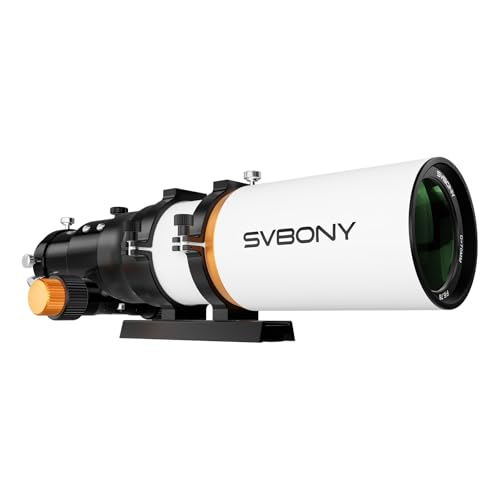
SVBONY SV503 Refractor Telescope with Built-in Field Flattener, 70mm F6.78 Extra Low Dispersion Achromatic Refractor OTA, Telescope for Adults, for Astrophotography Visual Astronomy
Outstanding flat-field correction; built-in field flattener of SVBONY SV503 telescope eliminates field curvature; offering a flat; wide view;...
As an affiliate, we earn on qualifying purchases.
Understanding Sensor Dimensions and Their Impact on Image Quality
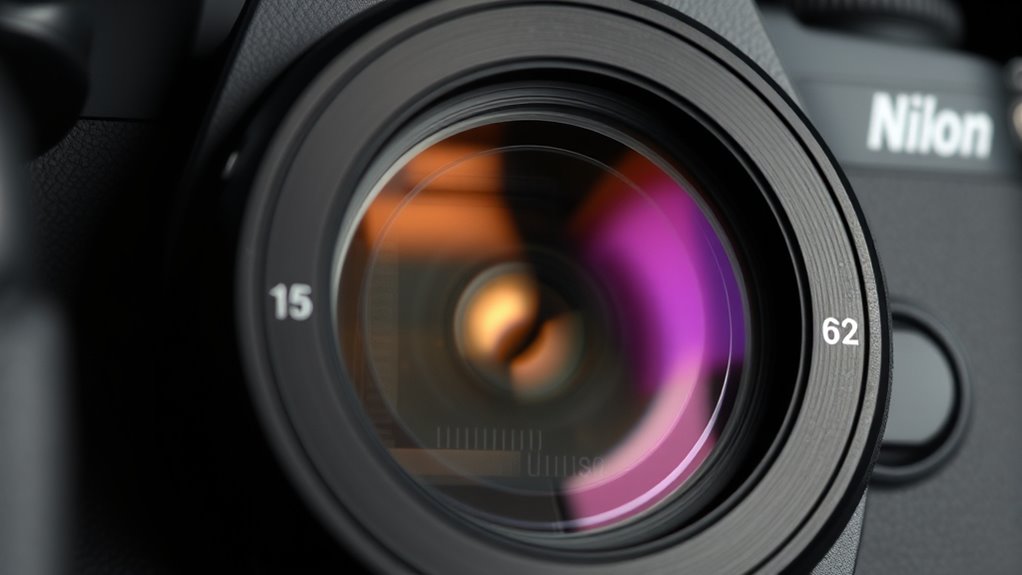
Understanding sensor dimensions is essential because they directly influence your image quality. The sensor size determines how much light it can capture, impacting both detail and clarity. Larger sensors generally produce higher image resolution, offering more detail and better performance in low-light conditions. They also help reduce noise, resulting in cleaner images. Conversely, smaller sensors tend to have lower image resolution but allow for compact camera designs and easier portability. When choosing a camera, consider how sensor size aligns with your photography needs. A bigger sensor provides sharper images with more depth, but may come with increased cost and size. Additionally, sensor size influences the overall dynamic range of your photos, affecting how well you can capture details in both shadows and highlights. Understanding these differences helps you make informed decisions to improve your overall image quality.
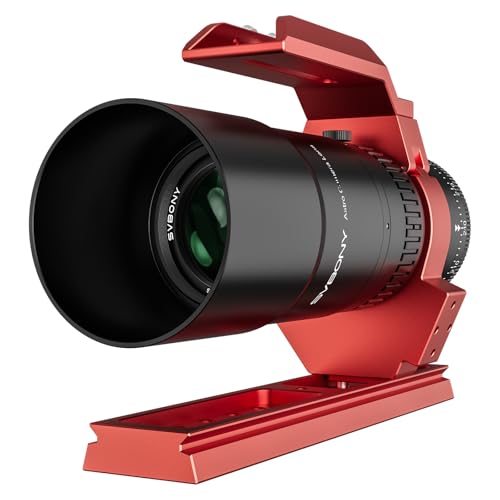
SVBONY SV545 Telescope Petzval Lens APO, F4.5, 203mm Focal Length, Built in Field Flattener, Professional Refractor Telescope Supports EAF(not Included), M48 Thread for Full Frame Astrophotography
44mm large image circle: full-frame support with a 44mm large image circle delivers edge-to-edge sharpness; ideal for SV545...
As an affiliate, we earn on qualifying purchases.
Deciphering Pixel Pitch: What It Means for Sharpness and Noise

Pixel pitch refers to the distance between the centers of adjacent pixels on a camera sensor, and it plays a crucial role in determining your image’s sharpness and noise levels. A smaller pixel pitch means higher pixel density, which generally results in sharper images with more detail. However, this also increases the likelihood of noise, especially in low-light conditions, because each pixel gathers less light. Conversely, larger pixel pitches reduce noise and improve dynamic range but can lead to lower resolution. You’ll often face resolution trade-offs: choosing a sensor with a smaller pixel pitch provides more detail but may require advanced noise reduction techniques. Understanding pixel pitch helps you balance sharpness and noise for your specific photography needs. Additionally, headphone jacks compatibility and proper pairing can enhance your multimedia experience when reviewing your images or videos.

SVBONY SV227 2" SHO Telescope Filter Set, Narrowband Filter Kit, SII H-Alpha OIII 5nm Narrow-Band Filters, Reduce Light Pollution, 3Pcs Set for Emission Nebula Planetary Nebulae Astrophotography
SV227 2" Narrow-Band Filter is specifically designed for use with monochrome cameras in astrophotography; it effectively isolates the...
As an affiliate, we earn on qualifying purchases.
Diagnosing Common Problems: When Your Photos Look Over or Underexposed

When your photos turn out overexposed or underexposed, it often indicates a problem with your camera’s exposure settings. Check your shutter speed first: too slow can cause overexposure, while too fast results in underexposure. Lens quality also plays a role; a lower-quality lens may struggle to gather light accurately, affecting exposure. Use the table below to understand key settings:
| Issue | Cause | Solution |
|---|---|---|
| Overexposure | Slow shutter speed, high ISO | Increase shutter speed, lower ISO |
| Underexposure | Fast shutter speed, small aperture | Decrease shutter speed, open aperture |
| Lens quality | Poor light transmission | Upgrade to a better lens |
| General tip | Check exposure meter | Adjust settings accordingly |
Properly balancing shutter speed and considering lens quality helps fix over or underexposure efficiently. Additionally, utilizing filtering techniques like neutral density filters can further improve exposure control in challenging lighting conditions.

Sky-Watcher Quattro 200P Imaging Newtonian - Large Aperture 8-inch Reflector Optical Tube for Astrophotography
FAST f/4 OPTICS: With a bright f/4 focal ratio, the Quattro Imaging Newtonian captures greater detail in a...
As an affiliate, we earn on qualifying purchases.
Troubleshooting Noise and Grain in Low-Light Conditions

Dealing with noise and grain in low-light conditions can be frustrating, but you can minimize these issues by adjusting your camera settings and technique. Start by ensuring your camera’s sensor calibration is accurate, as miscalibration can amplify noise. Use lenses compatible with your camera to avoid introducing unnecessary optical artifacts that worsen grain. Keep ISO as low as possible to reduce sensor noise, and consider shooting in RAW for better noise management during editing. Proper exposure is key—overexposing slightly can help, but avoid clipping highlights. Additionally, using a tripod stabilizes your shot, preventing blur that can mimic noise. Finally, post-processing noise reduction tools can help, but don’t rely solely on them, as they can reduce image detail. sensor calibration is essential for optimal image quality and minimizing noise artifacts.
Practical Tips for Optimizing Camera Settings Based on Sensor and Pixel Characteristics

Understanding your camera’s sensor size and pixel pitch is essential for optimizing your settings effectively. When you know your sensor’s dimensions and pixel density, you can adjust ISO, shutter speed, and aperture to achieve the best image quality. Proper sensor calibration guarantees your camera’s autofocus and exposure are accurate, preventing over- or underexposure. Pay attention to lens compatibility; using lenses designed for your sensor size avoids vignetting and distortion, which can compromise image sharpness. If your sensor has a small pixel pitch, consider lowering ISO to reduce noise. Conversely, larger pixels can handle higher ISO settings. Additionally, Kia Tuning techniques can inspire how you fine-tune your camera for specific shooting scenarios. Tailoring your camera settings based on these characteristics helps you capture clearer, more detailed images across various shooting conditions.
Frequently Asked Questions
How Does Sensor Size Influence Depth of Field in Photos?
You’ll notice that larger sensor sizes create a shallower depth of field because their physical size allows for a wider lens aperture. This means you can get more background blur, making your subject stand out. Smaller sensors tend to have a deeper depth of field, even with wide apertures. So, when you want that dreamy background, choose a camera with a bigger sensor and a lens with a wide aperture.
Can Pixel Pitch Affect Autofocus Accuracy?
Pixel pitch can considerably affect autofocus accuracy, as smaller pixels require precise sensor calibration to maintain autofocus speed. For example, cameras with a pixel pitch below 1.0 micron often experience slower autofocus due to signal-to-noise issues. When pixel pitch is optimized, autofocus systems perform more reliably, ensuring sharp images. So, if your autofocus feels sluggish, it might be time to check sensor calibration or consider sensors with a larger pixel pitch for better speed.
What Are the Signs of a Damaged Sensor?
If your camera sensor is damaged, you’ll notice issues like strange image artifacts, inconsistent exposure, or color shifts. These signs often appear even after sensor calibration, indicating physical harm. You might also see dead pixels or lines across your images. Damage to the sensor compromises image quality and autofocus performance, so inspecting for these visual cues helps you identify the problem early and seek professional repair.
How Does Sensor Heat Impact Image Quality?
Sensor heat can seriously impact image quality by increasing noise levels, causing grainy images, and reducing detail. When your sensor overheats, effective sensor cooling and heat dissipation become essential to prevent these issues. You should guarantee proper ventilation and limit prolonged use in high temperatures. Adequate heat management helps maintain ideal sensor performance, resulting in clearer, sharper images and preventing long-term damage caused by excessive heat buildup.
Are Larger Sensors More Durable Than Smaller Ones?
You might think larger sensors are more fragile, but ironically, they often boast better sensor longevity because they use more durable materials. While smaller sensors can be more susceptible to damage, the bigger ones are built with stronger components, making them more resistant to wear and tear. So, if durability’s your priority, don’t dismiss the size—bigger sensors can actually be tougher in the long run.
Conclusion
Now that you understand how sensor size and pixel pitch shape your photos, you’re equipped to take control like a master artist wielding a brush. Remember, every shot is a chance to turn the ordinary into the extraordinary, just as a painter transforms a blank canvas into a masterpiece. Trust your newfound knowledge, and let your confidence grow with each click—your creative journey is just beginning.