
TL;DR
A blue moon will occur in May 2026, peaking on the night of May 30-31. It will be the second full moon in the month and will appear near its farthest point from Earth. This rare event is visible across many regions, offering a unique viewing opportunity.
A blue moon will be visible in the night sky on the weekend of May 30-31, 2026, peaking at 4:45 a.m. ET on May 31, according to EarthSky. This event, the second full moon in a single month, is a rare occurrence that offers a prime opportunity for skywatchers worldwide.
The upcoming blue moon will reach its fullest at 4:45 a.m. ET on May 31, 2026. It coincides with a micromoon, meaning the moon will be near its farthest point from Earth, approximately 252,334 miles away, about 10% farther than its average distance. Despite this, the moon will appear largely normal to the naked eye, with no noticeable size difference.
This event marks the second full moon in May, a phenomenon that occurs roughly every two to three years due to the lunar cycle’s 29.5-day length, slightly mismatched with the calendar month. Learn more about blue moons. The last calendar blue moon was in 2023, which was a supermoon, occurring when the moon was closest to Earth. The next such event will be in 2037, according to The Old Farmer’s Almanac.
Why It Matters
This blue moon provides a rare astronomical sight and an opportunity for public engagement with astronomy. It also highlights the natural variability of lunar phases and their cultural significance, as the phrase ‘once in a blue moon’ originates from this rare occurrence. For amateur astronomers and casual observers alike, it’s a chance to witness a celestial event that happens only approximately every 19 years for calendar blue moons.

Celestron Signature Series Moon by Robert Reeves Features A Superb Moon Astronomical Telescope, Black (22016)
UNBEATABLE WARRANTY & SUPPORT: Buy with confidence from Celestron, a leading telescope brand in California since 1960. Your…
As an affiliate, we earn on qualifying purchases.
As an affiliate, we earn on qualifying purchases.
Background
The lunar cycle’s 29.5-day duration causes occasional months to host two full moons, with the second called a blue moon. For tips on capturing this event, see how to catch the perfect full moonrise. The last calendar blue moon occurred in 2023, which was a supermoon, and the next will be in 2037. Historically, the term ‘blue moon’ dates back to the 1500s and was later documented in the 1937 Maine Farmer’s Almanac, evolving into its current meaning.
“Despite the moon being at its farthest point, it will still look quite similar to a typical full moon to the naked eye.”
— Dr. Pamela Gay, senior scientist at the Planetary Science Institute
“The moon will peak at 4:45 a.m. ET on May 31, offering a prime viewing window for many regions.”
— EarthSky

8K & 64MP Digital Camera for Photography, 48X Zoom (16X Optical + 3X Digital) with Moon Mode, 180° Flip Screen, WiFi, Micro HDMI, 64GB Card & 2 Batteries, Vlogging Camera for YouTube (Black)
【See Farther with 48X Zoom, Moon Mode & 64MP Clarity】 Capture stunning details—from your child performing on stage…
As an affiliate, we earn on qualifying purchases.
As an affiliate, we earn on qualifying purchases.
What Remains Unclear
It is still unclear how weather conditions will affect visibility in different regions. Additionally, the exact appearance of the moon can vary slightly depending on local atmospheric conditions, but no significant discrepancies are expected.

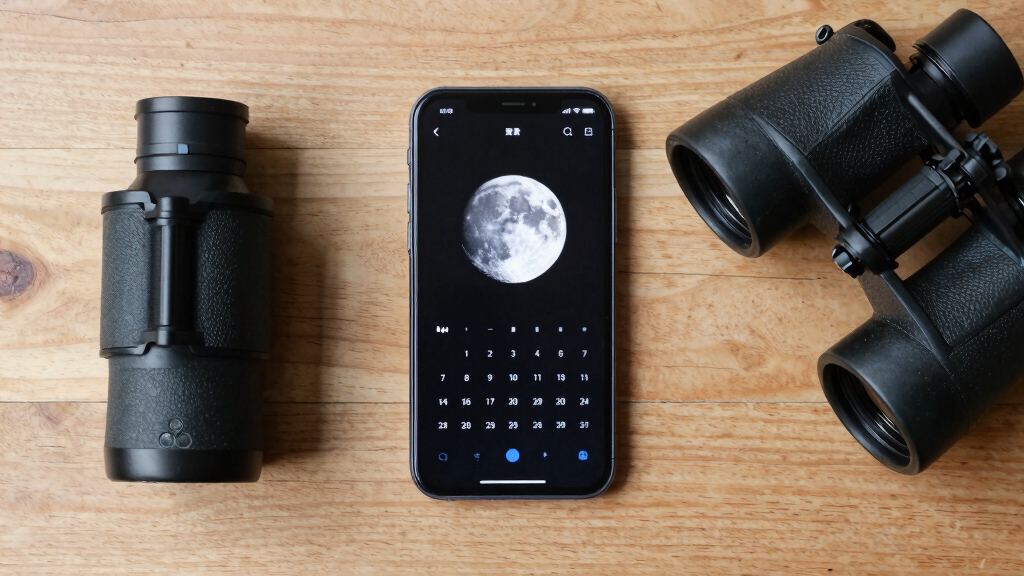
Lunescope 🔭🌘 Moon Viewer
View the moon's current phase and crescent angle, for any date or location
As an affiliate, we earn on qualifying purchases.
As an affiliate, we earn on qualifying purchases.
What’s Next
Observers should look for the moon rising between 5:30 and 6:30 p.m. local time on May 30 or 31, depending on their location. The next notable lunar event will be the seasonal blue moon in 2027, but this year’s event remains a key date for skywatchers.

Celestron – Cometron 7×50 Astronomy Binoculars – Entry-Level for Stargazing and Comet Watching – Large 50mm Objective Lenses – Wide 6.6° Field of View – Multi-Coated Optics
EASY-TO-USE ASTRONOMY BINOCULARS FOR BEGINNERS: Cometron 7×50 binoculars are an easy, affordable way to learn the night sky…
As an affiliate, we earn on qualifying purchases.
As an affiliate, we earn on qualifying purchases.
Key Questions
What is a blue moon?
A blue moon is the second full moon in a calendar month, which happens roughly every two to three years due to the lunar cycle’s length.
Will the moon actually look blue?
No, despite the name, the moon will appear its usual silvery white or golden hue. The term ‘blue moon’ does not refer to its color in this context.
What time will the moon be at its fullest?
The moon will reach its peak fullness at 4:45 a.m. ET on May 31, 2026, according to NASA and EarthSky.
How can I best see the blue moon?
For optimal viewing, watch shortly after sunset or before sunrise on May 30 or 31, when the moon is rising. Clear skies will improve visibility, and using a smartphone or camera can help capture the event.
Why is this event rare?
Blue moons occur approximately every two to three years, making them an infrequent and special occurrence for skywatchers.
Source: Google Trends