Choosing between clip-in and threaded filters depends on your shooting style and environment. If you need quick, tool-free swaps, clip-in filters are best, especially in fast-paced or changing conditions. For more security and durability in rugged settings, threaded filters provide a snug, reliable fit. Consider how often you’ll change filters and the nature of your shoots. Keep exploring, and you’ll discover which option suits your needs best and how to make the most of each type.
Key Takeaways
- Clip-in filters allow quick, tool-free changes ideal for dynamic shooting environments, while threaded filters offer secure, long-term attachment.
- Threaded filters are generally more durable and impact-resistant, suitable for rugged outdoor conditions.
- Clip-in filters are preferable for fast-paced scenarios requiring rapid filter swaps, whereas threaded filters provide stability during prolonged shoots.
- Proper handling and environmental factors influence the longevity of both filter types, with threaded filters often better protected against damage.
- Choosing between the two depends on whether your priority is quick access and convenience or secure, durable fit.

When choosing filters for your equipment, understanding the differences between clip-in and threaded filters can help you make an informed decision. Both formats serve the same purpose: reducing glare, managing reflections, or achieving specific creative effects. However, their design features impact how you handle them in practical situations, especially regarding filter durability and ease of installation. Knowing these factors guarantees you pick the right type for your photography or videography needs.
Clip-in filters are typically designed for quick, tool-free attachment, making them highly convenient when you’re out shooting or need to swap filters rapidly. Their ease of installation is a major advantage—simply slide the filter into the holder, and you’re ready to shoot. This simplicity is especially beneficial when working in dynamic environments or cold conditions where fumbling with threads can be cumbersome. Although clip-in filters are generally robust enough for typical use, their filter durability depends heavily on the quality of the materials and construction. Cheaper models might be prone to scratches or cracking if handled roughly, but high-quality clip-in filters are built to withstand regular use without issue. The secure clip mechanism also minimizes the risk of accidental drops, adding an extra layer of protection. Additionally, filter durability can be influenced by environmental factors, such as exposure to moisture or extreme temperatures, which can affect the longevity of the filter material.
Clip-in filters offer quick, tool-free setup perfect for dynamic shooting environments and rapid filter changes.
On the other hand, threaded filters screw directly onto the front of your lens. This design offers a secure fit that minimizes the chance of accidental detachment, making threaded filters a reliable choice for stable, long-term use. Their ease of installation is straightforward—simply align the filter with your lens thread and rotate clockwise until it’s snug. Many photographers appreciate this method because it provides a tight seal that prevents light leaks or unwanted movement during shots. When it comes to filter durability, threaded filters are often more resilient against physical impacts, particularly if made from sturdy materials like tempered glass or metal frames. They can withstand more rugged conditions, making them suitable for outdoor adventures or heavy use. However, threading can sometimes become worn or cross-threaded with frequent changes, which might compromise their durability over time if not handled carefully. Proper cleaning and careful handling can extend the lifespan of threaded filters significantly.
Ultimately, your choice hinges on how you prioritize quick access versus a secure fit, as well as your typical shooting environment. If you need to frequently change filters in a fast-paced setting, clip-in filters offer unmatched ease of installation. Conversely, if you prefer a more permanent, secure attachment that can withstand rough handling and harsh conditions, threaded filters might be the better choice for you. Both formats have their advantages and limitations, but understanding these key differences in filter durability and ease of installation will help you select the filter system that best aligns with your shooting style and needs.

Kase Clip-in ND64 ND1.8 6 Stops Filter,Built-in Camera ND Filter Optical Glass for Sony Alpha Camera A7/A7 II/A7 III/A7R/A7R II/A7R III/A7R IV/A7S/A7S II/A7S III/A9/A9 II/FX3
Compatible with Sony Alpha Full-frame Mirrorless Cameras,included A7/A7 II/A7 III/A7R/A7R II/A7R III/A7R IV/A7S/A7S II/A7S III/A9/A9 II/A7C,etc..
As an affiliate, we earn on qualifying purchases.
As an affiliate, we earn on qualifying purchases.
Frequently Asked Questions
How Does Filter Material Affect Image Quality?
Filter material directly impacts image quality by influencing image clarity and color accuracy. High-quality materials like glass or premium optical plastics minimize distortions and unwanted reflections, ensuring your shots stay sharp and true to life. Cheaper or lower-grade filter materials can introduce haze, reduce sharpness, or cause color shifts. So, choosing the right filter material helps you capture clearer, more vibrant images, making your photography stand out.
Are Clip-In Filters More Durable Than Threaded Filters?
Clip-in filters generally aren’t as durable as threaded filters. They tend to have shorter filter longevity because the clips can wear out or break over time, especially with frequent use. In a durability comparison, threaded filters usually last longer since their secure screw-in design offers better protection against accidental drops or damage. If you need a reliable, long-term option, threaded filters are the better choice for durability.
Can I Use Both Filter Types on the Same Lens?
You can use both filter types on the same lens if they’re compatible with your lens attachment. While some lenses may have specific filter sizes or threads, many filters can be stacked or adapted. Just make certain that the combined thickness doesn’t cause vignetting or interfere with your lens hood. Always double-check filter compatibility to avoid damage or difficulty attaching filters, and enjoy versatile photography with both clip-in and threaded options.
What Maintenance Is Required for Clip-In Filters?
You should regularly clean your clip-in filters with a soft, lint-free cloth and gentle lens cleaner to maintain them clear. Always handle them by the edges to avoid fingerprints. Store your filters in a protective case or pouch when not in use to prevent scratches or dust buildup. Proper filter cleaning and storage tips ensure your filters stay in top condition, giving you crisp, clear shots every time.
Do Filter Sizes Vary Between Brands and Models?
Yes, filter sizes can vary between brands and models. You should check for filter size consistency to guarantee compatibility with your equipment. Different brands may not follow the same standards, so it’s crucial to verify that the filter you choose fits your device properly. Always check specifications and compatibility details before purchasing, especially if you’re switching between brands, to avoid fitting issues and ensure maximum performance.

NEEWER 67mm Lens Filter Kit: UV, CPL, FLD, ND2, ND4, ND8, Lens Hood and Lens Cap Compatible with Canon Nikon Sony Panasonic DSLR Cameras with 67mm Lens
【Complete Camera Lens Filter Kit】This lens filter set includes all the filter accessories you need for filming outdoors:…
As an affiliate, we earn on qualifying purchases.
As an affiliate, we earn on qualifying purchases.
Conclusion
Choosing between clip-in and threaded filters is like picking the right key for a lock—you want it to fit perfectly. I once struggled with a clip-in filter that kept slipping, just like trying to open a door with the wrong key. Ultimately, understanding your needs guarantees you select the right format, making your photography smoother. Remember, the right filter is the key to revealing stunning shots—so pick the one that fits your style best.
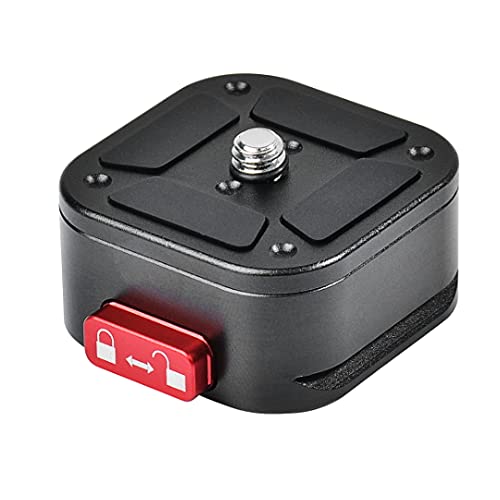
Quick Release Plate, Camera Tripod Mount Arca Swiss QR Plate Fast Claw Clamp Compatible with Canon Sony Nikon Pentax DSLR/SLR/Zhiyun/Feiyu/DJI/Moza Stabilizer, Tripod Slider Gimbal
1 Press to set your camera free, super fast to change your camera/smartphone/action camera between different mounts. A…
As an affiliate, we earn on qualifying purchases.
As an affiliate, we earn on qualifying purchases.

Altura Photo 58mm Lens Filter Kit – Multi-Coated UV Protector, CPL Polarizing and ND Neutral Density Filters + Case for Camera Accessories & Lenses
Camera Lens filters includes: ND Filter 58mm, 58mm polarizer filter & UV filter 58mm (UV, CPL 58mm polarizing,…
As an affiliate, we earn on qualifying purchases.
As an affiliate, we earn on qualifying purchases.