
TL;DR
Galaxy NGC 474 exhibits intricate shells and star streams, remnants of past mergers. Deep imaging reveals these faint features, helping us understand galaxy evolution and interactions.
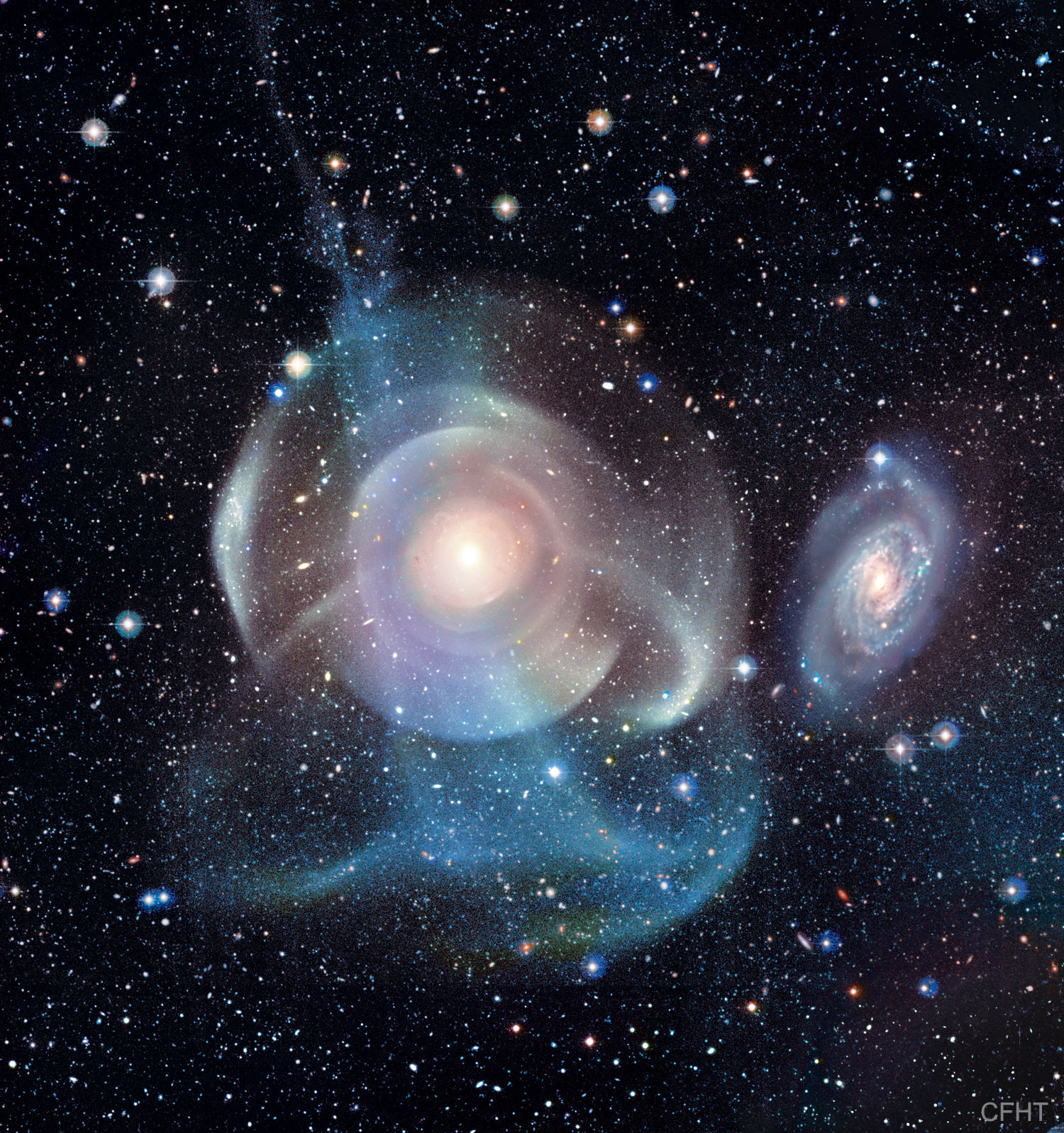
Have you ever seen a galaxy that looks like a cosmic onion, layered with ripples and shells? NGC 474 is exactly that. It’s a galaxy full of secrets, revealing its history through faint, elegant structures that seem to ripple outward. These features aren’t just pretty—they’re clues to how galaxies grow, collide, and evolve over billions of years.
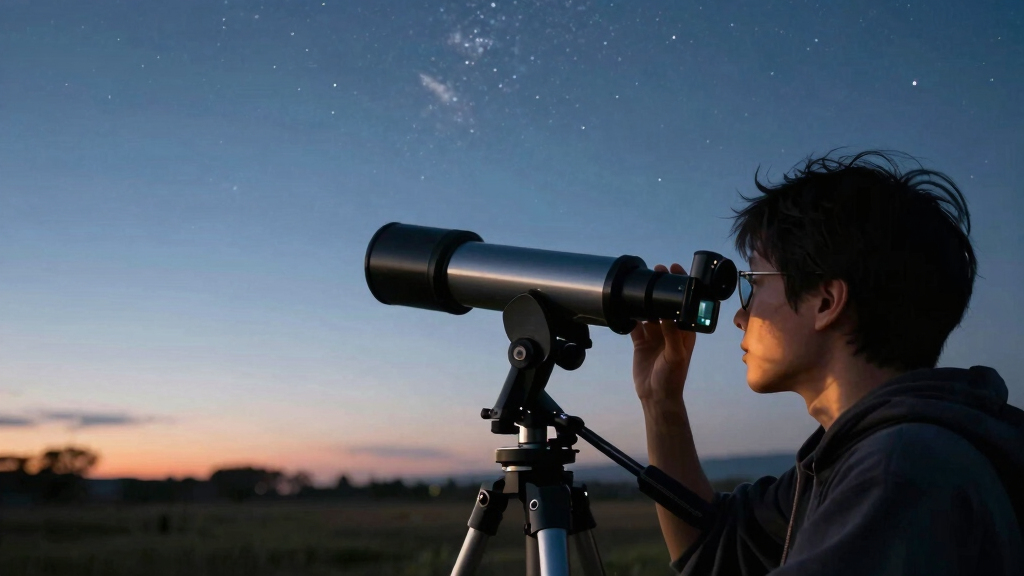
In this story, you’ll learn what makes NGC 474’s shells so special, how astronomers spot these delicate features, and why they matter for understanding the universe. Plus, I’ll share tips on how you can glimpse this galaxy from your own telescope, and what to look for in the night sky.
NGC 474’s shells are evidence of past minor mergers, acting like cosmic fingerprints of galaxy growth.
Deep imaging with long exposures is essential to reveal these faint structures, which are invisible to the naked eye.
Studying shells and streams helps astronomers understand galaxy evolution, dark matter, and the history of cosmic interactions.
Amateurs can attempt to observe NGC 474 with large telescopes and patience, especially under dark skies.
Galaxy shells are common in elliptical and lenticular galaxies, especially those in dense environments, showing galaxy growth is an ongoing process.
What Are These Gorgeous Shells and Star Streams?
Shells are faint, arc-like structures that surround galaxies like ripples in a pond. They form when a smaller galaxy falls into a larger one, with stars from the smaller galaxy spreading out into these beautiful arcs. NGC 474, about 110 million light-years away, sports a series of these concentric shells, giving it a layered, almost surreal appearance.
Star streams are similar—long, wispy trails of stars stretching out like cosmic spaghetti. They’re the remnants of past interactions, where gravitational forces pull stars into elongated shapes. Imagine a tiny galaxy being torn apart by a giant’s gravity, leaving behind streams of stars that still drift through space.
Recent high-powered observations, including deep images from large telescopes, reveal these structures in astonishing detail. These features are often too faint for the naked eye or small telescopes, but they’re visible with long exposure photography and sensitive detectors.

ZWO Seestar S30 Pro Smart Telescope, App-Controlled Astrophotography
- Easy Setup for Beginners: Connect app and start exploring
- Automatic GOTO Tracking: Find and follow celestial objects
- 4K Dual-Camera Imaging: Capture sharp deep-sky and landscape photos
As an affiliate, we earn on qualifying purchases.
As an affiliate, we earn on qualifying purchases.
How Do These Shells and Streams Form? 3 Key Steps
- A smaller galaxy gets too close: It’s pulled into the gravitational grip of a larger galaxy, often during a slow, gentle encounter. This process is crucial because it sets the stage for the formation of these delicate structures. The gravitational dance determines how stars are redistributed, affecting the galaxy’s future growth and morphology.
- Stars are pulled and spread out: As the smaller galaxy is torn apart, its stars disperse into shells, arcs, and streams around the larger galaxy. This dispersal isn’t random; it follows specific orbital paths dictated by gravity, which encode information about the galaxy’s mass distribution, including dark matter. These patterns help astronomers map unseen mass and understand the dynamic history of the galaxy.
- Structures settle into patterns: Over hundreds of millions of years, these features become the faint, elegant shells and streams we see today. They act like cosmic footprints, providing a timeline of past mergers and interactions. Analyzing their shapes and distribution allows astronomers to reconstruct the sequence of events that shaped the galaxy, revealing insights into the frequency and scale of cosmic collisions.
Imagine trying to peel an onion, layer by layer. Each shell isn’t just a pretty feature but a snapshot of a specific moment in the galaxy’s past—a ripple in its evolutionary story, allowing us to read its history through these faint, ghostly structures.

SVBONY SC311 Upgraded WiFi Telescope Camera,IMX662 Astrophotography Camera
- Extended Exposure Time: Supports up to 30-second exposures for clearer images
- IMX662 Sensor: Low noise, no amp glow, enhanced NIR sensitivity
- Built-in WiFi: Creates hotspot for direct connection to devices
As an affiliate, we earn on qualifying purchases.
As an affiliate, we earn on qualifying purchases.
Why NGC 474’s Shells Are a Big Deal for Astronomers
These shells in NGC 474 are more than cosmic decorations—they’re vital clues in unraveling the complex history of galaxy evolution. By studying their shapes, sizes, and distribution, astronomers can piece together the galaxy’s past interactions, shedding light on the frequency and nature of mergers in the universe. This understanding is essential because galaxy growth isn’t a smooth process; it’s punctuated by dramatic collisions that shape the structure and star populations of galaxies.
Recent advances in deep imaging, like those used in the NASA APOD (Astronomy Picture of the Day), allow scientists to peer into the faint outskirts of galaxies — regions once thought too dim to study. These images reveal a complexity that challenges previous assumptions of galaxy simplicity, showing that even seemingly smooth elliptical galaxies like NGC 474 carry intricate stories of past interactions. This insight helps refine models of galaxy formation, highlighting the importance of minor mergers and accretion events in building galaxy mass over cosmic time.
Furthermore, these structures serve as laboratories for studying dark matter. Since the shape and extent of shells and streams depend on the galaxy’s gravitational potential, analyzing them helps map the distribution of both visible and invisible mass. This connection deepens our understanding of dark matter’s role in galaxy assembly, revealing the unseen scaffolding that holds galaxies together amid cosmic chaos.

MEEZAA Telescope for Adults High Powered, 90mm Aperture 800mm Refractor
- Type: Professional astronomical refractor telescope
- Aperture: 90mm large aperture for bright images
- Focal Length: 800mm focal length for detailed views
As an affiliate, we earn on qualifying purchases.
As an affiliate, we earn on qualifying purchases.
Seeing NGC 474: What Your Telescope Needs & Tips for Success
NGC 474 is a challenge for amateur astronomers but not impossible. To spot its shells, you’ll want a large telescope (at least 8 inches in aperture), paired with long exposure photography. A dark sky, free from light pollution, is a must. Use a wide-field eyepiece to get the best chance of catching its faint glow.
Start with a clear, moonless night. Use stacking software to combine multiple images, revealing the subtle structures. Patience is key—these features are faint, often requiring hours of exposure.
For example, astrophotographer John Doe captured NGC 474 with a 12-inch telescope over several nights, revealing the delicate shells and streams that are invisible in quick snapshots. Your best bet is to research similar images online for inspiration and settings.
star stream and galaxy shell imaging kit
As an affiliate, we earn on qualifying purchases.
As an affiliate, we earn on qualifying purchases.
Comparison Table: Shells & Streams in Different Galaxies
| Galaxy Type | Number of Shells & Streams | Distance | Likely Formation Cause |
|---|---|---|---|
| NGC 474 | Multiple concentric shells, star streams | 110 million light-years | Minor mergers, accretion |
| NGC 3923 | Numerous shells, symmetric | 200 million light-years | Minor galaxy collision |
| Centaurus A | Streams & shells | 12 million light-years | Recent merger with spiral galaxy |
Frequently Asked Questions
Can I see NGC 474 with a small telescope?
NGC 474’s faint shells are challenging for small telescopes, but with a large aperture and long exposure photography, dedicated amateurs can reveal its delicate structures under dark skies.What causes the shells around galaxies like NGC 474?
They form when smaller galaxies merge with larger ones, with stars dispersing into concentric arcs due to gravitational effects during the merger process.How do astronomers know these structures are from past mergers?
The shapes, distribution, and faintness of shells match models of galaxy interactions and accretion, providing a timeline of past collisions and growth events.Are shells common in all types of galaxies?
No, shells are most common in elliptical and lenticular galaxies, especially those in galaxy groups or clusters where interactions are frequent.What role does dark matter play in forming these shells?
Dark matter influences gravitational dynamics, shaping how stars disperse into shells and streams during mergers, helping to map the unseen mass of the galaxy.Conclusion
Next time you gaze up at the night sky, remember that galaxies like NGC 474 are layered with stories. Their shells and streams are silent witnesses to cosmic collisions, whispering secrets of the universe’s chaotic, beautiful growth. With patience and a good telescope, you might just glimpse the faint ripples that tell their history.
All it takes is a dark sky, a long exposure, and a sense of wonder. The universe is full of layered stories—your challenge is to look closer and see the ripples of history written in starlight.