Periodic error occurs because of tiny imperfections in gear manufacturing, misalignment, or worn teeth, causing your mount to drift slightly during tracking. It’s a natural result of gear train flaws and can be worsened by debris, dirt, or poor lubrication. Regular maintenance, cleaning, and calibration help reduce these tracking errors. To improve your mount’s accuracy, understanding and managing periodic error is essential—stick around to learn more about how you can keep your tracking on point.
Key Takeaways
- Periodic error stems from gear imperfections, misalignment, and wear, causing predictable, cyclical tracking inaccuracies.
- Manufacturing flaws, debris, and inadequate lubrication increase gear imperfections, leading to mount tracking errors.
- Regular calibration and maintenance ensure gears mesh smoothly, reducing the amplitude of periodic error.
- Autoguiders and correction algorithms compensate for periodic error during imaging, improving accuracy.
- Proper gear care and alignment minimize errors, decreasing reliance on correction tools and enhancing mount performance.
Periodic error is a common challenge in precision astronomy and telescope tracking, caused by slight imperfections in the gear train. When you’re observing or astrophotographing, these tiny flaws cause the mount to drift slightly off course at regular intervals. Understanding how to address this issue starts with recognizing the importance of proper gear calibration. Accurate gear calibration involves ensuring that your mount’s gears are meshing smoothly and that their teeth are aligned correctly. If the gears are worn out, dirty, or poorly aligned, they will introduce errors that repeat with each rotation cycle. Regularly inspecting and calibrating your gears minimizes these errors, making your mount’s tracking more consistent.
Periodic error arises from gear imperfections; proper calibration and maintenance ensure smoother tracking.
Maintaining your mount through routine maintenance routines is essential in managing periodic error. This means keeping the gears clean, lubricated, and free of debris that can cause uneven movement. It also involves checking for any signs of wear or damage and replacing worn components when necessary. When performed regularly, maintenance routines help preserve the integrity of your gear train, reducing the amplitude of the periodic error. You should also verify that the gears are properly meshed and that there is no excessive play or backlash, which can amplify tracking inaccuracies. Proper lubrication using the recommended lubricants ensures smooth gear motion, further reducing periodic error and preventing unnecessary wear that could exacerbate the problem over time.
Beyond gear calibration and maintenance, many astronomers use autoguiders or correction algorithms to compensate for periodic error. These tools work by making small, real-time adjustments to your mount’s position, effectively counteracting the periodic deviations caused by gear imperfections. This is especially helpful if you’re capturing long-exposure images and need your mount to stay precisely on target. However, these systems are most effective when your mount’s gears are well-calibrated and maintained, as they rely on detecting and correcting errors that are already minimized. Additionally, emerging research indicates that AI-driven correction algorithms are showing promise in further reducing the impact of periodic errors through advanced pattern recognition and real-time adjustments.
In essence, controlling periodic error hinges on your proactive approach to gear calibration and maintenance routines. Taking the time to keep your gears in top shape and ensuring they’re properly calibrated will considerably improve your tracking accuracy. This not only makes your astrophotography sessions more successful but also extends the lifespan of your mount. Remember, the more you maintain and calibrate your gear train, the less you’ll have to rely on correction tools, and the closer you’ll get to perfect tracking in your celestial pursuits.

Celestron – StarSense Autoguider Telescope Accessory for Computerized Telescopes – 3-Minute Auto Alignment – Precise GoTo and Guiding for Astroimaging – Advanced Mount Modeling for Astrophotography
LEVEL-UP YOUR CELESTRON TELESCOPE WITH STARSENSE TECHNOLOGY: This all-in-one solution makes using your telescope for astroimaging or visual…
As an affiliate, we earn on qualifying purchases.
As an affiliate, we earn on qualifying purchases.
Frequently Asked Questions
How Can I Measure My Mount’s Periodic Error Accurately?
To gauge your mount’s periodic error precisely, start with mount calibration using a high-quality autoguider or software that tracks star positions over time. Use error measurement techniques like periodic error correction (PEC) tools or software that record deviations during long exposures. Regularly analyze this data to identify error patterns, then apply corrections. This process ensures precise tracking, helping you capture sharper images and improve overall astrophotography results.
What Are the Best Methods to Correct Periodic Error?
To correct periodic error, you should focus on identifying periodic error sources through precise mount calibration techniques like PEC training or autoguiding. Use software to analyze your mount’s tracking data, then apply PEC or update guiding parameters to compensate for error. Regular calibration helps minimize periodic error sources, leading to more accurate tracking. Consistent adjustments and monitoring ensure your mount maintains ideal performance during long exposures.
Does Periodic Error Change Over Time or With Environmental Conditions?
Periodic error can change over time and with environmental conditions. You should regularly perform mount calibration to account for these shifts. Environmental factors like temperature fluctuations, humidity, and vibrations can impact the mount’s tracking accuracy. To maintain ideal performance, guarantee environmental stability around your setup, and recalibrate as needed. Staying attentive to these changes helps you minimize tracking errors and get the best possible images from your astrophotography sessions.
Can Periodic Error Be Completely Eliminated?
Imagine your mount as a restless dancer, constantly shifting with error sources like gear imperfections and alignment flaws. Unfortunately, you can’t completely eliminate periodic error, but you can minimize it through precise mount calibration, regular maintenance, and advanced guiding techniques. These efforts act like a steady hand guiding the dancer, reducing the wobble and improving your tracking. While perfection remains elusive, you can considerably enhance your astrophotography accuracy.
How Does Periodic Error Impact Astrophotography Quality?
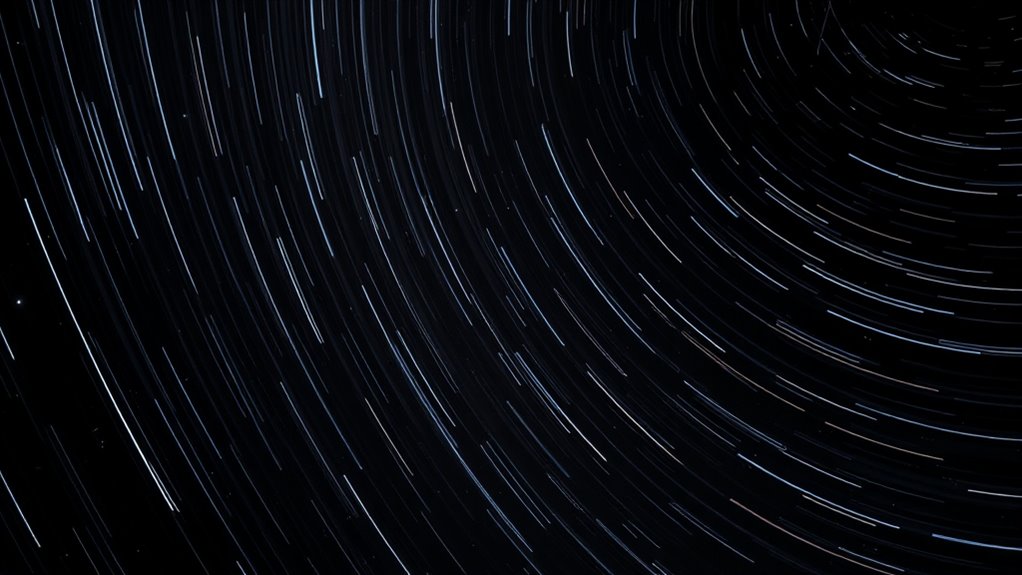
Periodic error can substantially impact your astrophotography quality by causing star trails and blurry images. When your mount isn’t well calibrated, this error leads to imperfect tracking, making stars appear elongated over long exposures. To minimize these effects, regularly perform mount calibration and use guiding systems. This helps keep your stars sharp and your images clear, ensuring your astrophotography results are as precise and stunning as possible.
periodic error correction device
As an affiliate, we earn on qualifying purchases.
As an affiliate, we earn on qualifying purchases.
Conclusion
Think of periodic error like a mischievous wave in a calm sea—always present but manageable. By understanding its rhythm, you can better navigate your astrophotography journey. With patience and proper calibration, you’ll learn to dance with these tiny imperfections instead of fighting them. Remember, even the most seasoned astronomers embrace these quirks as part of the adventure. So, keep your eyes on the stars, and enjoy the beautiful imperfections that make your celestial voyage unique.
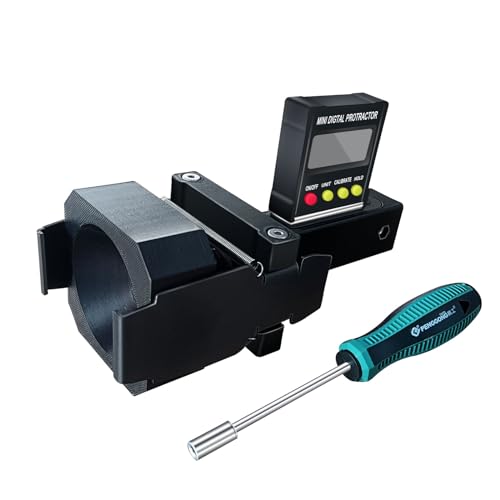
ADAS Calibration Dynamic ACC Positioning Tool for Eyeball Unit, Angso-auto Angle Leveling Tool Accessory for Auto
The ANGSO-AUTO leveling tool is designed to be powered by 2* AAA 1.5 V batteries (Please note that…
As an affiliate, we earn on qualifying purchases.
As an affiliate, we earn on qualifying purchases.
mount lubrication for astrophotography
As an affiliate, we earn on qualifying purchases.
As an affiliate, we earn on qualifying purchases.