

Anti-blooming gates in image sensors prevent overexposure by channeling excess charge away from bright areas, stopping blooming artifacts from ruining your photos. They matter most in high-contrast scenes, like sunny skies or bright headlights, where overexposure can cause streaks or washed-out details. Properly calibrated gates guarantee your camera captures sharp, clear images without distortion. To discover how these tiny components keep your photos crisp in challenging lighting, continue exploring their key functions and benefits.
Key Takeaways
- Anti-blooming gates prevent sensor overexposure by draining excess charge during bright lighting conditions.
- They activate at specific thresholds to avoid blooming artifacts like streaks and washed-out areas.
- Proper calibration ensures gates function effectively without compromising low-light sensitivity.
- These gates are critical in high-contrast scenes, such as sunny outdoor environments and scenes with bright light sources.
- They help maintain image clarity and detail, ensuring high-quality photos free from blooming distortions.

Anti-blooming gates are fundamental components in image sensors that prevent overexposure by controlling excess charge. When you’re capturing bright scenes, such as a sunny sky or headlights at night, the sensor’s pixels can become overwhelmed by intense light, leading to a phenomenon called blooming. This results in bright streaks or spots that spill over into neighboring pixels, degrading image quality. Anti-blooming gates work by providing a pathway for this excess charge to drain away, safeguarding the sensor maintains clarity and detail even in challenging lighting conditions. Proper calibration of these gates is essential to ensure they activate precisely when needed, preventing blooming without hindering low-light sensitivity. Understanding how anti-blooming gates influence sensor calibration is key to appreciating their role. Proper calibration ensures these gates activate at the right moment, preventing charge buildup without sacrificing the sensor’s sensitivity to subtle details in the image. During calibration, engineers adjust the thresholds at which the gate opens to release charge, balancing the need to avoid blooming with the desire to preserve low-light information. This process involves precise measurements and testing, often supported by sophisticated image processing algorithms that analyze the sensor’s output under various lighting scenarios. When calibrated correctly, anti-blooming gates allow your camera to produce consistently sharp images with minimal artifacts, regardless of scene brightness. Materials used in manufacturing can also affect how effectively these gates perform, impacting overall image quality. In the domain of image processing, anti-blooming gates contribute markedly to producing high-quality images. They work behind the scenes, ensuring that the raw data sent to your image processor is free from the distortions caused by blooming. This clean data is essential for post-processing tasks such as noise reduction, contrast enhancement, and color correction. Without effective anti-blooming, these processes can be compromised, leading to images that look washed out or contain distracting streaks. When the gates do their job well, your image processor can accurately interpret the scene’s details, resulting in vibrant, well-defined photographs. You also need to consider when anti-blooming gates matter most. They’re crucial in high-contrast situations, like shooting outdoors on a sunny day or capturing scenes with intense light sources. In these cases, the gates prevent the sensor from saturating and ensure the image remains sharp and well-exposed. They’re equally important in scientific or industrial imaging, where precise, artifact-free data collection is critical. Knowing how and when these gates activate helps you optimize your camera settings for different conditions, ensuring consistent image quality across various environments.
anti-blooming gate for digital camera
As an affiliate, we earn on qualifying purchases.
As an affiliate, we earn on qualifying purchases.
Frequently Asked Questions
How Do Anti-Blooming Gates Impact Image Quality?
Anti-blooming gates help improve your image quality by managing sensor sensitivity during bright conditions. They prevent overexposure and blooming, which can distort details around bright spots. When these gates activate, they maintain better image clarity by controlling excess charge, ensuring your photos are sharp and well-defined even in challenging lighting. So, they’re especially useful in high-contrast scenes, helping you capture clearer, more accurate images.
Can Anti-Blooming Gates Be Turned Off?
Think of anti-blooming gates as the guardians of your sensor’s integrity—they can usually be turned off through user control settings if your camera allows. While some cameras have fixed anti-blooming features, others offer manual sensor calibration options to disable them temporarily. Check your device’s menu or user manual, because understanding your camera’s capabilities guarantees you maintain peak image quality when you choose to turn these gates off.
Are Anti-Blooming Gates Necessary for All Camera Types?
Anti-blooming gates aren’t necessary for all camera types. If you’re working with sensors like CCDs in high-contrast or bright-light application scenarios, they help prevent pixel saturation and image distortion. However, for CMOS sensors used in low-light or less intense environments, anti-blooming gates are often optional. You should evaluate your specific sensor type and application scenario to determine if including anti-blooming gates benefits your camera setup.
How Do Anti-Blooming Gates Compare to Other Noise Reduction Methods?
Anti-blooming gates are like superheroes in noise reduction, expertly handling light saturation to prevent pixel overload. Compared to other methods, they directly limit excess charge from overexposed areas, maintaining sensor efficiency. While techniques like digital filtering or post-processing can reduce noise, anti-blooming gates prevent bloom before it starts, making them especially effective in high-light conditions. They’re a vital tool when you need clear, sharp images without sacrificing sensor performance.
What Are the Limitations of Anti-Blooming Gates?
Anti-blooming gates can limit sensor saturation, but they have limitations. When lighting is extremely bright, they might not fully prevent false color artifacts, which can distort your image. Additionally, in high-contrast scenes, anti-blooming gates may reduce dynamic range, leading to loss of detail. You should consider these factors, especially in challenging lighting, to guarantee your camera setup captures accurate images without unwanted artifacts or saturation issues.

AI Hidden Camera Detector, AI-Powered Anti Spy Device,GPS Trackers & Listening Devices,Portable Wireless Hidden Cameras Scanner for Hotels,Travel & Home,6 Sensitivity Levels & 4 Detection Modes
6 Sensitivity Levels & 4 Detection Modes:This hidden camera detector features 6 adjustable sensitivity levels, letting you tailor…
As an affiliate, we earn on qualifying purchases.
As an affiliate, we earn on qualifying purchases.
Conclusion
Understanding anti-blooming gates helps you grasp how cameras prevent pixel saturation in bright conditions. They’re vital when capturing scenes with intense light sources, ensuring your images stay clear and detailed. Did you know that over 70% of modern digital cameras incorporate anti-blooming technology? This statistic highlights just how essential these gates have become in maintaining image quality. By knowing when they matter, you can make better decisions about your photography, especially in challenging lighting situations.

TruColor Classic IR 720, Infrared Filter, 720nm IR Pass for Full-Spectrum Converted Cameras, High-Contrast Color & Black-and-White IR Photography, Ideal for Landscapes & Creative Effects (52mm)
720NM IR PASS FILTER – Designed for color infrared photography with rich tonal depth and creative flexibility.
As an affiliate, we earn on qualifying purchases.
As an affiliate, we earn on qualifying purchases.
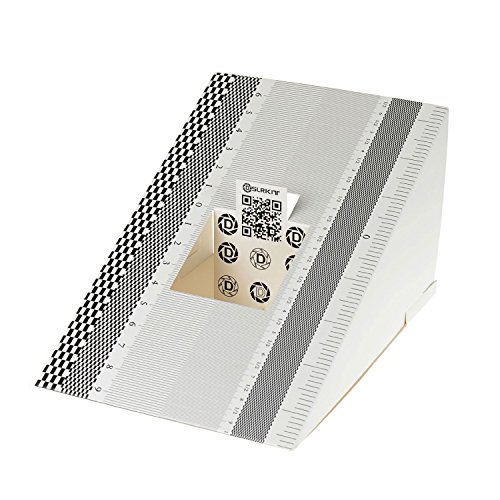
DSLRKIT Lens Focus Calibration Tool Alignment Ruler Folding Card(Pack of 2)
This compact ruler allows you to determine if your lens is auto-focusing accurately as it should. It is…
As an affiliate, we earn on qualifying purchases.
As an affiliate, we earn on qualifying purchases.