Understanding the differences between CCD and CMOS sensors helps you choose the right camera tech. CCD sensors excel in delivering low-noise, high-quality images with great dynamic range, making them ideal for professional use, but they consume more power and generate more heat. CMOS sensors are more energy-efficient, integrating components onto the chip, which makes them popular in smartphones and compact cameras. If you want to learn more about these technologies, keep exploring the details below.
Key Takeaways
- CCD sensors produce lower noise and higher image quality, especially in low-light conditions, compared to early CMOS sensors.
- CMOS sensors consume less power and generate less heat, extending device battery life and reducing noise from heat.
- CCD sensors transfer charge across pixels for image capture, while CMOS sensors integrate amplification and conversion on-chip.
- CCDs are preferred in professional photography for their superior image clarity, whereas CMOS sensors are common in consumer electronics for efficiency.
- Advances in CMOS technology now offer image quality comparable to CCDs, making them suitable for a wider range of applications.

When choosing between CCD and CMOS sensors for your camera, understanding their differences is vital. Both sensor types capture light to create images, but they do so through distinct mechanisms that influence image quality, power use, and overall performance. You’ll notice that CCD sensors are known for producing images with very low sensor noise, which means cleaner, sharper photos, especially in low-light conditions. This advantage makes them popular in high-end professional cameras where image clarity is paramount. However, this quality comes at a cost—CCD sensors tend to consume more power. Their design requires more energy for the analog-to-digital conversion process, which can drain batteries faster and generate more heat. That extra heat can sometimes introduce additional noise, ironically, slightly offsetting their low sensor noise advantage in certain situations.
CCD sensors deliver low-noise, high-quality images but consume more power and generate more heat.
In contrast, CMOS sensors are designed to be more energy-efficient. They integrate the amplifiers and analog-to-digital converters directly onto the chip, reducing power consumption considerably. This efficiency allows devices like smartphones and compact cameras to operate longer on a single charge. Because CMOS sensors use less power, they generate less heat, which helps keep sensor noise levels down, especially in smaller or more budget-friendly cameras. Yet, historically, CMOS sensors faced challenges with higher sensor noise, which could lead to grainier images in low-light settings. Advances in technology, however, have greatly improved their noise performance, enabling CMOS sensors to produce high-quality images that rival those from CCD sensors.
Another important aspect to ponder is how each sensor type handles dynamic range and color accuracy. CCD sensors typically excel in capturing a broad dynamic range with minimal noise, making them ideal for professional applications where detail in shadows and highlights matters. CMOS sensors, while initially weaker in this area, have improved substantially, offering competitive dynamic range and color fidelity in many modern devices. The choice between the two often depends on your priorities: if low sensor noise in challenging lighting conditions is vital and you don’t mind higher power use, CCD might be the better option. But if you want longer battery life, lower heat, and increasingly comparable image quality, CMOS sensors are a compelling choice.
Ultimately, understanding these differences helps you select a sensor that aligns with your needs. Whether you prioritize image clarity, power efficiency, or device longevity, knowing how each sensor type performs ensures you make an informed decision that enhances your photography experience.
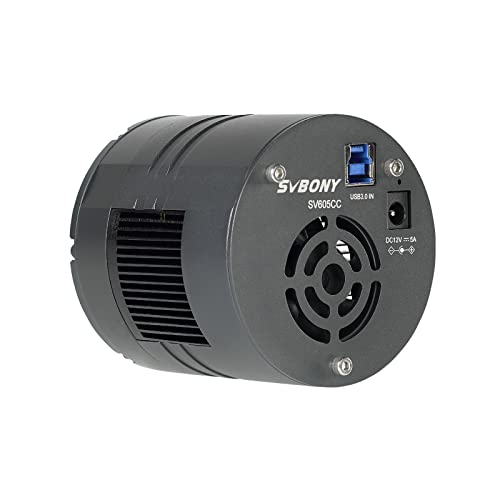
SVBONY SV605CC Cooled Astrophotography Camera, Double Layer Semiconductor Refrigeration, 9MP IMX533 USB3.0 CMOS Color Telescope Camera, for Deep Sky Astrophotography Panoramic Astronomy&Lucky Imaging
SV605CC deep sky camera is suitable for deep space photography enthusiasts; suitable for deep space photography; panoramic astronomy;...
As an affiliate, we earn on qualifying purchases.
Frequently Asked Questions
How Do CCD and CMOS Sensors Compare in Low-Light Performance?
You’ll find that CCD sensors generally offer better low-light performance due to higher sensor sensitivity, capturing more light with less noise. They tend to have superior noise performance, resulting in clearer images in dim conditions. CMOS sensors have improved markedly and can now compete in low-light situations, but they often still struggle with noise and sensitivity compared to CCDs. So, if low-light shooting is your priority, CCDs might be the better choice.
What Are the Maintenance Differences Between CCD and CMOS Sensors?
A stitch in time saves nine, so you’ll want to keep your sensors in top shape. With CCD sensors, maintenance involves careful sensor calibration and can be more complex to repair due to delicate components. CMOS sensors are generally easier to maintain, requiring less frequent calibration and simpler repairs. Overall, CMOS sensors tend to be more user-friendly when it comes to ongoing maintenance and troubleshooting.
How Do Manufacturing Costs Influence Sensor Selection?
Manufacturing costs substantially influence your sensor choice, as lower production costs make CMOS sensors more appealing for mass markets. CMOS sensors benefit from scalability factors, allowing manufacturers to produce them more efficiently and at a reduced cost compared to CCD sensors. This cost advantage often leads to more affordable prices for consumers and wider adoption in various devices, making CMOS sensors a popular choice for budget-conscious applications.
Can CCD or CMOS Sensors Be Used in Medical Imaging?
Think of CCD and CMOS sensors as the eyes of medical imaging tools—they can definitely be used in this field. You’ll find that CMOS sensors often shine in portable devices due to their durability and lower power consumption, making them ideal for long-term use. Meanwhile, CCD sensors excel in high-end imaging where clarity is essential. Both serve well, but consider your needs for sensor durability and image quality when choosing.
What Advancements Are Emerging in CCD and CMOS Technology?
You’ll see advancements in CCD and CMOS sensor technology focusing on sensor miniaturization and integrating artificial intelligence. Smaller sensors enable more compact devices, ideal for medical imaging and portable cameras. AI enhances image processing, improving clarity and enabling real-time analysis. These innovations lead to smarter, more efficient sensors, pushing the boundaries of imaging capabilities across various fields, including healthcare, surveillance, and consumer electronics.

SVBONY SV405CC Cooled Telescope Camera, 11.7 MP USB3.0, BI IMX294 CMOS Color Sensor, Astrophotography Camera with AR Coating, Astronomy Electronic Eyepiece for Deep Sky Astrophotography&Lucky Imaging
High-Sensitivity 4/3" Sensor: Back-illuminated IMX294 with 4.63μm pixels (4144x2822) for excellent light capture. The 63ke- full well capacity...
As an affiliate, we earn on qualifying purchases.
Conclusion
Choosing between CCD and CMOS sensors depends on your needs, but did you know CMOS sensors now dominate over 90% of the market? This shift reflects their lower power consumption and faster processing capabilities, making them ideal for most modern devices. As technology advances, CMOS sensors continue to improve, offering high-quality images at a lower cost. So, whether you’re capturing memories or professional shots, understanding these differences helps you make smarter choices for your photography gear.

Telescope Camera 4K, 8MP Astrophotography Camera - 1.25" Telescope Electronic Eyepiece Camera with IR Filter, Plug & Play for Astronomy, Planetary Imaging, Compatible with Windows/Mac/Linux
✅【Plug & Play Multi-OS Support】 No drivers needed! Automatically recognized by Windows 10/11, macOS 12+, and Linux via...
As an affiliate, we earn on qualifying purchases.

SVBONY SC571CC Cooled Color Astronomy Camera, IMX571 CMOS APS-C Sensor, Front-Window Glass Heater Prevent Dew and Condensation, USB 3.0 Type C, High Resolution Telescope Camera for Astrophotography
High-resolution APS-C sensor: SC571CC CMOS Telescope Camera features the IMX571 APS-C BSI sensor with a 23.4×15.7mm area and...
As an affiliate, we earn on qualifying purchases.