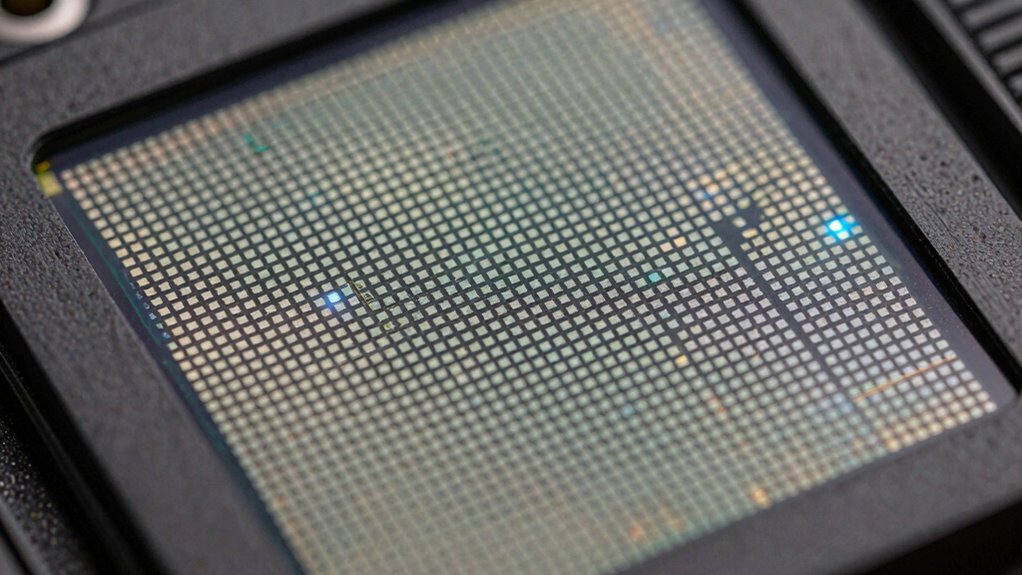

Bigger pixels don’t automatically mean better photos, because other factors matter just as much. While larger pixels can improve low-light sensitivity and reduce noise, advancements in sensor technology and image processing can produce stunning images with smaller pixels. A well-rounded camera balances pixel size with lens quality, sensor tech, and software capabilities. To truly understand what makes a great picture, it is crucial to look beyond just pixel size — there’s much more to it.
Key Takeaways
- Larger pixels improve low-light sensitivity but do not automatically produce sharper or higher-resolution images.
- Advanced sensor technology and image processing can outperform larger pixels, producing clearer, more vibrant photos.
- Smaller pixels can achieve excellent image quality with proper noise reduction and high-quality lenses.
- Overall photo quality depends on multiple factors beyond pixel size, including sensor tech and image processing algorithms.
- Bigger pixels may reduce noise but do not guarantee better image sharpness or detail when images are enlarged.

Python Monitoring Dashboards for Smart Homes and Drones: Track Sensors, Cameras, Logs, Alerts, and Field Data
As an affiliate, we earn on qualifying purchases.
As an affiliate, we earn on qualifying purchases.
What Does Pixel Size Really Mean for Your Camera’s Photo Quality?
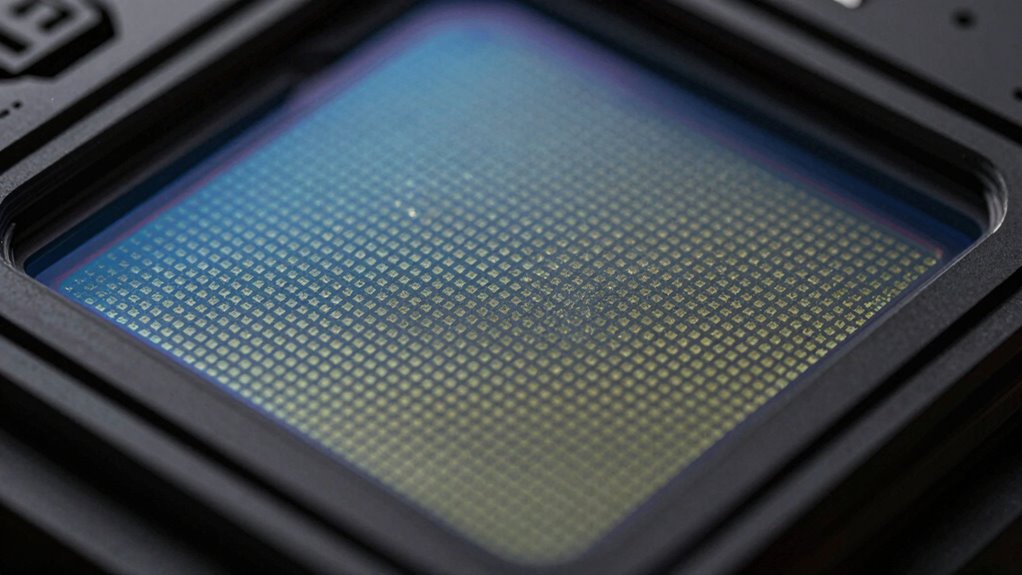
While many people believe that larger pixels automatically mean better photo quality, the truth is more nuanced. Pixel size influences sensor sensitivity, which affects how well your camera captures light, especially in low-light conditions. Larger pixels can gather more light, reducing noise and improving clarity. However, megapixel count also plays a role—more megapixels mean higher resolution but can sometimes lead to smaller pixels if the sensor size stays the same. This can reduce sensor sensitivity and increase noise. So, it’s not just about pixel size alone; it’s a balance. A camera with appropriately sized pixels and a good megapixel count can deliver sharp, vibrant images, especially in challenging lighting. Ultimately, pixel size impacts image quality through sensor sensitivity, but it’s part of a bigger picture. Understanding digital concepts is essential for making informed decisions about camera performance and image quality. In today’s tech landscape, it’s crucial to focus on high-impact recommendations that can help you choose the right camera for your needs.

Canon EF 50mm f/1.8 STM Lens, Black, Compatible with Canon EOS DSLR Cameras
50 millimeter focal length and maximum aperture of f/1.8
As an affiliate, we earn on qualifying purchases.
As an affiliate, we earn on qualifying purchases.
Why Bigger Pixels Don’t Always Make Better Photos
Why Bigger Pixels Don’t Always Make Better Photos
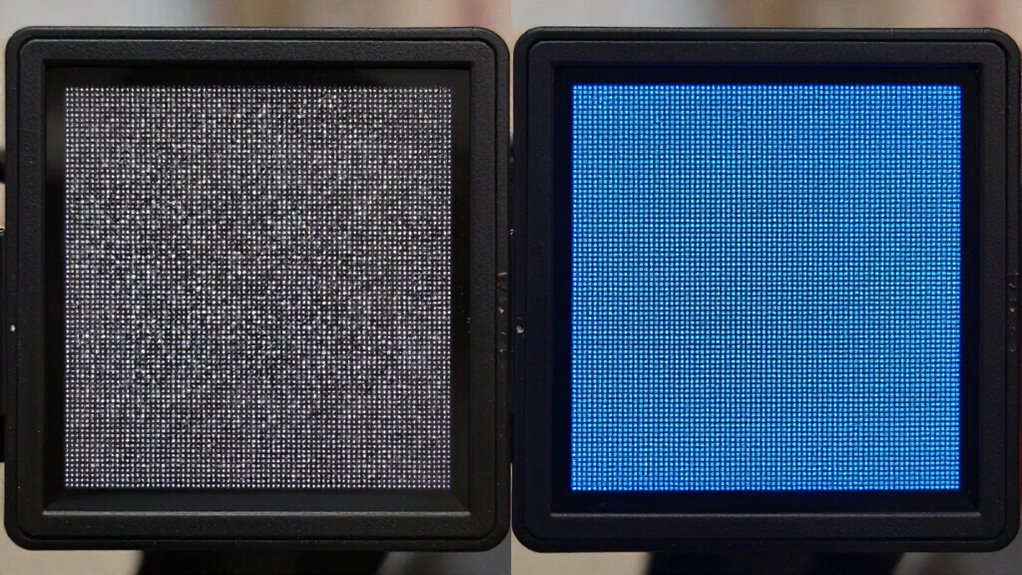
Bigger pixels don’t automatically guarantee better photos. While larger pixels can improve sensor sensitivity, allowing you to shoot better in low light, they don’t necessarily enhance overall image quality. Factors like noise reduction and color accuracy depend on more than just pixel size. A smaller pixel sensor with advanced technology can deliver sharper, more vibrant images with accurate colors, even in challenging conditions. Additionally, using wellness technology wisely can significantly enhance your photography experience, much like how advanced sensor technology can enhance image quality. Unique beetroot recipes for baby-led weaning showcase how innovative approaches can lead to better outcomes, much like how advanced sensor technology can enhance image quality. Additionally, understanding gear care tips can help you maintain your equipment for optimal performance. Bigger pixels might reduce noise, but they also limit resolution and detail, potentially making images less sharp when enlarged. Remember, a balance between pixel size, sensor quality, and processing capabilities influences the final photo. So, don’t assume that bigger pixels mean better photos—other elements play a pivotal role in achieving high-quality images. Additionally, just as in eco-friendly natural pools, the integration of advanced technology can significantly enhance overall performance and quality.

8K Digital Camera for Photography with WiFi 96MP Autofocus Vlogging Camera for YouTube Video 3.5'' 180°Flip Screen 20X Zoom Anti-Shake Compact Point and Shoot Cameras for Beginner Creator with SD Card
2026 Next-Gen 96MP 8K Digital Camera with Flash : Capture life’s most vibrant moments with this advanced 8K…
As an affiliate, we earn on qualifying purchases.
As an affiliate, we earn on qualifying purchases.
How Sensor Tech and Image Processing Impact Image Quality
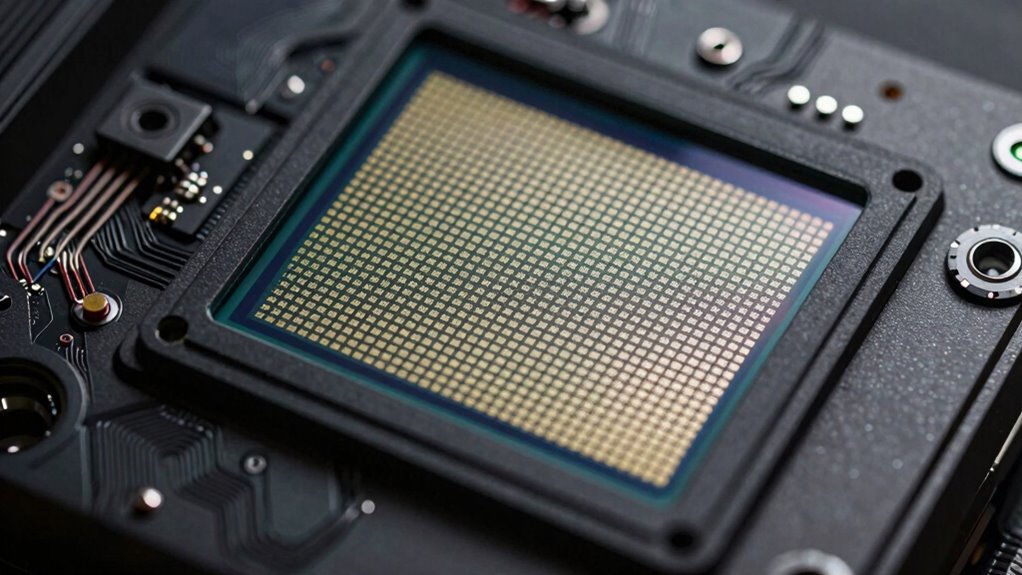
Sensor technology and image processing play a significant role in determining the final quality of your photos, often more so than pixel size alone. Modern sensors with advanced tech offer better sensor durability, ensuring longevity and consistent performance. Image processing algorithms enhance details, reduce noise, and improve color accuracy, making your photos sharper and more true-to-life. These improvements can outpace the benefits of larger pixels. For example, better processing can recover detail in low-light shots or correct auto-focus issues. Here’s a quick comparison:
| Feature | Impact on Image Quality |
|---|---|
| Sensor Durability | Long-lasting, reliable captures |
| Advanced Image Processing | Sharper, clearer images |
| Noise Reduction | Cleaner photos at high ISO |
| Dynamic Range | More detail in shadows/highlights |
| Color Accuracy | Vibrant, true-to-life colors |

Mic Wind Muff for Insta360-8Pcs Wind Muff for Insta360 X3 X4, Premium Wind Noise Reduction Cover for Crisp Audio, Easy Installation and Durable Design, Compatible X3 or X4 Camera
Crisp Audio Quality – Enhance the sound recording capabilities of Insta360 X3 or Insta360 X4 camera with this…
As an affiliate, we earn on qualifying purchases.
As an affiliate, we earn on qualifying purchases.
What to Look for When Evaluating Camera Performance Beyond Pixel Size
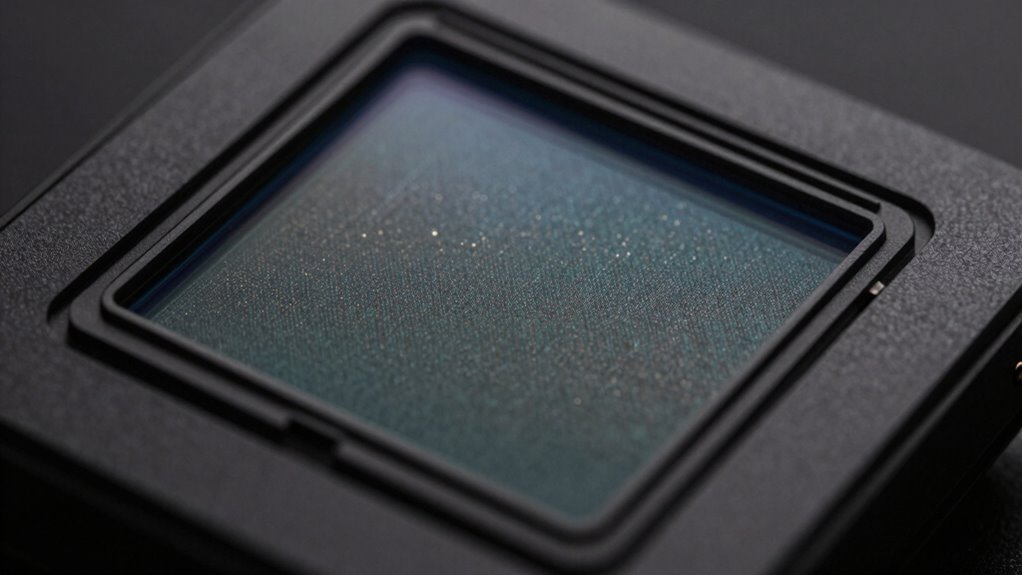
When evaluating camera performance, focusing solely on pixel size can be misleading, as many other factors substantially influence image quality. To truly assess a camera, consider these aspects:
- Sensor Noise: Lower sensor noise results in clearer images, especially in challenging conditions.
- Low Light Performance: Good low light capabilities mean your photos retain detail and color without excessive grain.
- Image Processing: Advanced algorithms enhance sharpness, reduce noise, and improve dynamic range.
- Lens Quality: Sharp, well-corrected lenses considerably impact overall image clarity and detail. Additionally, air systems can play a crucial role in maintaining optimal conditions for photography, especially in terms of humidity control.
Common Myths About Pixel Size and What Really Matters for Stunning Photos
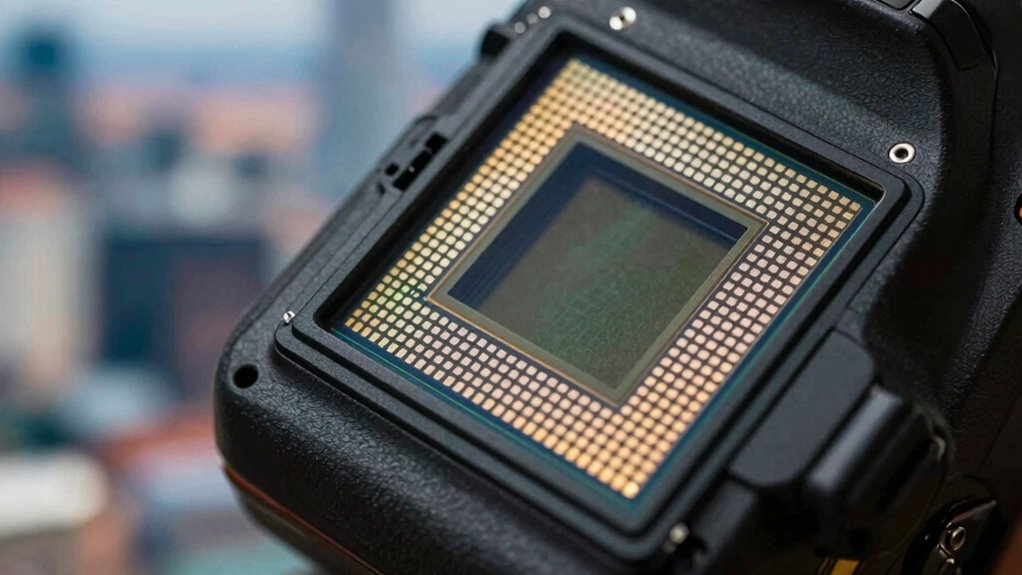
Many people believe that larger pixels automatically lead to better photos, but this is a common misconception. While bigger pixels can reduce sensor noise, they don’t guarantee sharper images or higher image resolution. Factors like lens quality and sensor technology play vital roles in overall photo quality. A camera with smaller pixels can still produce stunning images if it employs advanced noise reduction and processing techniques. Additionally, focusing solely on pixel size overlooks the importance of image resolution, which determines detail and clarity. Ultimately, a well-balanced sensor with optimized pixel size, good noise control, and high image resolution can deliver far better results than simply chasing larger pixels. It’s about the complete system, not just pixel size, that makes a real difference.
Frequently Asked Questions
How Does Pixel Size Affect Low-Light Photography Performance?
Larger pixels improve low-light photography performance by reducing sensor noise and increasing light sensitivity. When pixels are bigger, they gather more light, which helps produce clearer images in dim conditions. This means less grain and better detail. You’ll notice that larger pixel sizes make your photos brighter and sharper at night or in low-light scenes, giving you better overall quality without needing extra equipment or long exposures.
Can Smaller Pixels Deliver Comparable Image Quality in Real-World Scenarios?
Smaller pixels can deliver comparable image quality in real-world scenarios if your camera has advanced technology and good processing power. Think of it like a well-trained athlete; they can perform just as well in a game, even if their size is smaller. While sensor durability and battery efficiency might be slightly affected, modern sensors optimize these factors, ensuring your photos remain sharp and vibrant without sacrificing overall device performance or longevity.
What Role Does Lens Quality Play Alongside Pixel Size?
Lens quality plays a vital role alongside pixel size, affecting your overall image clarity and detail. A high-quality lens guarantees sharpness, accurate color, and minimal distortions, which complement the sensor’s capabilities. It also impacts sensor durability and lens compatibility, preventing damage and ensuring seamless integration. Even with smaller pixels, a premium lens can deliver impressive images, making your camera more versatile and dependable in various shooting conditions.
How Does Image Stabilization Influence Photo Sharpness Regardless of Pixel Size?
Think of image stabilization as your camera’s steady hand, much like a tightrope walker maintaining balance. It considerably boosts photo sharpness, regardless of pixel size, by reducing blur from handshake or movement. This stabilization enhances sensor sensitivity and image clarity, ensuring crisp, clear shots even in low light or challenging conditions. So, whether you’re using a small or large pixel sensor, stabilization keeps your images sharp and professional-looking.
Are There Specific Camera Types Where Pixel Size Is More Critical?
You’ll find pixel size more critical in cameras with smaller sensors, like smartphones or compact cameras, because their sensor technology relies heavily on larger pixels to gather light more effectively. In these devices, image processing depends on pixel size for sharpness and low-light performance. Larger pixels enhance data collection, improving overall image quality, especially in challenging conditions. So, understanding this helps you choose a camera that best suits your photography needs.
Conclusion
Remember, focusing solely on pixel size is like chasing a mirage—it won’t magically turn your photos into masterpieces. True photo quality depends on a perfect balance of sensor tech, image processing, and your skills. Don’t fall for the myth that bigger pixels always mean better photos. Instead, master the fundamentals and understand what really impacts image quality. Your camera’s potential is a treasure chest waiting to be opened—don’t let myths keep you from capturing the extraordinary.