Wide-field photography of the Sagittarius Star Cloud and Great Rift captures the stunning core of the Milky Way in a single shot. You’ll see vibrant nebulae, dense star clusters, and dark lanes of cosmic dust that create striking contrasts and intricate details. These images reveal star formation, evolving stellar nurseries, and the complex structure of our galaxy’s center. Keep exploring to uncover more about this breathtaking region and its cosmic significance.

Get school and study supplies delivered free — and shop member deals
- Fast, free delivery on millions of items
- Access to Prime Big Deal Days deals on October 6–7
- Prime Video, Amazon Music and more included
Key Takeaways
- Wide-field photography captures the expansive view of the Sagittarius Star Cloud and the dark lanes of the Great Rift.
- It reveals intricate nebulae, star clusters, and dust lanes within the galaxy’s core.
- The images showcase active star formation regions and cosmic nurseries in detail.
- The Great Rift appears as dark lanes that contrast with bright, newly formed stars.
- Such photos provide a comprehensive perspective on the galaxy’s structure and star birth processes.
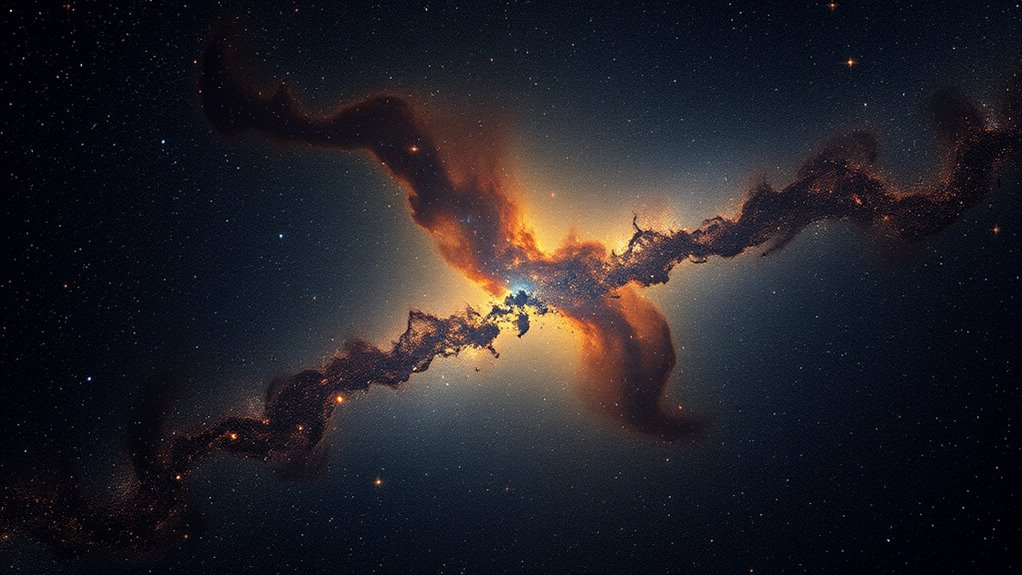
Wide-field photography offers a stunning view of the Sagittarius Star Cloud and the Great Rift, revealing the intricate beauty of our galaxy’s core. As you gaze through your camera lens, you’ll notice the dense cluster of stars in the Sagittarius region, illuminated by the glow of countless celestial nebulae. These nebulae are the cosmic nurseries where star formation occurs, shaping the future of our galaxy. When capturing these images, you’re not just photographing stars; you’re documenting the dynamic processes that forge new suns and planetary systems.
Wide-field shots capture the Sagittarius Star Cloud, nebulae, and the dynamic heart of our galaxy.
The Sagittarius constellation is rich with vibrant nebulae, each with unique structures and colors. These celestial nebulae are vast clouds of gas and dust, and they play an essential role in star formation. As gravity pulls material together within these clouds, regions collapse to form new stars, often accompanied by glowing emissions that make them visible to your camera. Your wide-field setup allows you to encompass these sprawling nebulae in a single shot, showcasing their complexity and scale. The interplay of light and shadow within these clouds highlights the ongoing birth of stars, making your photos a window into one of the universe’s most active stellar nurseries.
By focusing on the Sagittarius area, you capture not only the celestial nebulae but also the dense star fields and dark lanes of the Great Rift. The Rift is a dark, obscuring band of cosmic dust that appears to divide the Milky Way’s core, adding depth and contrast to your images. As you observe and photograph, you’ll notice that the dust lanes are remnants of ancient molecular clouds, remnants of star-forming material that has yet to ignite. These dark lanes create a dramatic backdrop against the bright, newly formed stars, emphasizing the cyclical nature of star birth and death in our galaxy.
Your wide-field images will reveal the intricate relationship between the nebulae, star formation, and the dense stellar environment of the galactic core. This perspective offers a sense of scale and motion that narrow-field images can’t provide. It also underscores the significance of celestial nebulae as cosmic cradles, where gravity and gas collaborate to create new stars. Understanding the field of view and imaging scale helps in capturing these expansive regions effectively. When you capture these views, you’re not just creating beautiful pictures—you’re chronicling the ongoing evolution of our galaxy, a symbol of the universe’s endless capacity for renewal.
wide field astrophotography camera
As an affiliate, we earn on qualifying purchases.
As an affiliate, we earn on qualifying purchases.
Frequently Asked Questions
What Equipment Is Ideal for Wide-Field Astrophotography?
For wide-field astrophotography, you need a fast, wide-angle lens with a large aperture, like f/2.8 or faster, to capture enough light. Select a sturdy tripod to guarantee stability during long exposures, preventing blurring. Use a remote shutter release or timer to minimize vibrations. Combining quality lens selection with tripod stability lets you capture stunning images of star clouds and the Milky Way with sharp detail and minimal noise.
How Do Weather Conditions Affect Astrophotography of the Milky Way?
Weather can make or break your astrophotography session, like trying to capture a clear image through a foggy window. Cloud cover blocks the view of the Milky Way, while high humidity levels can cause haze and dew on your equipment. On a clear, dry night, your shots will be crisp and vibrant. Always check weather forecasts before heading out, and aim for nights with minimal clouds and low humidity for the best results.
What Are Common Challenges When Photographing the Sagittarius Star Cloud?
When photographing the Sagittarius Star Cloud, you often face challenges like lens distortion, which can warp star shapes and reduce image clarity. Light pollution from nearby cities also dims the stars and obscures details, making it hard to capture the cloud’s full beauty. To overcome these issues, use a good quality lens, shoot in dark skies, and apply post-processing to correct distortions and reduce light pollution effects.
How Can I Enhance Depth and Color in Astrophotography Images?
To enhance depth and color in your astrophotography, you need to hit two birds with one stone. Start with proper color calibration to guarantee accurate hues, then use exposure stacking to boost detail and contrast. This combo helps your images pop with richness and dimension, bringing out the vibrant tapestry of the night sky. Don’t be afraid to experiment with different settings—sometimes, the smallest tweak makes the biggest difference.
Are There Specific Times of Year Best for Capturing the Great Rift?
You should aim for seasonal viewing during late spring to early fall when the Great Rift is most visible in the night sky. Clear, moonless nights enhance your chances, so plan around new moon phases for minimal light pollution. Avoid full moons, as their brightness washes out the faint details of the Rift. By choosing ideal seasons and moon phases, you’ll capture sharper, more vibrant images of this stunning celestial feature.
celestial telescope for star photography
As an affiliate, we earn on qualifying purchases.
As an affiliate, we earn on qualifying purchases.
Conclusion
Your wide-field shot captures the stunning Sagittarius Star Cloud, which spans over 4 degrees across the sky—about eight times the size of the full Moon. This impressive size means you’re viewing a massive, dense region of our galaxy filled with billions of stars. Such breathtaking scale highlights how vast and intricate our universe is, reminding you that even in a single photograph, you’re witnessing a tiny part of an extraordinary cosmic landscape.
star tracker mount for astrophotography
As an affiliate, we earn on qualifying purchases.
As an affiliate, we earn on qualifying purchases.
astrophotography lens for Milky Way
As an affiliate, we earn on qualifying purchases.
As an affiliate, we earn on qualifying purchases.
Evergreen bestsellers Picks
bestsellers
As an affiliate, we earn on qualifying purchases.