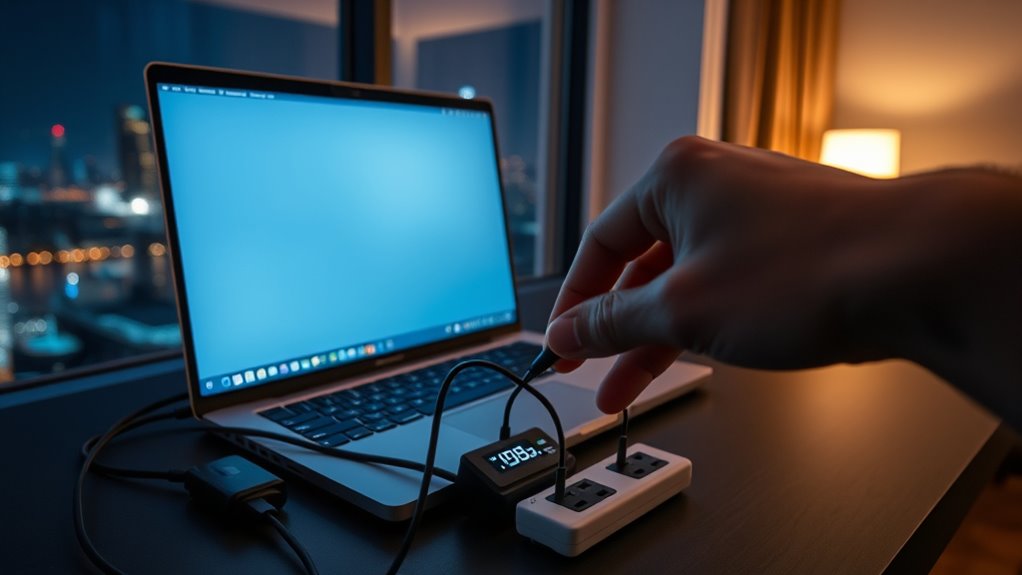

To avoid power issues during all-night sessions, don’t underestimate your equipment’s actual power needs or ignore startup surges that draw extra current. Always select batteries or power supplies with more capacity than your calculations require, and plan for safety margins. Use proper power distribution with organized cabling to prevent hazards, and include backup power sources to keep everything running smoothly. Keep these tips in mind, and you’ll be prepared for any surprises that come your way.
Key Takeaways
- Accurately measure actual power consumption of all equipment, including surge and startup loads.
- Include surge power and startup in your calculations to prevent overloads.
- Choose batteries and power supplies with sufficient capacity for continuous, reliable operation.
- Implement proper cable management and power distribution to avoid overloads and hazards.
- Incorporate safety margins and backup power solutions to handle unforeseen demands and outages.

Proshopping 150A RC Watt Meter, High Precision Power Analyzer, DC 0-60V Volt Amp Watt Checker Tester, with Digital LCD Screen- for Voltage(V) Current(A) Power(W) Charge(Ah) and Energy(Wh) Measurement
- 8-in-1 Power Analyzer: Real-time voltage, current, power, and more
- Universal Battery Monitor: Supports 0-150A, 7V-60V input range
- High Precision Measurements: Accurate to 0.01A, 0.01V, 0.1W, 0.001Ah
As an affiliate, we earn on qualifying purchases.
As an affiliate, we earn on qualifying purchases.
Underestimating Power Consumption of Equipment

One common mistake in power budgeting is underestimating the actual power consumption of equipment. To avoid this, you need to contemplate equipment efficiency and how it impacts power use. Relying solely on manufacturer ratings can lead to inaccuracies, as real-world conditions often cause equipment to draw more power. Using proper power measurement techniques, such as clamp meters or power analyzers, helps you get precise readings. These methods provide real-time data on energy use, revealing hidden inefficiencies. Additionally, understanding how automation technology impacts power consumption can help you optimize your power budget effectively. By accurately measuring equipment’s power consumption, you can create a more reliable power budget. This prevents shortfalls during critical sessions and ensures you’re not caught off guard by unexpected energy demands. Ultimately, precise measurement and understanding equipment efficiency are essential for effective, realistic power planning.
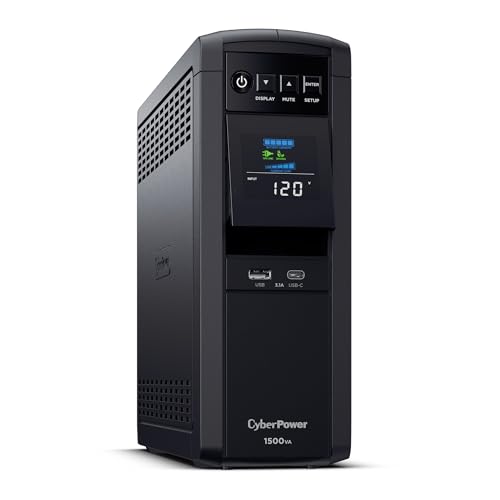
CyberPower CP1500PFCLCD PFC Sinewave UPS Battery Backup and Surge Protector, 1500VA/1000W, 12 Outlets, AVR, Mini Tower, UL Certified
- Power Capacity: 1500VA/1000W PFC sine wave UPS
- Number of Outlets: 12 outlets with surge protection
- Outlet Types: Six battery backup, six surge protected
As an affiliate, we earn on qualifying purchases.
As an affiliate, we earn on qualifying purchases.
Ignoring Surge Power and Startup Loads

Ignoring surge power and startup loads can lead to serious gaps in your power budget because many devices draw considerably more current when they first turn on. Surge power, also known as inrush current, occurs during startup and can be two to five times higher than normal operating power. If you don’t account for these startup loads, your power supply may fall short, causing equipment to shut down unexpectedly or malfunction. For example, amplifiers, projectors, or refrigeration units often have significant surge power. Failing to include this extra load results in an underestimated power requirement, risking power failure during your all-night session. Always add a buffer for surge power to ensure your system can handle startup loads safely and reliably. Additionally, understanding the importance of sleep and mental health can help you maintain focus and troubleshoot issues effectively during long sessions.

Anker Power Strip with 2100J Surge Protector, Outlet Extender, 20W, 12 AC
- Power Outlets: 12 AC outlets for multiple devices
- USB Ports: 1 USB-C and 2 USB-A ports
- Fast Charging: 20W USB-C port for quick iPhone charging
As an affiliate, we earn on qualifying purchases.
As an affiliate, we earn on qualifying purchases.
Using Inadequate Battery or Power Supply Capacity

Using an undersized battery or power supply can cause your system to run out of power unexpectedly, leading to shutdowns or equipment damage. If your battery capacity isn’t sufficient, you’ll risk interruptions during your all-night session. To prevent this, consider these key points:
- Overestimating Power Needs: Always choose a power supply with higher capacity than your estimated load to accommodate surges.
- Ignoring Peak Loads: Make sure your battery capacity accounts for startup and surge power requirements, not just steady-state consumption.
- Neglecting Future Expansion: If you add gear later, your current power supply might fall short, so plan for potential growth.
- Understanding Power Management: Proper power management techniques help optimize your system’s efficiency and longevity.
Using the right battery capacity and power supply guarantees continuous operation and protects your equipment from damage.
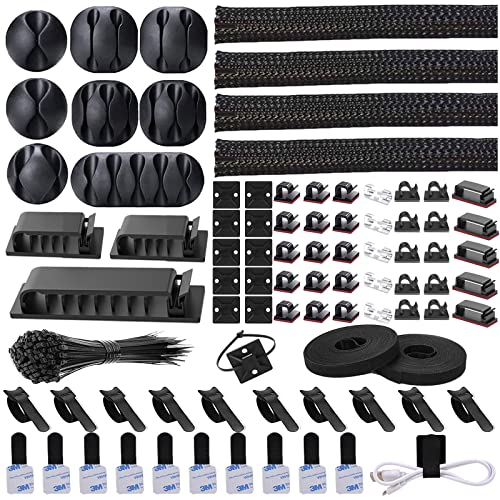
N NOROCME 192 PCS Cable Management Kit 4 Wire Organizer Sleeve
- Complete Cable Management Kit: Includes sleeves, ties, clips, and mounts
- Variety of Cable Clips: Six types, 46 eco-friendly clips in two colors
- Durable Materials: Sturdy, high-quality components for long-lasting use
As an affiliate, we earn on qualifying purchases.
As an affiliate, we earn on qualifying purchases.
Overlooking Proper Power Distribution and Cabling
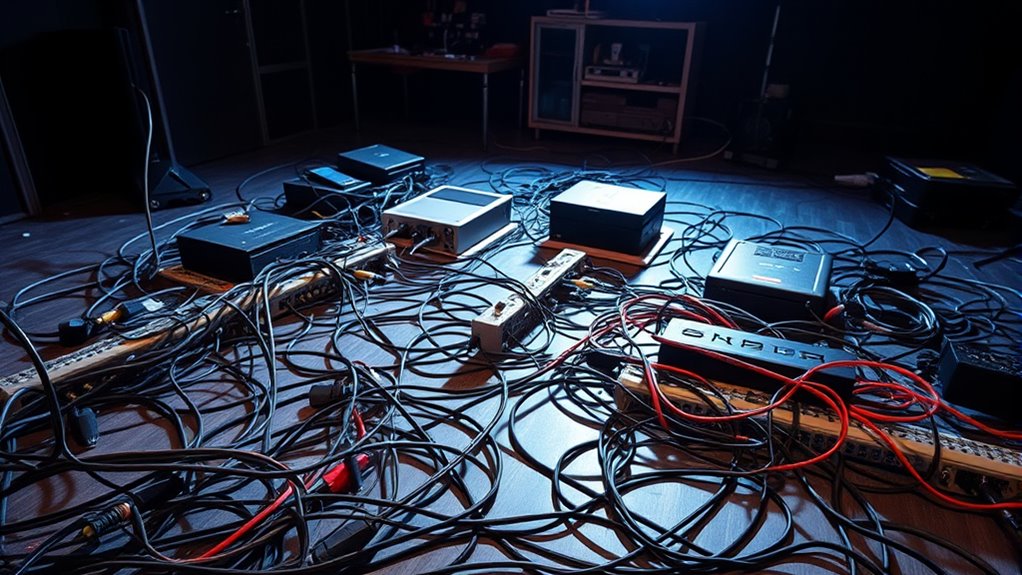
When setting up your power system, proper distribution and cabling guarantee that electricity flows smoothly to all components. Neglecting cable management can lead to tangled cords, tripping hazards, and disrupted connections. Carefully plan power strip placement to avoid overloading outlets and ensure easy access. Use a structured approach to distribute power evenly across your setup. Here’s a quick guide to optimize your power distribution:
| Component | Power Source | Notes |
|---|---|---|
| Main Power Strip | Central location | Avoid clutter and overload |
| Extension Cords | Peripheral devices | Use rated cords for safety |
| Rack-mounted PDU | Server/Equipment | Keep neat and accessible |
| Surge Protectors | Sensitive gear | Protect against surges |
| Cable Organizers | All cables | Prevent tangling and damage |
Effective cable management and strategic power strip placement keep your all-night session running smoothly.
Neglecting Safety Margins and Backup Power Options
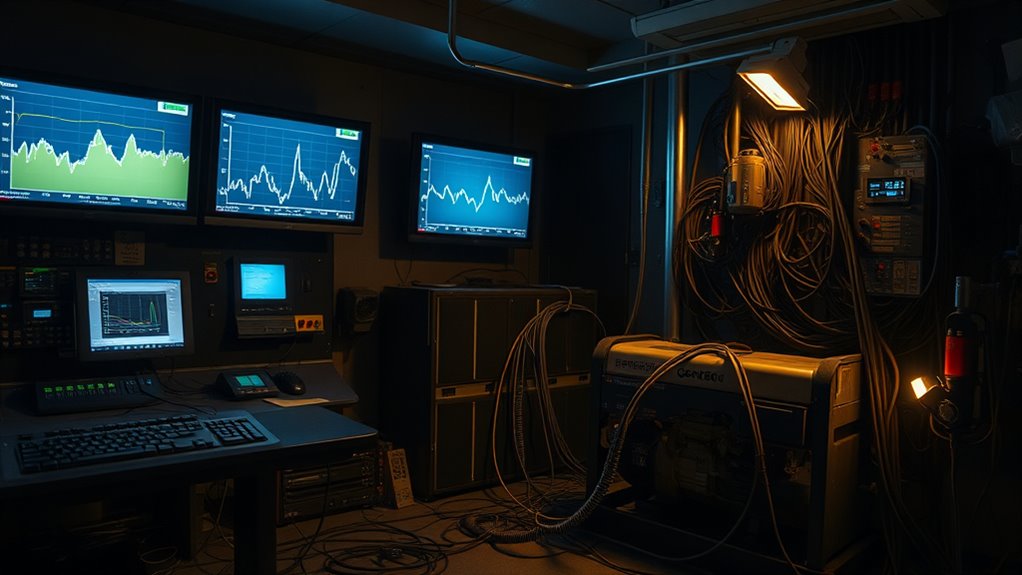
Failing to include adequate safety margins and backup power options can leave your system vulnerable to unexpected outages and damage. Proper safety planning guarantees your equipment stays protected, even under unforeseen circumstances. Without backup strategies, a power failure could ruin your entire session. To avoid this, consider these essential steps: 1. Allocate at least a 20-30% safety margin above your estimated power needs. 2. Invest in backup power sources like UPS units or generators for critical equipment. 3. Regularly test your backup systems to confirm they work when needed. Additionally, understanding power management best practices can help prevent potential failures and ensure continuous operation.
Frequently Asked Questions
How Can I Accurately Measure Real-Time Power Usage During Long Sessions?
You should use a reliable power monitor that provides real-time data to accurately measure power usage during long sessions. Connect the monitor to your equipment, ensuring it’s properly calibrated. Keep an eye on the real-time data displayed, allowing you to track fluctuations and identify power drains. Regularly review this information to adjust your setup as needed, ensuring your power budget stays balanced throughout the entire session.
What Are the Best Practices for Managing Power Surges and Spikes?
Prepare for power peaks by practicing proper protection. Use reliable surge protection devices to shield your setup from sudden spikes, and focus on voltage regulation to keep power consistent. Regularly check connections and avoid overloading circuits. By prioritizing these practices, you prevent potential damage, maintain stability, and guarantee your long session runs smoothly without interruptions caused by unexpected surges or spikes.
How Do I Select the Right Battery Capacity for Extended Events?
To select the right battery capacity for extended events, start with accurate battery life estimation based on your equipment’s power consumption. Use capacity calculation to determine how much energy you’ll need for the entire session, factoring in runtime and safety margins. Choose a battery with slightly higher capacity than your calculation suggests to guarantee reliable power, accounting for efficiency losses and unforeseen power demands during your event.
What Are Common Mistakes in Wiring That Can Cause Power Failures?
You might trip over wiring errors that cause power failures, like tangled vines choking your setup. Common mistakes include neglecting grounding issues, which can create dangerous sparks, and overloading circuits, like a dam bursting under pressure. Always double-check connections, guarantee proper grounding, and don’t overload circuits. Clear, organized wiring keeps the current flowing smoothly, preventing unexpected outages and keeping your event powered up all night long.
How Should I Plan for Unexpected Power Outages During a Session?
To prepare for unexpected power outages during a session, you should implement emergency backups like generators or uninterruptible power supplies (UPS). Make sure to have a solid contingency plan that includes quick access to backup equipment and clear procedures for switching power sources. Regularly test your backup systems to guarantee they’re functional, and keep spare batteries or fuel on hand, so you’re ready to maintain your session seamlessly.
Conclusion
By avoiding these five mistakes, you guarantee your all-night sessions run smoothly without interruptions. For example, I once overlooked surge power needs, causing equipment shutdowns midway through a concert. By properly estimating power loads, including surge capacity, and planning backup options, you’ll keep everything running seamlessly. Remember, thorough planning and safety margins aren’t just best practices—they’re essential for a successful, uninterrupted event. Don’t let power issues ruin your night—prepare wisely!