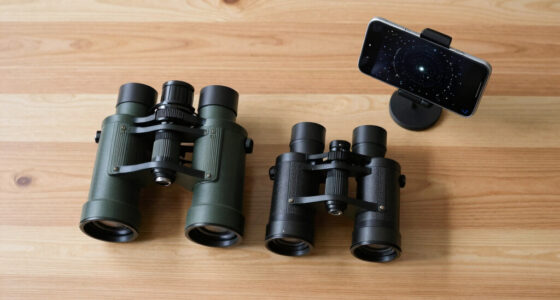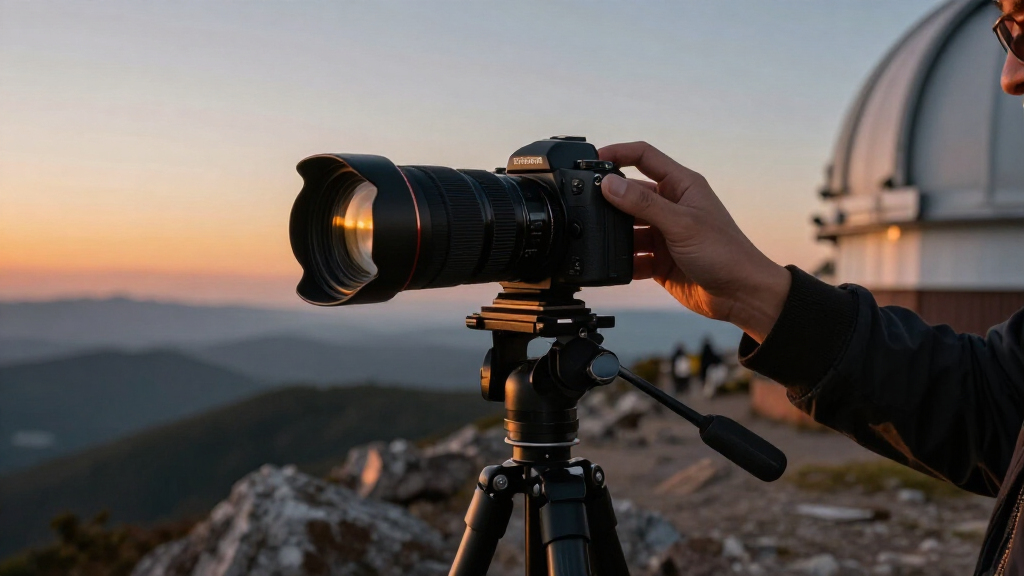

The best astrophotography camera lenses combine a wide view with a bright aperture, but the right choice depends on your camera mount, sensor size, and preferred subjects. My best overall pick is the Sony FE 20mm F1.8 G, a strong balance of light gathering and practical wide-angle framing. The Canon RF 14mm f/1.4L VCM stands out for Canon RF shooters who want an especially bright, expansive view, while the Sigma 16mm f/1.4 DC DN gives Sony APS-C users a bright prime option. The tradeoffs are clear: faster primes gather more light but offer fixed framing, while zooms add flexibility but can be slower or less suited to faint stars. Read on for the full breakdown, including how these lenses compare and which one fits your setup.

Prime made for students and young adults
- Fast, free delivery for dorm and study essentials
- Prime Video and Amazon Music included
- Member-only deals
Key Takeaways
- The Sony FE 20mm F1.8 G is the most balanced full-frame pick: its bright aperture and wide-but-manageable view suit a range of night-sky compositions.
- Maximum brightness and maximum width are different priorities. The Canon RF 14mm f/1.4L VCM pairs a very wide view with a fast aperture, while several 14mm f/2.8 options trade light gathering for a more modest lens design.
- Sensor size changes how a focal length frames the sky. The Sigma 16mm f/1.4 and Tamron 11-20mm f/2.8 are APS-C options, so their framing differs from full-frame lenses at similar focal lengths.
- Prime lenses lead the shortlist for low-light work. The bright Sony 20mm, Sigma 16mm, Samyang 24mm, and Viltrox 16mm offer more direct choices for fixed-frame night-sky shooting than the all-in-one zooms.
- Mount compatibility narrows the choice before specs do. This lineup spans Canon EF and RF, Nikon F and Z, and Sony E, so buyers should confirm both mount and sensor coverage before comparing focal lengths.
| YONGNUO YN35mm F2N 35mm f/2 Autofocus Prime Lens for Nikon DSLR Cameras |  | Best Nikon DSLR Option for Wider Night-Sky Scenes | Focal length: 35mm | Maximum aperture: f/2 | Lens type: Wide-angle prime | VIEW LATEST PRICE | See Our Full Breakdown |
| Canon RF 14mm f/1.4L VCM Lens Bundle |  | Best Premium Canon RF Astrophotography Pick | Focal length: 14mm | Maximum aperture: f/1.4 | Lens type: Ultra-wide prime | VIEW LATEST PRICE | See Our Full Breakdown |
| Tamron 28-200mm f/2.8-5.6 Di III RXD All-in-One Zoom Lens for Sony E-Mount |  | Best One-Lens Travel Companion | Focal length: 28–200mm | Maximum aperture: f/2.8–5.6 | Minimum aperture: f/32 | VIEW LATEST PRICE | See Our Full Breakdown |
| Samyang SY14M 14mm f/2.8 Ultra Wide-Angle Lens for Canon EF |  | Best Manual-Focus Value for Wide Sky Frames | Focal length: 14mm | Maximum aperture: f/2.8 | Angle of view: 115.7 degrees | VIEW LATEST PRICE | See Our Full Breakdown |
| Tamron 11-20mm f/2.8 Di III-A RXD Ultra-Wide Zoom Lens for Sony E APS-C Cameras with Filter and Cleaning Kit |  | Best APS-C Ultra-Wide Zoom for Framing Flexibility | Focal length: 11–20mm | Maximum aperture: f/2.8 constant | Full-frame equivalent focal length: 16.5–30mm | VIEW LATEST PRICE | See Our Full Breakdown |
| Sigma 16mm f/1.4 DC DN Contemporary Lens for Sony E |  | Best for Fast Night-Sky Shooting | Focal length: 16mm | Maximum aperture: f/1.4 | Minimum aperture: f/16 | VIEW LATEST PRICE | See Our Full Breakdown |
| VILTROX AF 16mm f/1.8 Full-Frame Wide-Angle Lens for Nikon Z |  | Best Nikon Z Wide-Field Prime | Focal length: 16mm | Maximum aperture: f/1.8 | Minimum aperture: f/22 | VIEW LATEST PRICE | See Our Full Breakdown |
| Sony FE 20mm F1.8 G Full-Frame Ultra-Wide Prime Lens |  | Best Lightweight Full-Frame Prime | Focal length: 20mm | Maximum aperture: f/1.8 | Minimum aperture: f/22 | VIEW LATEST PRICE | See Our Full Breakdown |
| Rokinon 14mm f/2.8 Ultra-Wide-Angle Lens for Canon EF |  | Best Manual-Focus Ultra-Wide | Focal length: 14mm | Maximum aperture: f/2.8 | Mount: Canon EF | VIEW LATEST PRICE | See Our Full Breakdown |
| Tamron 16-30mm f/2.8 Di III VXD G2 Lens for Sony E-Mount with Deco Gear Accessory Kit |  | Best Astrophotography Zoom | Focal length: 16–30mm | Maximum aperture: Constant f/2.8 | Mount: Sony E-mount | VIEW LATEST PRICE | See Our Full Breakdown |
| Samyang 24mm F1.8 AF Full-Frame Lens for Sony E-Mount |  | Best Compact Astrophotography Prime | Focal length: 24mm | Maximum aperture: F1.8 | Minimum aperture: F22 | VIEW LATEST PRICE | See Our Full Breakdown |
| astrophotography camera lense | Focal length | Maximum aperture | Weight | Minimum aperture |
|---|---|---|---|---|
| YONGNUO YN35mm F2N 35mm f/2 Au | 35mm | f/2 | 318 g | — |
| Canon RF 14mm f/1.4L VCM Lens | 14mm | f/1.4 | — | — |
| Tamron 28-200mm f/2.8-5.6 Di I | 28–200mm | f/2.8–5.6 | 20.3 oz. | f/32 |
| Samyang SY14M 14mm f/2.8 Ultra | 14mm | f/2.8 | — | f/22 |
| Tamron 11-20mm f/2.8 Di III-A | 11–20mm | f/2.8 constant | — | — |
| Sigma 16mm f/1.4 DC DN Contemp | 16mm | f/1.4 | 14.3 ounces | f/16 |
| VILTROX AF 16mm f/1.8 Full-Fra | 16mm | f/1.8 | 550 g | f/22 |
| Sony FE 20mm F1.8 G Full-Frame | 20mm | f/1.8 | 13.2 ounces | f/22 |
| Rokinon 14mm f/2.8 Ultra-Wide- | 14mm | f/2.8 | 31.7 ounces (900 g) | — |
| Tamron 16-30mm f/2.8 Di III VX | 16–30mm | Constant f/2.8 | — | — |
| Samyang 24mm F1.8 AF Full-Fram | 24mm | F1.8 | 8.1 oz | F22 |
More Details on Our Top Picks
YONGNUO YN35mm F2N 35mm f/2 Autofocus Prime Lens for Nikon DSLR Cameras
The 35mm focal length gives Nikon DSLR owners a natural-looking view that can include a broad stretch of sky while keeping foreground elements prominent. Its f/2 maximum aperture gathers more light than the Samyang SY14M 14mm f/2.8, though the Samyang captures a much wider vista—better for sweeping Milky Way compositions. Autofocus and Live View support make daytime framing and general use less demanding, while manual focus remains available for setting stars at night. This is a practical dual-purpose prime rather than a specialist ultra-wide astrophotography lens. The tradeoffs are its fixed focal length and Nikon F-mount limitation; buyers who want a broader sky view or use another camera system should look elsewhere.
Pros:- f/2 maximum aperture supports low-light shooting.
- Autofocus, manual focus, and Live View focusing offer flexible operation.
- Works with full-frame and APS-C Nikon cameras.
- USB firmware upgrade support can help with lens updates.
Cons:- A 35mm field of view is narrower than the Samyang SY14M 14mm for broad sky compositions.
- Fixed focal length provides no framing flexibility without moving the camera.
- Nikon F-mount compatibility limits use with other camera systems.
Best for: Nikon F-mount DSLR owners who want one relatively bright 35mm prime for night-sky scenes, travel, and everyday photography.
Not ideal for: Astrophotographers seeking an expansive ultra-wide Milky Way frame or mirrorless users without a compatible Nikon F-mount setup.
- Focal length:35mm
- Maximum aperture:f/2
- Lens type:Wide-angle prime
- Lens mount:Nikon F
- Focus:Autofocus and manual focus
- Camera formats:Full-frame and APS-C
- Weight:318 g
Our verdict“Choose this for a bright, general-purpose Nikon DSLR prime, but pick an ultra-wide lens if capturing as much sky as possible is the priority.”
Canon RF 14mm f/1.4L VCM Lens Bundle
For Canon RF shooters prioritizing light gathering and a very broad sky view, this 14mm f/1.4L prime is the most ambitious option in this group. Its f/1.4 aperture is brighter than the Samyang SY14M 14mm f/2.8, giving it an advantage when shorter exposures or lower ISO are preferred. The ultra-wide view also suits large Milky Way scenes, while weather-sealed construction and quiet autofocus add appeal for hybrid stills and video work. Compared with the Tamron 11-20mm f/2.8, it gives up zoom flexibility for a brighter aperture and a dedicated 14mm perspective. That specialization, along with its stated 2-pound weight, makes it less appealing for lightweight travel. The listing also has conflicting accessory details, so bundle contents need careful verification.
Pros:- Bright f/1.4 aperture is well suited to low-light sky photography.
- 14mm focal length captures a broad field of view.
- Weather-sealed L-series construction supports demanding outdoor use.
- Quiet autofocus and a de-clickable aperture ring suit video as well as still photography.
Cons:- A fixed 14mm focal length offers less framing flexibility than the Tamron 11-20mm zoom.
- Listed 2-pound weight may be burdensome for compact travel setups.
- Product listing contains conflicting accessory details.
Best for: Canon RF photographers seeking a fast, professional-grade ultra-wide prime for night skies and low-light landscapes.
Not ideal for: Travelers who want a lighter, flexible zoom, or buyers who need certainty about included bundle accessories before ordering.
- Focal length:14mm
- Maximum aperture:f/1.4
- Lens type:Ultra-wide prime
- Lens mount:Canon RF
- Minimum focusing distance:9.4 inches
- Autofocus motors:Dual Nano USM and Voice Coil Motor
- Item weight:2 pounds
Our verdict“Pick this premium prime if Canon RF compatibility, a very wide view, and f/1.4 light gathering matter more than weight and zoom flexibility.”
Tamron 28-200mm f/2.8-5.6 Di III RXD All-in-One Zoom Lens for Sony E-Mount
The Tamron 28-200mm is the versatility pick, not the strongest dedicated astrophotography lens here. Its wide end reaches f/2.8, but the 28mm starting point is less expansive than the Samyang SY14M 14mm or the Tamron 11-20mm, both of which better suit sweeping sky-and-landscape compositions. The payoff is a broad range for daytime travel, wildlife, and distant subjects without swapping lenses. At longer focal lengths, the maximum aperture narrows to f/5.6, making it a less compelling choice for dim night skies and limiting its usefulness for faint stars. Quiet autofocus and a compact-for-its-range design make it a convenient all-rounder, but the product details do not specify optical stabilization. Choose it when one lens must cover many subjects; skip it if night-sky performance is the main goal.
Pros:- 28-200mm range covers wide-angle through telephoto framing.
- f/2.8 maximum aperture is available at the wide end.
- RXD autofocus is designed for quiet operation.
- Moisture-resistant construction and fluorine coating suit travel use.
Cons:- The 28mm wide end is less expansive for sky scenes than the Samyang SY14M 14mm.
- Maximum aperture narrows to f/5.6 at longer focal lengths.
- Product details do not specify optical image stabilization.
Best for: Sony E-mount travelers who want one lens for daytime landscapes, distant subjects, and occasional wide-end night-sky photography.
Not ideal for: Dedicated astrophotographers who need an ultra-wide view or a bright aperture across the focal range.
- Focal length:28–200mm
- Maximum aperture:f/2.8–5.6
- Minimum aperture:f/32
- Camera mount:Sony E
- Zoom ratio:7.14:1
- Filter size:67mm
- Weight:20.3 oz.
Our verdict“Choose this if travel flexibility matters more than specialized night-sky performance; dedicated Milky Way shooters should favor a wider, brighter lens.”
Samyang SY14M 14mm f/2.8 Ultra Wide-Angle Lens for Canon EF
This Samyang is a straightforward way for Canon EF users to get a 14mm ultra-wide view for Milky Way and night-landscape compositions. Its 115.7-degree angle of view takes in more sky than the YONGNUO YN35mm F2N, making it better suited to large celestial scenes with foreground context. The f/2.8 aperture is useful for night work, though it cannot gather light as quickly as the Canon RF 14mm f/1.4L. Manual focus is a natural fit for careful star focusing, but it rules out autofocus for other subjects and requires a deliberate setup. Multi-coated optics are designed to reduce flare and aberrations, yet this lens lacks image stabilization and water resistance. It makes sense for photographers who accept hands-on focusing in exchange for an ultra-wide prime, not for those seeking a weather-ready, automated lens.
Pros:- 14mm focal length and 115.7-degree angle of view suit broad sky compositions.
- f/2.8 maximum aperture supports low-light photography.
- Multi-layer coating is designed to reduce flare and optical aberrations.
- Minimum focusing distance of 10.8 inches allows close foreground elements.
Cons:- Manual focus only, unlike the autofocus YONGNUO YN35mm F2N.
- No image stabilization.
- Not water resistant, limiting confidence in wet outdoor conditions.
Best for: Canon EF DSLR owners comfortable with manual focus who want an ultra-wide prime for Milky Way landscapes and night-sky scenes.
Not ideal for: Photographers who rely on autofocus, need weather resistance, or want the brighter f/1.4 aperture of the Canon RF 14mm.
- Focal length:14mm
- Maximum aperture:f/2.8
- Angle of view:115.7 degrees
- Lens mount:Canon EF
- Focus type:Manual focus
- Minimum aperture:f/22
- Minimum focusing distance:10.8 inches (28 cm)
Our verdict“Choose this for a wide Canon EF night-sky setup if manual focusing is acceptable and f/2.8 is sufficient for your shooting approach.”
Tamron 11-20mm f/2.8 Di III-A RXD Ultra-Wide Zoom Lens for Sony E APS-C Cameras with Filter and Cleaning Kit
For Sony E APS-C owners, this lens pairs an 11-20mm range with a constant f/2.8 aperture, making it the most adaptable dedicated wide-angle option in this set. The 11mm end gives a broader view than the fixed 14mm Samyang SY14M, while zooming toward 20mm lets photographers tighten the composition without changing lenses. Because the aperture stays at f/2.8 throughout the zoom, exposure does not change as framing shifts—useful for night landscapes and video. RXD autofocus is designed to operate quietly, and moisture resistance adds some practical protection outdoors. Its APS-C-only design excludes full-frame Sony E cameras, and the specialized wide range cannot replace an all-purpose lens like the Tamron 28-200mm. Choose it for wide scenes, not general-purpose reach.
Pros:- 11-20mm zoom offers more framing flexibility than the fixed Samyang SY14M 14mm.
- Constant f/2.8 aperture keeps exposure consistent across the zoom range.
- RXD autofocus is designed for fast, quiet focusing.
- Moisture-resistant build and included filter and cleaning accessories support outdoor use.
Cons:- Designed for Sony E APS-C cameras rather than full-frame bodies.
- Specialized wide-angle range does not cover normal or telephoto subjects.
- f/2.8 is less light-gathering than the Canon RF 14mm f/1.4L.
Best for: Sony E APS-C photographers who want a constant-aperture ultra-wide zoom for night landscapes, travel scenes, and video.
Not ideal for: Full-frame Sony E users or buyers who need a general-purpose lens with normal and telephoto focal lengths.
- Focal length:11–20mm
- Maximum aperture:f/2.8 constant
- Full-frame equivalent focal length:16.5–30mm
- Lens mount:Sony E
- Camera format:APS-C mirrorless
- Minimum focus distance:5.9 inches
- Lens coating:BBAR-G2
- Water resistance:Moisture resistant
Our verdict“Pick this for Sony APS-C night landscapes when you want ultra-wide framing flexibility without giving up a constant f/2.8 aperture.”
Sigma 16mm f/1.4 DC DN Contemporary Lens for Sony E
The f/1.4 aperture is this lens’s main astrophotography advantage: it gathers more light than the Tamron 16-30mm f/2.8, giving Sony E-mount APS-C shooters more latitude to keep exposures shorter or ISO lower. Its 16mm focal length suits broad sky scenes, especially when you want foreground landscape in the frame. The compact, dust- and splash-proof design is practical for outdoor sessions, while autofocus is available for daytime and video work. Compared with the full-frame Sony FE 20mm F1.8 G, this Sigma is wider and brighter but is designed for APS-C cameras rather than full-frame coverage. The tradeoffs are a fixed field of view and Sony E-only compatibility; it also lacks stabilization, which matters more for handheld work than for tripod-mounted stars.
Pros:- Bright f/1.4 maximum aperture supports shorter exposures in low light.
- 16mm wide-angle view works well for sky-and-landscape compositions.
- Dust- and splash-proof construction suits outdoor shooting.
- Stepping motor provides autofocus and smooth focus changes for video.
Cons:- Designed for Sony E-mount APS-C cameras, limiting its use across camera systems and sensor formats.
- Fixed focal length offers no framing flexibility compared with the Tamron 16-30mm f/2.8.
- No image stabilization for handheld scenes.
Best for: Sony E-mount APS-C photographers who prioritize a bright aperture for wide-field night skies and also want one lens for daytime landscapes.
Not ideal for: Full-frame Sony users seeking full-frame coverage, or astrophotographers who need zoom flexibility to reframe without moving the camera.
- Focal length:16mm
- Maximum aperture:f/1.4
- Minimum aperture:f/16
- Mount:Sony E
- Angle of view:83.2 degrees
- Autofocus:Yes; stepping motor
- Minimum focusing distance:9.8 inches
- Weight:14.3 ounces
Our verdict“Choose the Sigma if you shoot wide-field night skies on a Sony E-mount APS-C body and want a particularly bright prime.”
VILTROX AF 16mm f/1.8 Full-Frame Wide-Angle Lens for Nikon Z
For Nikon Z astrophotographers who want a very broad view, the VILTROX combines a 16mm focal length with a 105.6-degree angle of view and a bright f/1.8 aperture. That makes it a strong fit for expansive sky-and-foreground compositions, while its full-frame design gives it a different audience from the Sigma 16mm f/1.4, which is intended for Sony E-mount APS-C cameras. The built-in LCD and click/stepless aperture ring add hands-on control, though those features matter less when settings are already established for a fixed tripod shot. STM autofocus supports general photography and video, but critical star focus will still call for careful manual adjustment. There is no image stabilization, and the Nikon Z-only mount limits reuse if you change systems.
Pros:- 16mm focal length and 105.6-degree angle of view capture expansive scenes.
- Bright f/1.8 maximum aperture supports low-light shooting.
- Built-in LCD displays shooting parameters.
- Aperture ring offers click and stepless control.
Cons:- No image stabilization.
- Nikon Z mount limits compatibility with other camera systems.
- At 550 g, it is heavier than the Sony FE 20mm F1.8 G.
Best for: Nikon Z full-frame shooters who want an autofocus 16mm prime with a broad field of view for night landscapes and daytime wide-angle work.
Not ideal for: Travelers prioritizing a lightweight kit, or photographers using Sony, Canon, or other mounts who need cross-system compatibility.
- Focal length:16mm
- Maximum aperture:f/1.8
- Minimum aperture:f/22
- Mount:Nikon Z
- Angle of view:105.6 degrees
- Focus:Autofocus and manual
- Filter size:77mm
- Weight:550 g
Our verdict“Pick the VILTROX for a broad, bright Nikon Z full-frame view, provided its weight and mount restriction suit your kit.”
Sony FE 20mm F1.8 G Full-Frame Ultra-Wide Prime Lens
The Sony FE 20mm F1.8 G makes a persuasive choice for Sony full-frame users who want a bright, compact prime for night skies without carrying a larger zoom. Its f/1.8 maximum aperture is suited to low-light work, and the 20mm view is somewhat tighter than the 16mm options from Sigma and VILTROX. That narrower framing can make it easier to emphasize a foreground or a particular portion of the sky, though it captures less of an expansive scene. Sony lists corner-to-corner sharpness as a design aim, an especially relevant point for stars across a wide frame. Fast XD linear motors also make it more versatile for daytime autofocus and video than the manual-focus Rokinon 14mm f/2.8. The compromises are a fixed focal length and no stabilization; it is also less wide and less bright than the Sigma.
Pros:- Bright f/1.8 aperture supports low-light shooting.
- Compact 13.2-ounce design is easy to carry on night-sky outings.
- XD linear motors provide fast, precise autofocus.
- Designed for sharp image quality across the frame.
Cons:- 20mm is less wide than the 16mm Sigma and VILTROX options.
- Fixed focal length cannot adjust framing like the Tamron 16-30mm zoom.
- No image stabilization.
Best for: Sony E-mount full-frame photographers who want a portable 20mm prime for night landscapes, star fields, and daytime wide-angle shooting.
Not ideal for: Photographers seeking the widest possible sky coverage or the extra light-gathering advantage of an f/1.4 lens.
- Focal length:20mm
- Maximum aperture:f/1.8
- Minimum aperture:f/22
- Mount:Sony E
- Angle of view:94 degrees
- Autofocus:Yes; XD linear motors
- Image stabilization:None
- Weight:13.2 ounces
Our verdict“Choose this Sony prime if you want a light full-frame lens with a useful night-sky aperture and do not need 16mm coverage.”
Rokinon 14mm f/2.8 Ultra-Wide-Angle Lens for Canon EF
The Rokinon’s defining astrophotography strength is its 14mm focal length and 115.7-degree angle of view, which can fit a sweeping amount of sky and foreground into one frame. Its f/2.8 aperture is slower than the Sigma 16mm f/1.4 and Sony FE 20mm F1.8 G, so those brighter lenses offer more light-gathering headroom. This Canon EF option instead prioritizes breadth, and its manual focus suits photographers comfortable setting focus deliberately for tripod-based night work. The optical design includes aspherical and ED elements intended to help control distortion and aberrations, while the built-in hood is convenient outdoors. At 31.7 ounces, however, it is substantially heavier than the compact Sony prime, and it lacks autofocus and stabilization. That combination makes it less flexible for casual, handheld use.
Pros:- 14mm focal length and 115.7-degree angle of view capture very wide scenes.
- f/2.8 maximum aperture supports low-light photography.
- Aspherical and ED elements are designed to reduce distortion and aberrations.
- Built-in petal-type hood avoids a separate hood attachment.
Cons:- Manual focus only, unlike the autofocus Sigma, Sony, and Tamron options.
- At 31.7 ounces, it is much heavier than the Sony FE 20mm F1.8 G.
- No image stabilization.
Best for: Canon EF photographers who value an exceptionally wide field for tripod-mounted night landscapes and are comfortable focusing manually.
Not ideal for: Photographers who want autofocus, a lightweight travel lens, or a brighter aperture than f/2.8.
- Focal length:14mm
- Maximum aperture:f/2.8
- Mount:Canon EF
- Focus type:Manual focus
- Angle of view:115.7 degrees
- Optical construction:14 elements in 10 groups
- Closest focus distance:10.8 inches
- Weight:31.7 ounces (900 g)
Our verdict“Choose the Rokinon for an expansive Canon EF night-sky view if manual focusing and a heavier lens are acceptable.”
Tamron 16-30mm f/2.8 Di III VXD G2 Lens for Sony E-Mount with Deco Gear Accessory Kit
Among these five options, the Tamron is the one to choose when framing flexibility matters more than a prime’s wider aperture. Its 16–30mm range lets you move from a broad sky view to a tighter landscape composition without changing lenses, and the constant f/2.8 aperture keeps exposure behavior consistent as you zoom. The Sigma 16mm f/1.4 and Sony FE 20mm F1.8 G are brighter choices for gathering light, but neither can reframe optically. Tamron’s VXD motor supports fast, quiet autofocus for mixed stills and video use; its moisture-resistant construction and fluorine-coated front element are practical outdoors. The included accessory bundle adds useful extras for some buyers, though not every astrophotographer will want its filters, card, or backpack. The Sony E-mount restriction also rules it out for other systems.
Pros:- 16–30mm zoom range allows reframing without changing lenses.
- Constant f/2.8 aperture across the zoom range.
- VXD linear motor supports fast, quiet autofocus.
- Moisture-resistant construction and fluorine-coated front element suit outdoor use.
Cons:- f/2.8 is slower than the Sigma 16mm f/1.4 and Sony FE 20mm F1.8 G primes.
- Sony E-mount compatibility limits use to that camera system.
- The accessory bundle may include items that are redundant for some buyers.
Best for: Sony E-mount full-frame mirrorless photographers who want one wide zoom for night landscapes, daytime scenes, and video.
Not ideal for: Astrophotographers who prioritize the fastest possible aperture, use a non-Sony system, or already own the bundled accessories.
- Focal length:16–30mm
- Maximum aperture:Constant f/2.8
- Mount:Sony E-mount
- Camera compatibility:Full-frame mirrorless cameras
- Autofocus motor:VXD linear motor
- Minimum object distance:0.15m at 16mm
- Coating:BBAR-G2
- Construction:Moisture-resistant; fluorine-coated front element
Our verdict“Pick the Tamron if you want a versatile Sony full-frame wide zoom and accept a slower aperture than the brightest primes.”
Samyang 24mm F1.8 AF Full-Frame Lens for Sony E-Mount
The Samyang 24mm F1.8 suits Sony E-mount shooters who want a bright, portable lens for wide-field night skies without carrying a bulky setup. Its F1.8 maximum aperture gathers more light than the F2.8 Samyang SY14M 14mm, while the 24mm view frames a narrower slice of sky with less expansive foreground. A dedicated astrophotography mode and weather sealing also make it a more purpose-built outdoor option than a general zoom such as the Tamron 28-200mm.
The tradeoff is fixed framing: unlike a zoom, this prime cannot quickly reframe a scene, and its 24mm view is less sweeping than ultra-wide alternatives such as the Sony FE 20mm F1.8 G. It is compact at 8.1 ounces, but no image stabilization is listed, so handheld shooting still depends on camera support or suitable shutter settings. I’d choose it for lightweight, wide-field work, not for maximum sky coverage or one-lens versatility.
Pros:- F1.8 aperture supports low-light exposure and can help keep shutter times shorter.
- Compact 8.1-ounce body is easy to carry on night-sky outings.
- Astrophotography mode and weather sealing suit outdoor use.
- Silent Linear STM autofocus and reduced focus breathing support video work.
Cons:- Fixed 24mm focal length cannot adjust framing like a zoom.
- Its field of view is less expansive than 14mm and 20mm alternatives.
- No image stabilization is listed.
Best for: Sony E-mount astrophotographers who prioritize a lightweight full-frame prime, a bright aperture, and outdoor-focused controls for night-sky and travel photography.
Not ideal for: Photographers who need zoom flexibility, a very broad ultra-wide composition, or listed optical stabilization for handheld shooting.
- Focal length:24mm
- Maximum aperture:F1.8
- Minimum aperture:F22
- Mount:Sony E
- Angle of view:83.7°
- Optical construction:11 elements in 8 groups
- Filter size:58mm
- Weight:8.1 oz
- Weather sealing:Five areas
Our verdict“Choose this lens for a compact, bright Sony E-mount prime with astrophotography-specific features, but pick a wider lens or zoom if flexible framing matters more.”
How We Picked
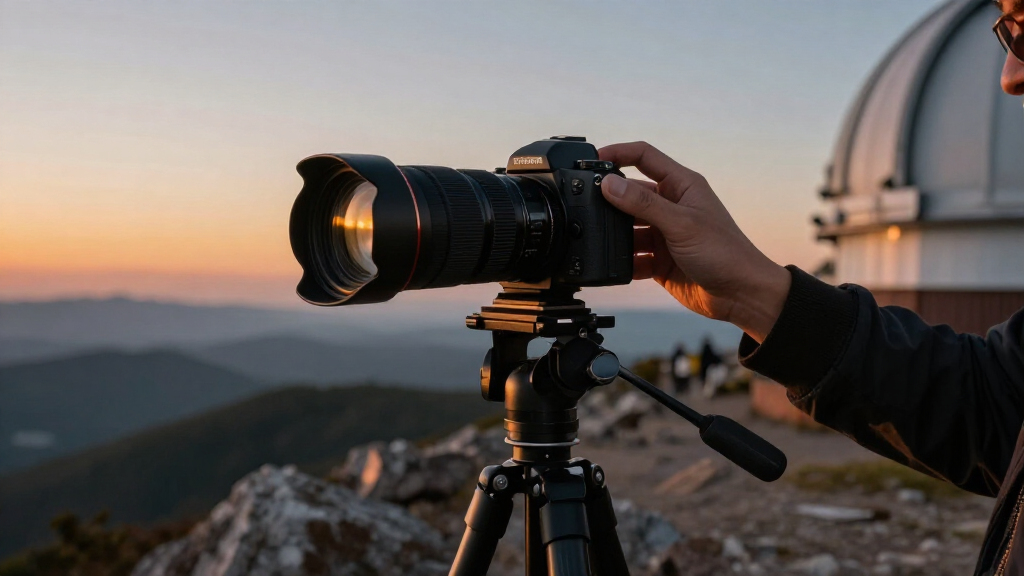
I compared each lens against the needs of night-sky photographers: aperture, focal length, sensor coverage, mount compatibility, and the practical balance between light gathering and framing. A bright maximum aperture can help capture more light in a given exposure, while a wider focal length can fit more sky into the frame; neither advantage matters if the lens does not match the camera body or the intended composition. I also considered whether each option is a prime or zoom, since fixed focal lengths favor simplicity while zooms can help reframe without moving the camera.
The ranking favors lenses that offer a useful mix of astrophotography performance and straightforward use, rather than treating the widest or fastest specification as an automatic win. Full-frame primes with bright apertures rank highly for dedicated night-sky work, while APS-C lenses are judged in the context of their smaller sensor coverage. Zooms remain relevant for buyers who value versatility, but their broader utility does not erase their compromises for faint-sky shooting. Accessory bundles do not change a lens’s optical role, and every recommendation should be checked against the buyer’s camera mount and sensor format.
| astrophotography camera lense | Minimum aperture | Mount |
|---|---|---|
| YONGNUO YN35mm F2N 35mm f/2 Au | — | — |
| Canon RF 14mm f/1.4L VCM Lens | — | — |
| Tamron 28-200mm f/2.8-5.6 Di I | f/32 | — |
| Samyang SY14M 14mm f/2.8 Ultra | f/22 | — |
| Tamron 11-20mm f/2.8 Di III-A | — | — |
| Sigma 16mm f/1.4 DC DN Contemp | f/16 | Sony E |
| VILTROX AF 16mm f/1.8 Full-Fra | f/22 | Nikon Z |
| Sony FE 20mm F1.8 G Full-Frame | f/22 | Sony E |
| Rokinon 14mm f/2.8 Ultra-Wide- | — | Canon EF |
| Tamron 16-30mm f/2.8 Di III VX | — | Sony E-mount |
| Samyang 24mm F1.8 AF Full-Fram | F22 | Sony E |
Factors to Consider When Choosing Astrophotography Camera Lenses
Before choosing among these astrophotography camera lenses, I would start with the camera body and the kind of sky image you want to make. A lens that looks ideal by focal length alone may frame very differently on an APS-C camera, or may not fit your mount at all. The factors below help separate headline specifications from the choices that affect real shooting decisions.
Match the Lens to Your Mount and Sensor
Mount and sensor coverage are the first filters, not details to check after choosing a favorite. A Canon EF lens, Canon RF lens, Nikon F lens, Nikon Z lens, and Sony E lens are not interchangeable without accounting for mount compatibility and any adapter. Sensor size also changes the angle of view: an APS-C camera crops the scene compared with full frame, so the same focal length shows less of the sky. Do not compare two 16mm lenses as if they produce identical framing on different formats. Confirm the lens’s intended sensor coverage as well as the mount, especially when considering a full-frame lens for an APS-C body. This can save you from buying a lens that technically attaches but does not match your framing goals.
Choose Focal Length for the Composition
Wider is not automatically better; the right focal length depends on whether you want a broad Milky Way scene, a constellation, or a tighter composition with foreground detail. Ultra-wide lenses capture more sky and can make it easier to include landscape context, but stars near the edges may be more difficult to keep looking natural. A moderately wide lens can give a more considered composition and make foreground elements feel less distant. Zooms allow reframing from one location, which can help when the horizon or foreground cannot be changed. A common mistake is choosing a focal length based only on how much sky it includes, then finding that the composition feels too stretched or empty. Think about the subject and foreground together before favoring the widest option.
Balance Aperture Against Focal Length
Aperture and focal length work as a pair: a fast lens gathers more light, while a wide focal length supports longer exposures before star movement becomes more apparent. A bright prime can be a strong fit for faint stars and Milky Way scenes, but it commits you to one angle of view. A slower zoom may require a different exposure approach and can be less appealing when light is scarce, yet it offers framing flexibility for travel and daytime use. Do not assume that the lens with the lowest f-number is best for every scene; wide-open image quality and edge rendering also matter. If you plan to stop a lens down to improve star shapes, its maximum aperture advantage may be less useful than expected. Choose based on how you will actually frame and expose your images.
Decide Whether a Prime or Zoom Fits Your Workflow
Primes favor a focused night-sky setup, while zooms favor adaptability across subjects and locations. A prime lens has one focal length to learn and can pair a bright aperture with a compact shooting plan, but it cannot reframe without moving the camera. A zoom gives more composition choices from one position, which can be useful when working around foreground obstacles or switching between sky and landscape. The tradeoff is that a zoom’s maximum aperture may vary across its range, so check which aperture applies at the focal length you expect to use. Buyers sometimes pay for a broad zoom range that adds little value to a dedicated astrophotography kit. If night-sky work is occasional, versatility may be worth that compromise; if it is the main goal, prioritize the prime’s low-light strengths.
Think About Handling, Focus, and Field Conditions
Night use rewards simple, predictable handling. In darkness, small controls can be hard to find, and autofocus may struggle to lock on to stars, so a lens’s focus operation and the camera’s manual-focus aids matter. Check whether the lens offers the control layout and handling you prefer, and learn how to set focus before heading to a dark location. Weight and bulk matter too if you hike to a viewpoint or balance the camera on a lightweight tripod. A lens that is comfortable to carry may see more use than a heavier option with a specification advantage you rarely need. Accessories such as filters or cleaning kits can be convenient, but they should not outweigh the lens’s fit, aperture, or optical role. Plan for dew and dust as part of your field routine rather than relying on a bundled accessory to solve every condition.
Pay More for the Benefit You Will Use
A higher-end lens makes sense when its specific advantage changes your images, such as a faster aperture, a desired focal length, or a mount-native fit. It is less compelling to pay extra for general-purpose flexibility if you mainly shoot fixed compositions under dark skies. Value also depends on the camera system you already own: switching mounts or buying an adapter can add complexity that a small optical gain may not justify. Compare the lens’s intended sensor format and focal length with your body before weighing its other features. For a beginner, a lens that is easy to frame with and useful beyond astrophotography may be a better starting point than the most specialized specification. For a dedicated night-sky photographer, a brighter prime may justify giving up zoom convenience.
Frequently Asked Questions
Should I choose a 14mm lens or a 20mm lens for Milky Way photography?
Choose 14mm for a broader scene when you want to include more sky and foreground in one frame. A 20mm lens gives a tighter composition that can make the Milky Way or a landscape feature feel more prominent. The best framing also depends on whether your camera is full frame or APS-C, since the same focal length covers less of the scene on the smaller format. If you are unsure, a zoom can help you learn which compositions you prefer, though a bright prime may suit dedicated low-light work better. Consider your usual shooting location and foreground distance rather than choosing by focal length alone.
Can I use an APS-C lens on a full-frame camera for astrophotography?
Check the lens’s coverage and your camera’s crop options before buying. An APS-C lens is designed for a smaller image area, so a full-frame camera may show dark corners or switch into a cropped capture mode, depending on the body and lens. That crop reduces the usable image area and changes how much of the sky you capture. A full-frame lens can often be used on an APS-C body, but the framing becomes tighter than it would on full frame. Confirm the lens format and camera behavior in the manufacturers’ compatibility information rather than assuming the mount alone settles the question.
Is a fast prime always better than a zoom for photographing stars?
No: a fast prime prioritizes light gathering, while a zoom prioritizes framing flexibility. A prime can be helpful when you need a bright aperture and already know the angle of view you want. A zoom can be more useful when you cannot move the tripod or want one lens for night skies and other subjects. Check the zoom’s maximum aperture at the focal length you plan to use, since it may not stay constant across the range. Also consider whether you will shoot wide open or stop down to improve star rendering. The better choice is the one whose tradeoff matches your exposure needs and shooting habits.
Do I need autofocus for astrophotography?
Autofocus is convenient for daytime use, but it is not a requirement for stars. Many night-sky photographers focus manually because a camera may have difficulty finding focus in a dark scene. A bright live view, magnified focus display, and a repeatable manual-focus method can matter more than autofocus performance during a session. If the lens will also serve for travel, portraits, or everyday photography, autofocus may add useful flexibility. Before shooting, practice focusing on a distant light or bright star and verify focus with a test image. That preparation matters regardless of which lens you choose.
Which lens should I buy if I want one lens for both astrophotography and travel?
Prioritize the lens that matches your most common travel scenes, not just its widest range. A zoom can reduce lens changes and let you frame landscapes, architecture, and night skies from one position. Its slower maximum aperture at some focal lengths may be a drawback for faint stars, so compare that compromise with how often you shoot in very dark conditions. A bright prime is a simpler night-sky choice but offers less flexibility when your subject changes. Also account for weight, camera mount, and sensor format, since those affect whether a lens is practical to carry and use. If astrophotography is the main purpose, give aperture and star-field framing more weight than all-purpose convenience.
Conclusion
For the best overall balance, I would choose the Sony FE 20mm F1.8 G, especially for a full-frame Sony E setup that needs a bright, broadly useful prime. For best value in dedicated low-light use, the Sigma 16mm f/1.4 DC DN is a compelling fit for Sony APS-C shooters who want a fast prime without moving to a full-frame lens. My best premium pick is the Canon RF 14mm f/1.4L VCM for Canon RF users who prioritize a very wide view and bright aperture. For beginners, I would start by matching a manageable wide prime to the camera already owned, then choose a focal length that suits the usual foregrounds; the Samyang 24mm F1.8 AF offers a less extreme full-frame view for Sony E users. For specific needs, the Viltrox AF 16mm f/1.8 fits Nikon Z full-frame shooters, the Tamron 11-20mm f/2.8 suits Sony APS-C users who want zoom framing, and the Tamron zooms make more sense when travel versatility matters more than a fast prime. Confirm mount and sensor format before settling on any pick.