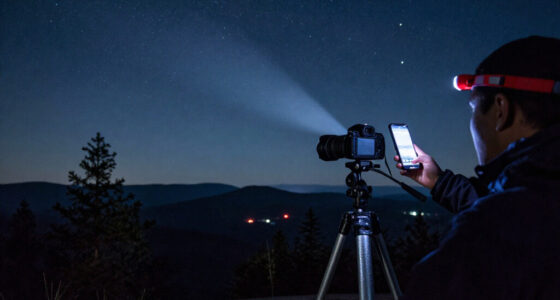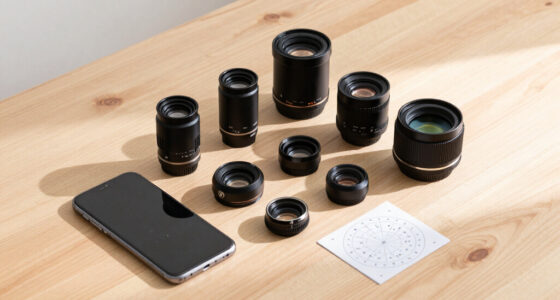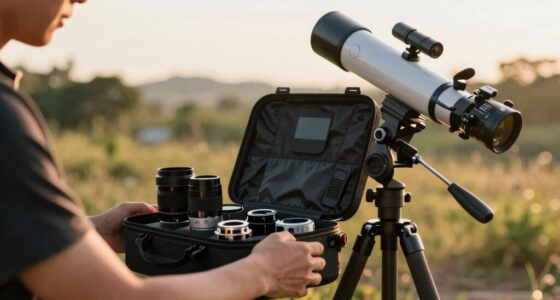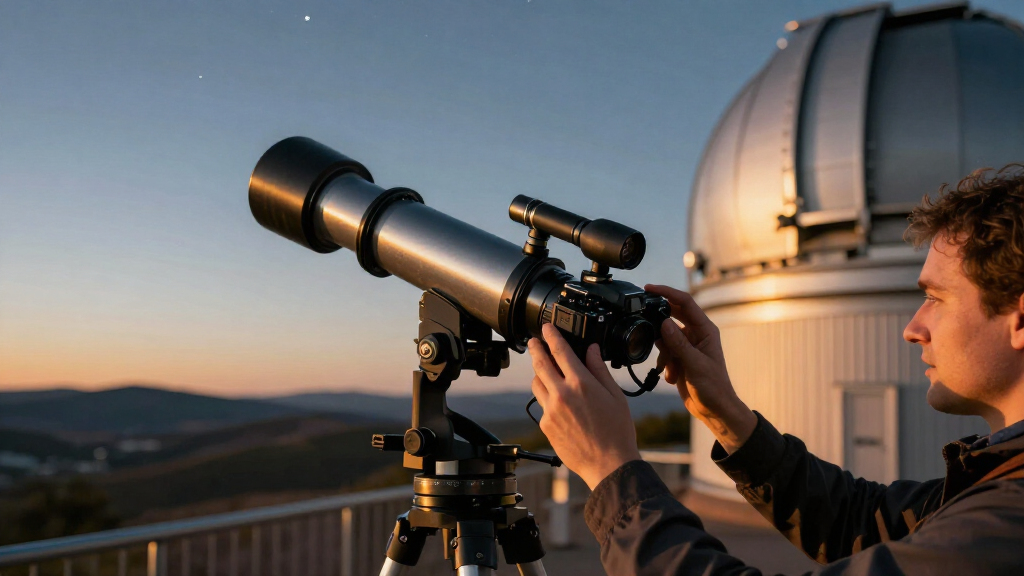

The best astrophotography cooled CMOS camera for most dedicated deep-sky imagers is the ZWO ASI2600MC-Pro, whose 26MP APS-C sensor offers a strong balance of resolution and wide framing. For a more accessible cooled color option, the SVBONY SV405CC pairs an 11.7MP sensor with active cooling, while the SVBONY SC571CC brings an APS-C sensor to buyers comparing alternatives to the ZWO. The main tradeoffs are sensor size, color versus monochrome workflow, cooling, and the computer or power setup each camera needs. Smaller, uncooled models in this lineup can suit planetary or entry-level imaging, but they do not offer the same fit for long-exposure deep-sky work. Continue reading for the full breakdown and guidance on matching a camera to your telescope and targets.

Prime made for students and young adults
- Fast, free delivery for dorm and study essentials
- Prime Video and Amazon Music included
- Member-only deals
Key Takeaways
- The ASI2600MC-Pro leads for all-around deep-sky imaging: its 26MP APS-C format offers a broader field and more resolution than the smaller cooled options, though its larger sensor needs a telescope with a suitable corrected image circle.
- The cooled choices serve different budgets and setups: SV405CC models offer a smaller 11.7MP sensor, while the SC571CC models provide an IMX571 APS-C sensor and a closer comparison to the ASI2600MC-Pro.
- Cooling is not a substitute for good calibration: temperature control can make dark-frame matching more consistent, but flats, darks, clean power, and careful processing still shape final image quality.
- Monochrome cameras bring a different workflow, not just a different sensor: the ASI678MM and ASI585MM Air suit buyers prepared for filters and channel sequencing, while the color models simplify capture.
- Several cameras are aimed at different kinds of imaging: the SV305C and ASI662MC are compact, small-sensor choices, and the ASI174MM-Mini is a guide camera rather than a direct deep-sky imaging rival to the cooled models.
| SVBONY SV305C Pro 2MP Telescope Camera with IMX662 Sensor |  | Best for Fast Planetary Capture | Sensor: IMX662 CMOS | Resolution: 2 MP; 1920 × 1080 | Maximum frame rate: 107 FPS | VIEW LATEST PRICE | See Our Full Breakdown |
| ZWO ASI662MC USB 3.0 Color Astronomy Camera |  | Best Compact Planetary Color Pick | Sensor: Sony IMX662 CMOS | Resolution: 1920 × 1080; 2.1 MP | Pixel size: 2.9 μm | VIEW LATEST PRICE | See Our Full Breakdown |
| SVBONY SV405CC TEC-Cooled 11.7 MP Color Astronomy Camera with UV/IR Cut Filter |  | Best Value Entry to Cooled Deep-Sky Imaging | Sensor: IMX294 color CMOS | Resolution: 11.7 MP | Sensor format: 4/3 | VIEW LATEST PRICE | See Our Full Breakdown |
| SVBONY SV305C 2.1MP Color Astrophotography Camera |  | Best Flexible Starter for Planetary Imaging | Sensor: Sony IMX662 back-illuminated CMOS | Sensor format: 1/2.8 in | Resolution: 2.1 MP; 2.27 MP effective still resolution | VIEW LATEST PRICE | See Our Full Breakdown |
| ZWO ASI2600MC-Pro 26MP Cooled Color Astronomy Camera |  | Best Premium APS-C Cooled Camera | Sensor: Back-illuminated IMX571 APS-C CMOS | Resolution: 26 MP | Sensor diagonal: 28.3 mm | VIEW LATEST PRICE | See Our Full Breakdown |
| ZWO ASI678MM 8.29 MP Monochrome Astronomy Camera with USB 3.0 |  | Best for Planetary and Lunar Imaging | Sensor: 1/1.8-inch Sony IMX678 CMOS | Resolution: 8.29 MP; 3840 × 2160 | Pixel size: 2 µm | VIEW LATEST PRICE | See Our Full Breakdown |
| ZWO ASI585MM Air Cooled Monochrome Astronomy Camera with Built-In Guide Camera and ASIAIR Controller |  | Best All-in-One Capture and Guiding System | Main sensor: Sony IMX585 monochrome, 1/1.2 inch | Main resolution: 3840 × 2160 | Main pixel size: 2.9 μm | VIEW LATEST PRICE | See Our Full Breakdown |
| SVBONY SC571CC Cooled Color Astronomy Camera with IMX571 APS-C Sensor |  | Best APS-C Color Pick | Sensor: Back-illuminated IMX571 APS-C CMOS | Resolution: 26 MP | Sensor area: 23.4 × 15.7 mm | VIEW LATEST PRICE | See Our Full Breakdown |
| ZWO ASI174MM-Mini Monochrome Astronomy Camera |  | Best Dedicated Autoguiding Camera | Sensor: Monochrome CMOS | Resolution: 1936 × 1216; 2.1 MP | Pixel size: 5.86 µm | VIEW LATEST PRICE | See Our Full Breakdown |
| SVBONY SV405CC Cooled Astrophotography Camera with IMX294 Sensor |  | Best Mid-Size Deep-Sky Color Camera | Sensor: Back-illuminated IMX294 color CMOS | Sensor format: 4/3 inch | Resolution: 4144 × 2822; 11.7 MP | VIEW LATEST PRICE | See Our Full Breakdown |
| SVBONY SC571CC IMX571 APS-C Cooled Camera and SV241 Power Adapter Hub Kit |  | Best Camera-and-Power Bundle | Camera sensor: IMX571 APS-C BSI CMOS | Sensor area: 23.4 × 15.7 mm | Resolution: 26 MP | VIEW LATEST PRICE | See Our Full Breakdown |
| SVBONY SV405CC 11.7 MP Cooled Color CMOS Camera with SV555 54mm Petzval APO Refractor Telescope |  | Best Ready-to-Build Wide-Field Bundle | Camera model: SVBONY SV405CC | Camera sensor type: CMOS | Effective still resolution: 11.7 MP | VIEW LATEST PRICE | See Our Full Breakdown |
| astrophotography cooled CMOS camera | Resolution | Sensor | Pixel size | Cooling |
|---|---|---|---|---|
| SVBONY SV305C Pro 2MP Telescop | 2 MP; 1920 × 1080 | IMX662 CMOS | — | — |
| ZWO ASI662MC USB 3.0 Color Ast | 1920 × 1080; 2.1 MP | Sony IMX662 CMOS | 2.9 μm | — |
| SVBONY SV405CC TEC-Cooled 11.7 | 11.7 MP | IMX294 color CMOS | — | TEC-cooled |
| SVBONY SV305C 2.1MP Color Astr | 2.1 MP; 2.27 MP effective still resolution | Sony IMX662 back-illuminated CMOS | 2.9 µm | — |
| ZWO ASI2600MC-Pro 26MP Cooled | 26 MP | Back-illuminated IMX571 APS-C CMOS | — | TEC-cooled |
| ZWO ASI678MM 8.29 MP Monochrom | 8.29 MP; 3840 × 2160 | 1/1.8-inch Sony IMX678 CMOS | 2 µm | — |
| ZWO ASI585MM Air Cooled Monoch | — | — | — | Up to 30–35°C below ambient |
| SVBONY SC571CC Cooled Color As | 26 MP | Back-illuminated IMX571 APS-C CMOS | 3.76 µm | Dual-stage TEC, up to 35°C below ambient |
| ZWO ASI174MM-Mini Monochrome A | 1936 × 1216; 2.1 MP | Monochrome CMOS | 5.86 µm | — |
| SVBONY SV405CC Cooled Astropho | 4144 × 2822; 11.7 MP | Back-illuminated IMX294 color CMOS | 4.63 μm | Two-stage TEC, up to 30°C below ambient |
| SVBONY SC571CC IMX571 APS-C Co | 26 MP | — | 3.76 µm | Two-stage TEC; up to 35°C below ambient |
| SVBONY SV405CC 11.7 MP Cooled | — | — | — | — |
More Details on Our Top Picks
SVBONY SV305C Pro 2MP Telescope Camera with IMX662 Sensor
The SVBONY SV305C Pro is aimed at planetary and lunar imagers who need to record many frames quickly, rather than build long-exposure deep-sky images. Its 1920 × 1080 capture at up to 107 FPS lets you collect short video sequences for selecting the sharpest moments, while low stated readout noise and a 128MB buffer support that fast workflow. Compared with the USB 2.0 SVBONY SV305C, this Pro version has a faster USB 3.0 connection and a higher listed frame rate. The ST4 guiding port also adds a useful connection for guiding setups, though it does not turn this planetary-focused camera into a cooled deep-sky model. You will need a computer, and iPad connection is unsupported; the camera is also not water resistant.
Pros:- Captures full-HD video at up to 107 FPS for planetary lucky imaging.
- Low stated readout noise of 0.7 e- supports low-light capture.
- USB 3.0 and a 128MB buffer support rapid frame transfer.
- ST4 guiding interface and ROI capture add workflow flexibility.
Cons:- Not TEC-cooled, so it is less suited to long-exposure deep-sky imaging than the SVBONY SV405CC.
- Requires a computer and does not support iPad connection.
- Not water resistant.
Best for: Planetary and lunar imagers who capture high-frame-rate video on a computer and want an ST4 guiding connection.
Not ideal for: Deep-sky photographers seeking TEC cooling for long exposures, or iPad users who need a mobile capture setup.
- Sensor:IMX662 CMOS
- Resolution:2 MP; 1920 × 1080
- Maximum frame rate:107 FPS
- Readout noise:0.7 e-
- Interface:USB 3.0
- Buffer:128MB DDR
- Guiding interface:ST4
- Capture features:HDR and area-of-interest capture
Our verdict“Choose the SV305C Pro for fast planetary video and computer-based capture, not cooled deep-sky exposures.”
ZWO ASI662MC USB 3.0 Color Astronomy Camera
The ZWO ASI662MC keeps the setup focused: a compact, color IMX662 camera for planetary work, with up to 102.6 FPS at full resolution and strong infrared sensitivity. That sensitivity can help bring out planetary detail when your filters and processing suit the target. Its zero-amp-glow feature is another useful aid to cleaner captures, but this is still a planetary-oriented, uncooled camera—not a substitute for the cooled SVBONY SV405CC or the APS-C ZWO ASI2600MC-Pro on extended deep-sky sessions. Compared with the SVBONY SV305C Pro, it offers a similar fast-capture role and the same sensor family, but the supplied data does not list an ST4 port or the Pro model’s buffer. It also needs a USB-connected capture device.
Pros:- Reaches 102.6 fps at full 1920 × 1080 resolution.
- High infrared sensitivity can support planetary detail capture.
- Zero amp glow helps keep a potential source of image artifacts down.
- Compact 1/2.8-inch color sensor suits planetary framing.
Cons:- Designed primarily for planetary imaging rather than cooled long-exposure work.
- Requires a USB-connected computer or other compatible capture device.
- The listed details do not specify an ST4 guiding interface or internal buffer.
Best for: Planetary imagers who want a compact color camera with high frame rates and infrared sensitivity for telescope-based capture.
Not ideal for: Deep-sky imagers who need TEC cooling, or buyers who need a standalone camera without a USB-connected host.
- Sensor:Sony IMX662 CMOS
- Resolution:1920 × 1080; 2.1 MP
- Pixel size:2.9 μm
- Sensor size:1/2.8 in
- Maximum frame rate:102.6 fps at full resolution
- Image type:Color
- Interface:USB 3.0
- Special feature:Zero amp glow
Our verdict“Pick the ASI662MC for compact, high-speed color planetary imaging, but choose a cooled model for deep-sky exposures.”
SVBONY SV405CC TEC-Cooled 11.7 MP Color Astronomy Camera with UV/IR Cut Filter
For buyers moving from planetary cameras into nebulae, galaxies, and star clusters, the SVBONY SV405CC makes a more relevant starting point than the SV305C Pro or ZWO ASI662MC: it combines TEC cooling with an 11.7MP, 4/3-format color sensor. Cooling is the defining difference here, helping manage sensor heat during longer imaging sessions, while the included UV/IR cut filter supports more controlled color capture. Full-resolution speed is modest beside the 100-plus-FPS planetary cameras, but deep-sky imaging generally prioritizes accumulated exposure data over rapid video. The ZWO ASI2600MC-Pro offers a larger 26MP APS-C sensor and 16-bit conversion, so it is the more ambitious choice for resolution and dynamic range; the SV405CC is the less expansive, more accessible step into cooled color imaging. It still needs a wired USB connection and manual focus adjustment.
Pros:- TEC cooling makes it better suited to long deep-sky sessions than the uncooled SV305C Pro and ASI662MC.
- 11.7MP IMX294 sensor in a 4/3 format provides a larger imaging area than the 1/2.8-inch planetary cameras.
- Included UV/IR cut filter supports more controlled color capture.
- USB 3.0 supports full-resolution capture up to 19 fps in RAW8.
Cons:- Its 11.7MP resolution is lower than the 26MP ZWO ASI2600MC-Pro.
- Full-resolution frame rates are far below those of the planetary-focused cameras.
- Requires a wired USB connection and manual focus setup.
Best for: Deep-sky beginners and intermediate imagers who want a cooled one-shot-color camera with a 4/3 sensor and included UV/IR cut filter.
Not ideal for: Planetary video specialists needing very high frame rates, or experienced deep-sky imagers prioritizing APS-C resolution and 16-bit conversion.
- Sensor:IMX294 color CMOS
- Resolution:11.7 MP
- Sensor format:4/3
- Cooling:TEC-cooled
- Interface:USB 3.0
- Full-resolution frame rate:Up to 19 fps in RAW8; 16 fps in RAW16
- Included accessory:UV/IR cut filter
- Weight:3.7 lb
Our verdict“Choose the SV405CC if cooled 4/3 color imaging matters more than the higher resolution of the ASI2600MC-Pro.”
SVBONY SV305C 2.1MP Color Astrophotography Camera
The SVBONY SV305C is a practical starter camera for lunar and planetary capture, especially if you want to use both a telescope and compatible C- or CS-mount lenses. Its back-illuminated IMX662 sensor, 128MB buffer, ROI, and 2×2 binning give beginners several ways to tailor capture to the target. The built-in UV/IR cut filter is convenient for color imaging, but it is not removable, limiting flexibility for workflows that call for different spectral capture. Compared with the SV305C Pro, this model uses USB 2.0 rather than USB 3.0, so it is the less compelling choice when maximum transfer speed and high frame rates lead the decision. Neither is cooled for long-exposure deep-sky work; the SV405CC is the more fitting pick for that job.
Pros:- Back-illuminated IMX662 sensor is designed for sensitivity and low readout noise.
- 128MB buffer can cache frames during USB interruptions.
- ROI and 2×2 binning provide capture options for different targets.
- Works with 1.25-inch telescope interfaces and C- or CS-mount lenses using the included adapter.
Cons:- USB 2.0 is a slower interface than the USB 3.0 connection on the SV305C Pro.
- Built-in UV/IR cut filter is not removable.
- Not TEC-cooled for long-exposure deep-sky imaging.
Best for: New planetary or lunar imagers who want a camera that works with a 1.25-inch telescope connection or compatible C- and CS-mount lenses.
Not ideal for: Deep-sky photographers seeking TEC cooling, or planetary imagers who prioritize USB 3.0 transfer speeds and the SV305C Pro’s listed 107 FPS rate.
- Sensor:Sony IMX662 back-illuminated CMOS
- Sensor format:1/2.8 in
- Resolution:2.1 MP; 2.27 MP effective still resolution
- Pixel size:2.9 µm
- Interface:USB 2.0
- Image buffer:128MB DDRIII
- Telescope interface:1.25 in
- Filter:Built-in UV/IR cut filter
Our verdict“Choose the SV305C as a flexible planetary starter if its lens compatibility matters more than USB 3.0 speed or cooling.”
ZWO ASI2600MC-Pro 26MP Cooled Color Astronomy Camera
The ZWO ASI2600MC-Pro is the premium deep-sky choice in this group for buyers who can support a larger sensor and a more involved mount setup. Its 26MP back-illuminated APS-C sensor, TEC cooling, and 16-bit ADC combine broad framing with fine tonal capture, making it a substantial step up in resolution from the 11.7MP SVBONY SV405CC. The internal 256MB buffer supports stable data transfer, while the specified 0e- readout noise and up to 14 stops of dynamic range are aimed at faint-target work. It is not the right tool for high-speed planetary video: full-resolution capture is 3.5 fps, far below the SV305C Pro. Buyers also need an external 12V supply and a solid equatorial tracking mount; this camera is designed to connect to a telescope, not an eyepiece.
Pros:- 26MP APS-C sensor provides more resolution and a wider imaging area than the SV405CC’s 11.7MP 4/3 sensor.
- TEC cooling supports lower-noise deep-sky imaging sessions.
- 16-bit conversion and listed dynamic range of up to 14 stops support tonal detail.
- 256MB DDR3 buffer supports stable data transfer.
Cons:- Full-resolution capture is limited to 3.5 fps, making it a poor fit for high-speed planetary video.
- Requires an external 12V power supply and a solid equatorial tracking mount.
- Not designed for imaging through a telescope eyepiece.
Best for: Experienced deep-sky imagers with a solid equatorial tracking mount who want a cooled one-shot-color APS-C sensor and high-resolution files.
Not ideal for: Beginners without a suitable tracking mount or external 12V power, and planetary imagers who need high frame rates.
- Sensor:Back-illuminated IMX571 APS-C CMOS
- Resolution:26 MP
- Sensor diagonal:28.3 mm
- ADC:16-bit
- Peak quantum efficiency:80%
- Readout noise:0e-
- Cooling:TEC-cooled
- Full-resolution frame rate:3.5 fps at 6248 × 4176
- Power supply:External 12V
Our verdict“Choose the ASI2600MC-Pro for cooled, high-resolution deep-sky work if your mount and power setup can support it.”
ZWO ASI678MM 8.29 MP Monochrome Astronomy Camera with USB 3.0
The ASI678MM is the specialist in this group: its small 2 µm pixels, low read noise, and up-to-47.5 fps capture suit detailed lunar and planetary work better than the cooled deep-sky cameras here. Its strong near-infrared sensitivity also gives monochrome imagers room to use IR filters for planetary detail. Compared with the SV405CC, it trades a larger, cooled color sensor for faster, fine-scale capture and a simpler planetary-focused setup. The tradeoff is significant for deep-sky buyers: this model has no listed active cooling, and its monochrome sensor needs filters and a filter wheel for color imaging. The rolling shutter can also be less suitable for rapidly changing scenes than a global shutter. I’d choose it for planetary specialists, not as a general-purpose cooled deep-sky camera.
Pros:- Small 2 µm pixels and 4K resolution support fine planetary detail.
- Maximum frame rate of 47.5 fps helps capture short moments of steady seeing.
- High near-infrared sensitivity and low stated read noise suit filtered monochrome imaging.
- 256 MB cache supports steadier USB data transfer during capture.
Cons:- No active cooling is listed, making it less suited to long-exposure deep-sky work than the cooled SV405CC or SC571CC.
- Monochrome color imaging requires a filter set and additional capture workflow.
- Rolling shutter may be a limitation for some fast-moving subjects.
Best for: Planetary, lunar, and solar imagers who want fine sampling, high frame rates, and monochrome near-infrared capture.
Not ideal for: Deep-sky imagers seeking active cooling, a large sensor, or straightforward one-shot color without adding filters.
- Sensor:1/1.8-inch Sony IMX678 CMOS
- Resolution:8.29 MP; 3840 × 2160
- Pixel size:2 µm
- Peak quantum efficiency:83%
- Maximum frame rate:47.5 fps
- Read noise:0.6–3.5 e⁻
- ADC and shutter:12-bit; rolling shutter
- Interface and cache:USB 3.0; 256 MB DDR3
Our verdict“Choose the ASI678MM for high-frame-rate monochrome planetary and lunar imaging, not cooled deep-sky imaging.”
ZWO ASI585MM Air Cooled Monochrome Astronomy Camera with Built-In Guide Camera and ASIAIR Controller
The ASI585MM Air combines a cooled monochrome main camera with a guide camera, controller, and 256 GB internal storage, reducing the number of separate devices needed at the telescope. That integration makes it a different kind of pick from the SV405CC: the SV405CC offers a larger 4/3-inch color sensor, while this ZWO prioritizes a compact, managed monochrome imaging system. Cooling of up to 30–35°C below ambient helps control sensor temperature for longer exposures, and built-in ports can simplify connections to accessories. The tradeoff is a smaller 1/1.2-inch main sensor and a monochrome workflow that calls for filters to produce color. Product information also inconsistently identifies the model as ASI585MM Air and ASI585MC Air, so I’d verify the exact version before buying. A telescope and mount are still required.
Pros:- Combines the cooled imaging camera, guide camera, and smart controller in one unit.
- Up to 30–35°C below-ambient cooling supports temperature control during long exposures.
- 256 GB eMMC storage and four USB 2.0 ports can reduce reliance on a separate computer and hub.
- Dual-band Wi-Fi and Bluetooth allow wireless control within the stated range.
Cons:- The 1/1.2-inch monochrome sensor is smaller than the APS-C SC571CC and 4/3-inch SV405CC sensors.
- Monochrome imaging requires filters for color capture.
- The listing gives conflicting MM and MC model identification, so the sensor version should be confirmed.
Best for: Imagers who want a cooled monochrome camera, guiding camera, storage, and telescope-side controller in one integrated unit.
Not ideal for: Buyers who want a large one-shot-color sensor or a conventional standalone camera with fewer integrated components.
- Main sensor:Sony IMX585 monochrome, 1/1.2 inch
- Main resolution:3840 × 2160
- Main pixel size:2.9 μm
- Cooling:Up to 30–35°C below ambient
- Read noise:0.7–6.67 e⁻
- Guide camera:2.07 MP; 1920 × 1080
- Storage and memory:256 GB eMMC; 2 GB DDR4 RAM
- Connections:USB Type-C, four USB 2.0 ports, three 12V DC ports, dual-band Wi-Fi, and Bluetooth
Our verdict“Pick the ASI585MM Air if an integrated cooled monochrome imaging and guiding setup matters more than sensor size or one-shot color.”
SVBONY SC571CC Cooled Color Astronomy Camera with IMX571 APS-C Sensor
The SC571CC is the strongest fit here for deep-sky imagers who want a large color sensor and active cooling without assembling a monochrome filter system. Its 26 MP APS-C IMX571 sensor covers a broader field than the 4/3-inch sensor in the SV405CC, making it attractive for extended nebulae and larger compositions. Dual-stage TEC cooling, a zero-amp-glow design, and a software-controlled front-window heater address common long-session concerns: sensor heat, amplifier glow, and dew on the optical window. The larger sensor is not an automatic match for every telescope, though; buyers need to check image-circle coverage and back-focus requirements for their setup. Cooling is specified relative to ambient temperature, so actual operating temperature depends on conditions. It is a more demanding fit than a small planetary camera, but a more natural deep-sky choice.
Pros:- 26 MP APS-C sensor provides a wide field and substantial detail for deep-sky framing.
- Dual-stage TEC cooling and zero-amp-glow design support cleaner long-exposure capture.
- Software-controlled front-window heater helps limit dew and condensation.
- 16-bit ADC, USB 3.0, and 512 MB buffer support detailed imaging and data transfer.
Cons:- APS-C coverage may exceed the corrected image circle of some telescopes.
- Cooling is specified up to 35°C below ambient, so the achievable temperature varies with conditions.
- A cooled camera still requires a telescope, mount, and supporting capture setup.
Best for: Deep-sky color imagers with a telescope that can illuminate APS-C and who want a cooled, high-resolution sensor without filters.
Not ideal for: Planetary specialists prioritizing very high frame rates, or owners of telescopes that cannot cover an APS-C sensor.
- Sensor:Back-illuminated IMX571 APS-C CMOS
- Resolution:26 MP
- Sensor area:23.4 × 15.7 mm
- Pixel size:3.76 µm
- Cooling:Dual-stage TEC, up to 35°C below ambient
- ADC and dynamic range:16-bit ADC; up to 14 stops
- Connectivity and buffer:USB 3.0 Type-C; 512 MB DDR3
- Dew protection:Software-controlled front-window heater
Our verdict“Choose the SC571CC for cooled one-shot-color deep-sky imaging when your telescope can make full use of its APS-C sensor.”
ZWO ASI174MM-Mini Monochrome Astronomy Camera
The ASI174MM-Mini earns its place as a guide-camera specialist rather than a cooled main imaging camera. Its relatively large 11.3 × 7.1 mm sensor can show more of the guide field than a smaller sensor, increasing the chance of finding suitable guide stars. The light aluminum body fits a 1.25-inch focuser, while the ST4 port supports a direct connection to a compatible mount. Compared with the ASI678MM, it has larger pixels but lower resolution and a much slower maximum frame rate; its role is guiding and occasional planetary imaging, not high-detail capture or cooled deep-sky exposures. USB 2.0 is also a more modest data connection than the USB 3.0 interfaces on the other imaging cameras here. I’d choose it to guide a separate main camera, not as a substitute for one.
Pros:- Relatively large sensor can capture a wider guide field and more potential guide stars.
- Compact 4.9-ounce body fits a 1.25-inch focuser.
- ST4 port allows direct connection to a compatible mount’s autoguiding port.
- Can also support planetary imaging when its modest resolution and frame rate fit the task.
Cons:- No active cooling is listed, so it is not a strong choice for long-exposure deep-sky imaging.
- USB 2.0 is slower than the USB 3.0 connections on the ASI678MM and cooled cameras in this roundup.
- A safe solar filter is required for solar imaging and is not included.
Best for: Astrophotographers building a lightweight autoguiding setup who need a 1.25-inch camera with an ST4 connection.
Not ideal for: Deep-sky buyers seeking a cooled primary camera, high-resolution imaging, or a modern high-speed capture interface.
- Sensor:Monochrome CMOS
- Resolution:1936 × 1216; 2.1 MP
- Pixel size:5.86 µm
- Sensor size:11.3 × 7.1 mm
- Maximum frame rate:18.4 fps
- Connections:USB 2.0 Type-C and ST4 autoguiding port
- Focuser compatibility:1.25-inch
- Weight:4.9 oz
Our verdict“Buy the ASI174MM-Mini as a compact autoguider, not as your cooled deep-sky imaging camera.”
SVBONY SV405CC Cooled Astrophotography Camera with IMX294 Sensor
The SV405CC offers a practical middle ground for deep-sky color imaging: its 4/3-inch, 11.7 MP sensor is larger than the ASI585MM Air’s 1/1.2-inch sensor, while its pixel size and one-shot-color design make it less demanding than the APS-C SC571CC for telescope coverage. Two-stage TEC cooling, 14-bit output, and high-conversion-gain mode are aimed at long exposures where controlling sensor temperature and read noise matters. The tradeoff is lower resolution and a narrower sensor area than the SC571CC, so it gives up some field coverage and fine detail. Full-resolution capture is also modest at 16 fps in RAW16, though that matters less for deep-sky work than for planetary video. I’d favor this model when a cooled color camera is the priority and APS-C feels like more sensor than the telescope can use.
Pros:- Back-illuminated 4/3-inch color sensor offers a useful balance of sensor area and telescope compatibility.
- Two-stage TEC cooling reduces sensor temperature by up to 30°C below ambient.
- 14-bit output and high-conversion-gain mode support capture of faint deep-sky detail.
- USB 3.0 and a 256 MB buffer support high-speed transfer during acquisition.
Cons:- Its 11.7 MP resolution and smaller sensor area fall short of the APS-C SC571CC for wide-field detail.
- Full-resolution capture tops out at 19 fps in RAW8 or 16 fps in RAW16.
- Cooling performance varies with ambient conditions.
Best for: Deep-sky imagers who want a cooled color camera with a 4/3-inch sensor and do not need APS-C coverage.
Not ideal for: Buyers seeking the widest field or highest resolution in this group, or planetary imagers who need high full-resolution frame rates.
- Sensor:Back-illuminated IMX294 color CMOS
- Sensor format:4/3 inch
- Resolution:4144 × 2822; 11.7 MP
- Pixel size:4.63 μm
- Cooling:Two-stage TEC, up to 30°C below ambient
- ADC output:14-bit
- Frame rate:19 fps RAW8 or 16 fps RAW16 at full resolution
- Interface and buffer:USB 3.0, 5 Gbps; 256 MB DDRIII
Our verdict“Choose the SV405CC for cooled one-shot-color deep-sky imaging when you want a capable 4/3-inch sensor without moving up to APS-C.”
SVBONY SC571CC IMX571 APS-C Cooled Camera and SV241 Power Adapter Hub Kit
This kit pairs the 26 MP IMX571 APS-C cooled camera with a hub that can organize power and USB connections for a multi-device imaging rig. Its two-stage TEC cooling reaches up to 35°C below ambient, helping manage sensor heat during long exposures; the 3.76 µm pixels and APS-C area also give imagers room for detailed targets and broad framing. Compared with the standalone SVBONY SC571CC, the camera’s core imaging specifications are similar, but this bundle adds practical cable and power management rather than a different sensor. That convenience comes with setup requirements: the hub needs a 12V input, its outputs have stated limits, and some ports need a data connection to activate. I’d choose it for a rig that can use the hub, not for a buyer who already has power distribution covered.
Pros:- 26 MP APS-C IMX571 sensor with 3.76 µm pixels supports detailed, wide-field imaging.
- Two-stage TEC cooling reaches up to 35°C below ambient to reduce sensor heat during exposures.
- SV241 combines six DC outputs with USB 3.1, USB 2.0, and Type-C connections.
- Camera is listed as compatible with APO, Newtonian, RC, and catadioptric telescopes.
Cons:- The hub requires a 12V DC input and its outputs must stay within the specified 10A limit.
- Some hub output ports require a data cable connection to a computer or astronomy hub to activate.
- The bundle’s added hub is less useful to buyers who already have power distribution equipment.
Best for: Astrophotographers building an APS-C cooled-color setup who need to distribute power and USB connections across compatible camera and telescope accessories.
Not ideal for: Imagers who already own a reliable power hub, want a simpler camera-only purchase, or need a kit with no hub activation and power-input constraints.
- Camera sensor:IMX571 APS-C BSI CMOS
- Sensor area:23.4 × 15.7 mm
- Resolution:26 MP
- Pixel size:3.76 µm
- Cooling:Two-stage TEC; up to 35°C below ambient
- SV241 DC outputs:6; each supports up to 10A
- SV241 USB ports:2 USB 3.1, 1 USB 2.0, 1 USB Type-C
- Input:12V DC; 5.5 × 2.5 mm jack
- Warranty:1 year
Our verdict“Choose this bundle over the standalone SC571CC when you want an APS-C cooled camera and a matching power-and-USB hub in one kit.”
SVBONY SV405CC 11.7 MP Cooled Color CMOS Camera with SV555 54mm Petzval APO Refractor Telescope
Rather than pairing a cooled camera with a power hub, this bundle centers on the SV555 54 mm Petzval APO refractor and its flat-field imaging design. The telescope supports sensors up to 44 mm full-frame, so the included 11.7 MP SV405CC leaves room to move to a larger-format camera later. That makes the package a different proposition from the SC571CC and SV241 kit, which gives you a higher-resolution APS-C camera and power distribution but no telescope. Here, the appeal is a matched optical starting point, with a 2-inch filter holder, rotatable tube, and adjustable aperture. The tradeoff is that the camera has fewer pixels than the SC571CC, and the focuser is manual; the listed EAF adapter is specifically compatible with ZWO EAF Gen1. I’d favor it for wide-field system building, not for buyers seeking a camera-only upgrade.
Pros:- SV555 Petzval design is intended to provide a flat field and reduce coma and chromatic aberration.
- 44 mm full-frame sensor compatibility leaves room to pair the telescope with a larger-format camera.
- Adjustable F4.5–F22 aperture and 360° rotatable tube support flexible imaging setup.
- Includes a 2-inch filter holder and an adapter compatible with ZWO EAF Gen1.
Cons:- The included SV405CC is 11.7 MP, below the 26 MP resolution of the SC571CC bundle.
- Focus is manual; electronic focusing support is specified for ZWO EAF Gen1.
- The bundle is less suitable for camera buyers who already have a telescope they want to keep using.
Best for: Astrophotographers who want a Petzval refractor and cooled color camera together, especially those planning wide-field imaging or later use with a full-frame sensor.
Not ideal for: Buyers who already own a suitable telescope, prioritize the 26 MP APS-C resolution of the SC571CC, or need autofocus without a compatible ZWO EAF Gen1 setup.
- Camera model:SVBONY SV405CC
- Camera sensor type:CMOS
- Effective still resolution:11.7 MP
- Telescope model and type:SV555 Petzval APO refractor
- Focal length:54 mm
- Aperture range:F4.5–F22
- Sensor compatibility:44 mm full-frame
- Focuser travel:2.67–3.22 mm
- Accessories:2-inch filter holder; M72 front thread; adapter compatible with ZWO EAF Gen1
Our verdict“Choose this package if the SV555 wide-field Petzval telescope is as important to your setup as the cooled camera.”
How We Picked
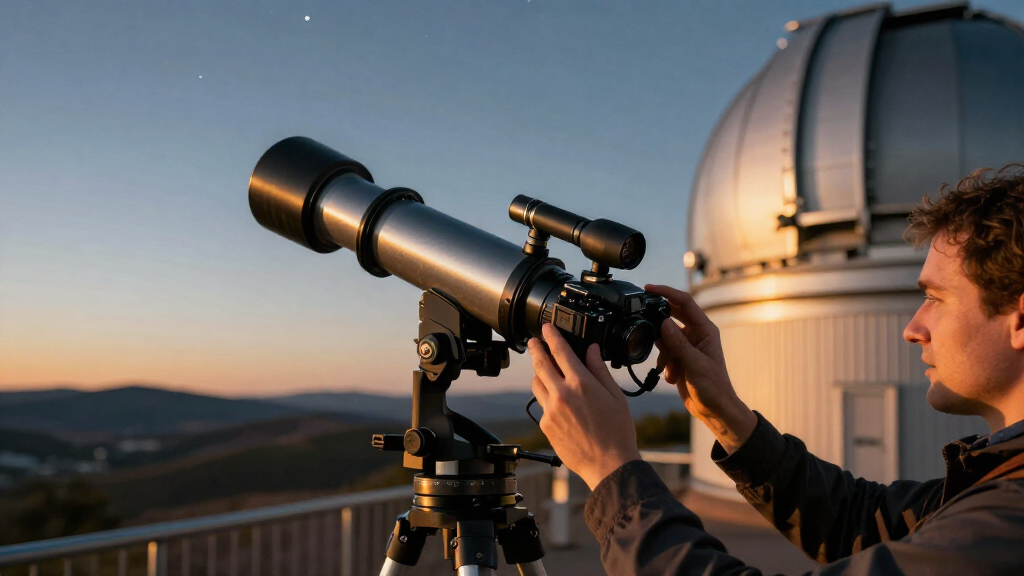
I compared the 12 listed products by how well their sensor format, cooling, color response, and intended role match astrophotography tasks. For deep-sky imaging, I gave more weight to active cooling, sensor area, resolution, and practical compatibility with common telescope setups. I also separated main imaging cameras from compact planetary-style cameras and guide cameras, since comparing them as if they served the same job would mislead buyers.
The order favors cameras with the broadest usefulness for long-exposure imaging, then distinguishes alternatives by cost-conscious design, sensor format, monochrome workflow, and bundled equipment. Cooling and a larger sensor helped a camera rank for deep-sky versatility, but did not automatically make it the best choice for every buyer. I also accounted for setup complexity: a monochrome system, integrated controller, power hub, or telescope bundle can be useful for one user and unnecessary overhead for another. Product configurations and included accessories can vary, so buyers should verify the exact package and compatibility before ordering.
| astrophotography cooled CMOS camera | Cooling |
|---|---|
| SVBONY SV305C Pro 2MP Telescop | — |
| ZWO ASI662MC USB 3.0 Color Ast | — |
| SVBONY SV405CC TEC-Cooled 11.7 | TEC-cooled |
| SVBONY SV305C 2.1MP Color Astr | — |
| ZWO ASI2600MC-Pro 26MP Cooled | TEC-cooled |
| ZWO ASI678MM 8.29 MP Monochrom | — |
| ZWO ASI585MM Air Cooled Monoch | Up to 30–35°C below ambient |
| SVBONY SC571CC Cooled Color As | Dual-stage TEC, up to 35°C below ambient |
| ZWO ASI174MM-Mini Monochrome A | — |
| SVBONY SV405CC Cooled Astropho | Two-stage TEC, up to 30°C below ambient |
| SVBONY SC571CC IMX571 APS-C Co | Two-stage TEC; up to 35°C below ambient |
| SVBONY SV405CC 11.7 MP Cooled | — |
Factors to Consider When Choosing Astrophotography Cooled CMOS Cameras
Choosing among astrophotography cooled CMOS cameras starts with the target and imaging setup, not the largest megapixel figure. These broader checks can prevent mismatches that a product comparison alone cannot resolve.
Match Sensor Size to Your Telescope’s Corrected Field
A larger sensor records a wider area of sky, but only if the telescope can deliver a corrected image across that area. With a small or uncorrected field, stars near the frame edges may stretch or blur, and the sensor’s extra coverage can call for a field flattener or reducer. Check the telescope’s image-circle guidance and the camera’s sensor dimensions before choosing an APS-C model. Also compare the camera’s pixel size with your focal length and typical seeing; a high-resolution sensor does not automatically produce more useful detail. A smaller sensor can be a sensible match for a long-focal-length scope or a narrow target. Plan the full optical train, including adapters and back focus, rather than buying around sensor size alone.
Choose Color or Monochrome Around Your Workflow
A one-shot color camera captures color data in a simpler sequence, which makes it a practical choice when imaging time or setup time is limited. A monochrome camera can collect separate color channels through filters and can be paired with narrowband filters, but it requires more equipment and a more involved capture plan. Do not choose monochrome solely because it sounds like a route to better images; filters, a filter wheel or drawer, and careful channel management add cost and work. Light pollution may make narrowband imaging appealing, yet the results still depend on the target, filter passbands, and the camera’s sensor response. For a first deep-sky setup, weigh the hours you can spend capturing against the control you want over each channel.
Treat Cooling as a Calibration Tool, Not a Shortcut
Active cooling helps hold sensor temperature steady, which makes it easier to capture dark frames at matching conditions and manage thermal signal during long exposures. It does not remove the need for dark frames, flat frames, sound exposure choices, or proper processing. A common mistake is to focus on the lowest advertised temperature without checking how the camera will be powered or how cooling affects setup demands. A regulated cooling system is most helpful when you can build a repeatable calibration library and keep the camera’s operating conditions consistent. For planetary capture with very short exposures, cooling may matter less than frame rate, resolution, and the camera’s fit with the telescope. Choose cooling for the imaging task you actually plan to do.
Plan Power, Computer, and Control Before the First Night
A cooled camera is one part of a system that may also include a mount, computer, dew control, filter gear, and reliable power. USB connections, cable length, software support, and available power outputs can affect whether a setup runs smoothly at the telescope. Bundled items such as an ASIAIR controller or power hub can reduce separate purchases, but they may also tie the setup to a particular ecosystem or add features a buyer will not use. Before buying, confirm operating-system and capture-software compatibility, then map cable routes and power needs. Leave capacity for accessories you may add later, especially a guide camera, filter system, or dew heater. A camera that fits the sensor requirements but complicates field operation may be a poor practical match.
Match Camera Type to the Target, Not the Category Name
Deep-sky nebulae and galaxies usually reward long exposures and a camera suited to the telescope’s field, while lunar and planetary imaging place more emphasis on short-exposure capture and fast data transfer. A small sensor may frame a planet well but crop a large nebula; an APS-C sensor can frame extended targets but may be unnecessary for a narrow planetary target. Guide cameras have a separate job: they monitor a guide star to help track the mount and are not direct substitutes for the main imaging camera. Bundled telescope-camera kits can be convenient, though they limit flexibility compared with selecting each component around your existing gear. Write down your most common targets and telescope focal length before deciding which specifications deserve priority.
Budget for the Complete Imaging Chain
The camera is only one part of the system cost and workload. A larger sensor may call for improved field correction, while monochrome imaging can require filters and a holder or wheel; cooled cameras need suitable power and cable management. Buyers sometimes spend heavily on sensor resolution and leave too little room for the mount, which has a direct effect on long-exposure tracking. A more modest camera paired with a stable mount and well-matched optics may produce more usable data than a higher-spec camera on a mismatched setup. Include adapters, power supplies, storage, and calibration equipment in your planning. Pay more when the camera’s sensor format, cooling, or integration solves a real limitation in your current system, not just to gain a larger number on a spec sheet.
Frequently Asked Questions
Is a cooled camera worth choosing over an uncooled model for my first deep-sky setup?
For long-exposure deep-sky imaging, cooling can make sensor temperature more consistent and dark-frame calibration easier to repeat. It is most useful when you can supply stable power and take matching calibration frames. If you are still learning framing, focus, tracking, and capture software, an uncooled camera can be a simpler starting point, especially for short-exposure or planetary work. Cooling alone will not correct poor tracking or eliminate processing work. Decide based on your intended targets and whether your setup can support the extra power and cable needs.
Should I choose the ASI2600MC-Pro or an SC571CC APS-C camera?
Both are APS-C cooled color options in this lineup, so the decision should go beyond the sensor label. Compare the exact camera specifications, included accessories, software compatibility, warranty support, and power requirements for the package available to you. Check that your telescope can illuminate and correct an APS-C field before choosing either; otherwise, part of the sensor may not deliver clean stars. Also consider whether you already use a control ecosystem that favors one model. A good match to your telescope and workflow matters more than treating similar sensor formats as interchangeable.
When does a monochrome camera make more sense than a color camera?
Monochrome is a better fit when you want separate control over color channels or plan to use narrowband filters for emission targets. It also lets you allocate capture time among channels according to the target and conditions. The tradeoff is a more involved system: filters and a way to change them add setup, expense, and processing steps. A one-shot color camera is usually easier when you want straightforward color capture or have limited imaging time. Choose monochrome only if its added control fits the way you intend to image.
Can I use the ASI174MM-Mini as my main astrophotography camera?
The ASI174MM-Mini is presented here as a compact monochrome guide camera, so its intended role differs from the cooled deep-sky imaging models. A guide camera monitors a star to help the mount track accurately; it is not the same kind of all-purpose main camera as the cooled color options in this roundup. A specialized camera can still suit particular imaging tasks, but buyers should confirm sensor format, connectivity, and capture requirements for that use. If you need a main deep-sky camera, compare the cooled imaging models first. If you need guiding, check that its size and interface match your guide scope or off-axis guider.
What should I check before buying a camera-telescope bundle?
Confirm that the camera, telescope, adapters, and included accessories form a usable imaging train with the right back focus and field correction. Check whether the telescope’s corrected image circle covers the sensor and whether the bundle includes the power and connection items needed for capture. A kit can reduce compatibility guesswork, but it may not suit your targets or leave room for existing equipment. Compare the bundled telescope’s focal length and field of view with the objects you plan to image. Verify the exact package contents, since similarly named configurations can include different accessories.
Conclusion
For the best overall deep-sky balance in this group, I’d start with the ZWO ASI2600MC-Pro, provided your telescope supports an APS-C sensor. The best value direction is a cooled SV405CC model for buyers who want active cooling without stepping up to the larger APS-C format; compare the exact sensor and package before choosing. For a best premium-style APS-C alternative, the SVBONY SC571CC is worth comparing with the ASI2600MC-Pro on compatibility and included gear. Beginners who want a simpler color workflow should favor a one-shot color camera over a monochrome system, while buyers focused on planets should look at the compact small-sensor choices such as the SV305C or ASI662MC. For specific needs, choose the ASI585MM Air if its integrated control and monochrome approach fit your setup, and the ASI174MM-Mini when you need a guide camera rather than a main imager. Match the sensor and workflow to your targets before deciding between models with similar headline specs.
Black Friday Picks

Vitamix Nano Personal Blender with SmoothiePilot, Black
As an affiliate, we earn on qualifying purchases.