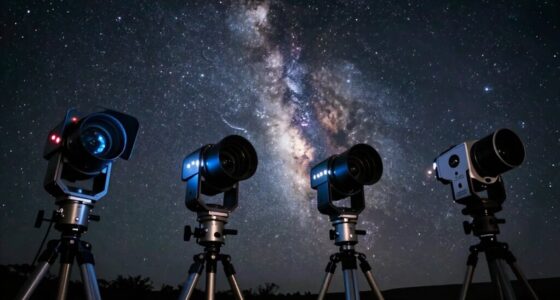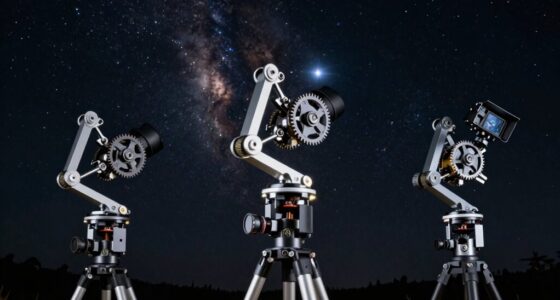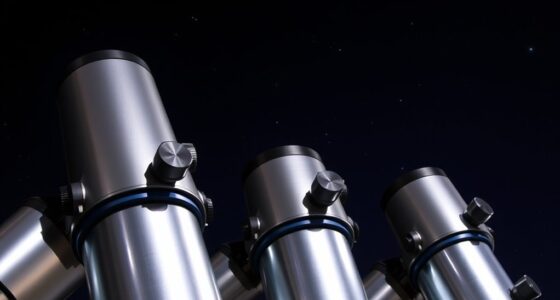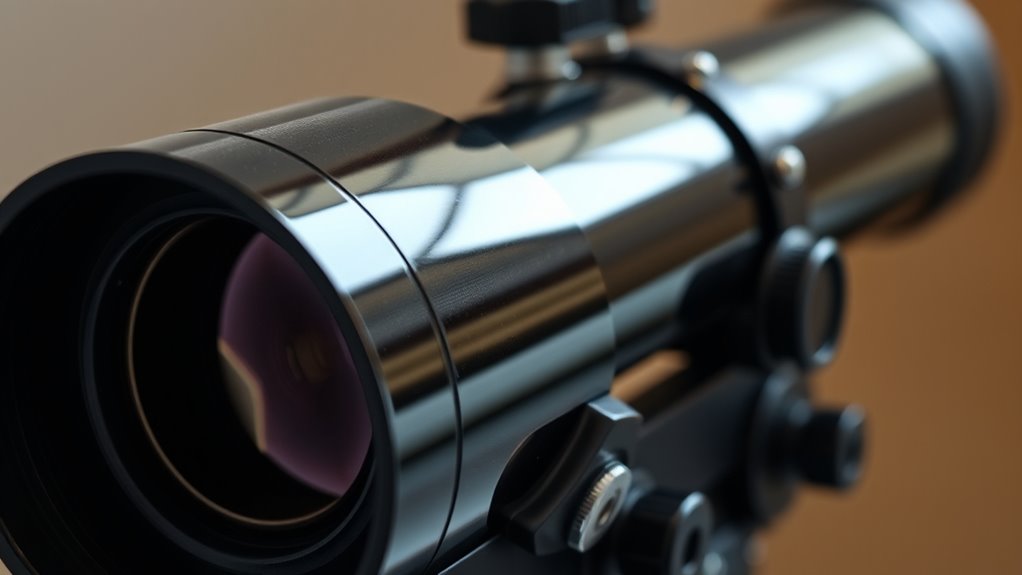

Choosing the right 2 inch apochromatic refractor in 2026 involves balancing optical quality, portability, and budget. The Explore Scientific ED80 Essential Series stands out for its portability and sharp imaging, making it ideal for astrophotographers on the go. The SVBONY SV550 AP0 offers high-quality optics at a budget-friendly price, suitable for those wanting excellent image clarity without high costs. Meanwhile, The Sky-Watcher Evostar 80EDX combines premium FPL-53 glass with a sturdy build, perfect for serious astronomers who prioritize high contrast and durability. However, each has notable tradeoffs: portability versus feature set, price versus optical excellence, and beginner-friendliness versus advanced features.

Get school and study supplies delivered free — and shop member deals
- Fast, free delivery on millions of items
- Access to Prime Big Deal Days deals on October 6–7
- Prime Video, Amazon Music and more included
Key Takeaways
- The Explore Scientific ED80 is the most portable option with excellent astrophotography capabilities.
- SVBONY SV550 offers high-quality optics at a more accessible price point, though with fewer included accessories.
- Sky-Watcher Evostar 80EDX balances optical performance with build quality but is pricier and better suited for experienced users.
- All three provide high-contrast, low-chromatic aberration optics, but differ significantly in features and price.
- Your choice depends heavily on whether portability, budget, or optical quality is your top priority.
| Explore Scientific ED80 Essential Series Air-Spaced Apochromatic 80mm Triplet Refractor Telescope for Astrophotography |  | Best Overall for Portability and Astrophotography | Objective Lens Diameter: 8 centimeters | Focal Length: 480 millimeters | Focal Ratio: f/6 | VIEW ON AMAZON | See Our Full Breakdown |
| SVBONY SV550 AP0 80mm ED F6 Triplet Apochromatic Refractor OTA |  | Best Value for High-Quality Optics | Optical Design: Air-spaced triple optical design | Glass Type: S-FPL51 low-dispersion ED glass | Focus Mount: 2.5-inch magnesium alloy dual-speed (1:10) | VIEW ON AMAZON | See Our Full Breakdown |
| Sky-Watcher Evostar 80EDX APO Doublet Refractor |  | Best for Serious Astronomy and High Contrast | Aperture: 80mm | Focal Length: 600mm | Focal Ratio: f/7.5 | VIEW ON AMAZON | See Our Full Breakdown |
| inch apochromatic refractor | Focal Length | Focal Ratio | Aperture |
|---|---|---|---|
| Explore Scientific ED80 Essent | 480 millimeters | f/6 | — |
| SVBONY SV550 AP0 80mm ED F6 Tr | 480mm | f/6 | 80mm |
| Sky-Watcher Evostar 80EDX APO | 600mm | f/7.5 | 80mm |
More Details on Our Top Picks
Explore Scientific ED80 Essential Series Air-Spaced Apochromatic 80mm Triplet Refractor Telescope for Astrophotography
This model stands out for its compact, lightweight design combined with high-contrast views thanks to ED glass and multi-layer coatings. Its 80mm aperture offers sharp images of planets, nebulae, and star clusters, making it a versatile choice for astrophotographers. Compared with the Sky-Watcher, it’s more portable and easier to set up in different locations, but the manual focus system requires some finesse, and its lightweight build might struggle in windy conditions. The collimation system is precise, ensuring crisp star images, but it lacks motorized focus, which could be a drawback for serious imaging workflows.
Pros:- High-contrast, detailed views with ED glass and multi-layer coatings
- Portable and compact for spontaneous stargazing
- Precise collimation system for sharp star images
Cons:- Manual focus may require fine adjustments
- Lightweight build can limit stability in windy conditions
Best for: Astrophotographers seeking a portable, high-contrast instrument for varied celestial targets.
Not ideal for: Beginners looking for a fully motorized system or deep-sky imaging on a tight budget.
- Objective Lens Diameter:8 centimeters
- Focal Length:480 millimeters
- Focal Ratio:f/6
- Weight:6 pounds
- Dimensions:21″D x 9″W x 9″H
- Exit Pupil Diameter:13.33 millimeters
Our verdict“A versatile, portable choice that excels in astrophotography, especially for those prioritizing image clarity over automation.”
SVBONY SV550 AP0 80mm ED F6 Triplet Apochromatic Refractor OTA
The SVBONY SV550 AP0 offers impressive optical quality with its S-FPL51 low-dispersion ED glass, providing bright, high-contrast images of galaxies and deep-sky objects. Its air-spaced triplet design minimizes chromatic aberration, making it a strong contender for astrophotographers on a budget. However, it does not come with many accessories, and its setup might be more complex for newcomers not familiar with optical alignment or camera adapters. The dual-speed focus mount ensures precise adjustments, but the lack of included mounting hardware could add to initial costs.
Pros:- High-quality apochromatic optics with minimized chromatic aberration
- Bright, high-contrast images suitable for astrophotography
- Lightweight, dual-speed focus mount for precise focusing
Cons:- No included accessories or mounting equipment
- Setup can be complex for beginners
- Limited information on camera compatibility
Best for: Budget-conscious astrophotographers seeking excellent optical performance without sacrificing image quality.
Not ideal for: Beginners who prefer a ready-to-use package or those requiring extensive accessories included upfront.
- Optical Design:Air-spaced triple optical design
- Glass Type:S-FPL51 low-dispersion ED glass
- Focus Mount:2.5-inch magnesium alloy dual-speed (1:10)
- Aperture:80mm
- Focal Length:480mm
- Focal Ratio:f/6
Our verdict“An excellent value pick for experienced users who want high optical performance at a reasonable price.”
Sky-Watcher Evostar 80EDX APO Doublet Refractor
The Sky-Watcher Evostar 80EDX makes a compelling case for those who want a durable, high-performance apochromatic refractor. Its FPL-53 element and 600mm focal length (f/7.5) deliver exceptional contrast and color correction, ideal for detailed planetary and lunar observation as well as astrophotography. The robust build includes a 2.8-inch Crayford-style focuser and full accessories, such as mounting rings and a carrying case, making it suitable for more serious observers. Compared to the other two, it’s less portable but offers superior optical quality and stability. Its higher price point reflects these features, which might be a barrier for beginners or casual users.
Pros:- High-contrast optics with FPL-53 element
- Solid build with comprehensive accessories
- Precise 11:1 focuser for fine focus adjustments
Cons:- Limited aperture size for deep-sky imaging
- Higher price for entry-level users
- Less portable due to size and weight
Best for: Experienced astronomers seeking a durable, high-contrast instrument for detailed observation and imaging.
Not ideal for: Beginners or those looking for a lightweight, budget-friendly option for casual use.
- Aperture:80mm
- Focal Length:600mm
- Focal Ratio:f/7.5
- Lens Element:FPL-53
- Focuser:2.8-inch Crayford-style 11:1
- Accessories:Mounting rings, V-style dovetail, carry handle, padded case
Our verdict“A premium choice for dedicated astronomers who prioritize optical excellence and build quality over portability.”

How We Picked
Our selections are based on a combination of optical quality, build, versatility, and value. We prioritized models with true apochromatic design, reputable optical glass, and features that enhance astrophotography and observation. Price and user feedback also played a role, ensuring that each product offers a distinct role—from budget-friendly options to premium instruments—so that different types of buyers can find a suitable match.
| inch apochromatic refractor | Focal Ratio |
|---|---|
| Explore Scientific ED80 Essent | f/6 |
| SVBONY SV550 AP0 80mm ED F6 Tr | f/6 |
| Sky-Watcher Evostar 80EDX APO | f/7.5 |
Factors to Consider When Choosing 2 Inch Apochromatic Refractor
Choosing the best 2 inch apochromatic refractor depends on your specific observing or imaging needs. Some users prioritize portability for spontaneous trips, while others seek optical performance and durability for serious astrophotography or deep-sky observation. The key factors to consider include optical quality, build robustness, accessory compatibility, and price. Understanding these aspects helps narrow down options that match your skill level and goals.
Optical Quality and Design
True apochromatic optics with low-dispersion ED glass, such as FPL-53, are essential for minimizing chromatic aberration and achieving sharp, high-contrast images. Air-spaced triplet designs generally outperform doublets in correction, but they tend to be more expensive and slightly heavier. For astrophotography, optical precision and color correction are critical, so prioritizing high-quality glass and design pays off in clearer, more detailed images.
Build and Portability
If portability is your primary concern, look for lightweight, compact models like the Explore Scientific ED80. These are easier to transport and set up in different locations. Conversely, if you favor stability and durability, models like the Sky-Watcher Evostar offer a more robust build with premium focusing mechanisms and accessories, though they are less suited to travel.
Features and Accessories
Consider whether the telescope comes with essential accessories such as mounting rings, dovetails, and carrying cases. For astrophotography, features like dual-speed focusers and precise collimation systems are advantageous. Budget models may lack these extras, so factor in potential additional costs.
Price and Skill Level
Entry-level users or hobbyists new to astrophotography may prefer more affordable options like the SVBONY SV550, especially if they don’t require advanced features. Experienced astronomers often find value in the higher-priced Sky-Watcher, which offers superior build quality and optics but demands a higher investment and some familiarity with setup procedures.
Frequently Asked Questions
What is the main advantage of a 2 inch apochromatic refractor?
The primary benefit of a 2 inch apochromatic refractor is its ability to deliver high-contrast, sharp images with minimal chromatic aberration, making it ideal for detailed planetary, lunar, and deep-sky observation or astrophotography. The larger aperture allows more light collection, resulting in brighter images of faint objects compared to smaller scopes.
Are 2 inch apochromatic refractors suitable for beginners?
While some models are accessible for beginners, many 2 inch apochromatic refractors are better suited for intermediate or advanced users due to their optical complexity and setup requirements. Models like the SVBONY SV550 provide a good entry point, but beginners should be prepared for a learning curve in alignment and focusing procedures.
How important is the focuser in a 2 inch apochromatic refractor?
The focuser plays a crucial role, especially for astrophotography, where fine adjustments are necessary for sharp images. A dual-speed or Crayford-style focuser, like those on the Sky-Watcher Evostar or SVBONY, provides more precise control, reducing image shifts during focusing and improving overall image quality.
Can I use a 2 inch apochromatic refractor for deep-sky imaging?
Yes, these scopes are capable of deep-sky imaging, particularly if they feature high-quality optics and stable mounts. However, larger apertures and longer focal lengths generally yield better results, so consider models like the Sky-Watcher for more serious deep-sky work, recognizing that they may require more setup and skill.
What should I consider when choosing between these three models?
Your decision should be based on your primary use—whether portability, optical quality, or budget is most important. The Explore Scientific ED80 offers convenience for casual astrophotographers, the SVBONY SV550 balances quality and affordability, and the Sky-Watcher Evostar 80EDX is ideal for dedicated users seeking premium features and durability.
Conclusion
If you are just starting out or prefer a lightweight, portable setup, the Explore Scientific ED80 is likely your best fit. For those on a budget who still want high-quality optics, the SVBONY SV550 offers excellent value. Serious amateur astronomers and astrophotographers who prioritize optical perfection and build quality should consider the Sky-Watcher Evostar 80EDX, despite its higher price and weight. Each of these options fills a specific niche, so aligning your choice with your observing goals and experience level will lead to the most satisfying experience.
Halloween Picks
halloween
As an affiliate, we earn on qualifying purchases.