
If you’re looking for the 15 best light pollution filters for astrophotography in 2026, I suggest exploring options like the Walking Way 77mm Night Sky Filter, SVBONY 1.25″ UHC, ICE Didymium, HOYA Starscape, and SVBONY 2″ CLS filters. These filters effectively block artificial light while maintaining celestial detail, improving contrast and clarity. Choosing the right filter depends on your equipment and targets. Stick around, and you’ll discover all the key details to help you make the best choice.
Key Takeaways
- The best filters feature high-quality multi-layer coatings that reduce glare and enhance contrast for clearer astrophotography images.
- Compatibility with various equipment like 1.25″ and 2″ eyepieces, telescopes, and cameras ensures versatile use.
- Narrowband and UHC filters effectively block light pollution lines, improving visibility of nebulae and gaseous celestial objects.
- Durable materials such as optical glass and waterproof coatings ensure long-lasting performance in field conditions.
- Top-rated filters offer high light transmission (over 97%) to maintain brightness while reducing unwanted city light interference.
| Walking Way 77mm Night Sky Light Pollution Filter |  | Urban Night Photography | Compatibility: 77mm camera lenses | Coating Technology: 28 anti-reflective layers | Light Pollution Reduction: Significantly reduces urban light pollution | VIEW LATEST PRICE | See Our Full Breakdown |
| SVBONY 1.25″ UHC Astrophotography Filter | 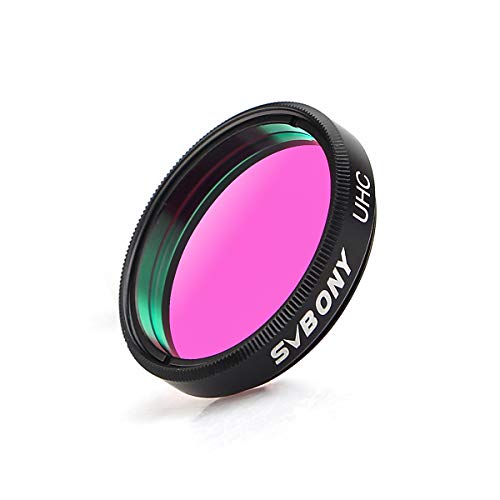 | Astrophotography Enhancement | Compatibility: 1.25″ eyepieces | Coating Technology: Optical glass, durable coating | Light Pollution Reduction: Reduces artificial light, enhances contrast | VIEW LATEST PRICE | See Our Full Breakdown |
| ICE 77mm LiPo Didymium Light Pollution Filter |  | Broadband Light Pollution Reduction | Compatibility: 77mm camera lenses/telescopes | Coating Technology: Optical glass, durable coating | Light Pollution Reduction: Blocks skyglow, reduces light pollution | VIEW LATEST PRICE | See Our Full Breakdown |
| HOYA 77mm Starscape Light Pollution Astrophotography Filter |  | Sky Contrast Booster | Compatibility: 77mm lenses | Coating Technology: Multi-layer HMC coating | Light Pollution Reduction: Blocks sodium and mercury vapor lights | VIEW LATEST PRICE | See Our Full Breakdown |
| SVBONY 2″ CLS Broadband Telescope Filter |  | Deep Sky Imaging | Compatibility: Suitable for CCD, DSLR, color cameras | Coating Technology: Ion-assisted evaporation coating | Light Pollution Reduction: Suppresses city artificial light | VIEW LATEST PRICE | See Our Full Breakdown |
| K&F Concept 100x100mm Night Sky Filter |  | Wide Compatibility | Compatibility: 100x100mm filter holders, compatible with multiple lens sizes | Coating Technology: Multiple-layer nanometer coatings | Light Pollution Reduction: Reduces common light pollution wavelengths | VIEW LATEST PRICE | See Our Full Breakdown |
| SVBONY 2″ UHC Filter for Telescope Astrophotography | 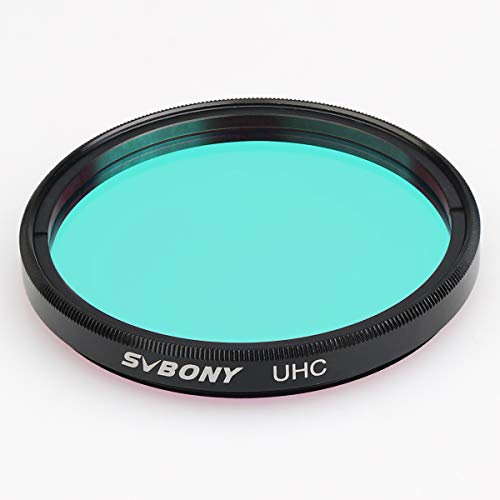 | High Contrast Performance | Compatibility: 2″ telescope eyepieces | Coating Technology: Multi-coating optical glass | Light Pollution Reduction: Blocks city light, enhances contrast | VIEW LATEST PRICE | See Our Full Breakdown |
| HOYA 49mm StarScape Light Pollution Filter | | Compact Wide-Angle | Compatibility: 49mm lenses | Coating Technology: Multi-layer HMC coating | Light Pollution Reduction: Blocks sodium and mercury vapor light | VIEW LATEST PRICE | See Our Full Breakdown |
| UHC 1.25-inch Telescope Filter for Astrophotography | 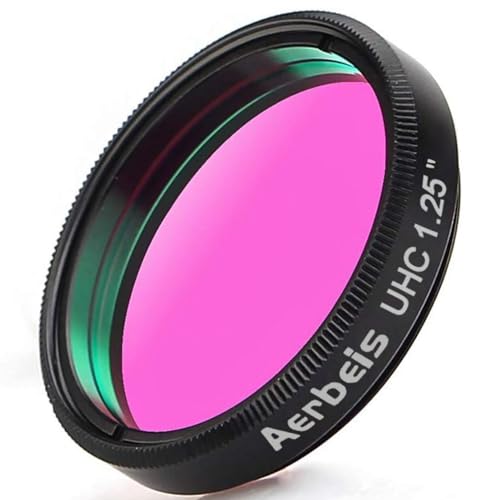 | Versatile Observation | Compatibility: 1.25″ eyepieces | Coating Technology: High-transparency optical glass | Light Pollution Reduction: Reduces light pollution, improves contrast | VIEW LATEST PRICE | See Our Full Breakdown |
| SVBONY SV220 Narrowband Telescope Filter (1.25″) |  | Dual-Band Precision | Compatibility: 1.25″ system cameras/telescopes | Coating Technology: Multi-layer coatings, high transmittance | Light Pollution Reduction: Suppresses city artificial light effectively | VIEW LATEST PRICE | See Our Full Breakdown |
| UHC 1.25-Inch Telescope Filter for Astrophotography | 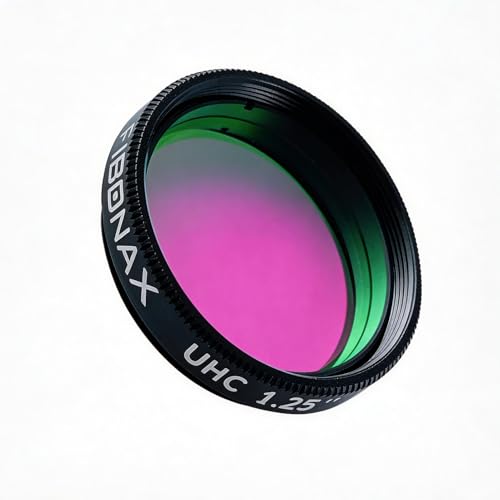 | All-in-One Filter | Compatibility: 1.25″ eyepieces and cameras | Coating Technology: Multi-coated optical glass | Light Pollution Reduction: Blocks sodium and mercury vapor lights | VIEW LATEST PRICE | See Our Full Breakdown |
| SVBONY UHC Telescope Filter for CCD & DSLR | 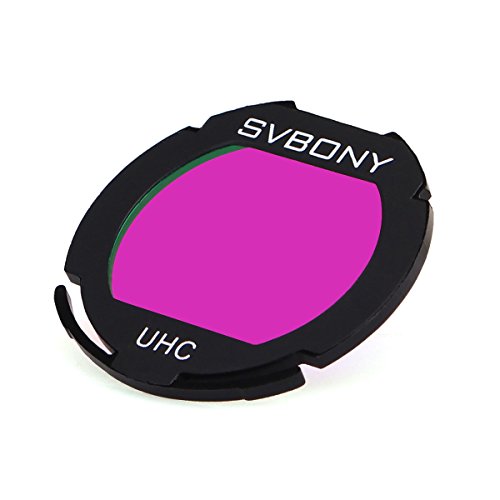 | Clip-On Convenience | Compatibility: Clip-on for EOS, DSLR, CCD | Coating Technology: Multi-layer broadband anti-reflection | Light Pollution Reduction: Reduces artificial and natural skyglow | VIEW LATEST PRICE | See Our Full Breakdown |
| Celestron 1.25-inch UHC/LPR Filter for Astronomy | 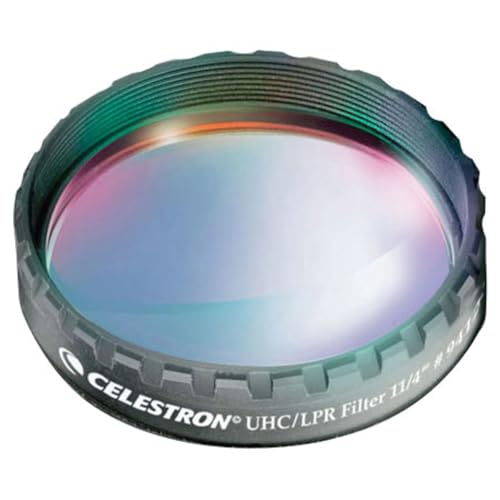 | Natural Sky Clarity | Compatibility: 1.25″ eyepieces and accessories | Coating Technology: Multi-layer dielectric coatings | Light Pollution Reduction: Blocks major light pollution lines | VIEW LATEST PRICE | See Our Full Breakdown |
| K&F Concept 67mm Night Sky Light Pollution Filter |  | Budget Light Pollution Filter | Compatibility: 67mm lenses | Coating Technology: Multi-layer coatings (28 layers) | Light Pollution Reduction: Reduces light pollution effects | VIEW LATEST PRICE | See Our Full Breakdown |
| SVBONY SV240 2-Inch Multi-Narrowband Astrophotography Filter |  | Multi-Target Flexibility | Compatibility: 2″ telescope accessories | Coating Technology: Multiple coatings for durability | Light Pollution Reduction: Eliminates urban light pollution interference | VIEW LATEST PRICE | See Our Full Breakdown |
More Details on Our Top Picks
-
SVBONY Telescope Filter 1.25" UHC Filter Astrophotography to Improve The Image Contrast Reduces Light Pollution (1.25 inch)
UHC filters or light pollution reduction filters are designed to selectively reduce the transmission of certain wavelengths of...
As an affiliate, we earn on qualifying purchases.
Walking Way 77mm Night Sky Light Pollution Filter
If you’re serious about capturing clear, vibrant night sky images from urban areas, the Walking Way 77mm Night Sky Light Pollution Filter is an excellent choice. It effectively reduces city light pollution from streetlights, neon signs, and billboards, boosting contrast and color vibrancy. Made from high-quality neodymium glass, it guarantees sharp, true-to-life images without chromatic aberration. Its 28-layer coatings protect against glare, fingerprints, and scratches, maintaining clarity. Designed for 77mm lenses, it fits securely and comes with a protective case. Perfect for astrophotography, star trails, or cityscape shots, it helps you capture detailed, vivid images even amid bright city lights.
- Compatibility:77mm camera lenses
- Coating Technology:28 anti-reflective layers
- Light Pollution Reduction:Significantly reduces urban light pollution
- Purpose:Night sky and astrophotography
- Material:High-definition neodymium glass
- Size/Format:77mm filter
- Additional Feature:Water-repellent coating
- Additional Feature:Scratch-resistant surface
- Additional Feature:Precise screw-on fit
-
ICE 77mm LiPo Didymium Filter Broadband Light Pollution Reduction for Night Sky/Star Optical Glass
Reduces Light Pollution for Crystal Clear Night Skies
As an affiliate, we earn on qualifying purchases.
SVBONY 1.25″ UHC Astrophotography Filter
The SVBONY 1.25″ UHC Astrophotography Filter stands out as an excellent choice for amateur astronomers seeking to improve their images in light-polluted areas. It enhances contrast and reduces artificial light interference by blocking specific wavelengths, especially those from urban light pollution. Designed for 1.25-inch eyepieces, it’s easy to attach and built with durable optical glass and a sturdy aluminum frame. This makes it perfect for both visual observation and astrophotography. The filter produces darker sky backgrounds and sharper, clearer images of nebulae, making it a versatile accessory for capturing celestial objects from brighter skies.
- Compatibility:1.25″ eyepieces
- Coating Technology:Optical glass, durable coating
- Light Pollution Reduction:Reduces artificial light, enhances contrast
- Purpose:Astrophotography and celestial observation
- Material:Optical glass, aluminum frame
- Size/Format:1.25-inch diameter
- Additional Feature:Aluminum housing construction
- Additional Feature:Protective transparent case
- Additional Feature:Easy to attach/detach
-
HOYA 77mm STARSCAPE Light Pollution Astrophotography Filter – Didymium Glass with Enhanced HMC Multicoating Technolgy - Boost Star-to-Sky Contrast - Reduce Night City Sky Color Cast
BLOCKS LIGHT POLLUTION FOR CRISP, CLEAN NIGHT SHOTS – The Starscape 77 mm lens filter cuts unwanted yellow-orange...
As an affiliate, we earn on qualifying purchases.
ICE 77mm LiPo Didymium Light Pollution Filter
For astrophotographers seeking crystal-clear night skies without the interference of light pollution, the ICE 77mm LiPo Didymium Light Pollution Filter stands out as an excellent choice. It effectively reduces skyglow while preserving the natural color spectrum, ensuring your images remain true to life. Made from high-quality optical glass, it offers both clarity and durability. The double-threaded frame allows easy stacking with other filters, hoods, or caps. Plus, it comes with a protective storage case, making it convenient for transport and storage. Designed for use with 77mm lenses or telescopes, it’s a versatile tool for enhancing night sky photography.
- Compatibility:77mm camera lenses/telescopes
- Coating Technology:Optical glass, durable coating
- Light Pollution Reduction:Blocks skyglow, reduces light pollution
- Purpose:Night sky photography, astronomy
- Material:Optical glass, metal frame
- Size/Format:77mm filter
- Additional Feature:Double-threaded for stacking
- Additional Feature:Optical glass clarity
- Additional Feature:Portable storage case
HOYA 77mm Starscape Light Pollution Astrophotography Filter
Designed specifically for astrophotographers seeking crisp, detailed night sky images, the HOYA 77mm Starscape Light Pollution Astrophotography Filter excels at reducing unwanted skyglow while preserving natural colors. It blocks yellow-orange wavelengths from sodium and mercury vapor lights, minimizing skyglow and city light color cast. Built with advanced Didymium glass and multi-layer HMC coating, it offers over 97% light transmission for high clarity, contrast, and minimal flare. Its slim, lightweight aluminum frame fits 77mm lenses securely, preventing vignetting even with wide-angle setups. Perfect for capturing the Milky Way, auroras, or nightscapes, it enhances celestial details and landscape vibrancy with minimal post-processing.
- Compatibility:77mm lenses
- Coating Technology:Multi-layer HMC coating
- Light Pollution Reduction:Blocks sodium and mercury vapor lights
- Purpose:Astrophotography, deep sky
- Material:Didymium glass, aluminum frame
- Size/Format:77mm filter
- Additional Feature:Multi-layer HMC coating
- Additional Feature:Slim, low-profile frame
- Additional Feature:Natural star separation
SVBONY 2″ CLS Broadband Telescope Filter
If you’re shooting in urban environments where light pollution is a major obstacle, the SVBONY 2″ CLS Broadband Telescope Filter stands out as an excellent choice. Its evaporation with ion-assisted deposition coating technology ensures durability, scratch resistance, and stable performance across temperature changes. The filter offers 90% transmission of key nebula emission lines like H-alpha, OIII, SII, and H-beta, while blocking only 0.1% of artificial light pollution lines such as Na and Hg. Compatible with both CCD and DSLR cameras, it’s ideal for deep sky observation and astrophotography in heavily light-polluted areas, notably enhancing contrast and image quality.
- Compatibility:Suitable for CCD, DSLR, color cameras
- Coating Technology:Ion-assisted evaporation coating
- Light Pollution Reduction:Suppresses city artificial light
- Purpose:Deep sky observation, astrophotography
- Material:Optical glass, metal frame
- Size/Format:2-inch diameter
- Additional Feature:Ion-assisted deposition coating
- Additional Feature:Optimized pass band
- Additional Feature:Suitable for CCD/DSLR
K&F Concept 100x100mm Night Sky Filter
The K&F Concept 100x100mm Night Sky Filter stands out for its ability to markedly reduce light pollution effects, making it an excellent choice for urban astrophotographers. Made from imported AGC optical glass with double-sided nanometer coatings, it offers waterproof, scratch-resistant durability and high-definition clarity. The filter effectively blocks common light pollution wavelengths, enhancing contrast, color accuracy, and detail in night sky images. Its compatibility with lenses from 52mm to 82mm and popular holder brands like Lee and Nisi makes it versatile. Designed with multi-layer coatings, it guarantees minimal reflections and reliable performance in various conditions, perfect for cityscape, architectural, and astrophotography.
- Compatibility:100x100mm filter holders, compatible with multiple lens sizes
- Coating Technology:Multiple-layer nanometer coatings
- Light Pollution Reduction:Reduces common light pollution wavelengths
- Purpose:Night sky, astrophotography, cityscapes
- Material:Optical AGC glass
- Size/Format:100x100mm rectangular
- Additional Feature:Imported optical AGC glass
- Additional Feature:Compatibility with various holders
- Additional Feature:28-layer durable coatings
SVBONY 2″ UHC Filter for Telescope Astrophotography
For astronomers capturing deep sky images in light-polluted areas, the SVBONY 2″ UHC Filter stands out as an essential tool. It enhances image contrast and clarity by effectively reducing light pollution, making celestial objects more visible. This filter passes light around 400nm, filtering out H-alpha and higher wavelengths, which improves the visibility of deep sky objects. Compatible with any 2″ telescope eyepiece featuring an M48×0.75 threaded interface, it’s perfect for both visual and astrophotography use. Made with durable optical glass and an aluminum frame, it’s a reliable, portable accessory that considerably boosts your imaging quality in challenging environments.
- Compatibility:2″ telescope eyepieces
- Coating Technology:Multi-coating optical glass
- Light Pollution Reduction:Blocks city light, enhances contrast
- Purpose:Deep sky, visual and astrophotography
- Material:Optical glass, aluminum frame
- Size/Format:2-inch diameter
- Additional Feature:Threaded M48×0.75 interface
- Additional Feature:Lightweight (~41g)
- Additional Feature:Protective plastic storage box
HOYA 49mm StarScape Light Pollution Filter
Looking to capture clearer, more vibrant night skies without the interference of light pollution? The HOYA 49mm StarScape Light Pollution Filter is a great choice. It reduces skyglow by blocking unwanted yellow-orange wavelengths from sodium and mercury vapor lights, boosting star visibility and contrast. Made with specialized Didymium glass, it preserves natural colors and enhances celestial details during long exposures. Its high light transmission—over 97%—ensures bright, sharp images with minimal reflections. The slim, lightweight design prevents vignetting on wide-angle lenses. Perfect for astrophotography, urban nightscapes, or time-lapses, this filter helps me capture cleaner, more vibrant shots effortlessly.
- Compatibility:49mm lenses
- Coating Technology:Multi-layer HMC coating
- Light Pollution Reduction:Blocks sodium and mercury vapor light
- Purpose:Night sky, astrophotography
- Material:Didymium glass, aluminum frame
- Size/Format:49mm diameter
- Additional Feature:Multi-layer HMC coating
- Additional Feature:Slim, lightweight aluminum frame
- Additional Feature:Vibrant color preservation
UHC 1.25-inch Telescope Filter for Astrophotography
If you’re serious about capturing sharp, detailed images of celestial objects, the UHC 1.25-inch Telescope Filter is a must-have for astrophotography enthusiasts. Designed for compatibility with standard M28.5×0.6mm threading, it fits most eyepieces and astrophotography devices. Made from lightweight, durable aluminum alloy, it’s environmentally friendly and built to last. Its advanced optical glass ensures high transmittance, enhancing contrast by filtering out artificial light and reducing light pollution. Perfect for observing emission nebulae, planetary nebulae, and supernova remnants, it greatly improves image clarity and detail, making your deep-sky astrophotography more vivid and precise.
- Compatibility:1.25″ eyepieces
- Coating Technology:High-transparency optical glass
- Light Pollution Reduction:Reduces light pollution, improves contrast
- Purpose:Deep sky observation, astrophotography
- Material:Optical glass, aluminum frame
- Size/Format:1.25-inch diameter
- Additional Feature:Rotary docking aluminum frame
- Additional Feature:Environmentally friendly materials
- Additional Feature:Precise, high-transparency glass
SVBONY SV220 Narrowband Telescope Filter (1.25″)
The SVBONY SV220 Narrowband Telescope Filter (1.25″) stands out as an excellent choice for astrophotographers working in light-polluted environments, thanks to its dual-band design that targets specific wavelengths. It effectively reduces interference from moonlight and artificial lighting, allowing clearer imaging even in urban areas. The filter enhances contrast and visibility of gaseous and planetary nebulae under all sky conditions. Its design simplifies workflows by combining H-Alpha and O-III filters, reducing post-processing effort. Overall, it enables high-quality deep-sky astrophotography in challenging conditions, making it a versatile tool for capturing celestial objects in less-than-ideal environments.
- Compatibility:1.25″ system cameras/telescopes
- Coating Technology:Multi-layer coatings, high transmittance
- Light Pollution Reduction:Suppresses city artificial light effectively
- Purpose:Deep sky imaging, urban astrophotography
- Material:Coated optical glass
- Size/Format:1.25-inch diameter
- Additional Feature:Dual-band (H-Alpha/O-III)
- Additional Feature:Dual-bandpass capability
- Additional Feature:Enhances contrast in various conditions
UHC 1.25-Inch Telescope Filter for Astrophotography
The UHC 1.25-Inch Telescope Filter stands out for its ability to markedly reduce light pollution while boosting the contrast of emission nebulae, making it an ideal choice for amateur astronomers who want clearer, more detailed views from urban skies. It effectively blocks sodium and mercury streetlight glare, enhancing objects like Orion and Lagoon Nebulae, as well as lunar crater details. Its dual M28.5×0.6 threads enable seamless compatibility with 1.25-inch telescopes and cameras, while stacking options allow for customized setups. Built with multi-coated optical glass, it delivers over 90% light transmission, ensuring bright, sharp images during both observation and astrophotography.
- Compatibility:1.25″ eyepieces and cameras
- Coating Technology:Multi-coated optical glass
- Light Pollution Reduction:Blocks sodium and mercury vapor lights
- Purpose:Emission nebulae, urban astrophotography
- Material:Optical glass, aluminum frame
- Size/Format:1.25-inch diameter
- Additional Feature:Dual M28.5×0.6 threads
- Additional Feature:Lightweight aluminum frame
- Additional Feature:Versatile for skill levels
SVBONY UHC Telescope Filter for CCD & DSLR
Designed as a clip-on filter for EOS cameras, CCDs, and DSLRs, the SVBONY UHC Telescope Filter excels at reducing light pollution while maintaining high transparency. Its 1.25-inch size makes it perfect for both celestial observation and astrophotography. The double-sided multi-layer broadband anti-reflection coating minimizes reflected light, ensuring clearer images. Its ultra-thin cell reduces vignetting and maximizes light transmission, with only 0.1% off-band light passing through. Made from aerometal with CNC machining, it’s durable and unaffected by temperature changes. The black anodized finish prevents reflections, making this filter a reliable choice for enhancing contrast amidst light-polluted skies.
- Compatibility:Clip-on for EOS, DSLR, CCD
- Coating Technology:Multi-layer broadband anti-reflection
- Light Pollution Reduction:Reduces artificial and natural skyglow
- Purpose:Celestial observation, astrophotography
- Material:Aerometal, optical glass
- Size/Format:Clip-on, size varies
- Additional Feature:Aerometal CNC construction
- Additional Feature:Extinction treatment coating
- Additional Feature:Clip-on for EOS cameras
Celestron 1.25-inch UHC/LPR Filter for Astronomy
If you’re looking to improve your celestial views from light-polluted areas, the Celestron 1.25-inch UHC/LPR Filter is a top choice because it effectively blocks common artificial light sources while maintaining high brightness and contrast. It targets wavelengths from mercury vapor, sodium vapor, and natural sky glow, enhancing nebulae visibility. With over 97% transmission, multi-layer dielectric coatings ensure durability and clear images. Its moderate 60nm passband provides a natural view, making it ideal for both visual observation and astrophotography. Though discontinued, it remains popular for boosting contrast and detail in light-polluted environments.
- Compatibility:1.25″ eyepieces and accessories
- Coating Technology:Multi-layer dielectric coatings
- Light Pollution Reduction:Blocks major light pollution lines
- Purpose:Emission nebulae, astrophotography
- Material:Optical glass, aluminum frame
- Size/Format:1.25-inch diameter
- Additional Feature:Multi-layer dielectric coatings
- Additional Feature:Natural view with contrast
- Additional Feature:Suitable for various scopes
K&F Concept 67mm Night Sky Light Pollution Filter
For astrophotographers aiming to capture stunning night skies without interference from light pollution, the K&F Concept 67mm Night Sky Light Pollution Filter stands out thanks to its ultra-slim 0.15 frame. This design minimizes vignetting on wide-angle and telephoto lenses, ensuring a clear and wide field of view. Made with imported AGC optical glass, it delivers high-definition images without color distortion. The filter’s 28 multi-layer coatings provide waterproof, oil-resistant, and scratch-resistant protection, safeguarding your lens over time. As a leading brand, K&F Concept offers a reliable, durable filter that enhances clarity and detail in both starry skies and city night scenes.
- Compatibility:67mm lenses
- Coating Technology:Multi-layer coatings (28 layers)
- Light Pollution Reduction:Reduces light pollution effects
- Purpose:Night sky, city photography
- Material:Optical glass
- Size/Format:67mm diameter
- Additional Feature:Ultra-slim 0.15 frame
- Additional Feature:Waterproof/scratch-resistant
- Additional Feature:High-definition optical glass
SVBONY SV240 2-Inch Multi-Narrowband Astrophotography Filter
Looking for a versatile filter that can handle a variety of astrophotography targets in urban environments? The SVBONY SV240 2-Inch Multi-Narrowband Filter is a great choice. It’s compatible with 99% of systems, meaning you won’t need multiple filters for different targets. Its multi-bandpass feature captures specific wavelengths like Ha, OIII, and H-Beta, delivering vibrant, detailed images. With a cut-off of ≥OD4, it blocks urban light pollution effectively across a broad wavelength range (300-1100 nm). Plus, it’s durable and easy to use, making it ideal for city astrophotographers seeking high performance without complexity or extra cost.
- Compatibility:2″ telescope accessories
- Coating Technology:Multiple coatings for durability
- Light Pollution Reduction:Eliminates urban light pollution interference
- Purpose:Deep sky, nebulae, city skies
- Material:Coated optical glass
- Size/Format:2-inch diameter
- Additional Feature:Broad 300-1100nm spectrum
- Additional Feature:Eliminates multiple light sources
- Additional Feature:Suitable for urban astrophotography
Factors to Consider When Choosing Light Pollution Filters for Astrophotography
When selecting a light pollution filter, I focus on compatibility with my telescope or camera, ensuring it fits perfectly. I also consider the wavelength coverage to target specific light sources, along with optical quality and durability to get clear, lasting images. Finally, ease of use and coatings matter to make my astrophotography sessions smoother and more effective.
Filter Type Compatibility
Choosing the right light pollution filter begins with guaranteeing compatibility with your existing astrophotography gear. First, check that the filter size matches your camera lens or telescope eyepiece to ensure proper fit and secure attachment. Verify the threading or mounting system, such as M28.5×0.6mm or 2-inch, to match your equipment’s standards. It’s essential to confirm the filter is designed for your specific imaging setup—whether visual, DSLR, CCD, or specialized astrophotography systems—to avoid compatibility issues. Additionally, examine the filter’s optical coating and construction to guarantee it works well with stacking or other filters in your setup. Finally, make sure the filter’s connector types and thread standards align with your camera or telescope to prevent vignetting or installation problems.
Wavelength Coverage Range
The wavelength coverage range of a light pollution filter plays a crucial role in its ability to improve your astrophotography. This range determines which artificial light wavelengths the filter blocks or passes, directly affecting its effectiveness. Narrowband filters target specific emission lines like H-alpha, OIII, or SII, offering precise reduction for particular nebulae. In contrast, broadband filters cover a wider spectrum, enhancing general sky conditions and helping with urban light pollution. A broader coverage allows a filter to block multiple unwanted wavelengths at once, boosting contrast in diverse lighting environments. To get the best results, it’s essential to match the filter’s coverage with the emission spectra of your target objects and local light pollution sources, ensuring maximum transmission of celestial signals.
Optical Quality Standards
Optical quality standards are essential for getting the most out of your light pollution filter, as they directly influence how well the filter transmits celestial signals while minimizing distortions. High-quality filters are crafted from optical glass with multi-layer coatings, which boost durability and reduce reflections that can compromise image clarity. Superior optical performance is marked by high light transmittance, often over 97%, helping to preserve image brightness and contrast. Precise manufacturing processes, like CNC machining and anti-reflective coating application, ensure uniformity and sharpness across the entire filter. These standards enable your images to be sharp, clear, and true-to-life in color—crucial for detailed astrophotography and observation. Investing in filters that meet these optical standards guarantees peak performance and better astronomical results.
Durability and Coatings
Durability and coatings are essential factors when selecting a light pollution filter because they directly impact the filter’s longevity and performance in the field. High-quality filters often feature multiple layers of anti-reflective coatings, like 28-layer coatings, which improve optical performance and durability. Sturdy coatings, such as multi-layer dielectric or HMC, offer scratch resistance and water repellency, protecting against environmental damage. These coatings also prevent fingerprint smudges, oil buildup, and unwanted reflections, helping maintain consistent image quality over time. Additionally, coatings with extinction treatments minimize flare and reflections, ensuring clearer images during long exposures. A robust coating system ensures the filter remains effective and intact despite temperature fluctuations and frequent handling, making it a reliable choice for serious astrophotographers.
Ease of Use
When selecting a light pollution filter, ease of use can considerably impact your shooting experience. I look for filters that are simple to attach and remove, preferably with standard threading or quick-connect features. This makes switching filters quick and hassle-free, especially during long sessions. Compatibility with other filters without complex adjustments is also important, so I don’t have to dismantle my setup frequently. Clear instructions or markings help guarantee I install the filter correctly, saving time and preventing mistakes. Durability matters too—coatings that resist dirt and scratches reduce maintenance. Finally, I consider the size and weight; a lightweight, compact filter prevents imbalance and keeps my equipment manageable. Overall, user-friendly design features streamline my workflow and enhance my astrophotography experience.
Light Pollution Reduction Efficiency
To choose the most effective light pollution filter, I focus on its ability to block specific wavelengths emitted by artificial lighting, such as sodium and mercury vapor. Filters with higher reduction efficiency dramatically improve contrast and detail, especially in urban areas. The percentage of light transmission shows how well a filter preserves natural celestial light while blocking unwanted sources. Multi-band or narrowband filters are particularly effective because they target specific light pollution wavelengths more precisely. The overall reduction efficiency directly affects the visibility of faint objects and the clarity of astrophotos taken in light-polluted environments. When selecting a filter, I look for one that balances high reduction efficiency with sufficient light transmission to capture the subtle details of deep-sky objects.
Budget and Value
Choosing the right light pollution filter isn’t just about its performance; it’s also about getting the best value for your money. I recommend considering the filter’s cost relative to its optical quality and features to guarantee you’re making a smart investment. Cheaper filters might save you money upfront but could compromise optical clarity or durability, leading to more frequent replacements or upgrades. It’s important to evaluate whether the performance benefits—like better light pollution reduction and sharper images—justify a higher price. Features such as multi-layer coatings or versatile compatibility can enhance long-term usability and overall value. Finding a balance between your budget and the filter’s effectiveness helps you maximize your astrophotography results without overspending on unnecessary features.
Frequently Asked Questions
How Do Light Pollution Filters Affect Color Accuracy in Astrophotography?
Light pollution filters can slightly alter color accuracy in astrophotography, but I find the impact minimal if I choose quality filters. They mainly block unwanted artificial light, helping stars and deep-sky objects stand out more vividly. Sometimes, I notice a subtle shift in color tones, but overall, the improved contrast outweighs the minor color distortions. With proper post-processing, I can still achieve natural-looking, stunning images.
Are Certain Filters Better for Specific Types of Celestial Objects?
Yes, certain filters work better for specific celestial objects. For example, narrowband filters excel at capturing emission nebulae by isolating specific wavelengths like H-alpha, making details pop even in light-polluted skies. Broadband filters are better for planets and the moon, enhancing contrast without losing color fidelity. I always choose my filter based on the object I’m photographing to guarantee I get ideal detail and clarity.
How Do I Clean and Maintain Light Pollution Filters Properly?
Imagine I’m back in the 1800s with a telescope—cleaning light pollution filters is similar. I gently rinse mine with distilled water, then use a microfiber cloth to wipe away dust or smudges. Never touch the glass with your fingers. Store filters in a protective case when not in use, and clean them regularly to keep your astrophotography sharp. Proper care guarantees your images stay crisp and vibrant.
Can Filters Be Used With Both DSLR and Dedicated Astronomical Cameras?
Yes, I can use filters with both DSLR cameras and dedicated astronomical cameras. They’re designed to be versatile, fitting standard threaded mounts or adapters for different equipment. I always double-check the filter’s compatibility with my camera’s mount size before attaching it. Using the right filter with my camera helps me reduce light pollution and enhances my astrophotography results, regardless of the camera type I’m working with.
What Is the Optimal Exposure Time When Using Light Pollution Filters?
The ideal exposure time with light pollution filters is like finding the sweet spot in a symphony—long enough to capture the universe’s whispers, but not so long that noise overtakes the melody. I usually shoot between 2 to 10 minutes, depending on my equipment and sky conditions. This balance lets me gather enough light without introducing streaks or star trails, ensuring my images stay crisp and celestial.
Conclusion
In my quest for pristine planetary pictures, picking the perfect filter is paramount. By balancing brightness, bandwidth, and budget, I’ve found filters that fight light pollution and foster fantastic astrophotography. Remember, the right filter isn’t just about blocking light; it’s about bringing the beauty of the cosmos into clearer focus. So, select smartly, shoot steadily, and savor the spectacular stars that await beyond the glare. Happy stargazing!