TL;DR

Prime made for students and young adults
- Fast, free delivery for dorm and study essentials
- Prime Video and Amazon Music included
- Member-only deals
The June Bootids, known for their unpredictability, will peak next week. While usually modest, they can produce surprising meteor rates, making them a must-watch event for sky enthusiasts.
The June Bootids meteor shower is expected to reach its peak next week, with the potential for unexpected meteor outbursts. Known for its unpredictability, this shower is generated by debris from comet 7P/Pons-Winnecke and has historically produced sporadic, sometimes spectacular displays. This upcoming event is of interest to astronomers and skywatchers alike, as it could deliver an unusual show despite its typically modest activity.
The June Bootids are active through late June, with the peak predicted between June 20 and June 27, according to the American Meteor Society. While most years see only a handful of meteors per hour, past outbursts have included rates of up to 100 meteors per hour, notably in 1998. The shower results from Earth passing through debris left by comet 7P/Pons-Winnecke, which orbits the sun roughly every six years. The unpredictable nature of this shower has kept astronomers cautious, as recent years have seen lower activity than anticipated, such as in 2010 when fewer than 10 meteors per hour were observed during predicted outbursts.
Potential for Unexpected Meteor Activity Makes June Bootids Noteworthy
This event matters because the June Bootids’ unpredictable behavior can lead to surprising meteor displays, offering both amateur and professional astronomers a rare opportunity to witness an irregular celestial phenomenon. The possibility of a sudden outburst could make this year’s peak particularly exciting, drawing attention from skywatchers worldwide. Additionally, understanding the variability of this shower can contribute to broader research on comet debris streams and meteor activity patterns.
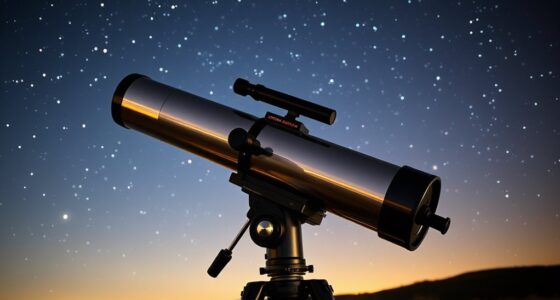
portable telescope for stargazing
As an affiliate, we earn on qualifying purchases.
As an affiliate, we earn on qualifying purchases.
Historical Variability and Comet Debris Connection
The June Bootids have a history of unpredictable activity, with notable outbursts in 1998 and 2004, when meteor rates surged well beyond typical levels. These surges are linked to Earth passing through dense debris trails left by comet 7P/Pons-Winnecke, which orbits the sun approximately every six years. Despite expectations of moderate activity, the shower’s irregular pattern has kept astronomers cautious, as previous predictions have sometimes underperformed, such as in 2010 when activity was minimal.
“The June Bootids are notoriously unpredictable, and this year’s peak could produce anything from a modest display to a surprising outburst.”
— an astronomer
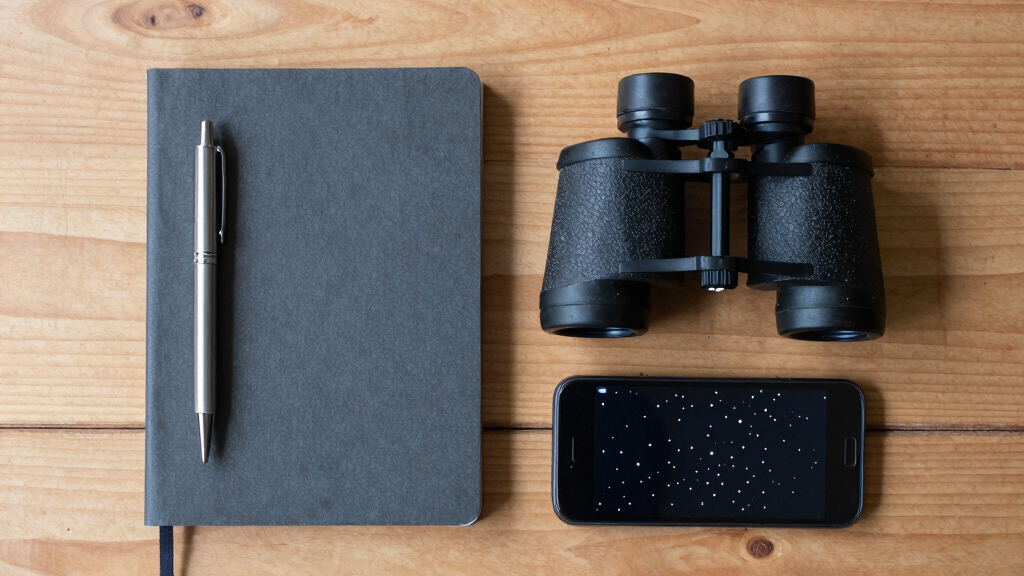
night sky observation binoculars
As an affiliate, we earn on qualifying purchases.
As an affiliate, we earn on qualifying purchases.
Unpredictable Nature of the Shower Limits Forecast Accuracy
While predictions indicate the peak will occur between June 20 and June 27, the actual activity levels remain uncertain. Past outbursts have been sporadic, and it is not yet clear whether this year will produce a significant increase in meteor rates or remain relatively quiet. Astronomers continue to monitor debris streams and orbital data to refine forecasts, but the shower’s inherent unpredictability remains a key factor.
star gazing telescope with tripod
As an affiliate, we earn on qualifying purchases.
As an affiliate, we earn on qualifying purchases.
Monitoring and Observation Tips for Skywatchers
Skywatchers should plan to observe the shower during its peak, especially between June 20 and June 27. Finding a dark, clear location away from city lights will maximize chances of seeing meteors. Experts recommend watching for at least 20 minutes, with the radiant point in the constellation Boötes, located high in the western and southwestern sky during the evening. Continued monitoring and reporting of activity will help astronomers better understand this unpredictable shower in the coming days.
As an affiliate, we earn on qualifying purchases.
Key Questions
How many meteors can I expect to see during the peak?
Most years, the June Bootids produce only one or two meteors per hour, but past outbursts have reached up to 100 per hour. The upcoming peak could vary significantly due to the shower’s unpredictable nature.
What causes the June Bootids to be so unpredictable?
The shower’s activity depends on Earth passing through debris streams left by comet 7P/Pons-Winnecke, which can vary in density and distribution, making activity levels difficult to predict.
When is the best time to view the shower?
The peak is expected between June 20 and June 27, with the best viewing conditions after sunset, away from city lights, and with a clear, dark sky.
How can I photograph meteors during the shower?
Use a camera with a wide-angle lens, set to a high ISO, and a long exposure. Point the camera toward the radiant in Boötes, and be patient to capture streaks of light during the peak hours.
Is this shower visible worldwide?
The shower is visible in the Northern Hemisphere, especially in areas with dark skies. Visibility may vary depending on local weather and light pollution conditions.
Source: Space.com
Fall Picks
fall essentials
As an affiliate, we earn on qualifying purchases.