TL;DR
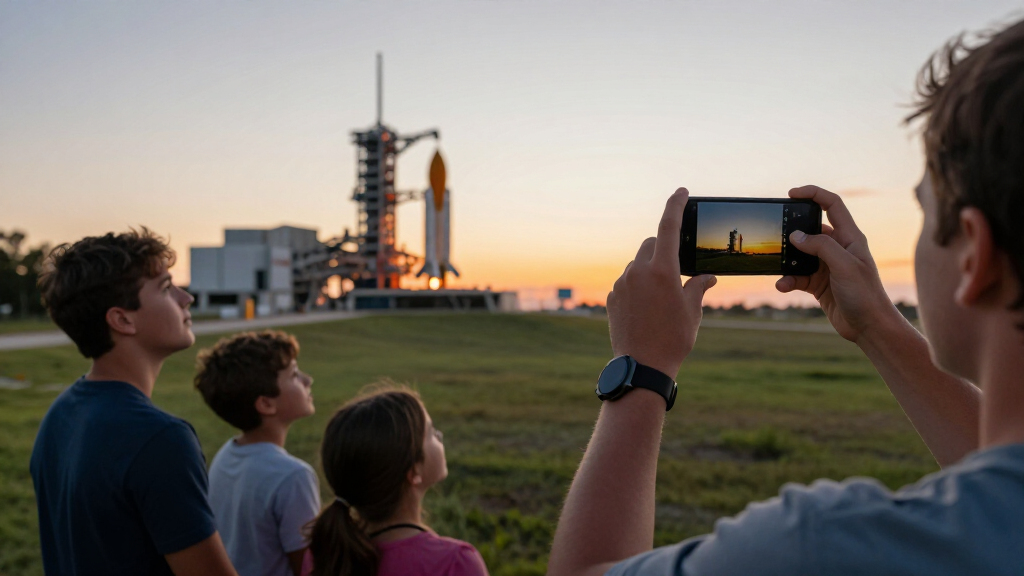
The Kennedy Space Center launch has attracted unprecedented international media coverage, with 60 mentions in a recent reporting window. This surge underscores the event’s growing global importance and public interest.
The Kennedy Space Center’s latest launch has garnered a rise in international media attention, with reports indicating an increase to 60 mentions within a specific reporting window. This level of coverage reflects the event’s relevance and interest within the media landscape, making it a notable topic in recent space-related reporting.

Prime made for students and young adults
- Fast, free delivery for dorm and study essentials
- Prime Video and Amazon Music included
- Member-only deals
According to the data from GDELT, a media monitoring platform, the Kennedy Space Center launch was mentioned 60 times within a recent reporting window, significantly higher than its baseline level. This increase represents a rise in media focus, both domestically and internationally, with coverage spanning news outlets, social media, and scientific forums.
Experts attribute this surge to several factors, including the launch’s technical achievements, its timing amid ongoing space exploration initiatives, and increased public curiosity about space missions. Officials from NASA and associated partners have expressed that the heightened attention reflects broader global interest in space exploration and technological advancements.
While the launch itself was confirmed to have proceeded successfully, details about the specific mission objectives, payloads, and future plans continue to emerge. The event’s coverage has also been amplified by international interest, with media outlets in Europe, Asia, and the Middle East highlighting the launch’s significance.
The Global Media Surge Reflects Growing Public Interest in Space
The increase in media mentions indicates a rising level of public and media interest in space exploration, which may influence public support, funding, and policy decisions related to space programs. The coverage suggests that space launches are increasingly being covered as significant events within the media landscape.
This surge may also influence international collaborations, as countries observe the increased media focus and public enthusiasm. For NASA and other space agencies, the heightened visibility could support efforts to secure political backing and funding for future missions.
Popular right now

Hisense 55E6QF 55-Inch E6 Cinema Series 4K QLED Smart Fire TV

TCL 55-Inch R7D Series QLED 4K UHD HDR Roku Smart TV (55R7D, 2026)

Dyson Airwrap Co-anda2x Multi-Styler and Dryer for Curly and Coily Hair, Ceramic Pink/Rose Gold (2025)
As an affiliate, we earn on qualifying purchases.
Recent Trends in Space Launch Coverage and Public Engagement
Over the past few years, space launches have gained increased media attention, driven by advancements in reusable rocket technology, international competition, and private sector involvement. The Kennedy Space Center, as a historic hub for US space missions, has been central to this renewed interest.
Prior to this surge, coverage was relatively steady, but recent high-profile missions—such as crewed missions to the International Space Station and lunar exploration plans—have contributed to increased media focus on space launches globally. The current spike to 60 mentions in a specific reporting window represents a notable increase in media engagement, according to GDELT data.
Experts note that the timing of this coverage increase aligns with broader efforts by NASA and international partners to maintain public interest and demonstrate progress in space exploration initiatives.
Unclear Factors Behind the Coverage Spike
While the data confirms an increase in mentions, the specific factors contributing to this surge are not fully determined. It remains uncertain whether particular media outlets, social media trends, or geopolitical developments played a significant role. Additionally, the duration of this heightened coverage and its potential influence on public opinion or policy are still to be assessed.
Monitoring Media Trends and Future Launches
Media analysts and space agencies will continue to observe coverage patterns to determine whether this increase represents a sustained trend. Future launches, particularly those involving high-profile missions or international collaborations, are expected to attract further media attention.
Officials plan to utilize this increased visibility to promote upcoming missions, including lunar exploration and Mars projects. Media interest is likely to remain high as these initiatives progress.
Key Questions
What caused the surge in media coverage of the Kennedy Space Center launch?
The increase in coverage appears to be related to the successful technical aspects of the launch, combined with heightened public and media interest in space exploration. Specific triggers are still under analysis.
How significant is 60 mentions in a media monitoring context?
According to GDELT data, 60 mentions within a reporting window represent a notable increase relative to typical levels, indicating a rise in media focus on the event.
Will this increased coverage impact future space missions?
Potentially, as increased media attention can support public support and political backing, which may influence funding and scheduling of upcoming missions.
Is this surge typical for space launches?
This level of coverage is higher than usual and suggests a broader interest in the event, possibly influenced by recent developments or international factors.
What are the next steps for NASA and other space agencies?
They are likely to continue engaging with the media to promote upcoming missions, monitor coverage trends, and collaborate internationally to sustain interest in space exploration.
Source: gdelt