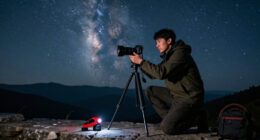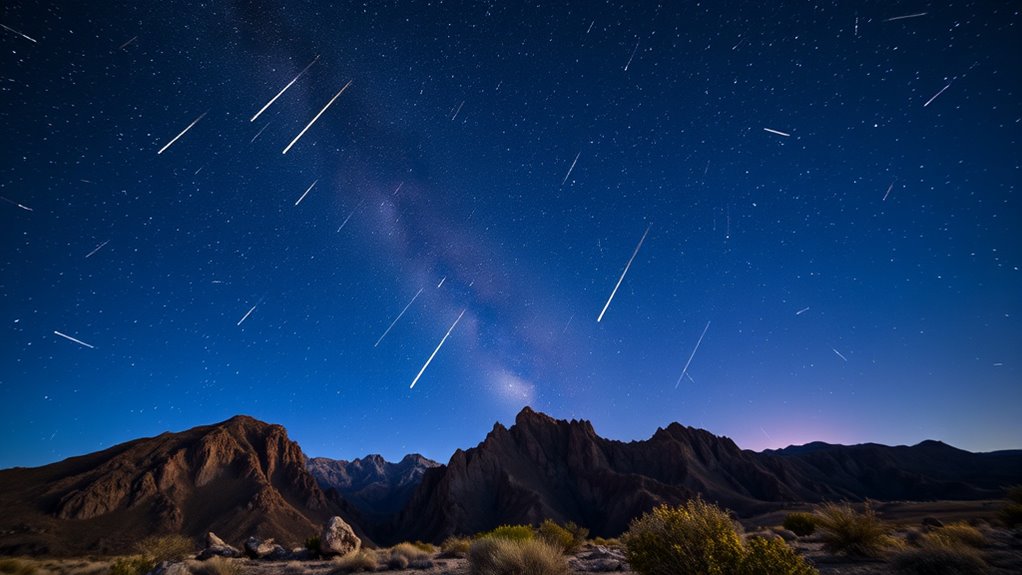
The Geminid Meteor Shower of 2025 promises to be the brightest of the year, offering you the chance to see dozens of meteors rippling across the sky after midnight. To get the best experience, find a dark location away from city lights and allow your eyes time to adjust. Remember to stay safe and comfortable during your watch. Keep exploring to uncover tips on how to make the most of this spectacular celestial event.

Get school and study supplies delivered free — and shop member deals
- Fast, free delivery on millions of items
- Access to Prime Big Deal Days deals on October 6–7
- Prime Video, Amazon Music and more included
Key Takeaways
- Schedule your viewing after midnight when meteors are most frequent and brightest during the 2025 Geminid shower.
- Find a dark, open sky location away from city lights to maximize visibility of the bright meteors.
- Allow at least 20 minutes for your eyes to adjust to darkness for optimal meteor detection.
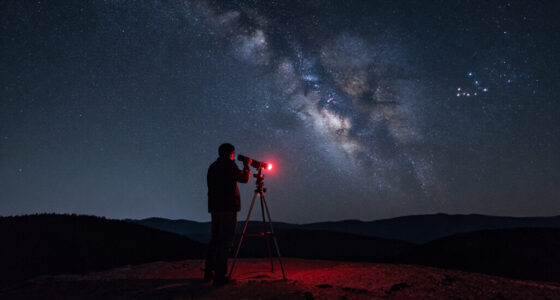
- Use red-filtered flashlight and avoid bright screens to preserve night vision while capturing the event.
- Be patient and prepared; the expansive sky offers the best experience without relying solely on binoculars or telescopes.
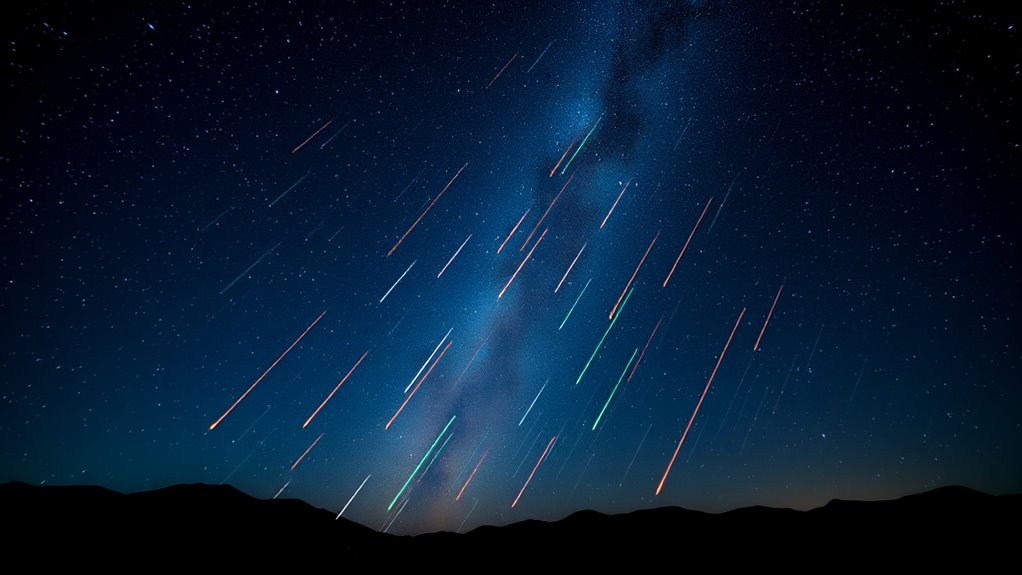
The Geminid Meteor Shower in 2025 promises to be one of the most spectacular displays of the year, offering skywatchers a chance to see dozens of meteors streak across the night sky each hour. This stunning event occurs when Earth passes through the debris trail left behind by asteroid 3200 Phaethon. These tiny particles, called meteoroids, originate from this asteroid, which is thought to be a dormant comet or an extinct asteroid shedding debris over millennia. As these meteoroids enter Earth’s atmosphere at high speeds, they burn up, creating brilliant streaks of light that light up the sky. Understanding meteoroid origins adds to the awe of watching the shower, as you realize these tiny fragments are remnants of a celestial body orbiting the Sun.
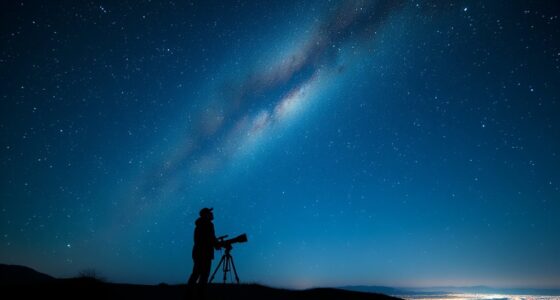
To enjoy the Geminids safely, you need to prioritize viewing safety. First, find a location away from city lights, where the sky appears darker and the meteors are more visible. Bring a comfortable chair or blanket, and dress warmly, as nights can get chilly. It’s best to give your eyes at least 20 minutes to adjust to the darkness—avoid looking at your phone or bright screens, as they diminish your night vision. If you plan to use any telescopes or binoculars, be sure to set them up on stable ground beforehand. Remember, the meteors are best seen with your naked eyes, so don’t rely solely on optics; instead, keep an eye on the expansive sky for the best experience.
While enjoying the shower, always be mindful of your surroundings to prevent accidents, especially in dark or uneven terrain. If you’re watching from a remote location, carry a flashlight with a red filter to preserve your night vision without disturbing your experience or others around you. Be patient, as meteors can appear sporadically, and sometimes the display can be even more impressive than expected. Keep in mind that the brightest and most frequent meteors occur after midnight, so plan your viewing time accordingly.
In essence, understanding where meteoroids come from and practicing viewing safety enhances your experience of the Geminid Meteor Shower. By knowing that these meteoroids originate from asteroid debris and taking precautions to protect your eyes and surroundings, you’ll be ready to witness one of the most dazzling celestial shows of the year. Prepare well, stay safe, and enjoy the breathtaking spectacle that the 2025 Geminids will certainly offer.
As an affiliate, we earn on qualifying purchases.
Frequently Asked Questions
What Is the Historical Peak Brightness of the Geminid Meteor Shower?
You’ll find that the historical peaks of the Geminid meteor shower reach about 120 meteors per hour during ideal conditions. This high meteor brightness makes it one of the brightest showers of the year. When you’re observing, especially during peak times, expect to see a spectacular display with vivid, fast-moving meteors. These peaks are often influenced by moonlight and weather, so clear, dark skies give you the best chances for a brilliant show.
How Can I Best Photograph Meteors During the Shower?
A stitch in time saves nine, so start with good night sky planning. Use a sturdy tripod, set your camera to manual mode, and choose a wide-angle lens. Set ISO around 1600-3200, aperture wide open, and shutter speeds between 15-30 seconds. Keep the focus on the stars, and take multiple shots to increase your chances of capturing meteors. Patience and preparation will make your photos shine.
Are There Any Specific Safety Precautions for Viewing the Shower Outdoors?
When viewing the shower outdoors, prioritize outdoor safety and weather preparedness. Dress warmly, wear layered clothing, and bring blankets to stay comfortable. Check the weather forecast beforehand to avoid storms or heavy rain, and carry a flashlight with red light to protect your night vision. Stay in a safe, open area away from traffic or hazards, and let someone know your plans for added safety.
Will the Moon Phase Affect the Visibility of the Geminids in 2025?
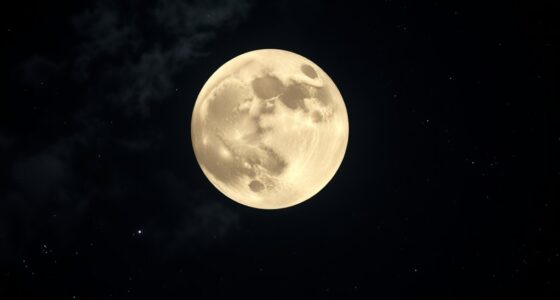
The moon phase will considerably impact your view of the Geminids in 2025. When moon illumination is low, lunar visibility decreases, making the meteors easier to see against the dark sky. Conversely, a full moon with bright illumination can wash out the fainter meteors, reducing visibility. To get the best experience, plan your viewing during a new moon or when the moon is less luminous.
How Do Meteor Showers Differ From Other Celestial Events?
Meteor showers stand out because they’re fleeting, spectacular celestial event distinctions that light up your night sky, unlike steady constellations or planets. You get to witness shooting stars streak across the darkness, a dazzling display of meteor shower characteristics. Other celestial events, like eclipses or planetary transits, last longer and are less dramatic. So, if you crave excitement, meteor showers deliver a burst of cosmic fireworks, reminding you how small and spectacular your universe truly is.
portable camping chair for night sky viewing
As an affiliate, we earn on qualifying purchases.
As an affiliate, we earn on qualifying purchases.
Conclusion
As the Geminid meteor shower lights up the night sky in 2025, seize this cosmic dance like a fleeting treasure. Each streak of light is a whisper from the universe, reminding you to look up and dream. Don’t miss this chance to catch the brightest shower of the year—it’s a celestial fireworks display that paints the darkness with hope and wonder. So, stay awake and let the sky’s brilliance guide your spirit through the night.
night sky binoculars with stable mount
As an affiliate, we earn on qualifying purchases.
As an affiliate, we earn on qualifying purchases.
warm outdoor blanket for stargazing
As an affiliate, we earn on qualifying purchases.
As an affiliate, we earn on qualifying purchases.
Fall Picks
fall essentials
As an affiliate, we earn on qualifying purchases.