
For beginners in 2026, I recommend the OGST Single-Axis Automated Equatorial Mount with APP. It’s easy to set up, offers reliable tracking, and supports various devices via Bluetooth and Wi-Fi. The lightweight design makes it perfect for outdoor use and travel. Plus, its adjustable polar alignment helps guarantee sharp images with minimal effort. Stick with me to explore all the features that make this tracker ideal for newcomers starting their astrophotography journey.
Key Takeaways
- Look for a beginner-friendly star tracker with clear setup instructions and intuitive control apps compatible with iOS and Android.
- Choose a lightweight, portable model designed for easy transport and quick assembly in outdoor environments.
- Prioritize trackers with high tracking accuracy (±10″ over 10 minutes) for sharp astrophotography images.
- Opt for models with multiple power options, including rechargeable batteries or USB power banks, for extended use.
- Ensure compatibility with common cameras and astrophotography gear, with support for open-source or customizable control systems.
| OGST Single-Axis Automated Equatorial Mount with APP | Best For Beginners | Tracking Accuracy: ±10″ periodic error within 10 minutes | Mount Type: Single-axis equatorial mount | Power & Control: Wi-Fi, browser-based interface, open-source control system | VIEW LATEST PRICE | See Our Full Breakdown |
More Details on Our Top Picks
OGST Single-Axis Automated Equatorial Mount with APP
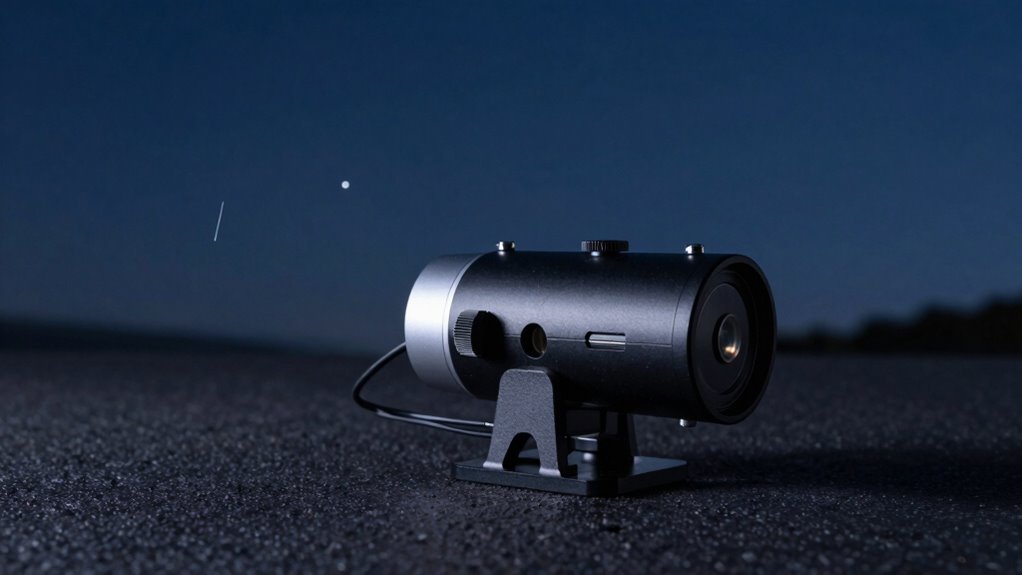
If you’re just starting out with astrophotography or star tracking, the OGST Single-Axis Automated Equatorial Mount with APP is an excellent choice because it offers high-precision tracking in a user-friendly package. It features a precision stepper motor and 1:101.25 gear ratio, achieving a ±10″ periodic error within 10 minutes—perfect for sharp 120-second exposures at 300mm focal length. The dual-mode setup lets you switch between Travel Mode for portability and Fixed Mode for stability during long sessions. Made from lightweight yet rigid materials, it supports payloads up to 4kg. Plus, its open-source control system and easy polar alignment options make it ideal for beginners and experienced astronomers alike.
- Tracking Accuracy:±10″ periodic error within 10 minutes
- Mount Type:Single-axis equatorial mount
- Power & Control:Wi-Fi, browser-based interface, open-source control system
- Portability:1.4kg weight, lightweight construction
- Payload Capacity:Supports up to 4kg
- Alignment Method:Built-in polar scope, smartphone app, pointer
- Additional Feature:Dual-mode operation (Travel/Fixed)
- Additional Feature:Open-source control system
- Additional Feature:Smartphone app assistance
Factors to Consider When Choosing a Star Tracker Kit for Beginners
When choosing a star tracker kit, I consider how well it works with my devices and how simple it is to set up. I also look at its portability, tracking accuracy, and power options to guarantee it fits my needs. Knowing these factors helps me pick a kit that’s easy to use and reliable for my sky-watching adventures.
Compatibility With Devices
Choosing a star tracker kit that works seamlessly with your devices is essential for a smooth astrophotography experience. First, check that the kit is compatible with your operating system and device type, whether it’s a smartphone, tablet, or computer. Consider if it supports Bluetooth, Wi-Fi, or wired connections, based on your preferred way to control and calibrate the device. Make sure the control app or software functions well on your platform, whether iOS, Android, or Windows. Also, verify that the tracker can support your camera or astrophotography gear, including payload weight and mounting options. Finally, explore whether the kit offers open-source or customizable control systems, allowing adaptation to your specific device and personal preferences. Compatibility is key to effortless setup and operation.
Ease of Setup
Selecting a star tracker kit that’s easy to set up can make a huge difference for beginners, saving time and reducing frustration. Look for models with clear, step-by-step instructions or guided tutorials, which can simplify the initial process. Compact and lightweight designs are also beneficial, making assembly quicker and less cumbersome. Features like automatic alignment or built-in polar scopes help streamline calibration, removing guesswork and technical hurdles. Compatibility with common smartphones or dedicated apps can further ease setup by providing visual guides and real-time calibration support. Overall, choosing a kit with intuitive features and straightforward instructions guarantees a smoother start, so you can focus more on capturing stunning night sky images rather than wrestling with complex setups.
Portability and Weight
A star tracker’s portability and weight play a significant role in how easily I can take it on outdoor adventures. A lightweight tracker is much easier to carry, especially for spontaneous trips or hikes. The weight of the tracker also affects how quickly I can set it up and handle it solo. Compact, lightweight kits are perfect for travel, allowing me to explore different locations without hassle. On the other hand, heavier trackers often offer increased stability, but they can be cumbersome to transport and require more effort to set up. Finding a balance between portability, durability, and stability is key. I want a tracker that’s easy to carry and quick to set up, without sacrificing the stability needed for clear, sharp astrophotography.
Tracking Accuracy Levels
Since tracking accuracy directly impacts the clarity of your astrophotography, it’s vital to pay close attention to this aspect when selecting a star tracker kit. Higher precision ensures sharp, long-exposure images with minimal star trails, which is essential for capturing detailed deep-sky objects. For beginners, look for trackers with a periodic error of less than ±10″ over 10 minutes—that’s a reliable standard for steady performance. Precise tracking reduces the need for extensive post-processing corrections and helps you get better results faster. Many beginner-friendly trackers incorporate adjustable polar alignment methods, notably improving accuracy even for those new to star tracking. Generally, enhanced accuracy levels come from advanced motor systems and refined gear transmission ratios, so keep these features in mind when choosing your kit.
Power Source Options
Have you considered how you’ll power your star tracker during those long nights? Power sources are vital, especially for extended astrophotography sessions. You can choose batteries, USB power banks, or AC adapters, depending on your needs. Portable options like rechargeable batteries or power banks are perfect for field use when mains power isn’t available. Some star trackers come with built-in rechargeable batteries, making setup straightforward, while others require external power sources for longer shoots. Battery life and power efficiency are key—longer sessions demand reliable, long-lasting power. Compatibility also matters; verify your power source connects easily with your tracker’s ports, whether standard USB or specific battery types. Selecting the right power option ensures uninterrupted imaging and a smooth experience in the field.
Software and App Support
When choosing a star tracker kit, considering software and app support is essential for a smooth and flexible astrophotography experience. I look for compatibility across multiple devices and operating systems, so I can control my tracker conveniently from different gadgets. An intuitive, user-friendly app with guided setup and calibration is important for beginners, making the learning curve less steep. Compatibility with popular astrophotography software enhances long-exposure imaging and data processing, which I find indispensable for quality results. Regular firmware and app updates keep the system reliable, fixing bugs and adding new features. Open-source or customizable control apps are a bonus, allowing me to tailor tracking functions and integrate additional observational tools as my skills grow. Overall, solid software support makes a significant difference in usability and future-proofing my investment.
Future Expansion Potential
Thinking about future expansion is essential when selecting a star tracker kit for beginners. A modular, upgradeable design allows me to improve tracking accuracy and add new features as I learn and grow. Compatibility with extra accessories or auxiliary devices means I can expand the tracker’s capabilities over time, making it more versatile. Open-source control systems are a game-changer, enabling custom firmware updates and seamless integration of emerging technologies. Supporting increased payload capacity lets me attach larger cameras or additional imaging equipment without needing a new tracker. Finally, a sturdy, adaptable mounting system ensures compatibility with evolving telescope or camera setups. Considering these factors helps me choose a kit that will develop with my skills and projects, offering long-term value and flexibility.
Frequently Asked Questions
How Long Does It Take to Set up a Star Tracker Kit?
Setting up a star tracker kit usually takes me around 10 to 20 minutes. I start by mounting the tracker on my tripod, then carefully align it with the North Star or celestial pole using the provided calibration tools. Once aligned, I fine-tune the settings, which can take a few extra minutes. With some practice, I’ve become quicker, and it’s pretty straightforward to get ready for a night of astrophotography.
Can I Use a Star Tracker Kit for Planetary Photography?
Think of a star tracker like a trusty steed—great for celestial journeys, but not always suited for every quest. Yes, you can use a star tracker for planetary photography, but it’s not ideal. These trackers excel at capturing long-exposure shots of stars and deep-sky objects, not the fast-moving planets. For planetary shots, a dedicated planetary camera or telescope with tracking features is a smarter choice.
Is a Power Source Required for Operation?
Yes, a power source is required for operation. Most star tracker kits need batteries or an external power supply to run motors, sensors, and communication components. I always recommend carrying a fully charged backup battery, especially for longer sessions, to avoid interruptions. Ensuring a reliable power source helps keep the tracker steady and functioning accurately throughout your astrophotography session, so don’t forget to pack extra batteries!
What Is the Typical Lifespan of a Beginner Star Tracker?
Ever wonder how long a beginner star tracker lasts? Typically, these trackers have a lifespan of around 3 to 5 years, depending on usage and maintenance. I’ve found that gentle handling and proper storage can extend their life considerably. Are you prepared to care for your equipment? With proper care, your star tracker can serve you well for many celestial adventures, making every stargazing session worth the investment.
Are There Any Maintenance Tips for Star Tracker Kits?
Yes, there are maintenance tips I recommend for star tracker kits. I always keep the lens clean with a soft, lint-free cloth and avoid touching the glass directly. I regularly check for firmware updates to guarantee the best performance and store the tracker in a cool, dry place to prevent damage. Additionally, I handle the device gently during transport and calibration to maintain accuracy and prolong its lifespan.
Conclusion
In the end, choosing the right star tracker kit is all about finding a tool that fits your needs and sparks your curiosity. The OGST Single-Axis Automated Equatorial Mount with APP stands out as a great starting point, offering simplicity and solid performance. Remember, don’t put all your eggs in one basket—consider future upgrades and compatibility. With the right gear, you’ll be well on your way to reaching for the stars.