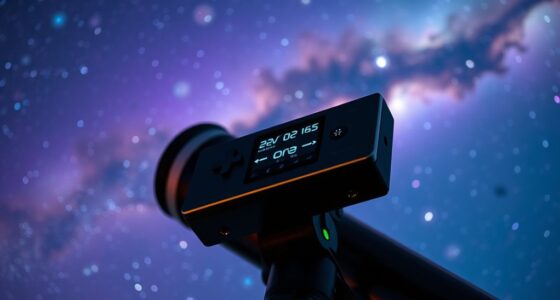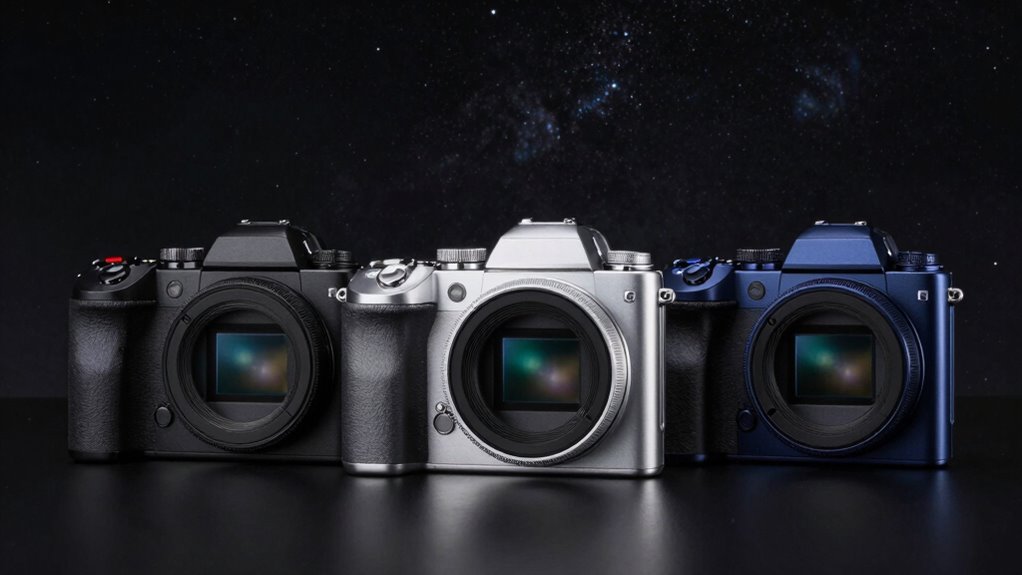
Choosing a cooled camera that minimizes amp glow is essential for capturing clear deep-sky images. In 2026, some models stand out for their advanced cooling systems and high sensitivity, making them appealing for serious astrophotographers. The SVBONY SV405CC offers excellent light capture with its IMX294 sensor and robust cooling, but it requires compatible software and can be complex to operate. The SVBONY SC571CC delivers high resolution and effective cooling with a large APS-C sensor, perfect for detailed deep-sky projects, yet it’s heavier and has a slight learning curve. For those seeking a versatile, high-resolution color camera, the ZWO ASI183MC Pro combines TEC cooling with a compact design, though it’s less suited for long exposures without additional accessories. This guide will help you weigh these options based on your specific imaging needs and setup constraints.

Prime made for students and young adults
- Fast, free delivery for dorm and study essentials
- Prime Video and Amazon Music included
- Member-only deals
Key Takeaways
- Cooled cameras with low amp glow significantly improve image quality during long exposures.
- Sensor type and size directly impact light sensitivity and noise reduction capabilities.
- Cooling efficiency varies, with dual-stage TEC systems providing better noise suppression at the cost of added complexity.
- Compatibility with your existing setup and software is a critical consideration for seamless operation.
- Tradeoffs often involve weight, complexity, and price—more advanced cooling systems tend to be more expensive and heavier.
| SVBONY SV405CC Astrophotography Camera, Cooled Telescope Eyepiece IMX294 |  | Best Overall for Deep-Sky Imaging | Sensor: IMX294, 4/3″ back-illuminated | Pixel Size: 4.63μm | Resolution: 4144×2822 | VIEW ON AMAZON | See Our Full Breakdown |
| SVBONY SC571CC Cooled Color Astronomy Camera, IMX571 CMOS APS-C Sensor |  | Best for High-Res Deep-Sky Imaging | Sensor: IMX571 CMOS APS-C | Resolution: 26MP | Pixel Size: 3.76 µm | VIEW ON AMAZON | See Our Full Breakdown |
| ZWO ASI533MC-P CMOS Color Cooled Astronomy Camera |  | Best for Versatile High-Resolution Imaging | Sensor Resolution: 9 MP | Pixel Size: 3.76 μm | Cooling: TEC, reduces sensor temperature | VIEW ON AMAZON | See Our Full Breakdown |
| ZWO ASI183MC Pro 20.1 MP CMOS Color Astronomy Camera with USB 3.0 |  | Best for High-Resolution Deep-Sky and Solar Imaging | Sensor Resolution: 5496×3672 (20.1 MP) | Pixel Size: 2.4 microns | Cooling: TEC, 40-45°C below ambient | VIEW ON AMAZON | See Our Full Breakdown |
| SVBONY SV605CC Cooled Color Astrophotography Camera, 9MP IMX533 |  | Best for Deep Sky and Panoramic Imaging | Sensor: IMX533 | Resolution: 3008×3008 | Pixel Size: 3.76μm | VIEW ON AMAZON | See Our Full Breakdown |
| cooled camera with low amp glow | Pixel Size | Cooling | Sensor | Resolution |
|---|---|---|---|---|
| SVBONY SV405CC Astrophotograph | 4.63μm | Two-stage TEC, up to 30°C below ambient | IMX294, 4/3" back-illuminated | 4144×2822 |
| SVBONY SC571CC Cooled Color As | 3.76 µm | Dual-stage TEC, -35°C below ambient | IMX571 CMOS APS-C | 26MP |
| ZWO ASI533MC-P CMOS Color Cool | 3.76 μm | TEC, reduces sensor temperature | — | — |
| ZWO ASI183MC Pro 20.1 MP CMOS | 2.4 microns | TEC, 40-45°C below ambient | — | — |
| SVBONY SV605CC Cooled Color As | 3.76μm | Double Layer Semiconductor, up to 30°C below ambient | IMX533 | 3008×3008 |
More Details on Our Top Picks
SVBONY SV405CC Astrophotography Camera, Cooled Telescope Eyepiece IMX294
The SVBONY SV405CC stands out for its high-sensitivity IMX294 sensor, which excels at capturing faint light signals with minimal noise. Its two-stage TEC cooling system can lower sensor temperature by up to 30°C, significantly reducing amp glow during long exposures. Compared with other options, it offers faster data transfer via USB 3.0 and broad compatibility, making it a versatile choice. However, the cooling system adds complexity, and high-resolution images demand substantial storage. This model is ideal for dedicated deep-sky astrophotographers who prioritize image quality over simplicity.
Pros:- High-sensitivity IMX294 sensor with excellent light capture
- Effective cooling reduces noise, ideal for long exposures
- Fast USB 3.0 data transfer
- Wide software compatibility
Cons:- Requires compatible software for full functionality
- Cooling system increases device complexity
- High-resolution images need significant processing power
Best for: Serious astrophotographers focused on deep-sky imaging and long exposures.
Not ideal for: Beginners or users seeking plug-and-play simplicity without complex software setup.
- Sensor:IMX294, 4/3″ back-illuminated
- Pixel Size:4.63μm
- Resolution:4144×2822
- Cooling:Two-stage TEC, up to 30°C below ambient
- Frame Rate:19fps (RAW8), 16fps (RAW16)
- Compatibility:Windows, Linux, Mac OS, Chrome OS, Raspberry Pi
Our verdict“A top choice for deep-sky astrophotographers demanding high sensitivity and low noise, despite its complexity.”
SVBONY SC571CC Cooled Color Astronomy Camera, IMX571 CMOS APS-C Sensor
The SVBONY SC571CC offers a large APS-C sensor with 26MP resolution, making it ideal for capturing intricate details of faint celestial objects. Its dual-stage TEC cooling can lower temperatures by up to 35°C, greatly reducing amp glow and noise. Its front-window heater prevents dew, ensuring consistent imaging sessions. Compared to smaller sensors, this camera provides broader fields of view, but it’s heavier and more demanding in terms of setup. Perfect for advanced amateurs and professionals seeking high resolution and minimal noise in long exposures.
Pros:- High-resolution 26MP APS-C sensor
- Effective dual-stage TEC cooling
- Dew prevention with front heater
- Large sensor for wide-field imaging
Cons:- Heavier and bulkier than smaller cameras
- Requires compatible telescope mounts and software setup
- Advanced features may intimidate beginners
Best for: Experienced users needing high resolution and effective cooling for deep-sky objects.
Not ideal for: Beginners or those with limited space or weight capacity for heavier equipment.
- Sensor:IMX571 CMOS APS-C
- Resolution:26MP
- Pixel Size:3.76 µm
- Cooling:Dual-stage TEC, -35°C below ambient
- Dynamic Range:16-bit, up to 14 stops
- Connectivity:USB 3.0
Our verdict“A superb choice for high-resolution, low-noise deep-sky imaging, especially when detail and image quality are priorities.”
ZWO ASI533MC-P CMOS Color Cooled Astronomy Camera
The ZWO ASI533MC-P delivers impressive versatility with a 9 MP CMOS sensor and TEC cooling, suitable for both astrophotography and planetary imaging. Its compact form makes it easy to mount and operate, and its manual and automatic modes give users flexibility. While its cooling reduces noise effectively, it’s less optimized for very long exposures compared to larger sensors or dedicated deep-sky cameras. The interface can be complex for newcomers, but experienced users will appreciate its balance of resolution and convenience.
Pros:- High-resolution 9 MP sensor
- TEC cooling reduces noise
- Supports manual and automatic modes
- Compact and lightweight
Cons:- Limited water resistance
- Interface complexity may challenge beginners
- Less suited for ultra-long exposures without modifications
Best for: Intermediate users needing a versatile, cooled camera for multiple imaging types.
Not ideal for: Pure deep-sky astrophotographers focusing solely on long exposures without additional accessories.
- Sensor Resolution:9 MP
- Pixel Size:3.76 μm
- Cooling:TEC, reduces sensor temperature
- Video Capture:1080p
- Interface:USB 3.0
Our verdict“A flexible, high-res cooled camera that balances ease of use with image quality, ideal for multi-purpose astrophotography.”
ZWO ASI183MC Pro 20.1 MP CMOS Color Astronomy Camera with USB 3.0
The ZWO ASI183MC Pro offers an exceptional 20.1 MP CMOS sensor with TEC cooling, making it highly suitable for capturing detailed deep-sky images, lunar, and solar scenes. Its high resolution combined with fast USB 3.0 transfer enables real-time focusing and imaging, reducing amp glow during extended sessions. However, its large sensor and high data rate demand powerful processing hardware. It’s best suited for experienced astrophotographers who need a high-res, cooled solution that can handle a variety of targets, though it’s less practical for quick, casual setups.
Pros:- High-resolution 20.1 MP sensor
- TEC cooling reduces sensor noise
- Fast USB 3.0 data transfer
- Compact and durable CNC aluminum body
Cons:- Requires separate power supply
- Less suitable for quick setup or casual use
- Additional accessories may be necessary for full functionality
Best for: Advanced astrophotographers needing high detail and fast data transfer for long exposures.
Not ideal for: Beginners or users with limited processing resources or those seeking simple plug-and-play cameras.
- Sensor Resolution:5496×3672 (20.1 MP)
- Pixel Size:2.4 microns
- Cooling:TEC, 40-45°C below ambient
- Connectivity:USB 3.0
- Buffer Memory:256MB DDR3
Our verdict“A powerhouse for detailed deep-sky imaging, but demands a higher level of setup and processing capability.”
SVBONY SV605CC Cooled Color Astrophotography Camera, 9MP IMX533
The SVBONY SV605CC features a 9MP IMX533 sensor with dual-layer semiconductor refrigeration, capable of lowering sensor temperature by about 30°C. Its compact design and IP54 waterproof rating make it suitable for outdoor use, and it supports Wi-Fi for wireless operation. While it provides excellent detail and effective cooling, the limited waterproof rating and the need for compatible optical systems mean it may not be the best choice in very harsh environments or for quick setups. It’s well-suited for those who want a balanced, reliable cooled camera for various astrophotography applications.
Pros:- Good resolution with 9 MP sensor
- Effective dual-layer refrigeration
- Wireless connectivity
- Compact and robust design
Cons:- Limited waterproof rating (IP54)
- Requires compatible optical systems
- Additional accessories might be necessary
Best for: Deep sky enthusiasts and panoramic sky watchers needing a versatile, cooled camera.
Not ideal for: Those requiring waterproofing beyond IP54 or highly portable solutions.
- Sensor:IMX533
- Resolution:3008×3008
- Pixel Size:3.76μm
- Cooling:Double Layer Semiconductor, up to 30°C below ambient
- Waterproof Rating:IP54
- Connectivity:USB, Wi-Fi
Our verdict“A practical, well-rounded cooled camera suitable for diverse sky imaging, with some limitations in outdoor durability.”

How We Picked
Our selection process focused on cameras that prioritize low amp glow and effective cooling, essential for deep-sky astrophotography. We compared sensor performance, cooling technology, compatibility, and user feedback to identify models suitable for different skill levels and setups. Emphasis was placed on balance—cameras that offer high sensitivity and low noise without requiring excessive complexity or cost. Each product was evaluated against criteria like image quality, ease of use, and value, to create a lineup that caters to beginners, enthusiasts, and advanced astrophotographers alike.
| cooled camera with low amp glow | Sensor | Cooling | Connectivity |
|---|---|---|---|
| SVBONY SV405CC Astrophotograph | IMX294, 4/3" back-illuminated | Two-stage TEC, up to 30°C below ambient | — |
| SVBONY SC571CC Cooled Color As | IMX571 CMOS APS-C | Dual-stage TEC, -35°C below ambient | USB 3.0 |
| ZWO ASI533MC-P CMOS Color Cool | — | TEC, reduces sensor temperature | — |
| ZWO ASI183MC Pro 20.1 MP CMOS | — | TEC, 40-45°C below ambient | USB 3.0 |
| SVBONY SV605CC Cooled Color As | IMX533 | Double Layer Semiconductor, up to 30°C below ambient | USB, Wi-Fi |
Factors to Consider When Choosing Cooled Camera With Low Amp Glow
When selecting a cooled camera with low amp glow, the primary considerations include sensor type and size, cooling capability, compatibility with your equipment, and intended use. Longer exposures require robust cooling to suppress amp glow, so dual-stage TEC systems are often preferred. Sensor size impacts light gathering and image detail, with larger sensors providing broader fields of view. Additionally, ease of integration with your existing setup and software can influence your overall experience. This guide breaks down these factors to help you identify the best match for your astrophotography ambitions.
Sensor Type and Size
Sensor choice directly affects your camera’s light sensitivity and noise performance. Larger sensors like APS-C (used in the SVBONY SC571CC) capture more light, reducing noise and improving image detail during long exposures. Smaller sensors, such as those in the ZWO ASI533MC-P, are more portable and easier to handle but may require more precise focusing and shorter exposures. For low amp glow, sensor efficiency and thermal stability are key—larger sensors with advanced cooling tend to deliver better results in faint object imaging.
Cooling Technology
Effective cooling reduces sensor temperature, significantly decreasing amp glow and thermal noise. Dual-stage TEC systems, like those in the SVBONY SC571CC and ZWO ASI183MC Pro, can lower temperatures by 35-45°C below ambient, offering superior noise suppression. Simpler or less powerful systems may only cool a few degrees, which can still improve image quality but not as dramatically. Keep in mind, more advanced cooling often means heavier, more complex hardware that might require additional power sources.
Compatibility and Software
Ensuring your camera works seamlessly with your existing telescope, mount, and software is vital. Many high-end cameras support popular astrophotography programs like SharpCap, TheSkyX, or ASCOM drivers. Compatibility issues can introduce delays and frustrations, especially when dealing with more complex setups. Lightweight, plug-and-play models may be easier for beginners, whereas advanced systems with extensive features are better suited for experienced users willing to handle additional configuration.
Additional Features
Features like dew prevention, Wi-Fi connectivity, and rugged waterproofing add convenience and durability. Dew heaters prevent fogging on optical surfaces, critical for outdoor imaging. Wireless capabilities simplify setup, especially for remote or mobile observatories. Water resistance ratings, such as IP54, protect against dust and splashes but won’t withstand heavy rain or immersion. Consider these features based on your typical imaging environment and needs.
Frequently Asked Questions
Why is low amp glow important in astrophotography?
Low amp glow is vital because it reduces the false signals that can obscure faint celestial objects during long exposures. Excessive amp glow creates bright artifacts that diminish image quality, making it harder to capture the subtle details of deep-sky objects. Cameras designed with efficient cooling and low amp glow technology allow astrophotographers to extend exposure times without introducing significant noise or artifacts, resulting in clearer, more detailed images.
How does cooling improve image quality?
Cooling significantly lowers the sensor’s temperature, which in turn reduces thermal noise and amp glow. This is especially important for long exposure astrophotography, where sensor heat can produce unwanted bright artifacts. Dual-stage TEC systems are particularly effective, maintaining sensor temperatures well below ambient and ensuring that the noise floor remains low, thus enabling cleaner images with finer details and better signal-to-noise ratios.
What sensor size should I consider for deep-sky imaging?
Sensor size plays a key role in capturing more light and providing better detail. Larger sensors like APS-C or full-frame are preferred for deep-sky and wide-field imaging because they gather more photons and produce images with less noise. Smaller sensors are more portable and easier for quick setups but may require more exposures or post-processing to achieve comparable detail. Your choice depends on your target objects, field of view preferences, and mounting capabilities.
Are all cooled cameras suitable for beginners?
Not all cooled cameras are beginner-friendly. Models with complex cooling systems, extensive features, and software requirements, such as the SVBONY SC571CC or ZWO ASI183MC Pro, can be intimidating for newcomers. Simpler, more integrated models like the ZWO ASI533MC-P offer a balanced approach, combining cooling with straightforward operation. Beginners should prioritize cameras with user-friendly interfaces, good software support, and clear instructions to avoid frustration.
What additional accessories might I need?
Depending on your chosen camera and setup, you may need several accessories for optimal operation. These include power supplies for cooling systems, autoguiders for tracking accuracy, focal reducers, and filters for specific imaging targets. Some cameras require specific mounting adapters or software for controlling long exposures and managing noise. Planning for these extras ensures you get the best results without unexpected delays or limitations.
Conclusion
For dedicated deep-sky astrophotographers who prioritize maximum sensitivity and minimal noise, the SVBONY SC571CC offers outstanding resolution and cooling efficiency. Beginners or those seeking a more straightforward, versatile option might prefer the ZWO ASI533MC-P, which balances features with ease of use. Advanced users aiming for ultra-high resolution and detailed imaging should consider the ZWO ASI183MC Pro despite its setup complexity. Meanwhile, users with flexible needs and moderate budgets will find the SVBONY SV405CC a compelling choice for long-exposure imaging with its excellent light capture and cooling performance.
Evergreen bestsellers Picks
bestsellers
As an affiliate, we earn on qualifying purchases.