TL;DR
NASA APOD for November 25, 2026 cannot yet be confirmed from the information available here: the date is in the future, and there is no verified title, image, or explanation to describe. Check NASA’s official APOD page on that date, then use its confirmed subject and credit to plan an observation or photograph; until then, any specific sky target or gear recommendation would be a guess.
A blank video window can look like a tiny technical hiccup. For a future-dated NASA Astronomy Picture of the Day entry, though, it leaves the central question unanswered: what is actually in the sky story? The date, November 25, 2026, has not arrived, so the title, image, photographer credit, and explanation cannot be confirmed from the details available here.

Prime made for students and young adults
- Fast, free delivery for dorm and study essentials
- Prime Video and Amazon Music included
- Member-only deals
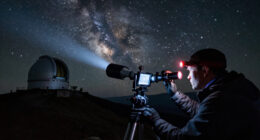
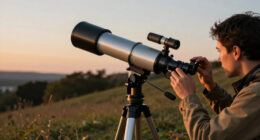
That matters if you want to plan a night outside with a camera. A wide-field lens can frame a constellation, while a long focal length can isolate a small lunar or planetary detail; the right choice depends on the real subject. Guess now and you may pack the wrong kit. This guide separates the few stated facts from the open questions, shows you how to verify the NASA APOD entry when it is published, and gives you a practical way to decide what to photograph from Earth without inventing a target.
The November 25, 2026 NASA APOD subject is not established by the supplied title and video playback notice.
Check NASA’s official APOD page for the actual media, caption, and credit before describing the image.
Use the confirmed target’s apparent size and position to choose wide-field or long-focal-length gear.
A processed astronomical image may use mapped colors or combine data; read the caption before calling its color natural.
You can practice tonight on a verifiable target such as the Moon, recording your settings and local conditions.
Why the November 25 APOD story cannot be confirmed yet
NASA APOD for November 25, 2026 cannot be confirmed from the information currently available because that date is still in the future. A specific object, location, distance, or observing recommendation would go beyond the evidence. The supplied details give a date and the title “NASA Science,” but no verified astronomical subject.
The distinction is like seeing a theater listing with a show date and an empty screen: you know when the event is scheduled, but you do not know what the picture will show. The accompanying text is a video playback notice asking viewers to enable JavaScript and use a browser that supports HTML5 video. That notice describes a viewing problem, not the contents of the video or an object in space.
So if you are searching for what to look for tonight, this entry cannot yet provide a reliable answer. It does not establish that the featured scene is visible from your location, or even that the scene is a single object rather than a broader sky view. A backyard observer in Berlin and one in Sydney also face different skies at the same moment; without a confirmed target and observing date, a direction such as “look east” would be made up.
The honest starting point is modest: the date is known, the subject is not. That keeps an empty placeholder from turning into a confident but false astronomy story.
Popular right now

Dyson Airwrap i.d. 6-in-1 Multi-Styler and Dryer

Roborock Q7 L5 Robot Vacuum and Mop Combo, 8,000 Pa Suction

Dyson V15 Detect Cordless Stick Vacuum
As an affiliate, we earn on qualifying purchases.
What the available NASA APOD details do—and do not—tell you
The available NASA APOD details tell you that an entry is associated with November 25, 2026 and carries the title “NASA Science”; they do not identify what appears in the image. The image credit is stated as NASA, but the material does not name a photographer, telescope, observatory, or specific mission. Those gaps are a reason to wait for the published entry, not fill in a plausible-sounding story.
That distinction matters because “NASA” can refer to many kinds of imagery. One day’s APOD could feature a spacecraft view, a ground-based telescope image, an illustration, or a video. They call for different explanations. A vivid orange nebula in a long exposure is not the same kind of evidence as a labeled diagram or a processed spacecraft image.
The details also include a playback message rather than an image description. If you meet that message on a page, try opening the official APOD entry in a current browser and checking whether the page provides an image, caption, or accessible explanation. A video notice alone cannot tell you whether the scene contains stars, a planet, Earth, or something else.
For now, the responsible summary is short: the listed title and date are not enough to identify an astronomical target. Once NASA publishes the complete page, the caption and credit can anchor a useful explanation.
How to verify the APOD before you plan a skywatch
To verify the NASA APOD entry, check NASA’s official Astronomy Picture of the Day page on November 25, 2026 and compare its title, image or video, credit, and explanation. A reliable observing plan starts with those details because they tell you what the target is and what kind of image you are seeing.
- Open the official APOD page. Confirm that the date and title match the entry you are researching.
- Inspect the media and caption. Look for a visible image or video and read the explanation. If the media fails to load, the caption may still identify the subject, but do not infer details from a playback notice.
- Record the exact credit. NASA may credit a photographer, observatory, mission, or image team. Keep that attribution attached to the image when you discuss it.
- Check whether the subject is observable from your location. Use a current sky chart or planetarium app after you know the target. Check local weather and whether the object rises above your horizon.
- Match the equipment to the confirmed scene. Choose a wide view for a large area of sky and a longer lens or telescope for a small target, if it is visible and suitable for your setup.
For example, if the page turns out to show a large constellation-spanning scene, a 24 mm lens may include its surroundings. A tiny target might call for a tracking mount and a longer focal length. Those are examples of how the decision works, not claims about the November 25 subject.
This quick check prevents a common disappointment: driving to a dark location with a narrow field of view, only to discover that the confirmed target needs a much wider frame—or is not visible where you are.
Choose wide-field or long-lens gear only after you know the subject
Wide-field gear captures a broad patch of sky, while long-focal-length gear frames a smaller target in more detail. Which one fits a NASA APOD story depends on the confirmed subject, its apparent size, and whether you can observe it from your location. Since the subject of the November 25, 2026 entry is unverified here, no particular lens or telescope can be recommended for that image.
Think of the choice like picking between a landscape photograph and a close-up portrait. A wide lens includes context: a bright planet above a roofline, the Milky Way arching over a dark field, or a meteor crossing a constellation. A longer lens can make a small object occupy more of the frame, but it narrows your view and magnifies camera shake. A tracking mount may help for long exposures, though it adds weight and setup time.
If the eventual APOD shows a wide scene, you might start with a tripod-mounted camera and a moderately wide lens, then test a short exposure to see whether stars remain pinpoints. If it shows a compact subject, a telescope or telephoto lens could make more sense—provided the target is bright enough and high enough in your sky. A phone can still record a moonlit landscape or a bright conjunction, but it will not reproduce fine detail from a faint deep-sky object.
The practical tip is simple: confirm the apparent size and location before packing. A quick test shot from home can reveal whether your framing, focus, and exposure need adjustment before you travel.
What makes an astronomical image more than a pretty picture
An astronomical image can communicate scientific information, but its colors and appearance depend on how the data were captured and processed. Without the actual NASA APOD image and caption, you cannot tell whether the November 25 entry uses natural color, filters, compositing, or an artist’s rendering. The caption is the guide to what the image represents.
A useful analogy is a weather map. It does not show the sky exactly as your eyes see it; it translates measurements into colors and symbols so you can notice patterns. Astronomical images may do something similar, mapping light outside human vision into visible colors or combining observations taken at different times. That can reveal structure, but the result is not necessarily a snapshot in ordinary color.
For instance, a space telescope image might combine several wavelength bands to show clouds of gas, while a documentary photograph may present visible light with more familiar colors. An illustration can depict a planet or spacecraft scene that no camera captured in that exact view. These approaches can all be useful, but they answer different questions. A caption that names filters, instruments, or an artistic rendering helps you tell which kind of image you are viewing.
When the entry is available, look for the image credit and explanation before describing its colors as “what you would see.” Processed color can be truthful and informative, but its meaning depends on the data and choices behind it.
What you can photograph from Earth while you wait
You can make a worthwhile sky photograph tonight without pretending it shows the future APOD subject. Pick a target that you can verify in your own sky, then record the date, location, lens, and conditions. That gives your photograph a clear identity and makes it easier to compare your view with the NASA entry after it appears.
Suppose you step outside after dinner and see a bright Moon above a line of rooftops. A wide frame can place it in the scene, showing scale and atmosphere; a longer lens can isolate the lunar disk. If thin cloud softens the edges, that may create a gentle halo, but it also reduces detail. The same weather that makes a pretty photograph can obscure a faint target.
For a first attempt, use a stable tripod, focus carefully on a bright star or distant light, and take a test exposure. Review the result at full size. If the stars look like tiny streaks, shorten the exposure or use a tracking mount; if the scene is too dark, raise the ISO modestly or include a lit foreground. Keep notes rather than relying on memory—especially if you plan to recreate the composition on another night.
These steps turn waiting into practice. When the APOD is confirmed, you will already know how your camera handles focus and exposure, and you can decide whether the actual target suits your gear.
Frequently Asked Questions
What is NASA APOD for November 25, 2026?
The available details list the title “NASA Science,” but they do not confirm the image’s subject or provide a usable explanation. Check NASA’s official APOD page on that date for the published entry.
Can I see the APOD subject tonight, and where should I look?
That cannot be answered until the subject is identified, and visibility also depends on your location, date, local horizon, and weather. Once you know the target, consult a current sky chart for its direction and rise time.
How far away is the object in the image?
No distance can be given because the supplied details do not identify an object. The APOD caption or a cited scientific reference should establish the target before you quote a distance.
Will the APOD image show natural color?
That is not known from the title or playback notice. When the page is available, read its explanation for details about filters, processing, combined observations, or artistic rendering.
What camera or telescope should I use?
Wait until the subject and its apparent size are confirmed. A wide-field lens suits broad sky scenes, while a telephoto lens or telescope can frame a compact target; visibility, brightness, and tracking needs also matter.
Who took the NASA APOD image?
The information provided lists NASA as the image credit, but it does not name an individual photographer or observatory. Use the exact credit on the published APOD page rather than guessing who captured it.
Conclusion
Remember one rule: verify the picture before you plan around it. The November 25, 2026 date and “NASA Science” title do not yet reveal a confirmed object, observing direction, or suitable camera setup. When NASA publishes the full APOD entry, use its caption and credit to separate what the image shows from what you might infer.
Until then, photograph a target you can actually identify. Let the real sky, not an empty video window, set your frame.