
TL;DR
Open a free Amazon Business account
Business pricing, bulk buying and tax-exempt orders.
Create a free accountAs an affiliate, we earn on qualifying purchases.
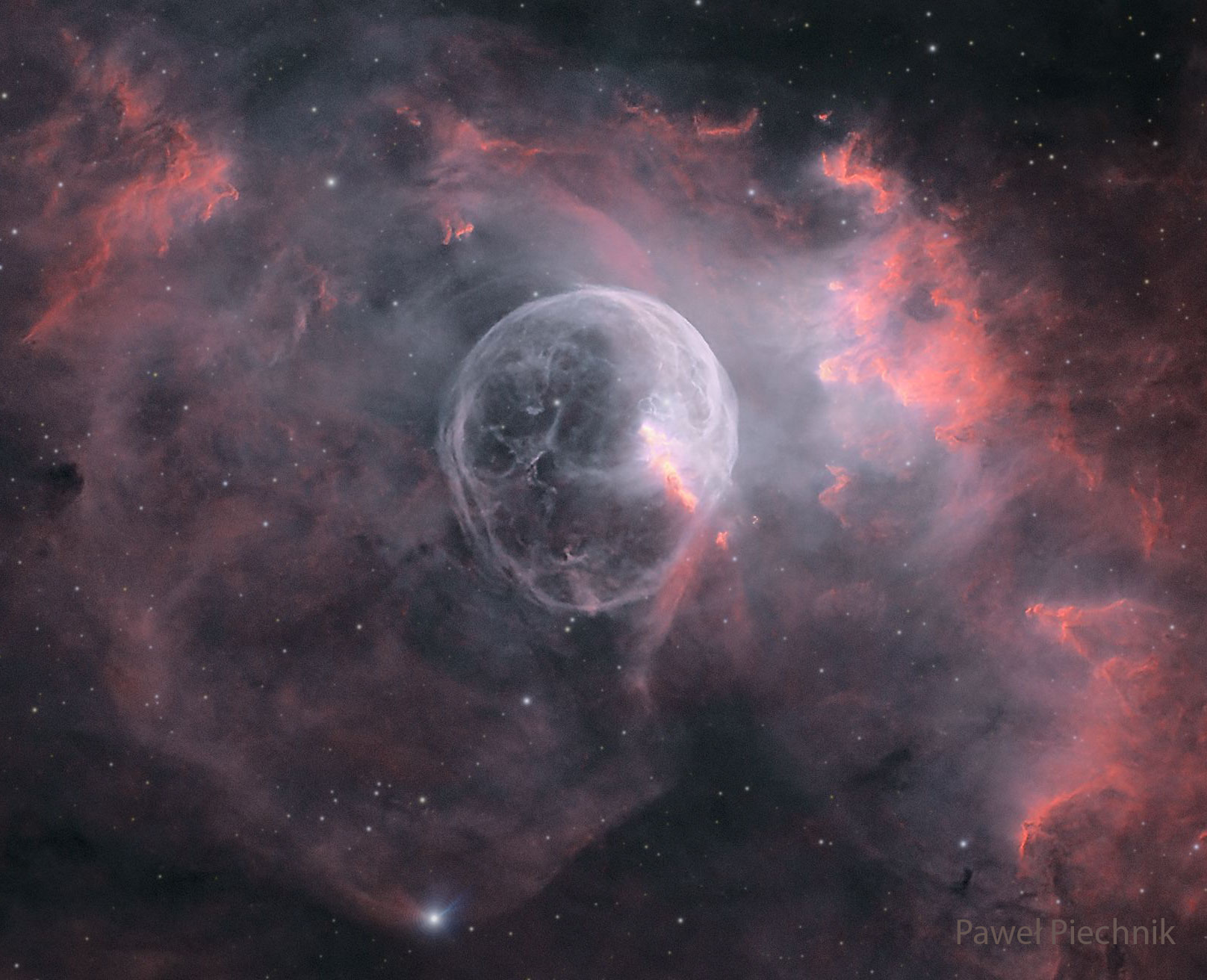
NGC 7635, known as the Bubble Nebula, is a glowing, 7-light-year-wide shell of gas blown by a hot, massive star. This cosmic bubble vividly illustrates stellar winds and feedback, making it a favorite for both scientists and skywatchers alike.
Ever looked up at the night sky and wondered what shapes are hiding among the stars? The Bubble Nebula stands out as one of the most captivating. It’s not just a pretty picture — it’s a cosmic laboratory showing how massive stars influence their surroundings in spectacular ways.
Tonight, you’re going to learn what makes this nebula so unique, how astronomers capture its vivid details, and how you can spot its faint glow from your own backyard. This isn’t just space fluff — it’s the story of a star’s fierce gusts carving out a massive, glowing balloon in the fabric of our galaxy.
The Bubble Nebula is a 7-light-year-wide shell of glowing gas, blown by a fierce stellar wind from a massive, hot star.
Its asymmetric shape results from denser gas on one side, illustrating how environment shapes stellar feedback structures.
Modest amateur telescopes with narrowband filters can detect this nebula under dark skies, especially near Cassiopeia’s M52.
False-color images highlight the nebula’s composition, but in real life, it appears as a faint, ghostly glow.
The central star’s future supernova will dramatically reshape or end the nebula, capturing a fleeting phase of stellar life.
What Makes the Bubble Shape? The Star’s Fierce Wind
The Bubble Nebula’s shape is a direct result of one star’s powerful gusts. The central star, a hot, massive O-type star, blows stellar wind at speeds up to 2,500 km/s. That’s over 2 million miles per hour. This wind pushes against surrounding gas, creating a shockwave that inflates a bubble roughly 7 light-years across.
Imagine a fire hose blasting water into a balloon. Over time, that water pushes the balloon’s walls outward, forming a round shell. Here, the ‘water’ is the star’s wind, and the ‘balloon’ is the glowing gas shell. The result? A shimmering, spherical cavity of ionized gas glowing in shades of red and green.
One key detail: the star isn’t dead center. It sits slightly off to one side, because denser regions of gas on one edge slow down the expansion, making the bubble appear asymmetric — a vivid reminder of how the environment shapes these structures.
Understanding this process is crucial because it demonstrates how stellar winds serve as both sculptors and regulators in star-forming regions. The energy and momentum transferred from the star to the surrounding gas can trigger the collapse of nearby clouds, sparking new star formation, or conversely, disperse material, halting star birth. This feedback loop is fundamental to galaxy evolution, influencing the size, shape, and lifecycle of nebulae and star clusters alike.
amateur telescope for deep sky objects
As an affiliate, we earn on qualifying purchases.
As an affiliate, we earn on qualifying purchases.
How Close and How Big Is It? The Facts You Can Visualize
The Bubble Nebula is roughly 7,000 to 8,000 light-years away in the constellation Cassiopeia. If you could travel at light speed, it would take you that long to reach it. The nebula itself spans about 7 light-years — about 70 trillion miles across, or roughly 1.5 times the distance from our Sun to its nearest star.
Picture a bubble about the size of a small galaxy’s core, but made of shimmering gas instead of stars. When viewing with a telescope, it appears as a faint, glowing shell, best seen with narrowband filters that highlight hydrogen and sulfur emissions.
This distance and size make it an accessible yet awe-inspiring target for both professional and amateur astronomers, especially during autumn nights in the Northern Hemisphere, when Cassiopeia is high in the sky.
Recognizing its scale helps us appreciate the immense energies involved. The nebula’s size indicates a powerful, sustained stellar wind that has pushed outward over thousands of years, shaping the environment on a galactic scale. Its distance emphasizes the vastness of space, reminding us that even objects that appear small or faint are often enormous and energetic, acting as markers of cosmic processes that influence galactic evolution.
narrowband filter for astrophotography
As an affiliate, we earn on qualifying purchases.
As an affiliate, we earn on qualifying purchases.
Capturing the Bubble: Tips for Your Own Skywatching
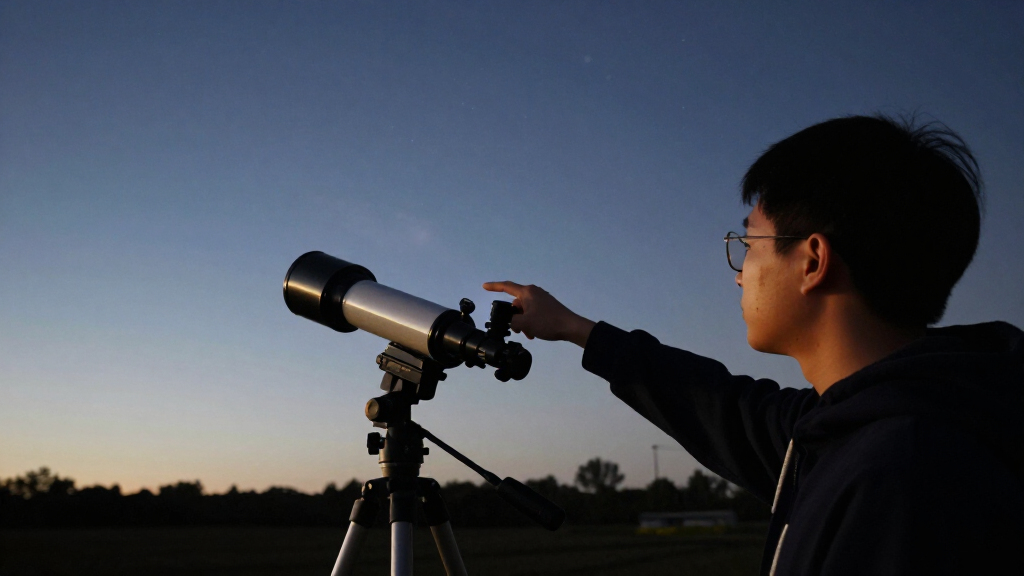
Seeing the Bubble Nebula with your own eyes isn’t easy — but it’s doable. With a modest telescope, around 8 inches in aperture, you can detect its faint glow with the right filters and dark skies. Narrowband filters, especially for hydrogen-alpha and oxygen-III emissions, increase contrast and reveal more detail.
Here’s a quick guide to capturing it:
- Choose a clear, moonless night — the darker, the better.
- Point your telescope near Cassiopeia, close to the open cluster M52.
- Use a low magnification to frame the nebula, then switch to narrowband filters.
- Take long exposures — at least 10-15 minutes — to gather enough light.
- Stack multiple images and process them to bring out the bubble’s delicate details.
Patience is key. Even a small telescope under dark skies can reveal the nebula’s ghostly shell, especially with modern imaging techniques.
Understanding these techniques is important because it empowers amateur astronomers to contribute valuable observations that can help track changes over time, such as expansion rates or structural variations. The process of capturing and analyzing these images deepens our understanding of stellar feedback mechanisms, illustrating how individual observations can inform broader astrophysical theories about star formation and nebula evolution.
As an affiliate, we earn on qualifying purchases.
Colors in the Image: What Do They Really Show?
The vibrant reds and greens often seen in images of the Bubble Nebula are false colors, mapped to specific emissions. In reality, the nebula’s glow is faint and mostly visible as a dim, ghostly shimmer to the naked eye.
The red hues come from hydrogen-alpha emissions, while the green shades highlight doubly ionized oxygen. These colors help scientists analyze the composition and temperature of the gas.
If you look through a narrowband filter, you might notice the nebula faintly glowing in a reddish hue. Without filters, it’s just a faint, fuzzy patch — a reminder of how much modern imaging techniques can reveal that’s hidden from direct view.
Understanding the false colors is important because it allows astronomers to decode the physical conditions within the nebula, such as temperature, density, and chemical composition. These details are essential for constructing accurate models of nebular dynamics and for understanding the lifecycle of stellar feedback structures. Recognizing that these images are processed helps us appreciate the complexity behind astrophotography and the insights it offers beyond what the naked eye can perceive.
As an affiliate, we earn on qualifying purchases.
The Future of the Bubble: What’s Next for This Cosmic Balloon?
The star at the heart of the Bubble Nebula is a ticking time bomb. With a mass 10 to 20 times that of the Sun, it’s destined for a supernova explosion in a few million years. That event will blow apart the remaining gas and possibly reshape the nebula entirely.
Scientists study these structures to understand how massive stars influence their surroundings, triggering new star formation or halting it. The Bubble is a snapshot of a star’s late-life activity — a fleeting moment in cosmic terms.
Future telescopes, like the James Webb Space Telescope, might reveal more about the nebula’s chemistry and how it evolves over time, offering a clearer view of how stars sculpt the galaxy.
Tracking the evolution of the Bubble Nebula over time provides crucial insight into stellar feedback processes. Observing how the nebula expands, interacts with nearby material, or dissipates can inform models of star formation regulation within galaxies. These studies help us understand the balance between star birth and death, and how energy from massive stars shapes the galactic environment on large scales. Such knowledge is fundamental to understanding galaxy evolution and the lifecycle of cosmic structures.
Frequently Asked Questions
Can I see the Bubble Nebula with my own telescope?
Yes, under dark skies with a telescope around 8 inches in aperture. Using narrowband filters for hydrogen-alpha and oxygen-III emissions makes it easier to spot the faint glow of this 7-light-year-wide shell.What causes the bubble shape in NGC 7635?
The shape is created by the stellar wind from the central massive star, which pushes surrounding gas outward, inflating a spherical shell. Denser gas on one side makes the bubble appear asymmetrical.How far away is the Bubble Nebula?
It is approximately 7,000 to 8,000 light-years from Earth, located in the constellation Cassiopeia. Its size spans about 7 light-years across, making it a giant but faint object best observed with good equipment.Why are the colors in images of the nebula so vivid?
Those colors are false, mapped to specific emission lines like hydrogen-alpha (red) and oxygen-III (green). The nebula’s actual glow is faint and mostly invisible to the naked eye, requiring special filters and long exposures to see.What’s next for the Bubble Nebula?
The central star will eventually explode as a supernova, ending or dramatically reshaping the nebula. Studying it helps scientists understand how massive stars influence their surroundings and trigger future star formation.Conclusion
The Bubble Nebula isn’t just a beautiful cosmic bubble — it’s a vivid display of how a single star’s fierce wind sculpts its surroundings. When you gaze at it through a telescope or glance at a detailed image, remember: this structure is a snapshot of a star’s final, fiery act, shaping its environment for millions of years to come.
Next time you look up in Cassiopeia, imagine that glowing shell of gas, a testament to the power of stellar winds. It’s a reminder that even the most delicate-looking structures in space are born from some of the universe’s most violent, energetic processes.
Flea & tick season Picks
flea and tick prevention
As an affiliate, we earn on qualifying purchases.