TL;DR

Prime made for students and young adults
- Fast, free delivery for dorm and study essentials
- Prime Video and Amazon Music included
- Member-only deals
November’s skywatching calendar includes the Southern Taurids peak on Nov. 4–5, a new moon on Nov. 9 and a pre-dawn lineup of Mercury, Venus, Mars and Jupiter from about Nov. 14 to 25. Uranus reaches opposition on Nov. 25, while the month’s full moon is another major date for observers. Visibility depends on location, weather and local light pollution.
November 2026 offers several notable skywatching opportunities, including the Southern Taurids meteor shower peak on Nov. 4–5, a dark-sky window around the Nov. 9 new moon, and a pre-dawn lineup of four planets beginning around Nov. 14. The schedule also includes Uranus at opposition on Nov. 25; actual visibility will depend on local conditions and where observers are viewing from.
The Southern Taurids, active from Sept. 20 through Nov. 20 according to the source guide, are expected to peak during the evening of Nov. 4 and the morning of Nov. 5. The guide estimates about five meteors per hour, describing the shower as modest in rate but capable of producing bright fireballs. The moon is forecast to be 22% illuminated during the peak, which the American Meteor Society characterizes as favorable viewing conditions.
A new moon on Nov. 9 should make that night among November’s darkest, giving stargazers and night-sky photographers a better opportunity to see faint objects than during brighter moon phases. The guide also notes that the moon, Mars and Jupiter appear close together on Nov. 2, with Regulus nearby; on Nov. 3, the moon shifts to the other side of the star. Mars, Jupiter and Regulus remain visible to the unaided eye, weather permitting.
From about Nov. 14 to 25, Mercury, Venus, Mars and Jupiter are expected to appear in a pre-dawn planetary lineup. Mercury will be the hardest to catch, with the viewing opportunity described as roughly 30 minutes before sunrise. Uranus reaches opposition on Nov. 25, when it is opposite the sun in Earth’s sky and generally better positioned for observation. Binoculars or a telescope are recommended for Uranus, Neptune and Saturn’s rings.
Field Notes · Night Sky · November 2026
November’s Sky, Night by Night
A month of bright Taurid fireballs, a moonless observing window and a four-planet pre-dawn lineup. Use these dates as planning markers, then check your local sky and forecast.
Mercury, Venus, Mars and Jupiter are expected in the morning sky from about Nov. 14–25.
01 / The calendar
Best November Viewing Windows
Different nights bring different targets. The best view depends on timing, your horizon, weather and nearby lights.
Moon, planets & Regulus
The Moon appears close to Mars and Jupiter on Nov. 2, with bright Regulus nearby. On Nov. 3, the Moon shifts to the other side of the star.
Naked-eye targetsSouthern Taurids
The shower is expected to peak overnight. Its rate is modest, but it can produce striking bright fireballs. The Moon is forecast at 22% illumination.
Look broadly across the skyNew-moon darkness
A moonless sky offers a useful window for faint stars and night-sky photography, especially from a dark site with clear weather.
Faint-object window02 / Planet watch
What to Look for in the Sky
Broad rise and visibility descriptions vary by location. Check a local chart for exact times and positions.
Mercury
Hardest of the four to catch. Look roughly 30 minutes before sunrise; it reaches western elongation on Nov. 20.
Venus
Moves farther from the Sun during the month, improving its morning visibility.
Mars & Jupiter
Rise around midnight or earlier and remain close together through November. Regulus adds a bright star to the grouping.
Saturn
Visible from evening into the night. Binoculars or a telescope are needed to see its rings clearly.
Neptune
Appears near Saturn, but binoculars or a telescope are recommended to find it.
Uranus reaches opposition
Opposite the Sun in Earth’s sky and generally better positioned for observation. Use binoculars or a telescope.
Clocks move back
For many observers, darkness arrives earlier by the clock. This changes convenience, not the objects’ astronomical positions.
03 / Plan your session
Make the Most of a Clear Night
Dates point you toward the sky; local conditions decide what you can actually see.
For meteors & faint stars
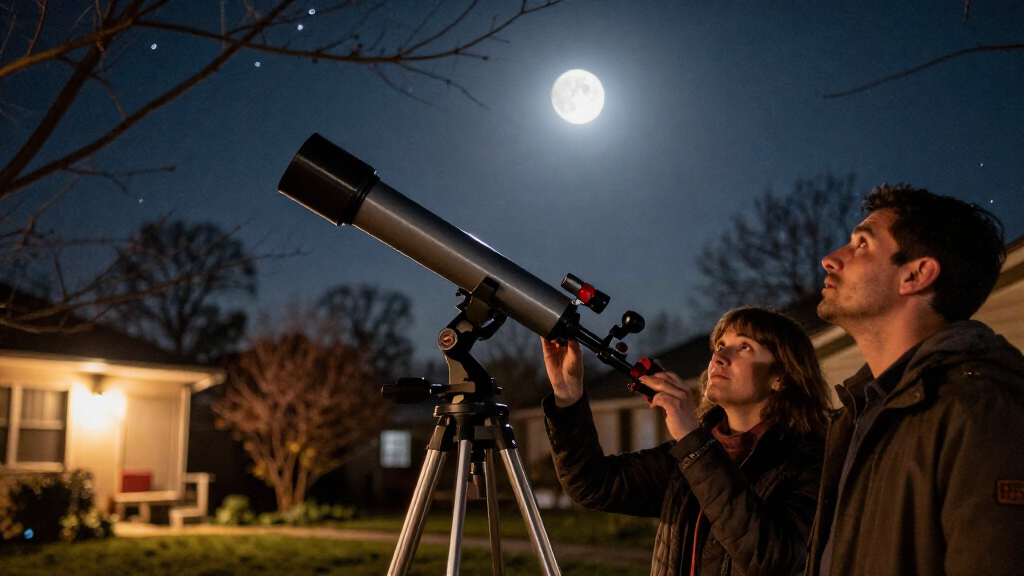
Choose a site away from artificial lights, let your eyes adjust to darkness and watch a broad area of sky rather than focusing only on Taurus.
For planets & the Moon
Check a local sky-chart app for precise rise and set times, especially for the pre-sunrise lineup and Mercury’s short viewing window.
Conditions matter
Clouds, light pollution, a low horizon and your location can hide an otherwise favorable target. A clear forecast and unobstructed view help.
Match the tool to the target
Mars, Jupiter and Saturn are described as naked-eye planets. Binoculars or a telescope are recommended for Uranus and Neptune; optical aid reveals Saturn’s rings clearly.
The supplied guide mentions a full Moon but does not give its November 2026 date or illumination details.
04 / Quick answers
Before You Head Outside
Use these guide estimates as a starting point, then confirm details for your observing location.
When do the Southern Taurids peak?
The evening of Nov. 4 into the morning of Nov. 5. The guide estimates about five meteors per hour; actual counts vary with conditions and location.
When can I see four planets together?
Mercury, Venus, Mars and Jupiter are expected in a pre-dawn lineup from about Nov. 14–25. Mercury is the most difficult to catch.
What is November’s darkest night?
The guide points to the Nov. 9 new Moon as a dark-sky opportunity. Clouds and light pollution still affect visibility.
Can every planet be seen without a telescope?
No. Mars, Jupiter and Saturn are described as visible to the unaided eye. Optical aid is recommended for Uranus, Neptune and Saturn’s rings.
“Favorable conditions”
American Meteor Society · As cited by CNETBest November Viewing Windows
The month’s calendar gives observers several different reasons to head outside: a meteor shower with a chance of bright fireballs, a moonless night for faint stars, and a multi-planet display before dawn. These events are spread across the month, so people do not need to rely on one night or one type of observation.
Timing and location matter. The planetary lineup is a pre-sunrise event, while the Taurids are best watched after dark and through the night. Light pollution can reduce the number of visible meteors and obscure dim objects, and clouds or a low horizon can block otherwise favorable views. The guide’s dates are useful planning markers, not a guarantee that every object will be visible from every location.
Popular right now

Vitamix Propel Series 750 Professional-Grade Blender, 4 Programs, Black

KitchenAid Artisan 5-Qt Tilt-Head Stand Mixer – Almond Cream (KSM150PS)

Shark Rotator Lift-Away Vacuum with DuoClean PowerFins (LA555) – Dark Grey
As an affiliate, we earn on qualifying purchases.
How the Planets Appear This Month
The source guide says all seven other planets can be found in November’s sky at some point, though not all are easy to observe. Mercury and Venus start the month close to the sun, making them difficult to see safely. Mercury reaches western elongation on Nov. 20 and is expected to be easier to spot before sunrise afterward. Venus also moves farther from the sun over the month, improving its morning visibility.
Mars and Jupiter rise around midnight or earlier, with the guide describing them as close together throughout November; Regulus adds a bright star to the grouping. Saturn is visible from evening into the night, while Neptune appears near it but requires optical aid. Uranus is expected to be observable through the night and reaches opposition on Nov. 25. The guide’s broad timings should be checked against a local sky chart, since apparent positions and rise times vary by location.
The source also points to the end of daylight saving time on Nov. 1 as a practical factor: clocks move back, and darkness arrives earlier by the clock for many observers. That can make evening viewing more convenient, though it does not change the astronomical positions of the objects.
““favorable conditions””
— American Meteor Society, as cited by CNET
Visibility Depends on Local Skies
The event dates and viewing descriptions are forecasts, not guarantees. Cloud cover, light pollution, local horizons and the observer’s location can affect whether a planet or meteor is visible and when it rises. The guide does not provide location-specific rise and set times or detailed visibility maps, and its estimate of about five Taurids per hour is an average rather than a promised count for an individual observer.
The supplied source text refers to a full moon in its headline but does not give the full moon’s date or illumination details. Those details cannot be confirmed from the provided material. It also ends during its discussion of the planetary lineup, so any additional events or viewing guidance beyond the supplied text are not established here.
Check Local Forecasts Before Viewing
As each date approaches, observers should check a local astronomy calendar or sky-chart app for precise rise and set times, especially for the Nov. 14–25 planetary lineup and the narrow pre-sunrise window for Mercury. A weather forecast and a site away from artificial lights can help with planning. For the Taurids, allow time for eyes to adjust to darkness and watch a broad area of sky rather than focusing only on Taurus.
The next key dates in the supplied guide are the Nov. 2–3 moon and planet grouping, the Nov. 4–5 meteor peak, the Nov. 9 new moon, the pre-dawn planetary lineup from around Nov. 14, and Uranus at opposition on Nov. 25. The full moon’s date is not specified in the source material and should be checked against a reliable 2026 lunar calendar.
Key Questions
When will the Southern Taurids peak in November 2026?
The guide places the peak during the evening of Nov. 4 and morning of Nov. 5. It estimates around five meteors per hour, though the number seen can vary with conditions and location.
When can I see the four-planet lineup?
Mercury, Venus, Mars and Jupiter are expected to form a pre-dawn lineup from about Nov. 14 through Nov. 25. Mercury is the most difficult to catch because it rises shortly before the sun.
What is the best night for stargazing?
The guide identifies Nov. 9, the new moon, as November’s darkest night. Local weather and light pollution will still affect what is visible.
Can I see every planet without a telescope?
No. The guide says Mars, Jupiter and Saturn are visible to the naked eye, while binoculars or a telescope are recommended for Uranus and Neptune. Saturn’s rings also require optical aid to see clearly.
When is November’s full moon?
The supplied guide mentions a full moon in its headline but does not provide its date or viewing details. Check a reliable lunar calendar for the November 2026 date.
Source: CNET