
TL;DR

Prime made for students and young adults
- Fast, free delivery for dorm and study essentials
- Prime Video and Amazon Music included
- Member-only deals
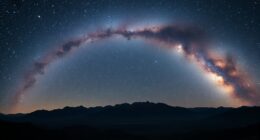
The upcoming week features heightened meteor activity, especially from the Perseids, with peak nights expected around August 12. This provides a prime opportunity for skywatchers to observe shooting stars.
The Perseid meteor shower is expected to reach its peak around August 12, 2026, with increased activity forecast throughout the week of July 25-31. This period offers a significant opportunity for skywatchers to observe up to 100 meteors per hour under optimal conditions, according to the American Meteor Society.
During the week of July 25-31, 2026, meteor activity is predicted to be moderate with sporadic bright meteors visible nightly. The Perseid meteor shower, one of the most prominent annual events, is expected to reach its maximum around August 12, with the best viewing conditions likely in the pre-dawn hours when the moonlight is minimal. The American Meteor Society reports that under dark skies, observers could see up to 100 meteors per hour during peak nights.
Other minor meteor showers may also be active during this period, including the Delta Aquarids, which are known for producing steady but less intense activity. The forecast relies on current orbital data and historical patterns, but actual viewing conditions will depend on local weather and moon phase, which is expected to be favorable for observing the Perseids.
Why the Perseids Peak Matters for Skywatchers
The Perseids are among the most popular meteor showers due to their high activity rate and bright, fast-moving meteors. The 2026 peak offers a rare chance for enthusiasts and casual observers to witness a significant celestial event, especially with the moonlight expected to be minimal, enhancing visibility. This event also provides an educational opportunity for astronomy outreach and public engagement in science.
As an affiliate, we earn on qualifying purchases.
Historical and Forecasted Meteor Shower Activity
The Perseids have a long-standing reputation as one of the most reliable and visually spectacular meteor showers, peaking annually around mid-August. In 2026, the shower’s peak coincides with favorable lunar conditions, which are expected to improve viewing prospects. Past years have seen the Perseids produce up to 200 meteors per hour under ideal dark-sky conditions, although actual rates vary based on weather and observer location.
Forecasts are based on the orbit of Comet Swift-Tuttle, which leaves debris trails that Earth intersects each August. The American Meteor Society and other astronomy groups have been tracking the shower’s activity levels and moon phase to predict the best nights for observation.
“The forecast indicates a promising peak for the Perseids in 2026, with optimal viewing conditions expected in the pre-dawn hours around August 12. Skywatchers should plan for clear, dark skies to maximize their viewing experience.”
— Dr. Lisa Chen, Astronomer at the American Meteor Society
As an affiliate, we earn on qualifying purchases.
Factors That Could Affect Meteor Observation Conditions
While the forecast predicts a peak around August 12, actual meteor rates depend heavily on weather conditions, moonlight, and local light pollution. Cloud cover or high moon brightness could significantly reduce visibility. Additionally, minor variations in the comet debris stream could alter the intensity of the shower compared to current predictions.
It is also not yet confirmed whether any unexpected celestial events or atmospheric phenomena will influence observation conditions during the peak nights.
As an affiliate, we earn on qualifying purchases.
Monitoring and Preparing for the Meteor Shower Peak
Astronomy organizations and observers are encouraged to monitor weather forecasts and moon phase updates as the peak approaches. The American Meteor Society and other groups will likely issue specific viewing recommendations and updates closer to the date. Planning to observe in dark, rural areas away from city lights will improve the chances of seeing the maximum number of meteors.
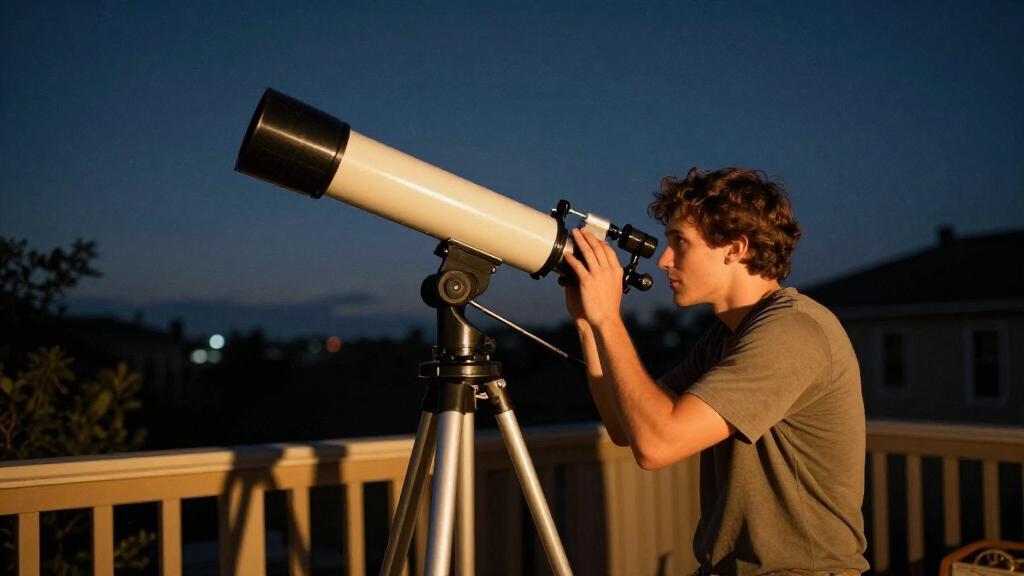
Skywatchers should also prepare by checking their equipment, such as binoculars or telescopes, and familiarizing themselves with the peak nights for optimal viewing around August 12, 2026.
As an affiliate, we earn on qualifying purchases.
Key Questions
When is the best time to see the Perseids in 2026?
The peak is expected around the pre-dawn hours of August 12, 2026, with the best viewing conditions likely just before dawn when the sky is darkest and the moonlight is minimal.
How many meteors can I expect to see during the peak?
Under ideal dark-sky conditions, observers could see up to 100 meteors per hour, although actual rates may vary depending on weather and local light pollution.
Will the weather affect the meteor shower viewing?
Yes, clear skies are essential for optimal viewing. Cloud cover, rain, or high moon brightness can significantly reduce visibility of meteors.
Are there other meteor showers visible during this week?
Yes, minor showers like the Delta Aquarids may also produce visible meteors, but they are generally less intense compared to the Perseids.
How can I best prepare for viewing the meteor shower?
Find a dark, open area away from city lights, check weather forecasts, and plan to watch during the pre-dawn hours for the best chance to see the maximum number of meteors.
Source: google-trends
Fall Picks
fall essentials
As an affiliate, we earn on qualifying purchases.