
TL;DR

Prime made for students and young adults
- Fast, free delivery for dorm and study essentials
- Prime Video and Amazon Music included
- Member-only deals
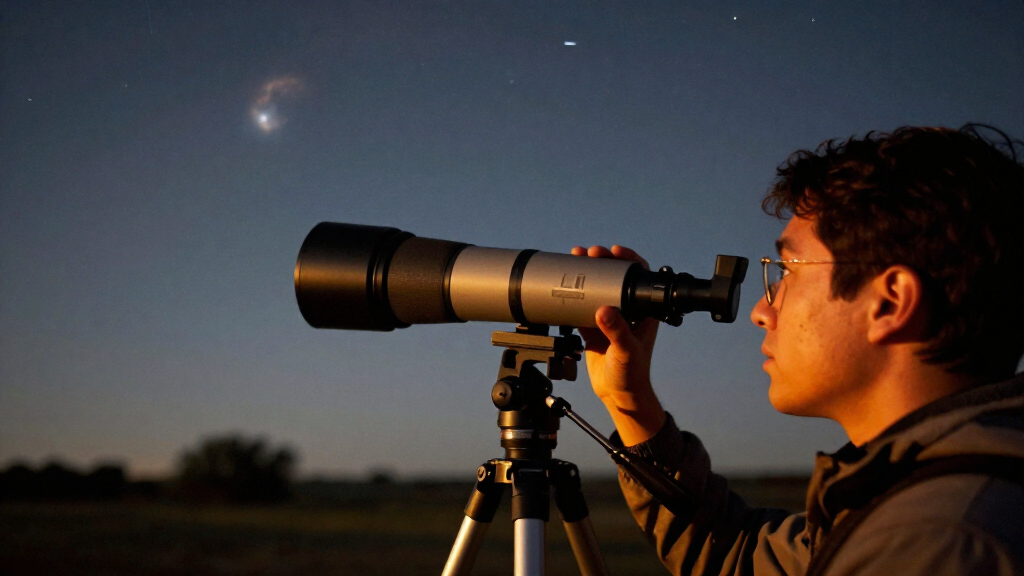
A bright meteor, vaporizing as it streaks across the sky, appears to photobomb the Lacerta Nebula in a stunning NASA image. This event highlights how small space debris burns up high in Earth’s atmosphere, creating spectacular visuals that connect us to the cosmos.
Ever seen a shooting star that seems to explode in a flash, leaving a trail of fiery glow? Now imagine that moment captured in a high-definition photo, with a nebula in the background. That’s exactly what NASA’s latest APOD picture shows: a vaporizing meteor crossing the sky, photobombing the glowing Lacerta Nebula.
This scene isn’t just a pretty picture. It’s a window into the fiery dance of space debris hitting Earth’s atmosphere at thousands of miles per hour. You’ll learn what makes meteors burn so brightly, why this one looks like it’s “photobombing” a cosmic nursery, and how amateur astrophotographers can chase moments like these.
A vaporizing meteor burns so intensely that it excites surrounding gases, creating colorful, fleeting trails in the sky.
Capturing such moments requires planning: wide lenses, long exposures, and dark, moonless nights increase success.
The contrast between tiny meteors and distant nebulae highlights how small space debris can create dramatic visual stories from Earth.
Spectroscopic analysis of vaporizing meteors reveals their elemental makeup, providing clues about their origins.
Meteor showers like the Perseids offer prime opportunities to catch bright meteors, especially when the sky is dark and clear.
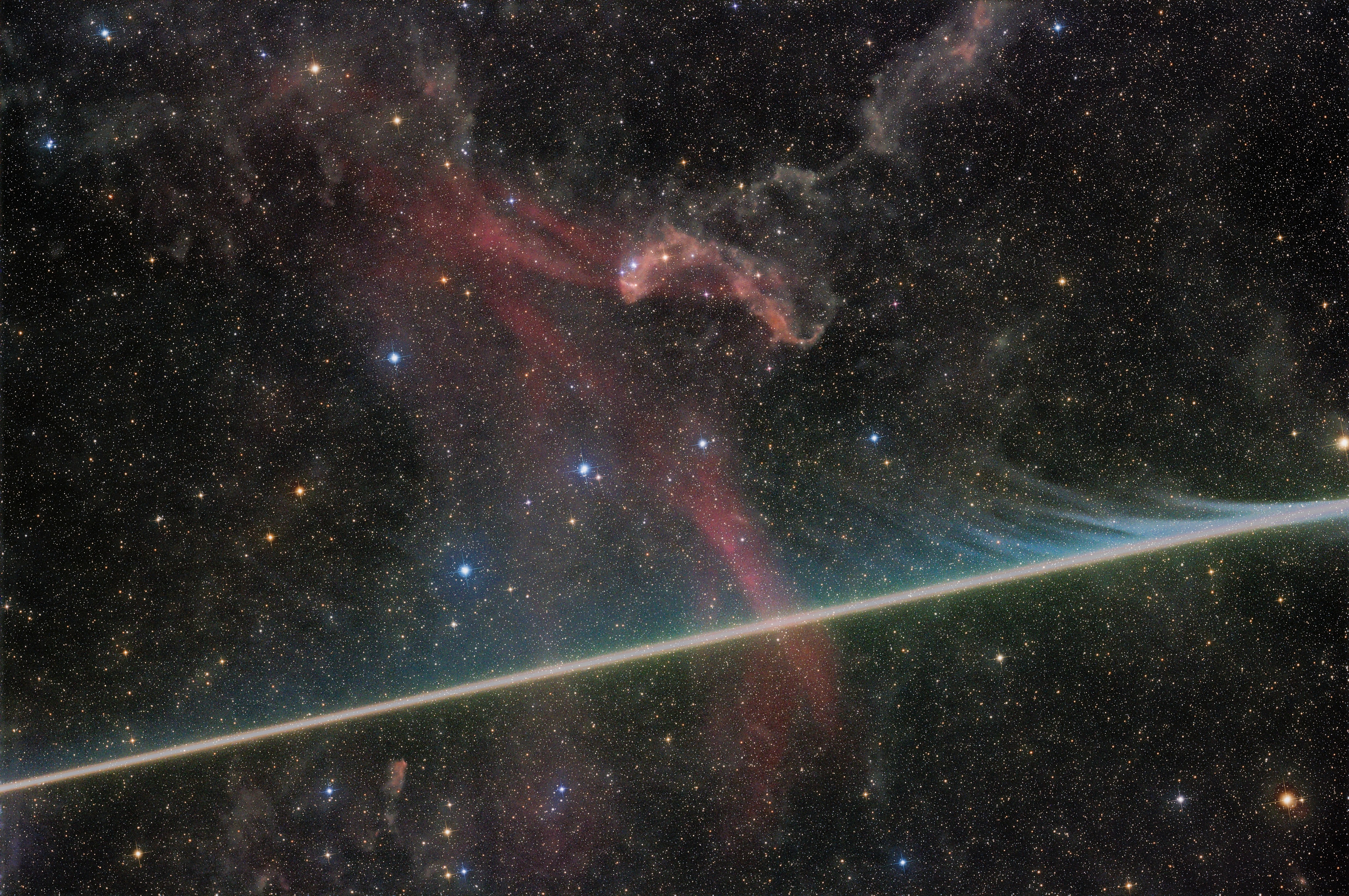
What makes this meteor explode in such a fiery flash?
The meteor’s bright, fleeting glow comes from friction — high-speed space debris heats up as it plunges into Earth’s atmosphere. This particular meteor is described as vaporizing, meaning it burns so intensely that it essentially melts away before reaching the ground.
Imagine a tiny pebble hurtling at 50,000 miles per hour, heating air around it to thousands of degrees. The intense heat causes the meteoroid to glow brightly — often yellow, orange, or even green, depending on its composition. The vaporized gas and dust then scatter light, creating that dramatic, colorful trail.
In this image, the meteor’s glow is so bright that it appears almost like a flash of lightning in the night sky, but it’s actually the vaporizing process at work—like a mini explosion of cosmic dust burning up in Earth’s fiery embrace.
Understanding this process helps us appreciate the delicate balance of space debris entering our atmosphere. While most meteors burn up harmlessly, some can survive their fiery passage and land as meteorites, offering scientists clues about the composition of asteroids and comets. The brightness and color of vaporizing meteors also inform us about their mineral makeup, which has implications for planetary defense and the study of the solar system’s building blocks.
As an affiliate, we earn on qualifying purchases.
Why does this meteor look like it’s photobombing the Lacerta Nebula?
This meteor appears to pass in front of the Lacerta Nebula, a bright emission nebula in the constellation Lacerta, which is about 1,300 light-years away. The nebula is a stellar nursery, filled with glowing gas and new stars.
The timing of the photo is key. The long exposure captures the fleeting meteor’s bright trail, making it seem like it’s crashing into or crossing the nebula. This juxtaposition not only creates a stunning visual but also underscores the scale of cosmic objects—how a tiny fragment of space debris can produce such a dramatic visual impact against a distant stellar nursery.
Think of it as a fiery comet crashing through a glowing cloud of star-forming gas — a cosmic effect created by chance, timing, and the physics of light. The meteor’s quick burn and the nebula’s steady glow are contrasting phenomena that, when combined through long-exposure photography, highlight the dynamic and transient nature of our universe. This scene reminds us that even in the vast emptiness of space, small objects can produce spectacular displays that momentarily bridge the gap between the terrestrial and the cosmic, emphasizing the interconnectedness of all celestial phenomena.
| Feature | Meteor | Nebula |
|---|---|---|
| Distance from Earth | High-altitude, a few hundred kilometers | 1,300 light-years away |
| Visibility | Short-lived, bright streak | Diffuse glow, long-lasting |
| Composition | Rocky or metallic debris | Gas and dust clouds |
This contrast highlights how a tiny piece of space debris can create a fiery spectacle from our perspective, even while the nebula remains a distant, serene glow. It also illustrates the importance of timing and exposure in astrophotography—how brief moments of cosmic activity can be captured to reveal the universe’s fleeting but spectacular phenomena, deepening our understanding of the scale and complexity of space.
long exposure camera for night sky
As an affiliate, we earn on qualifying purchases.
As an affiliate, we earn on qualifying purchases.
How do astrophotographers catch meteors like this?
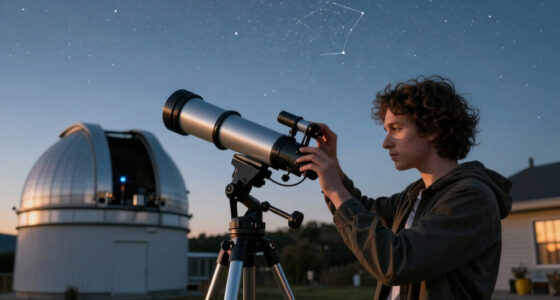
Capturing a vaporizing meteor in a nebula scene requires planning and patience. Here are three tips to get that perfect shot:
- Use a wide-angle lens — something in the 14-24mm range helps cover more sky.
- Set long exposures — 30 seconds to a few minutes allows the camera to gather enough light and catch fleeting meteors.
- Pick the right night — during a meteor shower like the Perseids, with a dark sky and minimal moonlight, increases your chances.
Many enthusiasts use interval shooting or time-lapse techniques, stacking frames to highlight meteors against deep-sky objects. The key is patience—sometimes you wait hours for that one perfect streak.
In the case of this image, a skilled astrophotographer combined long-exposure settings with a clear, dark night in Nevada, capturing the meteor’s fiery death amidst a cosmic glow. Understanding the importance of planning, timing, and technique can significantly increase your chances of capturing such fleeting yet spectacular events. The tradeoff often involves sacrificing some image sharpness for longer exposure times, but the reward is a dynamic, vivid capture of the universe’s transient moments.
spectroscopic analysis kit for meteors
As an affiliate, we earn on qualifying purchases.
As an affiliate, we earn on qualifying purchases.
What makes vaporizing meteors so visually stunning?
Vaporizing meteors are like fireworks in the night sky. They often produce a burst of colors — greens, reds, and yellows — because of the elements in the meteoroid. For example, magnesium creates bright white or greenish hues, while sodium burns with a yellow-orange glow.
This specific meteor’s glow hints at its composition, revealing clues like metal content, which scientists analyze through spectroscopic data. These colors are not just beautiful—they carry scientific significance, indicating the presence of specific elements and compounds within the meteoroid. Understanding these spectral signatures helps researchers trace the origins of meteoroids, determine their parent bodies, and assess potential impacts. The visual spectacle, therefore, is a window into the chemical makeup of objects originating from the asteroid belt or comets, offering insights into the primordial materials that shaped our solar system. For skywatchers and astrophotographers, the vibrant colors add an aesthetic layer that makes vaporizing meteors especially captivating, blending science and art in a fleeting moment of cosmic fireworks.
portable telescope for meteor viewing
As an affiliate, we earn on qualifying purchases.
As an affiliate, we earn on qualifying purchases.
Frequently Asked Questions
How often do vaporizing meteors occur during meteor showers?
Vaporizing meteors are common during major showers like the Perseids or Geminids, with bright fireballs appearing several times an hour at peak activity. Their brightness and size vary, but the most spectacular ones burn up quickly, leaving fiery trails. Recognizing their frequency and brightness helps scientists understand the size distribution and composition of meteoroids in different showers, which is crucial for assessing potential impact hazards and understanding the debris environment around Earth.What equipment do I need to photograph meteors near nebulae?
A wide-angle lens (14-24mm), a stable tripod, and a camera capable of long exposures — 30 seconds or more — are essential. Using a remote shutter or intervalometer helps prevent vibrations. Planning around moon phases and meteor shower peaks boosts your chances. Additionally, understanding how to focus precisely on distant objects and stacking multiple exposures can help enhance the visibility of faint meteors and nebulae, resulting in more compelling images that capture both the fleeting meteor streaks and the intricate details of deep-sky objects.Are vaporizing meteors dangerous or just beautiful?
Most meteors burn up high in the atmosphere without reaching the ground, posing no threat. Larger meteoroids that survive the fiery entry and land as meteorites are rare and typically small, making impacts unlikely or harmless. For observers, these phenomena are moments of awe and scientific interest, providing a glimpse into the dynamic processes of our atmosphere and the small debris that constantly interacts with Earth’s environment. Understanding the risk helps us appreciate their beauty while remaining aware of planetary defense efforts aimed at larger, potentially hazardous objects.Why does the Lacerta Nebula look so colorful in astrophotography?
The nebula glows with ionized gases like hydrogen and oxygen, which emit specific colors when energized by nearby stars. Long-exposure images intensify these colors, revealing a vibrant, star-forming cloud that’s often invisible to the naked eye. The colors are also influenced by the chemical composition and density of the gases, as well as the types of stars illuminating them. This scientific detail adds depth to the visual beauty, allowing astronomers to analyze the physical conditions within the nebula and understand the processes of star formation. For astrophotographers, capturing this color richness involves balancing exposure settings and processing techniques to bring out the subtle hues that tell the story of stellar nurseries.Conclusion
This fiery meteor passing in front of the Lacerta Nebula reminds us how fleeting and spectacular our universe can be. It’s a reminder that even tiny bits of space dust can create moments of pure cosmic drama from our vantage point on Earth.
Next time you set up your camera under a dark sky, remember: patience and timing are your best allies. The universe throws beautiful surprises our way — we just need to be ready to catch them.
Evergreen bestsellers Picks
bestsellers
As an affiliate, we earn on qualifying purchases.