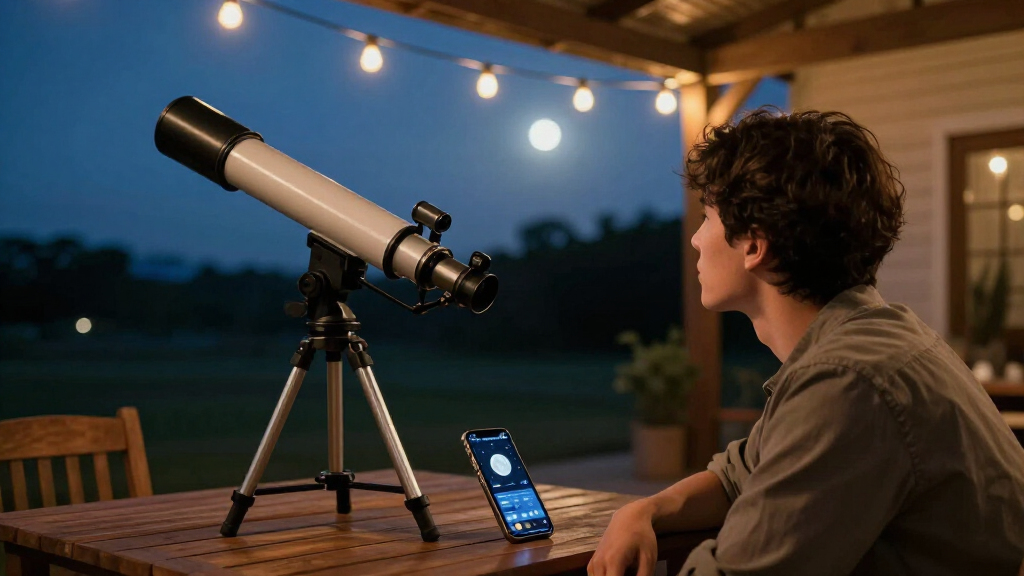
Just learn how sensor size influences framing to effortlessly enhance your photography skills—discover the secrets to perfect composition and captivating shots.
Browsing Category
Imaging Basics
71 posts
Light Pollution Reality Check: How Bortle Class Changes Everything
Fascinatingly, understanding Bortle Class reveals how light pollution impacts your sky and environment—discover what this means for your stargazing and beyond.
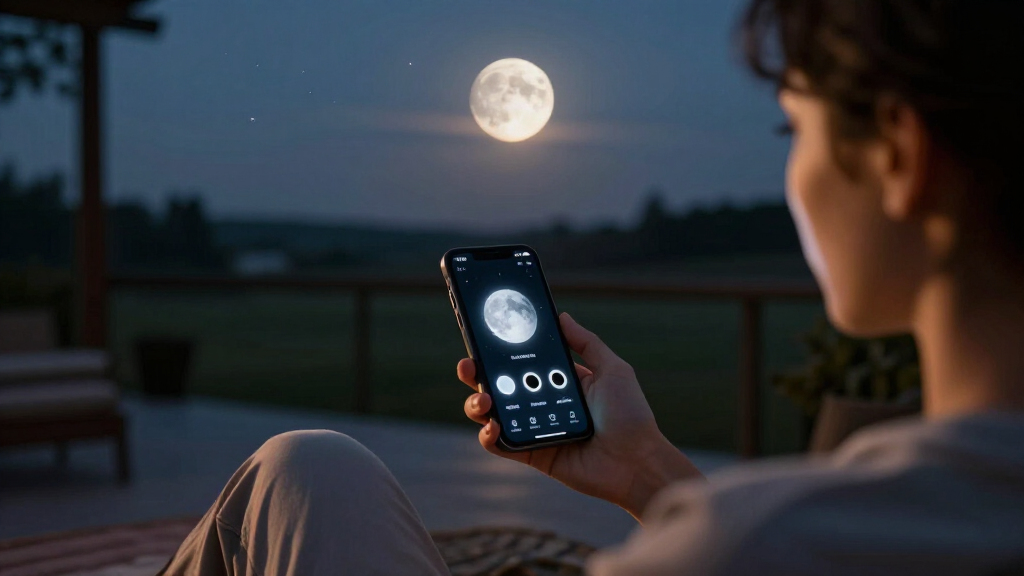
Moonlight Planning: What You Can Shoot in Each Moon Phase
The moon’s phases influence your night photography, revealing unique shooting opportunities—discover how each phase can transform your images and inspire your creativity.
RAW vs JPEG for Astro: The Real Reason RAW Wins Every Time
Unlock the true potential of your astrophotography by understanding why RAW files consistently outperform JPEGs in capturing celestial details.
Tripod Technique That Instantly Improves Sharpness (Even in Wind)
Ineffective tripod setup in wind can ruin your shots—discover proven techniques to instantly boost sharpness and capture crisp images even in gusty conditions.
Wide-Field Vs Deep-Sky: Pick the Right Focal Length in 3 Steps
IIn this guide, discover how to choose the perfect focal length for your astrophotography goals and unlock stunning images.
Milky Way Settings Cheat Sheet (That Actually Explains the Why)
Discover essential Milky Way settings and the reasons behind them to capture stunning night sky images—learn how to perfect your shots today.
The 500 Rule Vs Reality: How to Get Pinpoint Stars on Any Camera
Just knowing the 500 Rule isn’t enough; discover how real-world factors can affect your star photography and how to achieve pinpoint stars every time.
Sharp Stars Start Here: Night Focusing Methods That Don’t Fail
Narrowing down focus in night photography is crucial—discover proven methods that guarantee sharp stars every time.
The ISO Myth That’s Wrecking Your Night Photos (Here’s the Fix)
Optimize your night photography by understanding the ISO myth and discovering the proven fix to capture sharper, clearer images in low light.