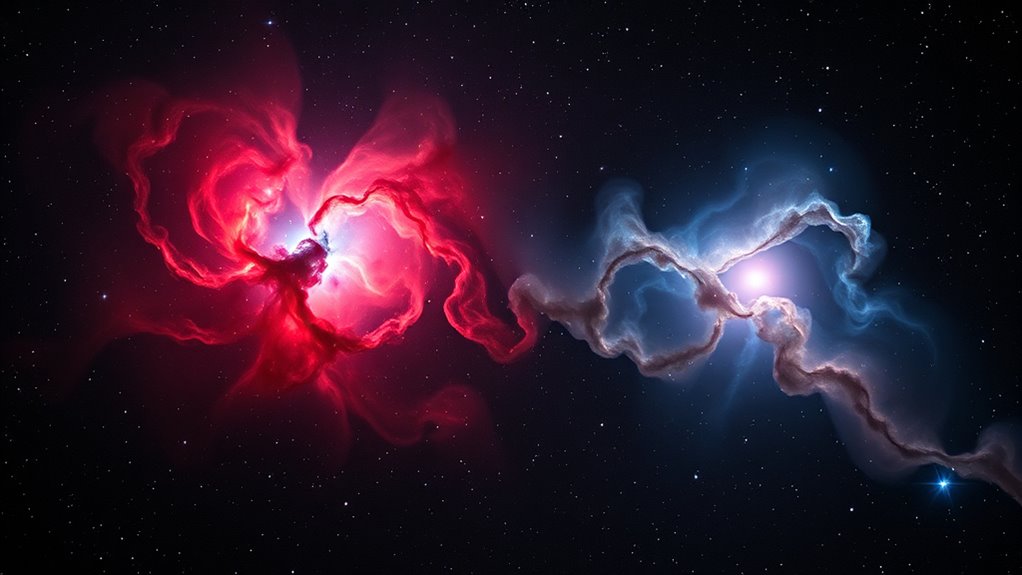
The Heart and Soul Nebulae are stunning cosmic structures in Cassiopeia that serve as active stellar nurseries. These vibrant regions contain glowing gas and dark dust clouds, where new stars are born through gravitational collapse. Stellar winds and interactions shape their intricate shapes, highlighting ongoing star formation. If you want to explore how these nebulae tell the universe’s story of creation and transformation, there’s much more to discover beyond their beautiful appearance.
Key Takeaways
- The Heart and Soul Nebulae are neighboring star-forming regions located in the constellation Cassiopeia.
- The Heart Nebula (IC 1805) resembles a glowing heart, while the Soul Nebula (IC 1848) appears as a darker, complex cloud.
- Both nebulae contain dense gas and dust, serving as stellar nurseries for new star formation.
- They are often observed together due to their proximity and similar physical and chemical properties.
- Their stunning structures and vibrant colors make them popular targets for astrophotography and scientific study.
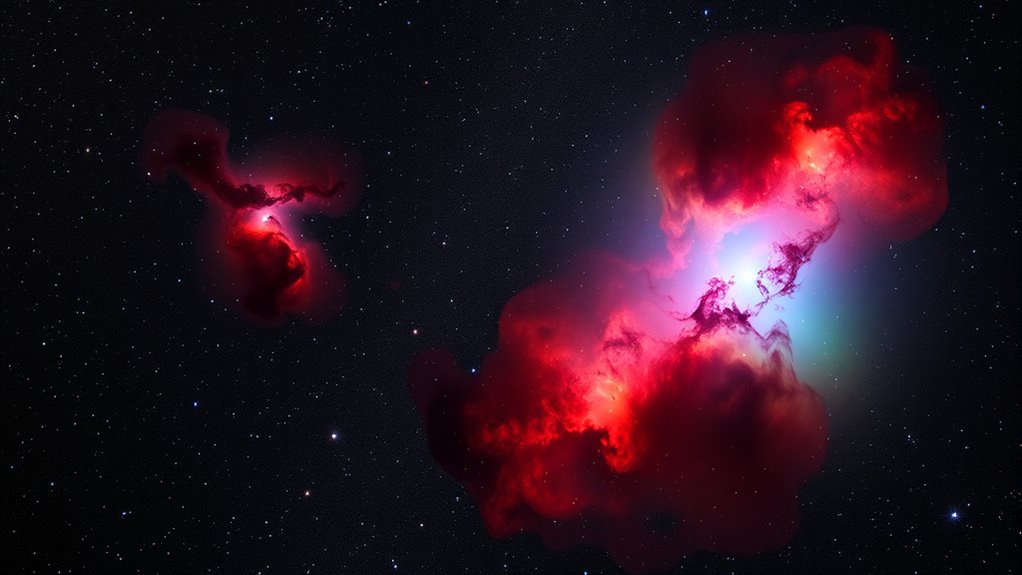
Have you ever wondered what stunning cosmic structures look like up close? The Heart and Soul Nebulae, nestled in the constellation Cassiopeia, offer a breathtaking view of the universe’s vibrant complexity. These nebulae are more than just beautiful sights; they are bustling regions where stars are born amidst clouds of cosmic dust. When you observe them through a telescope, you’re fundamentally peering into stellar nurseries, where the process of star formation unfolds in real time. The dense, dark patches of cosmic dust obscure parts of the nebulae, creating striking contrasts against glowing gas and newly formed stars. This cosmic dust is vital to the nebulae’s beauty and activity—it acts as the raw material for star formation while also shaping the nebulae’s intricate structures.
Discover the Heart and Soul Nebulae—stellar nurseries where cosmic dust fuels star formation amid breathtaking celestial beauty.
As you focus on the Heart and Soul Nebulae, you’re witnessing a dynamic environment filled with swirling clouds of gas and dust. These clouds are the building blocks for future stars. When regions within the dust clouds become dense enough, gravity pulls the material together, igniting nuclear fusion and sparking star formation. This process takes millions of years, but the evidence is visible in the glowing filaments and dark patches that weave through the nebulae. The interplay between cosmic dust and energetic radiation from young stars creates a luminous, ever-changing landscape. Bright, hot stars illuminate surrounding gas, causing it to emit the vibrant colors that make these nebulae so mesmerizing to astronomers and stargazers alike. Understanding stellar nurseries helps explain how new stars come into existence from these cosmic environments.
The nebulae’s structure is a symbol of the turbulent forces at play. Stellar winds from newborn stars push and sculpt the cosmic dust, carving out cavities and filaments. These interactions are vital because they influence the ongoing cycle of star formation. As dust particles collide and clump together, they form dense cores that eventually collapse under gravity, giving rise to new stars and planetary systems. The process is a delicate balance—too much radiation can disperse the dust, halting star formation, while areas shielded by dense dust can nurture the birth of stars. Observing the Heart and Soul Nebulae allows you to see this cosmic dance in action, a perpetual cycle of destruction and creation.
In reality, the Heart and Soul Nebulae embody the universe’s ongoing story of stellar birth and evolution. Through their intricate patterns of cosmic dust and glowing gas, they remind you that the cosmos is both beautiful and endlessly dynamic. As you gaze at these celestial giants, you’re witnessing the raw materials and processes that eventually lead to new stars, planets, and possibly life itself. It’s a vivid illustration of how the universe continually creates, transforms, and sustains itself, right before your eyes.

Celestron CG-4 German Equatorial Mount and Tripod
SUPERIOR STABILITY - The CG-4 German Equatorial Mount features a robust stainless steel tripod with 1.75" diameter legs,...
As an affiliate, we earn on qualifying purchases.
Frequently Asked Questions
What Is the Distance Between the Heart and Soul Nebulae?
You’ll find that the Heart and Soul Nebulae are about 8,500 light-years away from each other. As you observe them, you notice the interstellar dust and cosmic radiation that obscure their true distance and shape. These nebulae are part of a complex stellar nursery, and their proximity allows for fascinating interactions. Despite the dust and radiation, astronomers continue to study their relationship to learn more about star formation in our galaxy.
How Can Amateur Astronomers Observe These Nebulae?
You can observe the Heart and Soul Nebulae with a good telescope, preferably a wide-field one like a Newtonian or refractor. Use a low-power eyepiece to frame both nebulae in your view. Enhance your observation with long-exposure photography and proper observation techniques, such as dark sky location and steady mount. This helps reveal their intricate details and vibrant colors, making your viewing experience more rewarding.
What Is the Significance of Their Names?
Their names evoke deep cultural symbolism, reflecting the celestial love story they tell. The Heart Nebula’s name captures its vivid, passionate glow, while the Soul Nebula symbolizes the essence of life amid the cosmos. This naming significance connects you to ancient stories and cultural interpretations, turning your stargazing into a poetic journey. Recognizing these names enriches your experience, making the nebulae feel like cosmic characters with stories to share.
Are There Any Known Star-Forming Regions Within the Nebulae?
You’ll find star formation happening within the Heart and Soul Nebulae, as they contain dense molecular clouds that serve as stellar nurseries. These clouds collapse under gravity, igniting nuclear fusion and creating new stars. Observations show active star-forming regions, with bright young stars and protostars embedded within the nebulae. The interplay of molecular clouds and star formation makes these nebulae fascinating sites for studying stellar birth processes.
What Future Observations Are Planned for These Nebulae?
You’ll soon explore these nebulae through advanced infrared imaging, revealing hidden stellar nurseries cloaked in cosmic dust. Scientists plan to conduct spectroscopic analysis to decode the gases’ composition and dynamics, offering insights into star formation. Future observations aim to uncover new details about the nebulae’s structure, helping you understand how stars ignite amidst swirling clouds of gas and dust. This ongoing research promises to deepen your cosmic understanding.
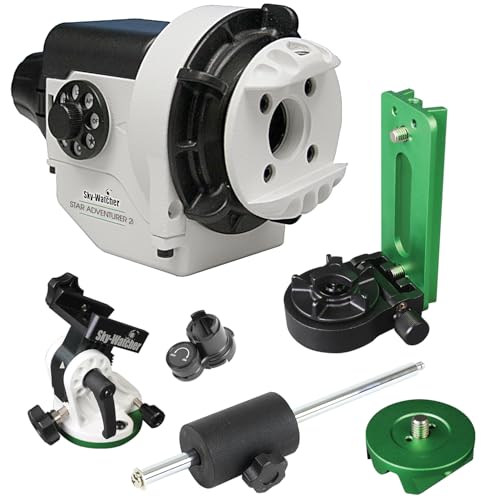
Sky-Watcher Star Adventurer 2i Pro Pack – Motorized DSLR Night Sky Tracker Equatorial Mount for Portable Nightscapes, Time-Lapse and Panoramas – Wi-Fi App Camera Control – Long Exposure (S20512)
Portable nightscape tracking platform: Motorized portable tracking platform perfect for capturing incredible detail of the Milky Way, eclipses...
As an affiliate, we earn on qualifying purchases.
Conclusion
As you gaze upon the Heart and Soul Nebulae, it’s like witnessing two celestial painters blending colors across the cosmic canvas. Their glowing arms reach out like a fiery embrace, telling stories of stellar birth and cosmic dreams. These nebulae remind you that even in the vast darkness, vibrant life and hope shine brightly, painting the universe with whispers of wonder. So, next time you look up, imagine these luminous giants dancing in the silent symphony of space.

YUEOCT 80mm/3.15" Telescope Rail Bar Vixen Style Dovetail Mounting Plate, with 1/4" 3/8" D Ring Camera Screw for Telescope Saddle Mount Base OTA Equatorial Head Tripod Adapter Sky Astrophotography
【Vixen-style Dovetail Plate】 Designed to accept the Vixen-style dovetail saddles.
As an affiliate, we earn on qualifying purchases.

Sky-Watcher EQ6-R – Fully Computerized GoTo German Equatorial Telescope Mount – Belt-driven, Motorized, Computerized Hand Controller with 42,900+ Celestial Object Database
PRECISE ACCURATE GOTO: Computerized, motorized GoTo German equatorial telescope mount capable of accurately tracking astronomical objects for both...
As an affiliate, we earn on qualifying purchases.