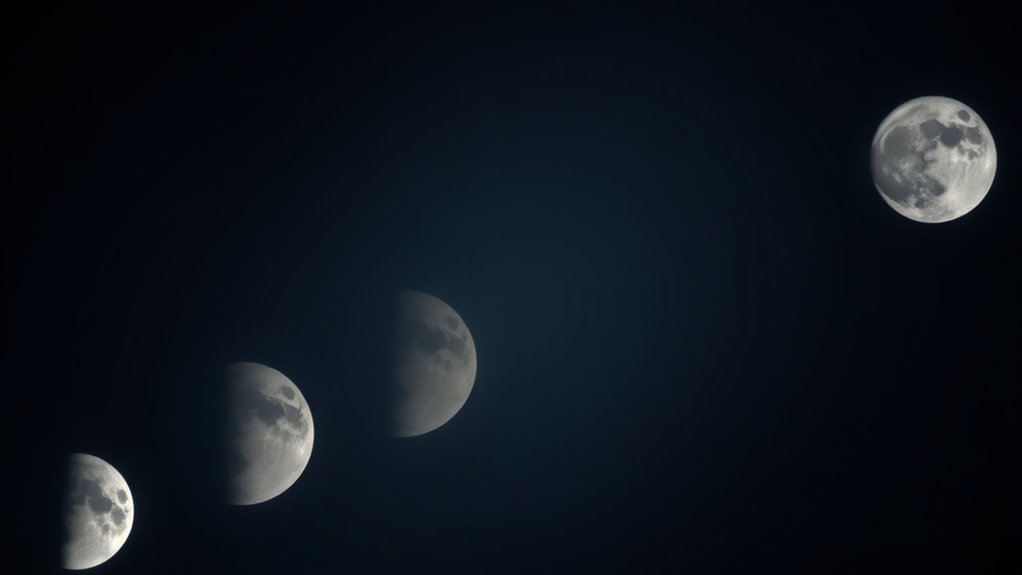
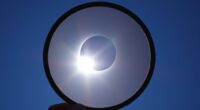
To successfully capture lunar phases from crescent to full moon, you need to understand the moon’s 29.5-day cycle and plan your sessions accordingly. Use a telephoto lens, sturdy tripod, and precise timing—shoot during early evening or dawn for crescents and full moon nights for detailed shots. Adjust your camera settings based on brightness and anticipate the moon’s shape changes. Exploring further will reveal how to perfect your technique for breathtaking lunar images.
Key Takeaways
- Use lunar calendar tools to accurately track moon phases and plan your photography sessions accordingly.
- Capture crescent moons during early evening or dawn with telephoto lenses and tripod for sharp images.
- Schedule full moon shoots when surface details are brightest, adjusting camera settings to prevent overexposure.
- Timing is critical; anticipate moon phase changes to photograph each stage at its most striking.
- Incorporate foreground elements or reflections for creative compositions during full moon photography.
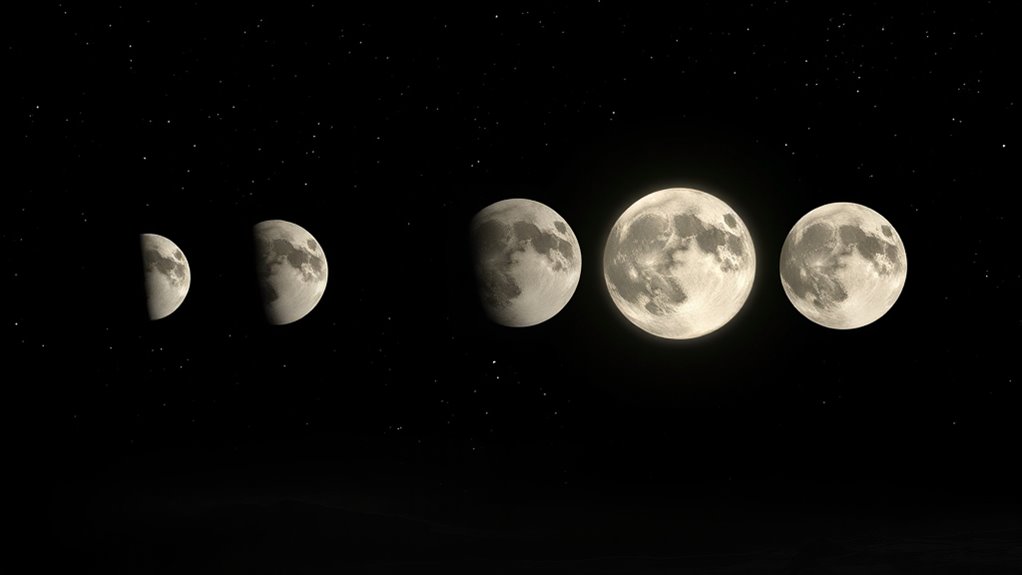
Capturing the changing beauty of the moon requires understanding its phases and knowing when to photograph each one. The moon’s cycle isn’t random; it follows a well-documented pattern rooted in moon phase history, which explains how the lunar surface appears to grow and shrink over roughly 29.5 days. This cycle, from new moon to full moon and back, influences the way the moon looks in the night sky and directly impacts your photography opportunities. To make the most of your efforts, you need to be aware of celestial event timing—knowing exactly when each phase occurs allows you to plan your shoots ahead of time and capture the moon at its most photogenic moments.
Starting with the crescent phases, you’ll find these are some of the most alluring for photography because of their delicate, slender shapes. These phases happen shortly after the new moon, when only a small sliver of the lunar surface is illuminated. To photograph a crescent moon effectively, you’ll want to set your camera with a telephoto lens and a sturdy tripod. Early evening or just before dawn often provides the best lighting conditions, especially when the moon is low on the horizon, offering a dramatic contrast against the landscape or sky. The key is timing: you’ll need to track the lunar calendar precisely, so you’re ready to shoot during these fleeting moments when the crescent appears most striking.
Crescent moon photography thrives with telephoto lenses, tripod stability, and perfect timing at dawn or dusk.
As the moon transitions from crescent to gibbous, and eventually to full moon, the celestial event timing becomes increasingly important. The full moon, in particular, is a prime target for photographers due to its brightness and the opportunity to capture detailed lunar surface features. Knowing the exact date and time of the full moon enables you to set up in advance, ensuring your camera settings—like ISO, aperture, and shutter speed—are optimized to avoid overexposure while capturing surface detail. Remember, the full moon is not only a beautiful sight but also a chance to experiment with different compositions, whether you’re framing it with foreground elements or capturing its reflection on water.
Throughout the lunar cycle, understanding moon phase history helps you anticipate how the moon’s appearance will change and how to adapt your techniques. Planning around celestial event timing means you can be present during those brief windows when the moon’s shape is just right for your artistic vision. Understanding lunar phases will enhance your ability to predict the best moments for capturing each phase. Whether capturing the thin crescent or the glowing full moon, timing is everything. With patience, preparation, and a grasp of these lunar patterns, you’ll be able to document the moon’s phases with clarity and creativity, turning fleeting moments into stunning photographs.

Celestron CG-4 German Equatorial Mount and Tripod
SUPERIOR STABILITY - The CG-4 German Equatorial Mount features a robust stainless steel tripod with 1.75" diameter legs,...
As an affiliate, we earn on qualifying purchases.
Frequently Asked Questions
What Equipment Is Best for Capturing Lunar Phases?
You want to capture lunar phases, so use a telephoto lens or lunar photography lenses for sharp detail. A sturdy tripod helps keep your shots steady, especially during long exposures. Check moon phase calendars to plan your shots during specific phases. Use a camera with manual controls and a remote shutter release to prevent vibrations. This setup ensures clear, detailed images of the moon from crescent to full.
How Can I Stabilize My Camera During Night Shoots?
To stabilize your camera during night shoots, use a sturdy tripod to guarantee maximum tripod stability. If you don’t have one, employ handheld techniques like bracing your elbows against your body or a solid surface, and use a fast shutter speed to minimize shake. Consider using a remote shutter release or the camera’s timer to avoid vibrations. These steps help you capture clear, sharp lunar images even in low light.
What Settings Optimize Moon Photography in Different Weather Conditions?
To optimize moon photography in different weather conditions, start with a moon filter to reduce glare and enhance details. Use a lens with a longer focal length to get a close-up shot, especially in clear weather. Adjust your ISO and shutter speed based on cloud cover or atmospheric haze—lower ISO for clear skies, higher for hazy conditions. Keep your camera stable and focus manually for sharp, stunning lunar images.
How Do Lunar Phases Affect Exposure and Focus?
During a full moon, you’ll notice that exposure needs to be shorter to prevent overexposure, and focus should be precise to capture lunar surface details. For example, if you shoot during a waxing crescent, the lower moon phase timing requires longer exposures to reveal surface textures, but you must balance this to avoid motion blur. Understanding lunar phases helps you adjust settings for sharp, detailed shots regardless of the moon’s current phase.
Are There Apps to Predict the Best Moon Photography Times?
Yes, you can find apps that predict the best moon photography times. Lunar calendar apps are especially helpful as they provide moonrise timings and phase information, so you can plan your shoots accordingly. These apps often include detailed forecasts, ensuring you don’t miss prime moments. By using them, you’ll know exactly when to capture the moon’s beauty, making your photography sessions more successful and enjoyable.
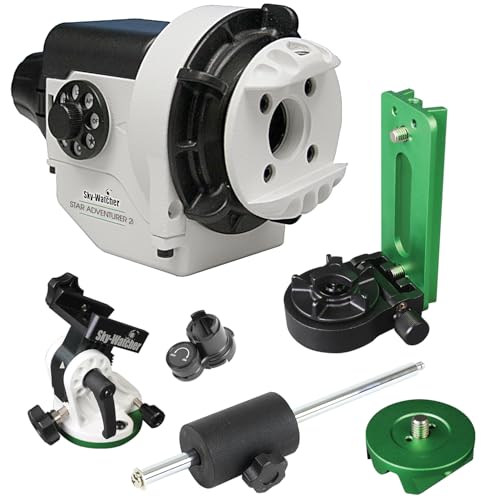
Sky-Watcher Star Adventurer 2i Pro Pack – Motorized DSLR Night Sky Tracker Equatorial Mount for Portable Nightscapes, Time-Lapse and Panoramas – Wi-Fi App Camera Control – Long Exposure (S20512)
Portable nightscape tracking platform: Motorized portable tracking platform perfect for capturing incredible detail of the Milky Way, eclipses...
As an affiliate, we earn on qualifying purchases.
Conclusion
Don’t let doubts hold you back—capturing lunar phases is easier than you think, even if you’re new to astrophotography. Remember, every shot is a step closer to understanding the moon’s beauty and your own potential. Embrace the challenge, and you’ll create stunning images that inspire awe and wonder. So, grab your camera, head outside, and let the moon’s changing face remind you of the magic happening just above us every night.

Sky-Watcher HEQ5 – Fully Computerized GoTo German Equatorial Telescope Mount – Motorized Astrophotography Mount with 42,000 Object Database,White
LIGHTWEIGHT COMPUTERIZED EQUAORIAL MOUNT: The HEQ5 is ideal for beginning astrophotographers, or skilled astronomers looking for a lightweight...
As an affiliate, we earn on qualifying purchases.
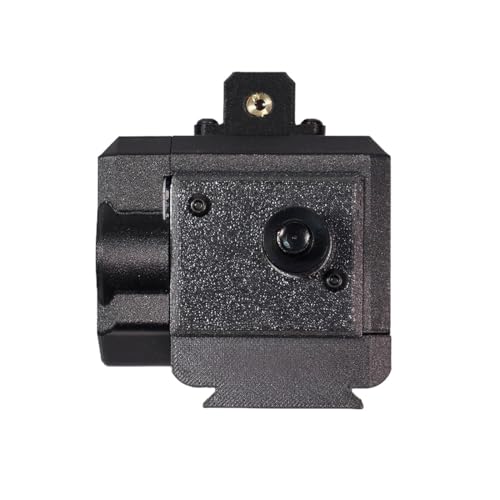
OrionU Star Tracking Equatorial Mount, Portable Single-Axis Star Tracker with High-Precision Alignment Pointer for DSLR & Mirrorless, Suitable for Beginners in Astrophotography (Matte Black)
Reinforced Steel Axis for Stable Tracking: Thick dual-screw steel shaft delivers solid single-axis tracking, supporting 4kg axial loads...
As an affiliate, we earn on qualifying purchases.