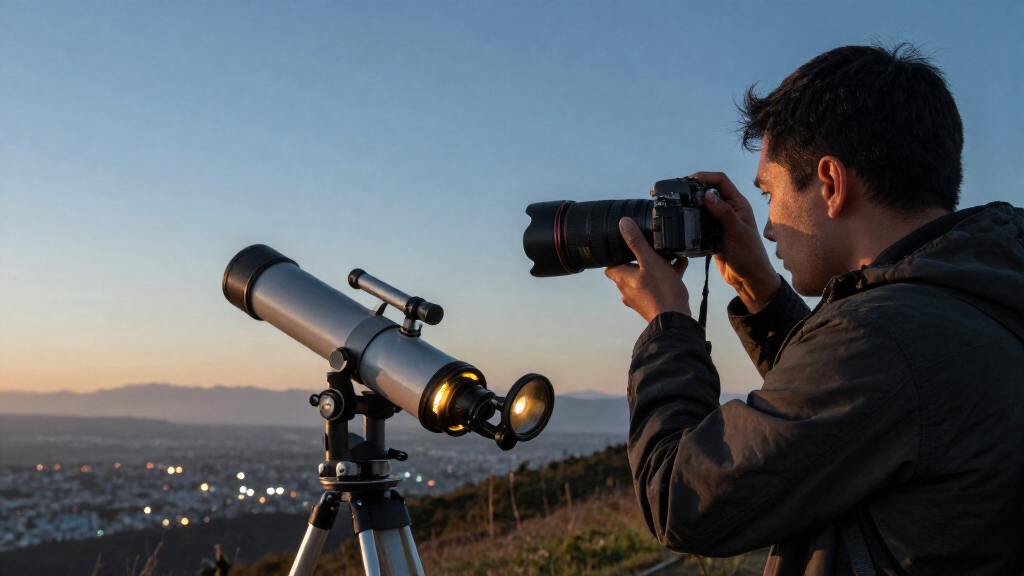

For most telescope users photographing emission nebulae, I’d start with the SVBONY SV240 2-Inch Multi-Narrowband Telescope Filter, which is designed for narrowband imaging, while the Celestron UHC/LPR 1.25-Inch is a practical telescope-focused alternative and the HOYA Starscape 67mm suits camera-lens setups. The right choice depends less on the label “light pollution” and more on whether you shoot through a telescope or camera lens, your filter-thread size, and the objects you photograph. UHC and multi-narrowband filters can help with emission nebulae, but they are not a cure for skyglow and can limit the light or color available for galaxies and other broadband targets. Camera-lens filters and telescope eyepiece filters also do not fit the same setup by default. Read on for the full comparison, fit checks, and tradeoffs across all 15 options.

Prime made for students and young adults
- Fast, free delivery for dorm and study essentials
- Prime Video and Amazon Music included
- Member-only deals
Key Takeaways
- The roundup splits into two distinct groups: UHC and multi-narrowband filters for telescope optical paths, and screw-on Natural Night or Starscape filters for camera lenses; they are not interchangeable just because both target light pollution.
- The SVBONY SV240 is the standout specialized pick for emission-nebula imaging: its multi-narrowband design gives it a different role from the lineup’s standard UHC filters, but it is not a universal filter for every deep-sky target.
- Size is a deciding factor, not a performance ranking: the Walking Way and HOYA options span several camera-thread diameters, while the K&F 100 × 100 mm filter uses a square format that calls for a compatible holder.
- UHC filters in 1.25-inch and 2-inch formats serve different hardware: choose the size that matches the telescope’s filter thread or accessories rather than assuming the larger format improves the view.
- Filter choice cannot replace dark skies or suitable target selection: emission nebulae are generally a better match for selective filters than galaxies, star clusters, and other broadband subjects.
| Alstar 2-Inch UHC Telescope Filter |  | Best for Straightforward Nebula Viewing | Filter size: 2 inches | Thread size: 5.1 cm | Coating: Multi-coated | VIEW LATEST PRICE | See Our Full Breakdown |
| SVBONY SV240 2-Inch Multi-Narrowband Telescope Filter |  | Best for Urban Astrophotography | Size: 2 inches | Thread size: 5.1 cm | Wavelength coverage: 300–1100 mm (as listed) | VIEW LATEST PRICE | See Our Full Breakdown |
| FIBONAX 1.25-Inch UHC Telescope Filter |  | Best for Compact 1.25-Inch Setups | Filter size: 31.75 mm (1.25 in) | Thread size: M28.5×0.6 | Coating: Multi-coated | VIEW LATEST PRICE | See Our Full Breakdown |
| SVBONY 2-Inch UHC Telescope Filter |  | Best for General-Purpose 2-Inch UHC Use | Filter type: UHC | Compatible size: 2-inch telescope eyepieces and accessories | Thread size: M48 × 0.75 | VIEW LATEST PRICE | See Our Full Breakdown |
| Walking Way 67mm Natural Night Filter for Astrophotography |  | Best for 67mm Camera Lenses | Filter thread size: 67 mm (6.7 cm) | Material: Neodymium optical glass | Coating: 28-layer multi-coating | VIEW LATEST PRICE | See Our Full Breakdown |
| Walking Way 58mm Natural Night Filter | | Best for 58mm Camera Lenses | Brand: Walking Way | Filter size: 58mm | Material: Neodymium optical glass | VIEW LATEST PRICE | See Our Full Breakdown |
| SVBONY 1.25-Inch UHC Telescope Filter |  | Best for Emission Nebula Viewing | Brand: SVBONY | Filter type: UHC | Barrel diameter: 1.25 inches (31.75 mm) | VIEW LATEST PRICE | See Our Full Breakdown |
| HOYA 67mm Starscape Light Pollution Filter for Astrophotography |  | Best for Wide-Angle 67mm Lenses | Brand: HOYA | Filter size: 67mm | Glass: Didymium | VIEW LATEST PRICE | See Our Full Breakdown |
| Walking Way 77mm Natural Night Filter | | Best for Large 77mm Lens Threads | Brand: Walking Way | Filter size: 77mm (7.7 cm) | Material: Neodymium optical glass | VIEW LATEST PRICE | See Our Full Breakdown |
| Walking Way 49mm Natural Night Filter for Light Pollution Reduction | | Best Compact Fit for 49mm Lenses | Brand: Walking Way | Filter size: 49 mm | Thread size: 49 mm | VIEW LATEST PRICE | See Our Full Breakdown |
| Celestron UHC/LPR Light Pollution Reduction Filter for Telescopes, 1.25-Inch |  | Best for Visual Nebula Viewing | Brand: Celestron | Model: 94123 | Fitting size: 1.25 inches | VIEW LATEST PRICE | See Our Full Breakdown |
| Hoya Starscape 49mm Light Pollution Astrophotography Filter |  | Best Compact Screw-In Pick | Brand: Hoya | Filter size: 49 mm | Thread size: 49 mm | VIEW LATEST PRICE | See Our Full Breakdown |
| K&F Concept 67mm Natural Night Light Pollution Reduction Filter |  | Best for Rugged 67mm Lens Use | Brand: K&F Concept | Filter size: 67 mm | Compatible devices: Cameras with 67 mm lens diameter | VIEW LATEST PRICE | See Our Full Breakdown |
| K&F Concept 100 × 100 mm Natural Night Filter for Light Pollution |  | Best for Multi-Lens Holder Systems | Brand: K&F Concept | Filter dimensions: 100 × 100 mm | Thickness: 2 mm | VIEW LATEST PRICE | See Our Full Breakdown |
| Hoya Starscape 55mm Light Pollution Filter |  | Best for 55mm Wide-Angle Lenses | Brand: Hoya | Model: Starscape | Filter size: 55 mm | VIEW LATEST PRICE | See Our Full Breakdown |
| light pollution filters for astrophotography | Coating | Water resistance | Brand | Filter size |
|---|---|---|---|---|
| Alstar 2-Inch UHC Telescope Fi | Multi-coated | Waterproof | — | 2 inches |
| SVBONY SV240 2-Inch Multi-Narr | Multi-coated | Not water resistant | — | — |
| FIBONAX 1.25-Inch UHC Telescop | Multi-coated | — | — | 31.75 mm (1.25 in) |
| SVBONY 2-Inch UHC Telescope Fi | — | — | — | — |
| Walking Way 67mm Natural Night | 28-layer multi-coating | Water resistant | — | — |
| Walking Way 58mm Natural Night | 28-layer multi-coating | Water resistant | Walking Way | 58mm |
| SVBONY 1.25-Inch UHC Telescope | Multi-coated | — | SVBONY | — |
| HOYA 67mm Starscape Light Poll | Multi-coated | Water resistant | HOYA | 67mm |
| Walking Way 77mm Natural Night | 28-layer multi-coating | Water resistant | Walking Way | 77mm (7.7 cm) |
| Walking Way 49mm Natural Night | 28-layer multi-coating | Water resistant | Walking Way | 49 mm |
| Celestron UHC/LPR Light Pollut | — | — | Celestron | — |
| Hoya Starscape 49mm Light Poll | Multi-coated | Water resistant | Hoya | 49 mm |
| K&F Concept 67mm Natural Night | 28 multi-layer coatings | Waterproof | K&F Concept | 67 mm |
| K&F Concept 100 × 100 mm Natur | Double-sided 28-layer nano coating | Waterproof | K&F Concept | — |
| Hoya Starscape 55mm Light Poll | Multi-coated | Water resistant | Hoya | 55 mm |
More Details on Our Top Picks
Alstar 2-Inch UHC Telescope Filter
The Alstar is a straightforward choice for telescope owners who want a 2-inch UHC filter to improve nebula contrast without moving to a more specialized multi-narrowband imaging filter. Its stated blocking of mercury and sodium vapor light can help darken the background around deep-sky targets, though results depend on the target and the spectrum of local lighting. Compared with the SVBONY SV240, this filter has no listed Ha, OIII, and H-Beta transmission figures, so I would favor the SV240 for imaging workflows that depend on those passbands. Alstar instead offers a simpler UHC option for visual use and compatible cameras, with a 2-year warranty that is longer than the one-year coverage listed for several alternatives. Its main limitation is that it is not a universal fix for modern broadband or LED skyglow, and 2-inch compatibility rules out 1.25-inch-only setups.
Pros:- Designed to improve contrast on nebulae and other deep-sky objects
- Blocks mercury and sodium vapor lamp emissions
- Can be used at light-polluted and dark-sky sites
- Two-year warranty is longer than the one-year coverage listed for several alternatives
Cons:- No specific Ha, OIII, or H-Beta transmission figures are provided
- Limited to compatible 2-inch filter threads
- UHC filtering cannot remove all forms of modern broadband skyglow
Best for: Telescope owners with 2-inch filter threads who mainly observe nebulae under sodium- or mercury-lit skies and want a basic UHC option.
Not ideal for: Imagers seeking stated narrowband transmission data, or owners of 1.25-inch-only accessories who cannot mount a 2-inch filter.
- Filter size:2 inches
- Thread size:5.1 cm
- Coating:Multi-coated
- Frame material:Aluminum
- Compatible devices:Cameras and telescopes with 2-inch filter threads
- Water resistance:Waterproof
- Warranty:2 years
Our verdict“Choose the Alstar for simple 2-inch nebula contrast and longer stated warranty coverage, but pick the SVBONY SV240 when defined narrowband imaging passbands matter more.”
SVBONY SV240 2-Inch Multi-Narrowband Telescope Filter
The SV240 is the most explicitly imaging-focused telescope filter in this group: it passes Ha, OIII, and H-Beta with stated transmission above 90% while suppressing other light at a cut-off depth of at least OD4. That makes it a more targeted option for emission-nebula photography than the Alstar or SVBONY 2-Inch UHC filters, whose supplied descriptions do not give comparable passband transmission figures. Its stated suitability for skies up to Bortle 8 will appeal to astrophotographers working from bright urban locations, although a filter cannot restore detail that city glow or poor conditions obscure. The 2-inch format suits many camera and telescope setups, but buyers should check their imaging train’s thread fit. This filter is not water resistant, and the listed warning about possible near-infrared halos makes it a less straightforward choice for NIR work.
Pros:- Passes Ha, OIII, and H-Beta with stated transmission above 90%
- Cut-off depth of at least OD4 is specified
- Designed for use in skies up to Bortle 8
- Compatible with many astrophotography systems using 2-inch filters
Cons:- Not water resistant
- Near-infrared use may produce halos
- A 2-inch filter may not fit systems built only for 1.25-inch accessories
Best for: Astrophotographers using a compatible 2-inch imaging train to capture emission nebulae from bright urban or suburban skies.
Not ideal for: Observers needing a visual-first filter, users who image in near-infrared, or anyone whose equipment may be exposed to moisture.
- Size:2 inches
- Thread size:5.1 cm
- Wavelength coverage:300–1100 mm (as listed)
- Cut-off depth:≥OD4
- Core wavelength transmittance:>90% for Ha, OIII, and H-Beta
- Coating:Multi-coated
- Material:Optical glass
- Water resistance:Not water resistant
- Warranty:1 year
Our verdict“Pick the SV240 for defined narrowband emission imaging in bright skies, but choose a simpler UHC filter if you do not need its specified passbands.”
FIBONAX 1.25-Inch UHC Telescope Filter
For a compact telescope or camera train built around 1.25-inch accessories, the FIBONAX avoids the bulk and fit mismatch of the 2-inch Alstar and SVBONY options. It uses multi-coated optical glass with stated transmission above 90%, and its UHC-style filtering is intended to reduce sodium and mercury glare while improving contrast on nebulae and lunar details. The M28.5×0.6 threads on both sides allow stacking with compatible threaded accessories, though stacking can introduce fit or optical issues and is not a substitute for checking the full imaging setup. A protective case is included, a practical advantage over products whose supplied details do not mention storage. Compared with the SVBONY SV240, FIBONAX provides fewer defined imaging passband specifications, so I would choose it for a smaller, more general-purpose setup rather than targeted narrowband capture.
Pros:- Fits common 1.25-inch telescope and astrophotography accessories
- Multi-coated optical glass has stated transmission above 90%
- Designed to reduce sodium and mercury streetlight glare
- Includes a protective storage case
Cons:- Not compatible with 2-inch-only filter holders without an adapter
- Does not provide the specific narrowband transmission data listed for the SVBONY SV240
- One-year warranty is shorter than the Alstar’s stated two-year warranty
Best for: Beginners and mobile astrophotographers with 1.25-inch telescope accessories who want a compact UHC filter for nebula and lunar work.
Not ideal for: Owners of 2-inch imaging trains or narrowband imagers who need specified Ha, OIII, and H-Beta transmission data.
- Filter size:31.75 mm (1.25 in)
- Thread size:M28.5×0.6
- Coating:Multi-coated
- Optical light transmission:>90%
- Frame material:Aluminum
- Lens material:Optical glass
- Compatible devices:Telescopes and astrophotography cameras
- Warranty:1 year
Our verdict“Choose FIBONAX when your setup is 1.25-inch and you want a compact UHC filter, not when your priority is defined narrowband imaging performance.”
SVBONY 2-Inch UHC Telescope Filter
This SVBONY UHC filter is a practical match for observers who want a 2-inch filter for deep-sky contrast and occasional astrophotography, without the SV240’s more specific multi-narrowband design. Its optical glass lens and aluminum frame suit standard 2-inch telescope accessories, while the included plastic box gives it a basic storage solution. Compared with the Alstar 2-Inch UHC, the SVBONY listing spells out an M48 × 0.75 thread and 41 g net weight, making fit and handling details easier to check before buying. Its stated limitation is meaningful: it does not transmit H-alpha and higher wavelengths, so it is a poor match for workflows that depend on those emissions. The SV240 is the stronger candidate for specified Ha, OIII, and H-Beta imaging, while this model suits simpler UHC use.
Pros:- Designed to reduce light pollution and improve deep-sky contrast
- Works with 2-inch telescope eyepieces and accessories
- Optical glass lens sits in an aluminum frame
- Includes a plastic storage box
Cons:- Does not transmit H-alpha and higher wavelengths
- No specific core-band transmission percentage is supplied
- One-year warranty is shorter than the Alstar’s stated two-year coverage
Best for: Telescope owners with M48-threaded 2-inch accessories who want a general UHC filter for visual deep-sky observing and occasional imaging.
Not ideal for: Astrophotographers whose targets or capture plan depend on H-alpha or higher wavelengths, or users needing the SV240’s specified narrowband transmission.
- Filter type:UHC
- Compatible size:2-inch telescope eyepieces and accessories
- Thread size:M48 × 0.75
- Frame material:Aluminum
- Lens material:Optical glass
- Net weight:41 g
- Included:Plastic storage box
- Warranty:1 year
Our verdict“Choose this SVBONY for general 2-inch UHC observing, but favor the SV240 for emission imaging that needs stated narrowband passbands.”
Walking Way 67mm Natural Night Filter for Astrophotography
Unlike the telescope-threaded UHC filters in this roundup, the Walking Way screws onto a 67mm camera lens, making it the natural fit for photographers who capture wide-field night skies or city scenes with compatible camera glass. Its neodymium optical glass is intended to reduce urban light pollution and haze, while the 28-layer multi-coating is described as water-repellent, scratch-resistant, and oil-proof. Those protective qualities suit outdoor shooting, but they do not make the filter universal: lens threads must match, and this format is not a direct substitute for the 2-inch SVBONY SV240’s defined Ha, OIII, and H-Beta passbands. Compared with the FIBONAX, which mounts to telescope accessories and targets UHC use, Walking Way is better aligned with camera-lens workflows and broader night-scene use. Its limiting factor is simple but decisive: only 67mm lenses fit directly.
Pros:- Made for camera lenses with a 67mm filter thread
- Neodymium optical glass is intended to reduce urban light pollution and haze
- 28-layer coating is described as water-repellent, scratch-resistant, and oil-proof
- Protective case is included
Cons:- Fits only lenses with a 67mm filter thread unless an adapter is used
- Does not list specific Ha, OIII, or H-Beta transmission figures
- Camera-lens format is not a direct fit for standard telescope filter holders
Best for: Night-sky and cityscape photographers using camera lenses with a 67mm filter thread who want a screw-on filter with protective coatings.
Not ideal for: Telescope users seeking a 1.25-inch or 2-inch filter, or astrophotographers who need defined narrowband emission passbands.
- Filter thread size:67 mm (6.7 cm)
- Material:Neodymium optical glass
- Coating:28-layer multi-coating
- Water resistance:Water resistant
- Compatible devices:Camera lenses with 67mm filter thread
- Included:Protective case
Our verdict“Pick the Walking Way for 67mm camera-lens night photography and outdoor protection, but choose a telescope filter for threaded astronomy accessories or narrowband imaging.”
Walking Way 58mm Natural Night Filter
The Walking Way 58mm Natural Night Filter is a straightforward choice for photographers whose lenses use a 58mm thread and who want one filter for night skies and illuminated city scenes. Its neodymium optical glass is described as reducing urban light pollution and haze, while the 28-layer coating adds resistance to water, scratches, and oil—useful protection during outdoor setup. Unlike the SVBONY 1.25-Inch UHC Telescope Filter, which is made for telescope eyepieces and favors emission-nebula viewing, this is a camera screw-in filter aimed at broader night photography. The tradeoff is that the listing gives no transmission figure or measured suppression profile, so results may vary with the light sources and camera. It also has no flexibility across lens sizes without a compatible step-up arrangement.
Pros:- Neodymium glass is specified to reduce urban light pollution and haze
- Suitable for night-sky, astrophotography, and cityscape photography
- 28-layer coating resists water, scratches, and oil
- Includes a protective case
Cons:- Fits only lenses with a compatible 58mm filter thread
- No stated light-transmission figure or measured spectral performance
- A camera lens filter is less specialized for emission-nebula viewing than the SVBONY 1.25-Inch UHC Telescope Filter
Best for: Astrophotographers and nightscape shooters with a 58mm-thread lens who want a coated filter for both sky and cityscape work.
Not ideal for: Telescope observers seeking a nebula-specific eyepiece filter, or camera owners whose lenses do not accept a 58mm filter.
- Brand:Walking Way
- Filter size:58mm
- Material:Neodymium optical glass
- Coating:28-layer multi-coating
- Special effect:Light pollution reduction
- Water resistance:Water resistant
- Dimensions:2.28 × 2.28 in
- Items included:1 filter and protective case
Our verdict“Choose this Walking Way filter if your lens has a 58mm thread and you want a coated camera filter for general night-sky and cityscape photography.”
SVBONY 1.25-Inch UHC Telescope Filter
The SVBONY 1.25-Inch UHC Telescope Filter has a more specialized job than the camera filters in this group: it selectively blocks some artificial-light wavelengths to darken the background around emission nebulae. That focus makes it a better match for telescope observers than the Walking Way 49mm Natural Night Filter, which screws onto a camera lens and targets broader night-sky and cityscape photography. Its standard 1.25-inch barrel fits compatible eyepieces and accessories, and the product is also listed for astrophotography. The limitation is the same specialization that gives it purpose: it is not a general-purpose filter for every target or viewing situation. It is also not water resistant, so outdoor handling calls for care. Buyers should match the barrel to their telescope accessories rather than their camera’s lens thread.
Pros:- Designed to improve emission-nebula contrast against light-polluted skies
- Fits standard 1.25-inch eyepieces and compatible telescope accessories
- Can also be used for astrophotography
- Optical glass lens with an aluminum frame and multi-coating
Cons:- Not water resistant
- Its UHC effect is specialized rather than suited to general-purpose viewing
- Requires a compatible 1.25-inch telescope accessory, not a camera lens thread
Best for: Telescope owners with 1.25-inch eyepieces who mainly observe or photograph emission nebulae under light-polluted skies.
Not ideal for: Camera-only astrophotographers or observers who want a filter for broad, general-purpose night-sky viewing.
- Brand:SVBONY
- Filter type:UHC
- Barrel diameter:1.25 inches (31.75 mm)
- Lens material:Optical glass
- Frame material:Aluminum
- Coating:Multi-coated
- Item weight:40 g
- Warranty:1 year
Our verdict“Pick this SVBONY UHC filter if your main goal is improving emission-nebula contrast through a compatible 1.25-inch telescope setup.”
HOYA 67mm Starscape Light Pollution Filter for Astrophotography
The HOYA 67mm Starscape is the most specification-led camera filter in this set: its listing names Didymium glass, multi-coating, and 97%+ light transmission, giving buyers clearer performance details than the Walking Way 77mm Natural Night Filter provides. It targets yellow-orange light pollution and is intended to improve contrast and celestial detail in night-sky and cityscape images. Its slim aluminum frame is designed to reduce vignetting on wide-angle lenses, a practical advantage when a filter sits in front of a broad field of view. The compromise is fit: it only screws onto lenses with a 67mm thread, unlike the 1.25-inch SVBONY UHC, which belongs on compatible telescope accessories. It is also not a nebula-specific UHC filter, so buyers should choose it for camera-based night photography rather than narrow target specialization.
Pros:- Didymium glass is specified to reduce yellow-orange light pollution
- 97%+ light transmission is stated in the product data
- Slim aluminum frame is designed to limit vignetting on wide-angle lenses
- Multi-coated glass and water-resistant construction
Cons:- Compatible only with lenses that have a 67mm filter thread
- Less specialized for emission-nebula viewing than the SVBONY 1.25-Inch UHC Telescope Filter
- The listing does not provide a detailed wavelength-suppression profile
Best for: Camera astrophotographers with 67mm-thread lenses, especially wide-angle users who want stated transmission and a slim frame.
Not ideal for: Telescope observers who need a UHC filter for emission nebulae, or photographers without a 67mm lens thread.
- Brand:HOYA
- Filter size:67mm
- Glass:Didymium
- Coating:Multi-coated
- Light transmission:97%+
- Frame material:Aluminum
- Weight:2.4 ounces
- Water resistance:Water resistant
Our verdict“Choose the HOYA Starscape if you have a 67mm camera lens and value stated light transmission plus a slim frame for wide-angle night photography.”
Walking Way 77mm Natural Night Filter
For photographers already using large-diameter glass, the Walking Way 77mm Natural Night Filter offers the same basic approach as the smaller Walking Way 49mm and 58mm options: neodymium glass aimed at reducing urban light pollution, paired with a 28-layer protective coating. The larger thread makes this the relevant choice for a 77mm lens, while its stated water-repellent, scratch-resistant, and oil-resistant layers suit outdoor night work. Compared with the HOYA 67mm Starscape, however, this listing supplies no light-transmission figure, so buyers have fewer published performance details for judging exposure and color effects. It is a camera filter, not a telescope UHC substitute like the SVBONY 1.25-Inch model. The purchase decision is mostly about matching thread size and accepting limited measurement data.
Pros:- Neodymium optical glass is intended to reduce urban light pollution
- Designed for night-sky, astrophotography, and cityscape photography
- 28-layer coating is water repellent, scratch resistant, and oil resistant
- Protective case is included
Cons:- Fits only cameras and lenses with a 77mm filter thread
- No detailed performance measurements are provided
- Less specifically suited to emission-nebula viewing than the SVBONY UHC telescope filter
Best for: Nightscape and astrophotography shooters whose camera lenses have 77mm filter threads and who want a protective coated filter.
Not ideal for: Photographers with smaller-thread lenses, or buyers who want stated transmission measurements or a telescope-specific nebula filter.
- Brand:Walking Way
- Filter size:77mm (7.7 cm)
- Material:Neodymium optical glass
- Coating:28-layer multi-coating
- Special effect:Color correcting
- Water resistance:Water resistant
- Compatible devices:Cameras with 77mm lens thread
Our verdict“This is a sensible match for 77mm-thread camera lenses if protective coatings matter more to you than published transmission data.”
Walking Way 49mm Natural Night Filter for Light Pollution Reduction
The Walking Way 49mm Natural Night Filter is the compact-thread option among these camera filters, with neodymium glass intended to reduce urban light pollution and haze for night-sky, astrophotography, and cityscape images. Its 28-layer coating adds water, scratch, and oil resistance, and the included case helps protect the filter between sessions. Compared with the HOYA 67mm Starscape, this model fits a smaller lens thread but does not list a light-transmission figure; the HOYA’s published 97%+ figure gives buyers more information for weighing exposure impact. Like the 58mm and 77mm Walking Way filters, this is a camera screw-in option rather than a telescope UHC filter such as the SVBONY 1.25-Inch. Its fit is the main draw—and the main constraint.
Pros:- Neodymium glass is specified to reduce urban light pollution and haze
- Suitable for night-sky, astrophotography, and cityscape photography
- 28-layer coating resists water, scratches, and oil
- Protective case is included
Cons:- Fits only lenses with a 49mm filter thread
- No light-transmission figure or detailed spectral data is provided
- Unlike the SVBONY 1.25-Inch UHC, it is not designed as a telescope eyepiece filter
Best for: Camera astrophotographers with 49mm-thread lenses who want a coated filter for night skies, haze reduction, and cityscape work.
Not ideal for: Owners of lenses with other thread sizes, or buyers who need detailed transmission data or a telescope eyepiece filter.
- Brand:Walking Way
- Filter size:49 mm
- Thread size:49 mm
- Material:Neodymium optical glass
- Coating:28-layer multi-coating
- Special effect:Light pollution reduction
- Water resistance:Water resistant
- Model number:FILTER-KGH49
Our verdict“Choose this Walking Way model if your camera lens has a 49mm thread and you want a coated natural-night filter without needing published transmission measurements.”
Celestron UHC/LPR Light Pollution Reduction Filter for Telescopes, 1.25-Inch
I’d choose the Celestron UHC/LPR when the priority is improving nebula contrast through a telescope, rather than filtering a camera lens for wide-field nightscapes. Its 60 nm passband and stated transmission above 97% across that band are intended to suppress some artificial glow while retaining useful nebula light, including an H-alpha passband at 656 nm. Compared with the screw-in Hoya Starscape 55mm, this is a telescope-eyepiece accessory, not a general camera filter; the two serve different setups and subjects. The tradeoff is equally specific: it fits 1.25-inch fittings and is specialized for nebula observation and light-pollution reduction, so it is not a flexible choice for broadband targets or ordinary camera lenses. I’d rank it for observers who want a defined nebula-focused use, not an all-purpose sky filter.
Pros:- 60 nm passband is designed to reduce artificial light and sky glow
- Over 97% stated transmission across the bandpass helps preserve in-band brightness
- H-alpha passband at 656 nm suits its nebula-focused purpose
- Durable, scratch-resistant coatings
Cons:- Limited to telescope accessories with a 1.25-inch fitting
- Specialized for nebula viewing and light-pollution reduction rather than broad use
- Does not attach directly to camera lenses
Best for: Telescope users with 1.25-inch fittings who mainly observe nebulae under light-polluted skies and want a filter designed to improve their contrast.
Not ideal for: Camera astrophotographers, owners of 2-inch telescope accessories, and observers seeking one filter for galaxies, star clusters, and general night-sky scenes.
- Brand:Celestron
- Model:94123
- Fitting size:1.25 inches
- Passband:60 nm
- Transmission:Over 97% across the bandpass
- H-alpha passband:656 nm
- Item weight:0.03 kg
- Warranty:2-year limited warranty
Our verdict“Choose the Celestron UHC/LPR if your 1.25-inch telescope sessions center on nebulae, but skip it for camera-lens astrophotography or broad-purpose observing.”
Hoya Starscape 49mm Light Pollution Astrophotography Filter
The Hoya Starscape 49mm is a straightforward option for camera users whose lens has a 49 mm filter thread and who want to reduce the yellow-orange glow common in some light-polluted scenes. Its Didymium glass and multi-coated construction are paired with stated transmission above 97%, aiming to improve star visibility and contrast without sacrificing as much incoming light as a more restrictive approach might. Unlike the telescope-only Celestron UHC/LPR, it screws onto a camera lens, making it better suited to wide-field night photography than visual nebula observation. The slim aluminum frame is designed to limit vignetting on wide-angle lenses, though actual results depend on the lens and setup. Its main limitation is fit: this is a 49 mm-only filter, and its specialized night-sky purpose may not justify carrying it for general photography.
Pros:- Didymium glass is intended to reduce yellow-orange light pollution
- Stated light transmission exceeds 97%
- Slim aluminum frame is designed to reduce vignetting on wide-angle lenses
- Multi-coated glass helps limit reflections and flare
Cons:- Fits only lenses with a 49 mm filter thread
- Specialized for night photography and astrophotography
- Does not offer the telescope-fitting format of the Celestron UHC/LPR
Best for: Astrophotographers using a 49 mm-thread lens who want a compact screw-in filter for night landscapes and star fields.
Not ideal for: Photographers whose lenses use other thread sizes, or telescope observers looking for a nebula filter that fits an eyepiece or telescope accessory.
- Brand:Hoya
- Filter size:49 mm
- Thread size:49 mm
- Glass material:Didymium glass
- Coating:Multi-coated
- Light transmission:97%+
- Frame material:Aluminum
- Item weight:22.68 g
- Water resistance:Water resistant
Our verdict“Pick this Hoya for a 49 mm camera lens and night-sky photography; choose a different size or a telescope filter if your setup calls for another fitting.”
K&F Concept 67mm Natural Night Light Pollution Reduction Filter
For a camera setup built around a 67 mm lens thread, this K&F Concept filter combines night-sky filtering with coatings suited to outdoor shooting. The product is described as reducing light pollution for stars, city scenes, and night skies, while its 28-layer coated AGC optical glass is listed as waterproof, oil-resistant, and scratch-resistant. That protection gives it a more weather-ready profile than the screw-in Hoya Starscape 49mm, whose listed strengths focus more on Didymium glass, transmission, and a slim frame. K&F also describes the filter as avoiding color cast, a useful aim when preserving natural-looking night colors. The tradeoff is that its fit is narrow: it is for cameras with a 67 mm filter diameter, so owners of other lens sizes need another option. The supplied data does not state a transmission percentage or spectral passband.
Pros:- Designed to reduce light pollution in night-sky and city photography
- 28-layer coating on AGC optical glass
- Glass is described as waterproof, oil-resistant, and scratch-resistant
- Designed to avoid a color cast
Cons:- Compatible only with cameras using 67 mm filter threads
- No transmission percentage or passband is provided in the supplied specifications
- Does not offer the square-filter holder flexibility of the K&F Concept 100 × 100 mm model
Best for: Night photographers with 67 mm-thread lenses who shoot outdoors and value coated glass described as resistant to water, oil, and scratches.
Not ideal for: Photographers whose lenses have another filter-thread diameter, or buyers who need a stated transmission figure or passband for direct technical comparison.
- Brand:K&F Concept
- Filter size:67 mm
- Compatible devices:Cameras with 67 mm lens diameter
- Material:AGC optical glass
- Coating:28 multi-layer coatings
- Frame thickness:0.15 in
- Water resistance:Waterproof
- Weight:3.52 oz
- Model number:KF01.1117
Our verdict“Choose this K&F filter if your lens is 67 mm and outdoor durability matters more to you than holder compatibility or a published passband figure.”
K&F Concept 100 × 100 mm Natural Night Filter for Light Pollution
This square K&F filter makes the most sense for photographers who already use a 100 × 100 mm holder and want one filter format to work across several lenses. Its 2 mm AGC optical glass is listed as reducing common light-pollution wavelengths to improve contrast, clarity, and color in night skies, architecture, and astrophotography. The double-sided 28-layer nano coating is described as waterproof and scratch-resistant, which can help when handling a flat filter outdoors. Compared with the screw-in Hoya Starscape 55mm, this model is not tied to one lens-thread size and can fit listed thread sizes from 52 to 82 mm through compatible holders. That flexibility comes at a practical cost: it requires a holder and will not screw directly onto a lens. Buyers without that system should favor a thread-mounted filter instead.
Pros:- 100 × 100 mm format works with listed Lee, Cokin, Nisi, and other holders
- Supports lenses with listed thread sizes from 52 to 82 mm when used with a compatible holder
- Double-sided 28-layer nano coating is described as waterproof and scratch-resistant
- Designed to improve contrast, clarity, and color in night photography
Cons:- Requires a compatible 100 × 100 mm filter holder
- Cannot attach directly to a lens without a holder
- No transmission percentage or specific passband is supplied
Best for: Landscape and astrophotography users who already own a compatible 100 × 100 mm holder and want to use a filter across lenses with different thread sizes.
Not ideal for: Photographers who want a simple screw-on filter, do not own a compatible holder, or prefer a setup with a stated transmission percentage or passband.
- Brand:K&F Concept
- Filter dimensions:100 × 100 mm
- Thickness:2 mm
- Material:AGC optical glass
- Coating:Double-sided 28-layer nano coating
- Compatible lens thread sizes:52, 55, 58, 62, 67, 72, 77, and 82 mm
- Compatible holders:Lee, Cokin, Nisi, and other brands
- Water resistance:Waterproof
- Weight:5 ounces
Our verdict“Choose this K&F square filter if a compatible holder is already part of your kit; otherwise, a thread-mounted model such as the Hoya Starscape 55mm is simpler to fit.”
Hoya Starscape 55mm Light Pollution Filter
The Hoya Starscape 55mm is the more suitable Hoya pick for photographers whose lens uses a 55 mm thread, especially when they want a screw-in filter for wide-angle night scenes. Like the 49mm Hoya Starscape, it uses Didymium optical glass to target yellow-orange light from sodium and mercury vapor lamps, and its multi-coated construction is listed at 97%+ light transmission. The slim aluminum frame is designed to avoid vignetting on wide lenses, linking its physical design to the kind of framing often used for night skies. Its advantage over the K&F 100 × 100 mm filter is convenience when working with one matching lens: no holder is needed. The tradeoff is equally clear—this filter fits only 55 mm threads, and its specialized night-photography purpose limits its role beyond astrophotography.
Pros:- Didymium glass is designed to reduce yellow-orange light from sodium and mercury vapor lamps
- 97%+ stated light transmission
- Slim aluminum frame is designed to avoid vignetting on wide lenses
- Multi-coated glass
Cons:- Compatible only with lenses that have a 55 mm filter thread
- Specialized for night and astrophotography
- A separate size is needed for lenses with different filter threads
Best for: Astrophotographers using a 55 mm-thread lens, particularly those who want a low-profile screw-in filter for wide-angle night-sky compositions.
Not ideal for: Owners of lenses with other filter-thread sizes, photographers seeking a holder-based filter for multiple lenses, or buyers wanting a general-purpose camera filter.
- Brand:Hoya
- Model:Starscape
- Filter size:55 mm
- Glass:Didymium optical glass
- Coating:Multi-coated
- Light transmission:97%+
- Frame material:Aluminum
- Water resistance:Water resistant
- Warranty:1 year
Our verdict“Pick the Hoya Starscape 55mm if your wide-angle lens has a 55 mm thread and you want a direct screw-on night-sky filter without a holder.”
How We Picked
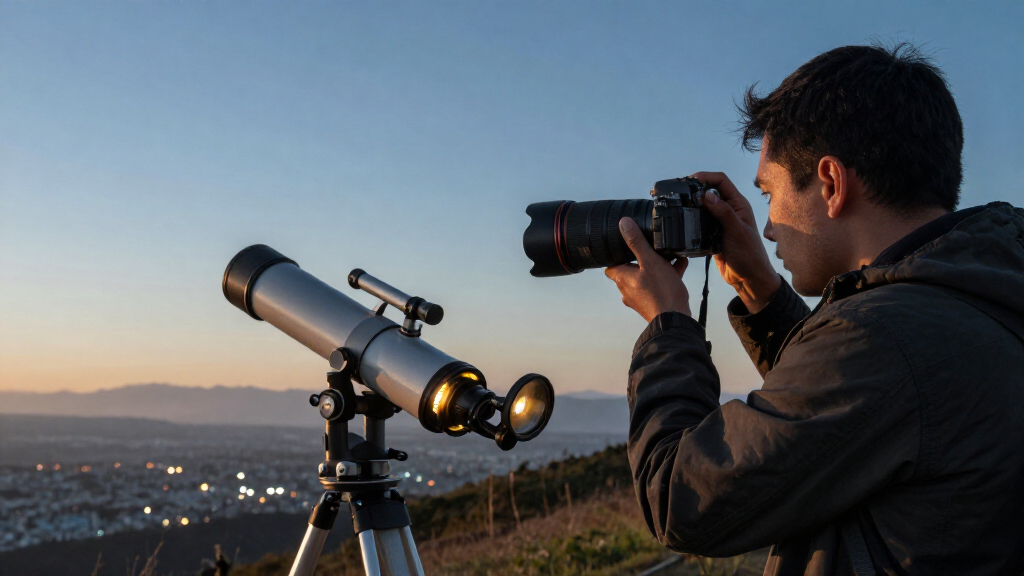
I compared the 15 listed filters by intended optical path, filter type, available size or mounting format, and the kinds of astrophotography each is suited to. Telescope UHC and multi-narrowband filters were judged as separate tools from camera-lens Natural Night and Starscape filters; a lens-thread filter should not outrank a telescope filter merely because its diameter is larger, or vice versa.
The ranking gives priority to clear, useful specialization, practical compatibility, and versatility within the product’s intended setup. That puts the SVBONY SV240 first for its distinct multi-narrowband role, while telescope users seeking a conventional UHC/LPR option can compare the Celestron, SVBONY, Alstar, and FIBONAX models by format. Camera-lens picks are ranked for buyers who need a matching thread or square holder, not as substitutes for telescope-mounted filters. Since filter performance depends on the target, camera, optics, and local lighting, I avoid treating any one filter as a universal solution or claiming that a filter removes all light pollution.
| light pollution filters for astrophotography | Water resistance | Brand |
|---|---|---|
| Alstar 2-Inch UHC Telescope Fi | Waterproof | — |
| SVBONY SV240 2-Inch Multi-Narr | Not water resistant | — |
| FIBONAX 1.25-Inch UHC Telescop | — | — |
| SVBONY 2-Inch UHC Telescope Fi | — | — |
| Walking Way 67mm Natural Night | Water resistant | — |
| Walking Way 58mm Natural Night | Water resistant | Walking Way |
| SVBONY 1.25-Inch UHC Telescope | — | SVBONY |
| HOYA 67mm Starscape Light Poll | Water resistant | HOYA |
| Walking Way 77mm Natural Night | Water resistant | Walking Way |
| Walking Way 49mm Natural Night | Water resistant | Walking Way |
| Celestron UHC/LPR Light Pollut | — | Celestron |
| Hoya Starscape 49mm Light Poll | Water resistant | Hoya |
| K&F Concept 67mm Natural Night | Waterproof | K&F Concept |
| K&F Concept 100 × 100 mm Natur | Waterproof | K&F Concept |
| Hoya Starscape 55mm Light Poll | Water resistant | Hoya |
Factors to Consider When Choosing Light Pollution Filters For Astrophotography
Before choosing a model, match the filter to both your imaging setup and target. These broader checks can prevent common fit errors and help set realistic expectations about what filtering can—and cannot—do.
Match the Filter to the Optical Path
A filter that screws onto a camera lens is not automatically suitable for a telescope, and a telescope filter may not attach to a lens. Telescope filters usually sit in an eyepiece or camera adapter with a matching thread, while lens filters attach at the front of a lens or use a holder system. Check where the filter will sit before comparing product names or sizes. If you use more than one optical setup, identify the threads and adapters for each one rather than assuming a single filter will cover them all. A step-up ring can sometimes connect a lens to a larger filter, but it does not make a telescope UHC filter fit a camera lens. When compatibility is uncertain, confirm the thread standard and mounting position in your equipment documentation.
Choose a Filter Type for Your Targets
Selective UHC and multi-narrowband filters are generally most useful on emission nebulae, whose light is concentrated in particular emission lines. Broadband objects such as galaxies and reflection nebulae emit across a wider range, so selective filtering can also cut useful target light and alter color balance. A “natural night” or “light pollution” label alone does not tell you exactly how a filter will affect a given object; look for the transmission curve and the wavelengths it passes when that information is available. If your target list mixes nebulae and galaxies, a filter specialized for nebulae may be a poor everyday choice. Many imagers keep unfiltered data or use different processing approaches rather than forcing one filter to serve every target.
Treat Filter Diameter as a Fit Measurement
Numbers such as 49mm, 67mm, 77mm, 1.25-inch, and 2-inch refer to different mounting formats, not a simple scale of image quality. For lens filters, match the diameter printed on the front of the lens or use a suitable adapter; the diameter of the camera body is not the right measurement. For telescope filters, check the thread on the eyepiece, diagonal, or camera adapter where the filter will attach. A larger filter may cover multiple lenses through step-up rings, but it can add bulk and may not work with a lens hood or holder. The square 100 × 100 mm format also requires a compatible holder. Confirm the full mounting chain before purchasing, especially if the filter will sit in front of a wide-angle lens.
Set Expectations for Light Pollution Reduction
A filter can change which wavelengths reach the sensor, but it cannot restore details lost to bright skies, poor transparency, or limited exposure time. Results vary with the local lighting spectrum, target, optics, camera, and processing workflow. Modern outdoor lighting can have a broad spectrum that is harder for selective filters to reject cleanly than older, narrower-band sources. A stronger cut may darken the background while also reducing stars or useful target light, so a darker-looking frame is not automatically a better one. Compare filtered and unfiltered exposures of the same target when possible, and plan for calibration and color correction. For broadband targets, darker locations and careful processing may help more than a restrictive filter.
Account for Camera and Imaging Workflow
Filter choice should fit the camera as well as the lens or telescope. A filter’s passbands may suit a particular sensor response or emission-line workflow, while color cameras and monochrome cameras can require different capture plans. With a color camera, a selective filter may shift the balance among color channels and call for deliberate calibration. With a monochrome camera, separate filters can support channel-based imaging, but that adds capture and processing steps. Check whether your camera, adapters, and focusing setup leave enough clearance for the filter, especially in compact or fast optical systems. If you are new to astrophotography, a simpler setup that fits your existing equipment can be a better starting point than a specialized filter that requires additional accessories.
Decide When Specialization Is Worth It
A specialized multi-narrowband filter makes the most sense when emission nebulae are a regular part of your imaging and your camera and optics can use its passbands effectively. A more general camera-lens filter can be a better fit when portability and compatibility across a lens-based setup matter more than narrowband capture. Paying for a different size or mounting style is useful only if it solves a real fit problem or supports a planned imaging system. Avoid buying several near-identical diameters before checking whether step-up rings or a filter holder could simplify your kit. If your observing plans are varied, start by listing the targets and optical setups you use most; specialization pays off when it matches repeated use, not just a promising product label.
Frequently Asked Questions
Can I use a camera-lens Natural Night filter on my telescope?
Not by default. Camera-lens filters such as the 49mm, 58mm, 67mm, and 77mm options are made for matching lens threads or compatible holders, while telescope UHC filters usually attach to telescope accessories with their own thread size. You may be able to adapt a filter if the thread standards and optical placement suit your setup, but matching diameters alone does not guarantee compatibility. Check the mounting point, adapter clearance, and whether the filter is designed for the intended optical path. If you mainly image through a telescope, choose a telescope-mounted format unless your equipment maker confirms a suitable adapter.
Will a light pollution filter improve photos of galaxies?
It may help in some situations, but it is not a reliable default choice for galaxies. Galaxies emit broadband light, so a selective filter can suppress parts of the galaxy’s signal along with unwanted skyglow. The effect depends on the filter’s transmission, local lighting, camera, and processing, and a darker background can come with reduced target detail or altered color. Compare filtered and unfiltered data on the same target before committing to a workflow. For galaxy imaging, darker skies, good calibration, and exposure planning may matter more than a narrowband-style filter.
Should I choose a 1.25-inch or 2-inch telescope filter?
Choose the format that matches the accessory where you will install the filter. A 1.25-inch filter suits compatible 1.25-inch eyepieces or adapters, while a 2-inch filter needs a matching 2-inch mounting point. The larger format is not inherently better for image quality, and an incorrectly sized filter may not attach at all. If your setup uses both sizes, check whether your adapters allow the filter to stay in the optical path you need. Confirm thread compatibility as well as nominal diameter before ordering.
Is the SVBONY SV240 a better choice than a UHC filter?
It depends on the target and capture plan rather than on a universal ranking. The SV240’s multi-narrowband approach makes it the more specialized candidate for emission-nebula imaging, while a conventional UHC filter may suit buyers seeking a different telescope-filter option. Neither should be treated as a general-purpose solution for every deep-sky object. Check the filter’s passbands against your camera and intended targets, and confirm that its 2-inch format fits your imaging train. If galaxies or other broadband objects dominate your list, compare filtered results carefully before choosing either type.
How do I choose among the 49mm, 67mm, and 77mm camera filters?
Use the filter-thread diameter marked on the front of the lens, not the camera mount or sensor size. A lens with a smaller thread can sometimes use a larger filter through a step-up ring, which can reduce the number of filters needed across several lenses. That arrangement may add bulk, interfere with a hood, or create vignetting with some wide-angle setups, so check the full configuration. The 67mm and 77mm filters are not automatically more capable than a 49mm model; they serve different lens fittings. For the K&F 100 × 100 mm square filter, confirm that you own or plan to buy a compatible holder.
Conclusion
For a single standout telescope option aimed at emission-nebula imaging, I’d choose the SVBONY SV240 2-Inch Multi-Narrowband; it earns the top spot for its distinct specialized role, not because it suits every target. For a conventional telescope UHC/LPR route, the Celestron 1.25-Inch is a sensible place for beginners to compare, provided their telescope accessories use that format. My value-minded pick is the SVBONY 1.25-Inch UHC for buyers whose setup already takes a 1.25-inch filter and who want a straightforward UHC option. For camera-lens users seeking a premium-leaning branded choice, the HOYA Starscape range makes the most sense when a listed diameter matches their lens; buyers who need a particular thread can instead compare the Walking Way or K&F sizes. For a specific square-holder setup, consider the K&F 100 × 100 mm Natural Night. Before choosing any of them, verify the mount and target fit: the best filter for your kit is the one that matches both, not simply the one with the broadest “light pollution” label.