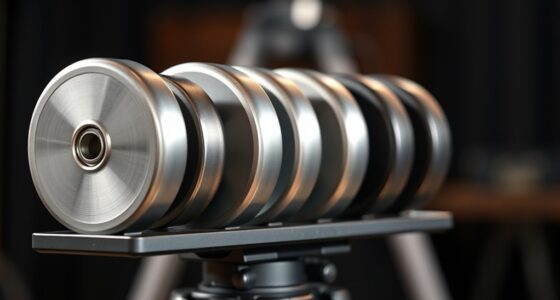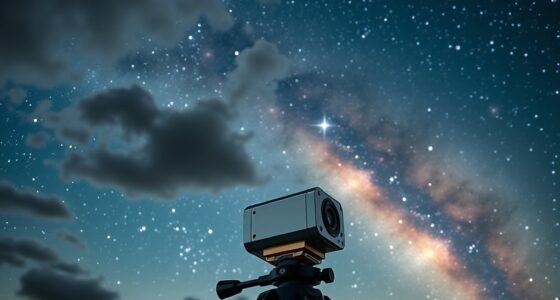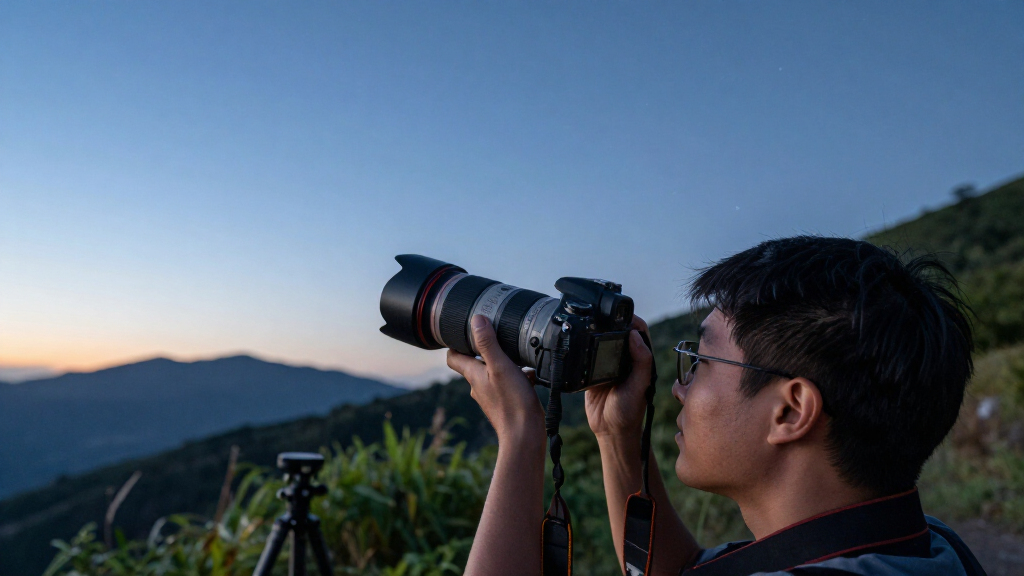
Choosing the right astrophotography camera filters can significantly enhance your night sky images, whether you’re capturing nebulae, stars, or deep-sky objects. For 2026, I focus on five standout options that address different needs and budgets. The SVBONY SV227 2″ Narrow-Band Filter Set offers a comprehensive choice for monochrome astrophotography, ideal for those wanting detailed emission line imaging. The Hoya Starscape 67mm filter excels at reducing urban light pollution, perfect for city-based astrophotographers. Meanwhile, The SVBONY SV220 dual-band filter provides deep-sky imaging in light-polluted areas with dual-band capabilities. Not to forget, The Hoya Sparkle 4X filter adds a creative starburst effect for artistic night scenes. Each option involves tradeoffs around compatibility, price, and specific use cases, making it essential to match your goals and setup.
Open a free Amazon Business account
Business pricing, bulk buying and tax-exempt orders.
Create a free accountAs an affiliate, we earn on qualifying purchases.
Key Takeaways
- Narrowband filters like SVBONY SV227 deliver detailed emission line imaging but are limited to monochrome cameras.
- Light pollution filters such as Hoya Starscape and SVBONY SV220 improve clarity in urban environments, with different wavelength focuses.
- Creative effects filters like Hoya Sparkle 4X add artistic flair but are less suited for serious deep-sky imaging.
- Compatibility and size are key; filters must match your camera or lens diameters for optimal results.
- Price and build quality vary; premium filters offer better coatings but at a higher cost.
| SVBONY SV227 2″ SHO Telescope Filter Set, 5nm Narrowband Filters |  | Best for Detailed Emission Line Imaging | Filter Size: 2 inches | Bandwidth: 5nm | Included Filters: SII, H-Alpha, OIII | VIEW LATEST PRICE | See Our Full Breakdown |
| SVBONY 1.25″ UHC Telescope Filter for Contrast Enhancement |  | Best for Light Pollution and Contrast Boosting | Diameter: 1.25 inches | Material: Optical glass | Use: Celestial observations, astrophotography | VIEW LATEST PRICE | See Our Full Breakdown |
| Hoya 67mm Starscape Light Pollution Astrophotography Filter |  | Best for Urban Night Sky Photography and Nightscapes | Brand: Hoya | Model Name: Intensifier | Filter Size: 67mm | VIEW LATEST PRICE | See Our Full Breakdown |
| SVBONY SV220 Telescope Filter, 7nm Dual-Band H-Alpha OIII Narrowband Filter |  | Best for Deep-Sky and Light-Polluted Environments | Filter Type: Dual-Band H-Alpha OIII Narrowband | Wavelength: 7nm | VIEW LATEST PRICE | See Our Full Breakdown | |
| Hoya Sparkle 4X 58mm Filter – Creates 4-Point Star Effect, Glow & Twinkle |  | Best for Artistic Night Scenes and Portraits | Filter Diameter: 58mm | Effect: 4-point starburst, glow, twinkle | Material: Multi-coated glass | VIEW LATEST PRICE | See Our Full Breakdown |
More Details on Our Top Picks
SVBONY SV227 2″ SHO Telescope Filter Set, 5nm Narrowband Filters
The SVBONY SV227 2″ Narrow-Band Filter Set stands out for astronomers seeking detailed emission line images of nebulae and galaxies. Designed specifically for monochrome cameras, these filters isolate SII, H-Alpha, and OIII lines, revealing intricate structures often hidden in broadband images. Compared to broader filters, their narrow 5nm bandwidth ensures high contrast and precise targeting of specific gas emissions. However, this narrow focus reduces overall light transmission, demanding longer exposures and stable mountings. If your goal is deep, detailed emission line imaging and you have a monochrome setup, this set offers impressive control and clarity. Still, it’s less suitable if you shoot in color or prefer quick, high-contrast images without long exposures.
Pros:- Enhances contrast and detail in emission line imaging
- Includes multiple filters for comprehensive nebula observation
- Filters are individually tested for quality
Cons:- Designed solely for monochrome cameras, limiting versatility
- Requires compatible 2-inch telescope threading
- Narrow bandwidth reduces light transmission, demanding longer exposures
Best for: Dedicated narrowband astrophotographers using monochrome cameras
Not ideal for: Color camera users or those seeking quick, high-light-gain images
- Filter Size:2 inches
- Bandwidth:5nm
- Included Filters:SII, H-Alpha, OIII
Our verdict“A top choice for monochrome astrophotographers aiming for detailed emission line captures, despite requiring longer exposure times.”
SVBONY 1.25″ UHC Telescope Filter for Contrast Enhancement
The SVBONY 1.25″ UHC filter is a versatile choice for observers and astrophotographers working in light-polluted environments. Its broad bandpass filters out unwanted wavelengths from urban lights, boosting contrast of nebulae and emission objects. Compared with narrower filters, its wider bandwidth allows more light through, making it suitable for quicker imaging sessions or visual use. However, in extremely heavy light pollution zones, it may not provide enough contrast enhancement. Its compatibility with 1.25-inch eyepieces makes it a good upgrade for existing setups but limits its use if your equipment uses larger threads. For city dwellers or those shooting from suburban sites, this filter offers a significant clarity boost without overly complicating the setup.
Pros:- Reduces light pollution effectively
- Enhances contrast of nebulae and emission objects
- Compatible with common 1.25″ eyepieces
Cons:- Less effective in extremely light-polluted areas
- Limited to 1.25-inch systems
- Wider bandpass may allow some unwanted wavelengths
Best for: Amateur astronomers in light-polluted areas seeking easy contrast improvement
Not ideal for: Deep-sky astrophotographers in dark skies or those needing very narrow filters
- Diameter:1.25 inches
- Material:Optical glass
- Use:Celestial observations, astrophotography
Our verdict“A practical, easy-to-use filter for urban astrophotographers, balancing contrast boost with convenience.”
Hoya 67mm Starscape Light Pollution Astrophotography Filter
The Hoya Starscape 67mm filter excels at urban night sky photography, reducing the glow of city lights while enhancing star contrast and colors. Made with Didymium glass and multi-coating, it maximizes light transmission and minimizes reflections, resulting in clearer, more natural images. Compared to standard light pollution filters, its multi-coating reduces reflections, and the slim design prevents vignetting on wide-angle lenses. Its main limitation is compatibility—being designed for 67mm lenses, it’s not suitable for smaller or larger lenses without adapters. Also, its premium price may be a barrier for casual users, but for dedicated astrophotographers shooting from light-polluted locations, it offers a noticeable improvement in image quality.
Pros:- Reduces urban light pollution effectively
- Enhances star visibility and color contrast
- High light transmission with multi-coating
Cons:- Designed specifically for 67mm lenses
- Premium price may deter casual users
- May require stacking with other filters for specific effects
Best for: DSLR astrophotographers and nightscape photographers with 67mm lenses in urban areas
Not ideal for: Those using non-67mm lenses or seeking budget options
- Brand:Hoya
- Model Name:Intensifier
- Filter Size:67mm
Our verdict“A high-quality filter that significantly improves urban night sky images, best suited for DSLR users with compatible lenses.”
SVBONY SV220 Telescope Filter, 7nm Dual-Band H-Alpha OIII Narrowband Filter
The SVBONY SV220 dual-band filter offers a practical solution for deep-sky imaging in areas with significant light pollution. Its dual-band design targets H-Alpha and OIII emissions at 7nm bandwidth, allowing astrophotographers to capture gaseous nebulae and planetary nebulae with enhanced contrast. Compared to single-band narrowband filters, this option simplifies post-processing by combining two key emission lines into one image. It’s suitable for both beginners with some experience and seasoned astronomers who want to extend their imaging in challenging environments. The main tradeoff involves a learning curve to optimize settings and exposure times, especially in light-polluted zones. If you’re seeking a versatile deep-sky filter that balances ease of use with performance, this model is worth considering.
Pros:- Reduces light pollution for clearer deep-sky images
- Dual-band capability captures key nebula emission lines
- Simplifies post-processing
Cons:- Requires some experience to optimize settings
- Limited to specific narrowband wavelengths
- May need longer exposures for faint objects
Best for: Deep-sky astrophotographers working in light-polluted regions
Not ideal for: Beginner casual users or those focusing solely on visual observation
- Filter Type:Dual-Band H-Alpha OIII Narrowband
- Wavelength:7nm
Our verdict“A reliable dual-band filter that enhances deep-sky imaging in challenging lighting conditions, suitable for intermediate users.”
Hoya Sparkle 4X 58mm Filter – Creates 4-Point Star Effect, Glow & Twinkle
The Hoya Sparkle 4X 58mm filter offers a creative touch to night photography, adding starburst effects, glow, and twinkle to light sources. Its rotatable frame allows for manual adjustment of star angles, giving photographers control over the artistic effect. Made with multi-coated glass, it minimizes reflections and prevents vignetting, ensuring professional-quality results. Compared with purely functional filters, this one leans toward artistic expression, making it less suitable for serious deep-sky imaging but perfect for nightscapes, portraits, or fun astrophotography projects. The main drawback is that the effect can be subtle or overdone depending on settings, and it’s designed specifically for 58mm lenses, limiting its compatibility.
Pros:- Creates stunning starburst and glow effects
- Rotatable frame for customizable star angles
- High-quality multi-coated glass
Cons:- Effect may be too subtle or overdone
- Requires manual adjustment for perfect results
- Limited compatibility with 58mm lenses
Best for: Night photographers and artists seeking creative effects
Not ideal for: Deep-sky astrophotographers or those needing precise scientific imaging
- Filter Diameter:58mm
- Effect:4-point starburst, glow, twinkle
- Material:Multi-coated glass
Our verdict“A fun, artistic filter best suited to creative night scenes and portraits, not for serious astrophotography.”
How We Picked
My selections analyze filters based on performance, versatility, build quality, and suitability for specific astrophotography scenarios. I prioritized filters with proven optical coatings, challenging light pollution levels, and user-relevant features like multi-band capabilities or creative effects. Compatibility with common camera and telescope sizes was also a significant factor, along with value for money. I excluded overly niche or low-quality options to focus on those delivering meaningful results for dedicated astrophotographers.
Factors to Consider When Choosing Astrophotography Camera Filters
Selecting the ideal astrophotography filter depends on your target objects, shooting environment, and camera setup. Narrowband filters are best for detailed emission line imaging but require monochrome cameras and longer exposures. Light pollution filters improve clarity in urban areas, with broader bandpasses offering easier use but less specificity. Creative effects filters add artistic flair but sacrifice scientific accuracy. Compatibility with your camera or telescope diameter is essential, and price can vary widely based on coatings and quality. Understanding your typical shooting conditions and goals will help narrow down the best choice.
Types of Astrophotography Filters
Narrowband filters like SVBONY SV227 isolate specific emission lines such as H-Alpha or OIII, revealing details in nebulae and gaseous structures. These are ideal for dedicated emission line imaging using monochrome cameras, but they involve longer exposure times and limited color compatibility. Light pollution filters, such as UHC and Starscape, block city glow and enhance contrast, offering quick improvements for urban astrophotographers. Dual-band filters like SVBONY SV220 combine multiple emission lines, simplifying deep-sky imaging in light-polluted areas. Artistic filters like Hoya Sparkle emphasize visual effects, making scenes look more magical but less scientifically precise.
Compatibility Considerations
Matching filter size to your camera or telescope is vital. For DSLR or mirrorless cameras, lens diameter dictates filter choice—filters like the Hoya 67mm are designed for specific lenses, while smaller sizes like 58mm suit certain hobbyist lenses. For telescope use, 1.25-inch and 2-inch filters are common, but ensure threading compatibility. Some filters, especially narrowband types, are optimized for monochrome cameras, so color imaging might require different solutions. The filter’s coatings and glass quality directly influence image clarity and durability, so investing in premium options can pay off over time.
Price vs. Performance
Budget options like basic UHC filters provide noticeable improvements at a lower cost, suitable for casual users. Mid-range filters such as the SVBONY SV220 or Hoya Starscape balance price with advanced coatings and dual-band capabilities, appealing to more serious hobbyists. Premium filters with multi-coatings, like the Hoya Sparkle 4X, offer better reflections control and durability but come at a higher price point. Consider your long-term needs and whether the investment aligns with your astrophotography ambitions—sometimes a more expensive filter delivers clearer, more durable results, saving money in upgrade costs later.
Frequently Asked Questions
What is the main benefit of narrowband filters in astrophotography?
Narrowband filters are designed to isolate specific emission lines like H-Alpha, OIII, or SII, allowing astrophotographers to capture highly detailed images of gaseous nebulae and emission regions. These filters reduce light pollution and background glow, resulting in images with higher contrast and finer structural details that are often hidden in broadband images. However, they require monochrome cameras and longer exposures, making them more suited to dedicated deep-sky astrophotography rather than quick captures or casual shooting.
Can I use light pollution filters for visual observation as well as astrophotography?
Yes, many light pollution filters, such as UHC and Starscape, are designed for both visual observation and astrophotography. They improve the contrast of nebulae and emission objects by blocking background city glow, making faint objects more visible through telescopes or binoculars. When choosing a filter for visual use, look for those with wider bandwidths and coatings that maximize light transmission without overly restricting the field of view or brightness. Keep in mind that some filters are optimized specifically for imaging, so check the manufacturer’s recommendations for dual-use compatibility.
How do I determine the correct size filter for my camera or telescope?
Filter size depends on your camera lens diameter or telescope threading. DSLR and mirrorless lenses often specify diameters like 58mm, 67mm, or 77mm, which must match your filter to avoid vignetting or attachment issues. For telescopes, common sizes include 1.25-inch and 2-inch, with adapters available for other sizes. Always verify your equipment’s thread or barrel diameter before purchasing a filter. Using the correct size ensures optimal light transmission and prevents vignetting, which can degrade image quality or limit your field of view.
Are dual-band filters better than single-band filters for deep-sky imaging?
Dual-band filters like the SVBONY SV220 provide the advantage of capturing two key emission lines—H-Alpha and OIII—in a single exposure, simplifying post-processing and saving time. They are especially useful in light-polluted environments where multiple narrowband filters might be impractical. However, dual-band filters typically have wider bandwidths and may allow some unwanted wavelengths, which can slightly reduce contrast compared to single-band narrow filters. For dedicated astrophotographers focusing on specific objects, single-band filters may still offer sharper, higher-contrast results, but dual-band options are more versatile for general deep-sky imaging in challenging conditions.
Is it worth investing in premium astrophotography filters?
Premium filters with multi-coatings and high-quality glass, like the Hoya Sparkle 4X, generally offer better light transmission, fewer reflections, and greater durability. These qualities translate into clearer, more vibrant images and longer-lasting performance, often justifying their higher cost for dedicated astrophotographers. While budget filters can improve images significantly, investing in higher-end filters can reduce issues such as vignetting, reflection, and color cast, especially when shooting under difficult conditions or with high-end equipment. If astrophotography is a serious pursuit for you, premium filters tend to be a worthwhile investment for consistent, professional-quality results.
Conclusion
For amateur astrophotographers shooting in urban or light-polluted areas, a light pollution filter like the Hoya Starscape or SVBONY SV220 offers an excellent balance of performance and affordability. Those dedicated to emission line imaging with monochrome cameras should consider the SVBONY SV227 set, despite its longer exposure requirements. Creative artists aiming for nightscape effects will find the Hoya Sparkle 4X perfect for adding visual flair. Serious deep-sky imagers seeking maximum contrast and detail will benefit most from high-quality narrowband filters, but should be prepared for the longer exposures and specialized equipment needed. Ultimately, your choice depends on your target objects, camera setup, and environment—matching these factors is key to successful astrophotography this year.
As an affiliate, we earn on qualifying purchases.NFL season / tailgating Picks
team gear