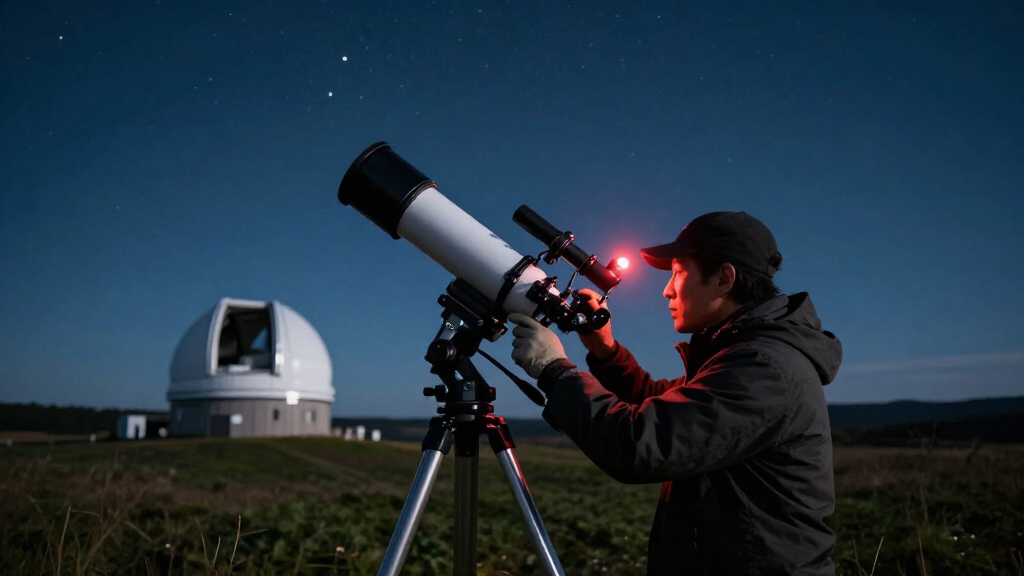
Choosing the right deep sky astrophotography cameras requires balancing sensor sensitivity with ease of use. The ZWO Seestar S30 Pro stands out as the best overall pick for its all-in-one portability and automated stacking, making it ideal for beginners who want results without complex setup. For those seeking higher resolution in a dedicated camera, the SVBONY SC571CC offers a large APS-C sensor that captures more sky detail than smaller counterparts. The main tradeoff you will face is between the convenience of integrated smart telescopes and the raw optical quality of traditional cooled CMOS cameras attached to separate mounts. Continue reading to see which of these eight options aligns with your specific imaging goals and technical comfort level.

Prime made for students and young adults
- Fast, free delivery for dorm and study essentials
- Prime Video and Amazon Music included
- Member-only deals
Key Takeaways
- Integrated smart telescopes like the ZWO Seestar S30 Pro and DWARFLAB Dwarf 3 eliminate the need for separate mounts and guide cameras, drastically reducing setup time.
- Cooled CMOS cameras such as the SVBONY SV405CC and SC571CC require a separate telescope and equatorial mount, but offer superior noise reduction through active cooling.
- Sensor size matters more than megapixel count for deep sky imaging; the SC571CC‘s APS-C sensor captures significantly more field of view than the smaller sensors in the SV605CC or SV705C.
- The OM SYSTEM OM-3 is a hybrid option that works for both terrestrial and astrophotography, but lacks the long-exposure noise control of dedicated cooled astronomy cameras.
- Entry-level cooled cameras like the SVBONY SV605CC provide a significant step up from DSLRs by removing thermal noise, making them the best value entry point for traditional astrophotography.
| ZWO Seestar S30 Pro Smart Telescope |  | Best All-in-One Smart Telescope | Mount Type: Alt-azimuth with EQ mode support | Focal Length: 160 mm | Aperture: 30 mm | VIEW LATEST PRICE | See Our Full Breakdown |
| SVBONY SV605CC Cooled Color Astrophotography Camera |  | Best Mid-Range Dedicated Camera | Sensor: Sony IMX533 Color (1-inch) | Resolution: 9 MP (3008 × 3008) | Pixel Size: 3.76 μm | VIEW LATEST PRICE | See Our Full Breakdown |
| SVBONY SV705C Telescope Camera with IMX585 Sensor and USB 3.0 |  | Best for Beginners & Planetary Imaging | Sensor: Sony IMX585 BSI CMOS | Resolution: 3856 × 2180 | Pixel Size: 2.9 μm (approx) | VIEW LATEST PRICE | See Our Full Breakdown |
| SVBONY SC571CC Cooled Color Astronomy Camera with IMX571 APS-C Sensor |  | Best High-Resolution Deep Sky | Sensor: IMX571 APS-C BSI CMOS | Resolution: 26 MP | Sensor Size: 23.4 × 15.7 mm | VIEW LATEST PRICE | See Our Full Breakdown |
| DWARFLAB Dwarf Mini Smart Telescope |  | Best Ultra-Compact Travel Telescope | Weight: 1.85 lbs | Sensor: Sony IMX662 | Focal Length: 150 mm | VIEW LATEST PRICE | See Our Full Breakdown |
| DWARFLAB Dwarf 3 Smart Telescope |  | Best for Travel and Casual Imaging | Form Factor: Portable Smart Telescope | Aperture: 35 mm | Tracking: 4K Auto-Tracking | VIEW LATEST PRICE | See Our Full Breakdown |
| SVBONY SV405CC Cooled Astrophotography Camera with IMX294 Sensor |  | Best Value Cooled Camera | Sensor: Back-illuminated IMX294 Color CMOS | Sensor Size: 4/3 inch | Resolution: 11.7 MP | VIEW LATEST PRICE | See Our Full Breakdown |
| OM SYSTEM OM-3 Mirrorless Camera, Silver |  | Best for Hybrid Use and Stability | Sensor: 20.4 MP Stacked BSI Live MOS | Sensor Format: Micro Four Thirds | ISO Range: 200–25,600 | VIEW LATEST PRICE | See Our Full Breakdown |
| deep sky astrophotography camera | Sensor | Weight | Resolution | Interface |
|---|---|---|---|---|
| ZWO Seestar S30 Pro Smart Tele | — | 3.6 lb | — | — |
| SVBONY SV605CC Cooled Color As | Sony IMX533 Color (1-inch) | 1.6 kg | 9 MP (3008 × 3008) | USB 3.0 |
| SVBONY SV705C Telescope Camera | Sony IMX585 BSI CMOS | — | 3856 × 2180 | USB 3.0 |
| SVBONY SC571CC Cooled Color As | IMX571 APS-C BSI CMOS | — | 26 MP | USB 3.0 Type-C |
| DWARFLAB Dwarf Mini Smart Tele | Sony IMX662 | 1.85 lbs | — | — |
| DWARFLAB Dwarf 3 Smart Telesco | — | 2.28 kg | — | — |
| SVBONY SV405CC Cooled Astropho | Back-illuminated IMX294 Color CMOS | — | 11.7 MP | USB 3.0 |
| OM SYSTEM OM-3 Mirrorless Came | 20.4 MP Stacked BSI Live MOS | 413 g | — | — |
More Details on Our Top Picks
ZWO Seestar S30 Pro Smart Telescope
This integrated smart telescope removes the complexity of traditional astrophotography by combining optics, mount, and processing into one unit. Unlike the SVBONY SV605CC, which requires a separate telescope and mount, the S30 Pro offers a complete imaging solution out of the box. Its automatic GoTo targeting and AI stacking allow users to capture nebulae and galaxies without manual guiding or dithering. However, the fixed 160mm focal length limits magnification compared to dedicated setups, and it cannot be upgraded with larger optics later. This makes it ideal for those prioritizing convenience over customization, but frustrating for enthusiasts who want to tweak every variable.
Pros:- Fully integrated system with no separate mount or telescope required
- AI-driven stacking and processing simplify post-production
- Built-in light pollution filters enable urban imaging
- Compact form factor fits easily into carry-on luggage
Cons:- Fixed optical path prevents upgrades to larger apertures
- Alt-azimuth mount requires careful balancing for long exposures
- Not suitable for high-magnification planetary work
Best for: Beginners who want a hassle-free, portable system for capturing wide-field deep-sky objects without building a rig.
Not ideal for: Advanced users seeking high-resolution planetary details or the ability to swap lenses and sensors.
- Mount Type:Alt-azimuth with EQ mode support
- Focal Length:160 mm
- Aperture:30 mm
- Control Method:Smartphone App
- Weight:3.6 lb
- Power:Internal Battery
Our verdict“Choose this if you value portability and automation over optical flexibility and raw sensor power.”
SVBONY SV605CC Cooled Color Astrophotography Camera
The SV605CC strikes a balance between resolution and thermal management, featuring a 9MP Sony IMX533 sensor that pairs well with medium-focal-length refractors. Compared to the SVBONY SV705C, this cooled model offers superior long-exposure performance by reducing thermal noise up to 30°C below ambient. This cooling capability is critical for deep-sky imaging, where exposures often exceed several minutes. While it lacks the massive 26MP sensor of the SVBONY SC571CC, its square 1-inch format provides a wider field of view for a given focal length, making it more forgiving for tracking errors. It is a serious step up from uncooled cameras but remains manageable for intermediate users.
Pros:- Double-layer TEC cooling significantly reduces thermal glow
- Square sensor format maximizes field coverage on medium refractors
- USB 3.0 interface ensures fast data transfer for long sequences
- Durable aluminum enclosure supports outdoor use
Cons:- Requires a separate telescope and mount for operation
- Heavier than uncooled alternatives, adding load to lightweight mounts
- Not optimized for high-speed planetary video capture
Best for: Intermediate astrophotographers building a dedicated deep-sky rig who need cooled performance without the bulk of full-frame sensors.
Not ideal for: Planetary imagers who need high frame rates and small pixels for lucky imaging.
- Sensor:Sony IMX533 Color (1-inch)
- Resolution:9 MP (3008 × 3008)
- Pixel Size:3.76 μm
- Cooling Delta:Up to 30°C below ambient
- Interface:USB 3.0
- Weight:1.6 kg
Our verdict“This camera is the sweet spot for deep-sky enthusiasts who need cooled stability without the complexity of full-frame systems.”
SVBONY SV705C Telescope Camera with IMX585 Sensor and USB 3.0
As an uncooled CMOS camera, the SV705C is designed for versatility rather than extreme deep-sky sensitivity. Its back-illuminated IMX585 sensor offers high quantum efficiency and low read noise, making it excellent for planetary imaging and Electronically Assisted Astronomy (EAA). Unlike the SVBONY SV605CC, it lacks active cooling, which limits its effectiveness for hour-long exposures due to thermal noise. However, its small pixel size and high frame rate make it superior for capturing sharp planetary details where speed is paramount. This camera serves as an accessible entry point for those wanting to try both lunar/planetary work and short-exposure deep-sky imaging without investing in cooling hardware.
Pros:- High dynamic range and low read noise benefit planetary stacking
- Back-illuminated sensor improves near-infrared sensitivity
- Lightweight and compact for easy mounting on telescopes
- Supports CS and C-mount lenses for wide-field use
Cons:- No cooling limits long-exposure deep-sky performance
- Small sensor size restricts field of view on large telescopes
- Thermal noise accumulates during extended imaging sessions
Best for: Hobbyists starting with planetary imaging or EAA who want a single camera for multiple observing modes.
Not ideal for: Deep-sky photographers targeting faint galaxies requiring 30+ minute exposures.
- Sensor:Sony IMX585 BSI CMOS
- Resolution:3856 × 2180
- Pixel Size:2.9 μm (approx)
- Interface:USB 3.0
- Mount:CS Mount (C-CS adapter included)
- Cooling:None
Our verdict“Ideal for beginners who want a versatile tool for planets and short-exposure deep-sky shots before committing to cooled systems.”
SVBONY SC571CC Cooled Color Astronomy Camera with IMX571 APS-C Sensor
This camera targets serious deep-sky imagers with its 26MP APS-C sensor, offering a significantly larger field of view than the 1-inch SVBONY SV605CC. The IMX571 sensor is renowned for its low noise and high dynamic range, making it ideal for capturing faint details in nebulae and galaxies. Features like the front-window heater and zero amp-glow design address common issues in long-exposure photography, ensuring cleaner data with less post-processing. While it outperforms the SV605CC in resolution and sensor size, it demands a more robust mount and guiding system to handle its weight and longer focal lengths effectively. It is the choice for those ready to invest in a high-end rig.
Pros:- 26MP APS-C sensor provides extensive field coverage and detail
- Dual-stage TEC cooling reaches 35°C below ambient for clean images
- Integrated dew heater prevents optical condensation during long sessions
- 16-bit ADC and large buffer ensure stable data handling
Cons:- Requires a sturdy equatorial mount and guide scope
- Larger sensor demands longer focal lengths for optimal sampling
- Higher power consumption compared to smaller cooled cameras
Best for: Advanced astrophotographers seeking high-resolution data for faint deep-sky objects with a robust telescope setup.
Not ideal for: Users with lightweight mounts or those new to astrophotography who need a simple, plug-and-play experience.
- Sensor:IMX571 APS-C BSI CMOS
- Resolution:26 MP
- Sensor Size:23.4 × 15.7 mm
- Cooling Delta:Up to 35°C below ambient
- ADC:16-bit
- Interface:USB 3.0 Type-C
Our verdict“The definitive choice for serious deep-sky enthusiasts who prioritize resolution and sensor quality over portability.”
DWARFLAB Dwarf Mini Smart Telescope
Weighing just 1.85 lbs, the Dwarf Mini is one of the most portable options available, significantly lighter than the ZWO Seestar S30 Pro. It uses a Sony IMX662 sensor and supports exposures up to 90 seconds, allowing for decent deep-sky captures in a pocket-sized form factor. The interactive sky map and automated tracking streamline the targeting process, making it accessible for travel. However, the 30mm aperture limits light gathering power, resulting in noisier images compared to larger instruments. It is best viewed as a supplementary travel tool rather than a primary imaging rig, offering convenience at the cost of optical depth.
Pros:- Extremely lightweight and compact for easy transport
- Automated tracking and interactive sky map simplify targeting
- Battery-powered operation allows use in remote locations
- Supports equatorial mode for longer exposure stability
Cons:- Small 30mm aperture limits light collection and image brightness
- Dependent on smartphone connectivity for all controls
- 90-second exposure limit restricts deep-sky depth compared to dedicated cameras
Best for: Travelers and campers who prioritize extreme portability and quick setup for casual deep-sky imaging.
Not ideal for: Users expecting high-detail images of faint galaxies or those who dislike relying on smartphone apps for control.
- Weight:1.85 lbs
- Sensor:Sony IMX662
- Focal Length:150 mm
- Aperture:30 mm
- Max Exposure:90 seconds
- Power:Internal Battery
Our verdict“Perfect for those who need a take-anywhere camera that fits in a jacket pocket, accepting lower image quality for unmatched convenience.”
DWARFLAB Dwarf 3 Smart Telescope
This unit stands out for portability and ease of use, targeting users who want results without technical overhead. Unlike the SVBONY SV405CC, which demands manual tracking and software configuration, the Dwarf 3 handles alignment and focus automatically via its app. Its dual-lens system allows switching between wide-angle landscapes and telephoto deep-sky targets, a versatility most dedicated astro-cameras lack. However, this convenience comes at the cost of sensor size and resolution. The 35 mm objective lens limits light gathering compared to larger apertures, making faint targets difficult to capture. Cloud-based processing simplifies stacking but removes local control over image data. This is ideal for those prioritizing simplicity over raw scientific capability.
Pros:- All-in-one setup requires no separate mount or computer
- Dual lenses allow both wide and telephoto imaging
- App-driven automation handles tracking and stacking
Cons:- Small aperture limits light gathering for faint deep-sky objects
- Cloud processing restricts local file control and speed
- Weight discrepancy in specs suggests potential build inconsistencies
Best for: Travelers and beginners who want a plug-and-play solution without learning astrophotography software.
Not ideal for: Serious astrophotographers needing high-resolution data or long-exposure control for faint targets.
- Form Factor:Portable Smart Telescope
- Aperture:35 mm
- Tracking:4K Auto-Tracking
- Processing:Cloud-based AI Stacking
- Connectivity:Wi-Fi / Bluetooth App Control
- Power:Internal Lithium-ion Battery
- Weight:2.28 kg
Our verdict“Choose this if you value portability and automation over sensor performance and manual control.”
SVBONY SV405CC Cooled Astrophotography Camera with IMX294 Sensor
This camera delivers a 4/3-inch sensor with active cooling, offering a significant step up in noise performance from uncooled options like the DWARFLAB Dwarf 3. The IMX294 sensor provides excellent quantum efficiency, making it suitable for capturing faint nebulae with shorter exposures than smaller sensors require. The two-stage TEC cooling reduces dark current, allowing for longer integration times without excessive noise buildup. Compared to the APS-C sized SVBONY SC571CC, this model is more compact and lighter, easing the load on smaller mounts. However, it requires a separate telescope and mount, adding complexity. Users must also manage power and cabling, which the Dwarf 3 avoids entirely.
Pros:- Active cooling significantly reduces noise for long exposures
- High-sensitivity IMX294 sensor captures wide dynamic range
- Broad compatibility with Windows, Mac, and Linux software
Cons:- Requires separate telescope, mount, and power setup
- Heavier than uncooled alternatives, impacting portable rigs
- No internal storage; requires constant computer connection
Best for: Hobbyists ready to move beyond smart telescopes who want cooled performance without a flagship price.
Not ideal for: Users without a sturdy mount or those unwilling to learn imaging software like N.I.N.A. or Sharpcap.
- Sensor:Back-illuminated IMX294 Color CMOS
- Sensor Size:4/3 inch
- Resolution:11.7 MP
- Pixel Size:4.63 μm
- Cooling:Two-stage TEC (-30°C below ambient)
- Interface:USB 3.0
- Bit Depth:14-bit ADC
Our verdict“This is the logical next step for enthusiasts seeking cooled sensor performance in a manageable package.”
OM SYSTEM OM-3 Mirrorless Camera, Silver
The OM-3 is not a dedicated astro-camera, but its enhanced hydrogen-alpha sensitivity makes it surprisingly effective for deep-sky work. Unlike the SVBONY SV405CC, which requires a separate mount and computer, this camera offers 7.5-stop in-body stabilization, allowing handheld or tripod-mounted shots of brighter targets like the Milky Way without trailing. It is a dual-purpose tool for daytime photography and night sky imaging. The tradeoff is noise performance; without active cooling, long exposures generate more thermal noise than the SVBONY. Additionally, the Micro Four Thirds sensor is smaller than the 4/3-inch or APS-C sensors found in dedicated astronomy cameras, limiting low-light detail retention in very faint regions.
Pros:- In-body stabilization enables sharp handheld night shots
- Enhanced H-alpha sensitivity improves nebula contrast
- Compact, weather-sealed body is durable for travel
Cons:- No active cooling leads to higher noise in long exposures
- Smaller sensor size limits resolution for faint deep-sky targets
- Requires manual tracking for exposures longer than 30 seconds
Best for: Photographers who want one camera for both daily life and casual astrophotography with minimal setup.
Not ideal for: Dedicated deep-sky imagers needing cooled sensors for hours-long exposures on faint galaxies.
- Sensor:20.4 MP Stacked BSI Live MOS
- Sensor Format:Micro Four Thirds
- ISO Range:200–25,600
- Stabilization:7.5-stop IBIS
- Video:4K 60p
- Weather Sealing:IP53 Rated
- Weight:413 g
Our verdict“Pick this if you refuse to carry separate gear for astronomy and photography.”
How We Picked
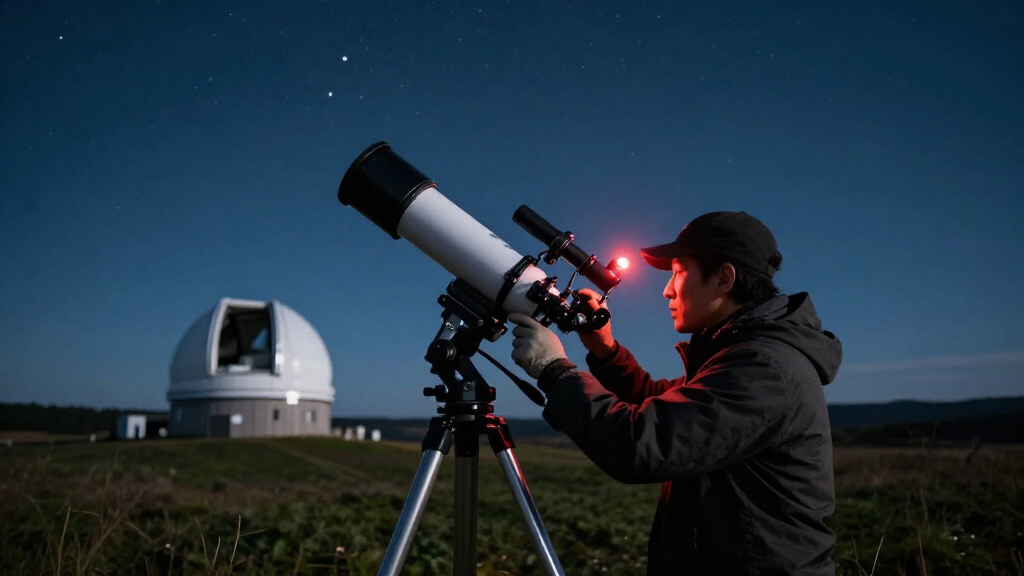
I evaluated these eight products by analyzing their sensor architecture, cooling capabilities, and system integration requirements. For dedicated astrophotography cameras, I prioritized quantum efficiency and read noise performance, as these factors directly impact the signal-to-noise ratio in long-exposure images. I also considered the physical size of the sensor relative to common focal lengths, ensuring that readers understand the field-of-view implications of each choice.
For smart telescopes, the evaluation shifted toward automation reliability, app usability, and portability. I compared the aperture and focal length of these integrated units against traditional refractor setups to determine where they offer genuine value versus where they compromise on optical performance. The final ranking reflects a balance of image quality potential, ease of acquisition, and total system cost, highlighting which tools serve beginners versus advanced amateurs.
| deep sky astrophotography camera | Interface |
|---|---|
| ZWO Seestar S30 Pro Smart Tele | — |
| SVBONY SV605CC Cooled Color As | USB 3.0 |
| SVBONY SV705C Telescope Camera | USB 3.0 |
| SVBONY SC571CC Cooled Color As | USB 3.0 Type-C |
| DWARFLAB Dwarf Mini Smart Tele | — |
| DWARFLAB Dwarf 3 Smart Telesco | — |
| SVBONY SV405CC Cooled Astropho | USB 3.0 |
| OM SYSTEM OM-3 Mirrorless Came | — |
Factors to Consider When Choosing Deep Sky Astrophotography Cameras
Selecting the right camera for deep sky imaging involves more than just looking at resolution specs. You must consider how the camera integrates with your existing equipment and what kind of learning curve you are prepared to handle.Cooling vs. Uncooled Sensors
Thermal noise is the enemy of long-exposure astrophotography. Cooled CMOS cameras, like the SVBONY series, use thermoelectric coolers to lower the sensor temperature, reducing the dark current that creates speckles in your images. Uncooled cameras, including most DSLRs and some mirrorless options, accumulate this noise rapidly after just a few minutes of exposure. If you plan to shoot from a backyard with light pollution, cooling helps you extract faint nebula details that would otherwise be lost in the noise floor. This feature is non-negotiable for serious deep sky work, as it allows for longer sub-exposures and cleaner data.
Sensor Size and Field of View
The physical size of the sensor dictates how much sky you can capture at once. APS-C sensors found in the SC571CC cover a wider area than the 1-inch or smaller sensors in many smart telescopes. A larger sensor means you can image large galaxies or nebulae without needing to stitch together multiple panels. However, larger sensors also demand higher-quality optics to cover the entire image circle without vignetting or star distortion. Buyers often underestimate the cost of upgrading their telescope to match a larger sensor, so ensure your optics can support the camera you choose.
System Integration and Complexity
Integrated smart telescopes bundle the camera, mount, and optics into a single unit. This simplifies the workflow but limits flexibility. You cannot change the lens or upgrade the mount independently. In contrast, dedicated CMOS cameras require you to own or purchase a separate telescope, equatorial mount, guide scope, and laptop. The tradeoff is control; you can swap lenses, change mounts, and tailor the system to your budget. Beginners often prefer the ‘point and shoot’ nature of smart scopes, while enthusiasts value the modularity of traditional setups.
Filter Wheels and Monochrome Options
Color cameras, like the ones listed here, are convenient because they capture RGB data simultaneously. However, monochrome cameras generally offer higher resolution and sensitivity because they do not use a Bayer filter array. To use a monochrome camera for color images, you need a filter wheel and multiple exposures through Red, Green, and Blue filters. This adds cost and complexity but yields superior detail and dynamic range. If you are just starting, a color camera is more forgiving and faster to acquire data with. Consider monochrome only when you have mastered the basics of color processing.
Connectivity and Remote Imaging
Most dedicated astrophotography cameras use USB 3.0 or USB-C connections for power and data. This requires a reliable computer or mini-PC in the field, which adds to the setup complexity. Smart telescopes often use Wi-Fi and battery power, allowing you to control the imaging session from a smartphone. This wireless capability is a major advantage for remote or dark-sky locations where power outlets are scarce. Evaluate your imaging location carefully; if you travel to dark sites, the battery life and wireless control of integrated systems offer a practical advantage over tethered desktop setups.
Frequently Asked Questions
Can I use a standard DSLR or mirrorless camera for deep sky imaging instead of a dedicated astronomy camera?
Yes, but with significant limitations. Standard cameras lack active cooling, so thermal noise builds up quickly, restricting your individual exposure times to usually under 2-3 minutes. Dedicated astronomy cameras cool the sensor to near-zero or even negative temperatures, allowing for 5-10 minute exposures with far less noise. Additionally, most consumer cameras have a hot mirror filter that blocks hydrogen-alpha light, which is critical for capturing red emission nebulae. Unless you modify the camera by removing this filter, you will miss out on significant astronomical details that dedicated CMOS sensors capture naturally.
Do I need a telescope with a dedicated astrograph if I buy a large sensor camera like the SVBONY SC571CC?
It is highly recommended, though not strictly mandatory. Large sensors require an image circle large enough to cover the entire frame without vignetting. Many standard visual-back telescope eyepieces have small image circles, leading to dark corners and distorted stars at the edges of your photos. An astrograph is designed specifically to project a flat, sharp image across a large sensor. If you use a standard refractor with a focal reducer, you might achieve acceptable results on smaller APS-C sensors, but full-frame or large APS-C sensors often reveal optical flaws that degrade image quality.
How important is the cooling temperature delta (Delta-T) for cameras like the SVBONY SV405CC?
The Delta-T represents the difference between the ambient air temperature and the sensor temperature. A higher Delta-T means the sensor is colder relative to the environment, which exponentially reduces dark current noise. In warm climates, a camera with a high Delta-T capability is more valuable because it can keep the sensor cool even when it is 80°F outside. For backyard imaging, a Delta-T of 30-35°C is standard for good performance. If you live in a very hot region, look for cameras with stronger cooling systems or consider imaging during cooler nights to maximize the benefit of the Delta-T.
Is a smart telescope like the ZWO Seestar S30 Pro better than a traditional telescope and camera setup?
It depends entirely on your definition of ‘better.’ For ease of use, portability, and speed, the smart telescope wins. You can set it up in minutes and capture decent images without knowing how to polar align or focus manually. However, a traditional setup with a separate telescope and camera offers superior optical quality, larger apertures, and the ability to upgrade components individually. If your goal is to capture high-resolution, detailed images of small galaxies and planetary nebulae, a traditional refractor with a dedicated CMOS camera will outperform any smart telescope. The smart scope is best for large-area targets and casual imaging.
What is the benefit of having a USB 3.0 or USB-C port on an astrophotography camera?
USB 3.0 and USB-C provide the necessary bandwidth to transfer large raw image files quickly during long imaging sessions. This is critical when you are dithering (slightly moving the camera between exposures) to remove hot pixels and walk-off noise. If the transfer speed is too slow, your imaging sequence will stall between frames, wasting valuable dark sky time. Additionally, USB-C ports on newer cameras often support Power Delivery, allowing you to power the camera from a portable battery pack, which is essential for remote locations. Always ensure your computer or hub supports USB 3.0 to avoid bottlenecks.
Conclusion
Choosing between these deep sky astrophotography cameras comes down to how much control you want over your gear. For those who want the easiest path to successful images with minimal setup, the ZWO Seestar S30 Pro is the best overall choice due to its integrated automation and portability. If you prefer building a traditional system and want the best balance of price and performance, the SVBONY SV405CC offers excellent 4/3 inch sensor capabilities at a reasonable cost. For advanced users seeking maximum detail and field of view, the SVBONY SC571CC with its APS-C sensor is the premium pick, provided you have the optics to support it. Beginners on a tight budget should consider the DWARFLAB Dwarf 3 as a low-cost entry into smart telescopes, while the OM SYSTEM OM-3 remains a versatile hybrid for those who refuse to give up daytime photography. Match your choice to your patience for setup and your desire for optical customization.
Fall Picks
fall essentials
As an affiliate, we earn on qualifying purchases.
![Terence Tao: Math 2.0 [Pdf]](https://astrophotographyhq.com/wp-content/uploads/2026/10/terence-tao-math-2-0-pdf-featured-260x140.jpg)