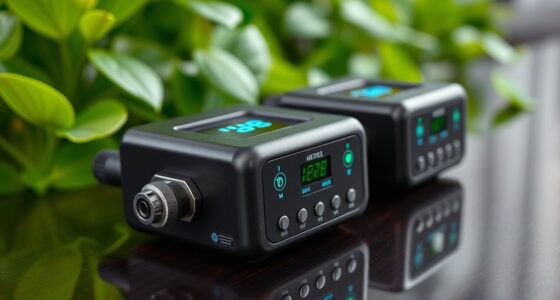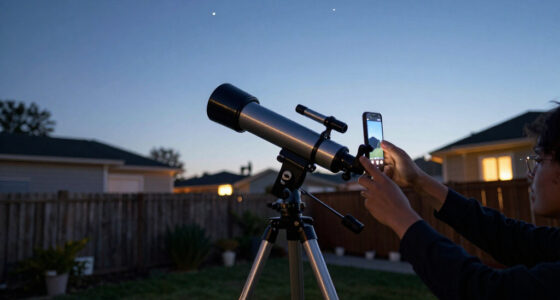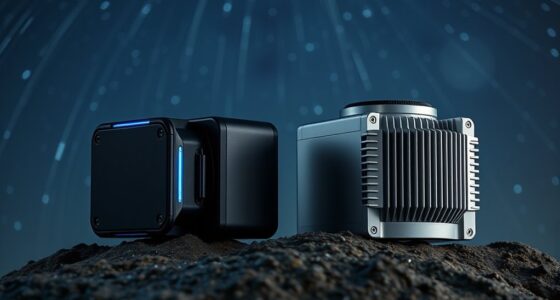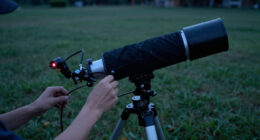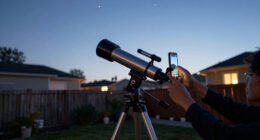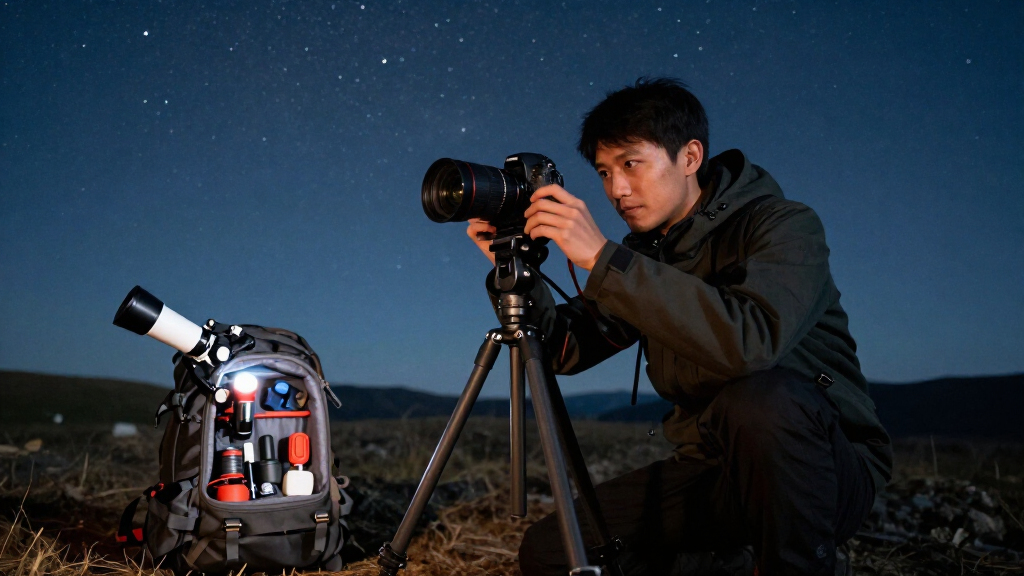
If you’re passionate about exploring the night sky through astrophotography, this comprehensive checklist is designed specifically for you. Whether you’re just starting out or looking to upgrade your gear, understanding what equipment truly makes a difference can elevate your experience and results. This guide organizes essential gear into clear categories, helping you focus on the most important features and compatibility considerations.

Prime made for students and young adults
- Fast, free delivery for dorm and study essentials
- Prime Video and Amazon Music included
- Member-only deals
To make the most of this list, consider your specific astrophotography goals—whether capturing wide-field star fields or detailed planetary shots. Use this as a reference to compare options, ensuring each piece fits your setup and skill level. Remember, the best equipment balances quality, ease of use, and your budget, making your stargazing nights more enjoyable and productive.
Keep this checklist handy when shopping or researching gear, and use it to identify the key features that matter most to your astrophotography pursuits. With a clear understanding of what to look for, you’ll be better prepared to select gear that enhances your celestial imaging adventures.
Telescope Options
Choosing the right telescope is fundamental for successful astrophotography. The Celestron NexStar 8SE is a popular choice because of its Schmidt-Cassegrain design, which combines compactness with powerful optics. This telescope offers a good balance between aperture size and portability, making it suitable for both beginners and intermediate users. When selecting a telescope, consider its aperture, which determines light-gathering ability, and its mount compatibility. A sturdy, computerized mount can significantly simplify tracking celestial objects, especially during long exposures.
Many beginners make the mistake of choosing a telescope without considering your sky conditions or the types of objects you want to photograph. For example, larger apertures are better for deep-sky objects but may require more advanced mounts and more careful setup. Additionally, ensure the telescope’s focal length matches your intended field of view. Compatibility with accessories like cameras and filters is also essential to future-proof your investment.
Proper setup and calibration are crucial for crisp images. Invest time in aligning your telescope correctly and understanding its tracking capabilities to avoid blurry photos. Familiarize yourself with the telescope’s manual and software to make the most of its features.
What to look for:
- Aperture size suitable for your targets
- Compatibility with digital cameras and accessories
- Reliable, motorized tracking system
- Ease of setup and calibration
- Portability and weight for your travel needs
Celestron NexStar 8SE Computerized Telescope – Schmidt-Cassegrain

The Celestron NexStar 8SE is a 8-inch Schmidt-Cassegrain telescope featuring a fully computerized GoTo mount, allowing for easy and precise sky observation. Its large aperture captures detailed lunar, planetary, and deep-sky objects, making it ideal for amateur astronomers seeking advanced features in a portable design.
Pros:
- Large 8-inch aperture for detailed lunar and deep-sky viewing
- Fully automated GoTo mount with easy SkyAlign setup
- Portable and compact design for easy transport
Cons:
- Requires initial setup and alignment
- Higher price point for advanced features
- Some users may find the computerized system complex initially
Best for: Intermediate to advanced astrophotographers
Not ideal for: Beginners seeking ultra-portable options
Bottom line: The Celestron NexStar 8SE balances power and portability for serious sky imaging.
Camera Devices
The camera is your window to capturing stunning celestial images. A digital camera with 4K video, 48MP photos, and 16X digital zoom offers the versatility needed for astrophotography, from wide-field shots to detailed planetary images. High resolution helps capture fine details, while 4K video capabilities enable stacking techniques that improve image quality. When selecting a camera, prioritize sensitivity to low light and compatibility with your mount and accessories. A good sensor and effective noise reduction are key for capturing clear images in the dark sky.
Many enthusiasts overlook the importance of manual controls and raw image format support, which are vital for post-processing. Additionally, consider the camera’s connectivity options for easy data transfer and remote control. Compatibility with astrophotography apps can streamline your workflow, making it easier to capture and review images in real time.
Ensure your camera’s lens or sensor size aligns with your target subjects—larger sensors generally perform better in low-light conditions. Pairing your camera with appropriate lenses or filters can further enhance your imaging capabilities, especially for specialized astrophotography like narrowband imaging or planetary detail.
What to look for:
- High-resolution sensor (at least 48MP)
- Low-light sensitivity and noise reduction
- Raw image format support
- Compatibility with mount and accessories
- Manual controls and live view features
Digital Camera with 4K Video, 48MP Photos, and 16X Digital Zoom

This compact digital camera supports 4K video recording and 48MP high-resolution photos, making it ideal for capturing special moments. It features 16X digital zoom, smart autofocus, webcam functionality, and includes accessories like a 32GB SD card and extra batteries, perfect for travel and everyday use.
Pros:
- High-quality 4K video and 48MP photos for detailed captures
- Versatile features including zoom, autofocus, and webcam mode
- Compact and travel-friendly with complete accessories
Cons:
- Digital zoom may reduce image quality at maximum levels
- Limited to 2 batteries, which may require extra charging during extended use
- Small screen size might be less convenient for some users
Best for: Deep-sky and planetary imaging enthusiasts
Not ideal for: Vloggers or casual sky watchers
Bottom line: Choose a camera that balances resolution, sensitivity, and compatibility for stellar images.
Mounts & Tripods
An accurate and stable mount is the backbone of successful astrophotography. The Celestron CGX Computerized German Equatorial Mount offers excellent tracking precision and payload capacity, making it ideal for long exposures and heavy camera setups. A good mount should provide precise motor control and be compatible with your telescope and camera gear. The tripod or pier must be sturdy and well-anchored to minimize vibrations, which can ruin sharpness in your images.
Common mistakes include underestimating the importance of proper polar alignment and mount weight capacity. Be sure to follow setup instructions carefully, especially for polar alignment, which is critical for tracking accuracy. The mount’s software features, such as goto functionality and tracking speed adjustments, should be user-friendly to streamline your imaging process. Consider your typical shooting sessions—longer exposures require more robust mounts with reliable tracking.
Compatibility with accessories like autoguiders or cameras is another factor to check. Proper balancing of your equipment on the mount will optimize tracking and reduce wear on motors, extending the lifespan of your gear. If portability is a concern, look for lightweight yet durable options that can be easily transported to dark sky locations.
What to look for:
- High payload capacity (at least 55 lbs)
- Accurate and smooth tracking
- Compatibility with your telescope and camera
- Ease of setup and polar alignment
- Reliable software features
Celestron CGX Computerized German Equatorial Mount & Tripod, 55 lb Payload

The Celestron CGX mount is a motorized, computerized equatorial mount designed for astrophotography and stargazing. It supports up to 55 pounds, features high-torque servo motors, internal cabling, and a database of 40,000 objects for guided tours and custom filters.
Pros:
- High payload capacity of 55 lbs suitable for various telescopes
- Advanced computerized features with a large object database
- Internal cabling for remote operation and astroimaging
Cons:
- Heavy weight (108 lbs) may require assistance for setup
- Complex features may have a learning curve for beginners
- Price not specified, potentially expensive
Best for: Intermediate to advanced astrophotographers
Not ideal for: Casual sky watchers or beginners
Bottom line: A dependable, well-aligned mount is essential for clear, long-exposure astrophotos.
Filters & Lenses
While specific products aren’t listed here, understanding the role of filters and lenses is vital in astrophotography. Filters can enhance contrast, reduce light pollution, or isolate specific wavelengths, which is especially useful for deep-sky imaging. Lenses or camera sensors should be chosen based on your target objects—wide-angle lenses are great for star fields, while telephoto lenses or dedicated telescopic optics excel at planetary detail. Compatibility with your camera body and mount is crucial to ensure seamless integration.
Many beginners overlook the importance of matching the lens focal length and aperture to their goals. For example, a lens with a larger aperture allows more light to reach the sensor, producing brighter images with less noise. When selecting filters, consider those that suit your typical sky conditions and imaging targets, such as narrowband filters for nebulae or light pollution filters for urban environments. Proper care and cleaning of lenses and filters will maintain image clarity and prevent artifacts.
Investing in quality optics and filters will pay off with sharper, more contrast-rich images. Experimenting with different combinations can also open new creative possibilities in your astrophotography journey.
What to look for:
- Compatibility with camera and mount
- Suitable focal length and aperture
- Filters that match your imaging targets
- Optical quality and coatings
- Ease of cleaning and maintenance
Power Supplies
Reliable power sources are often overlooked but are crucial for uninterrupted astrophotography sessions. The Jackery Explorer 300 Portable Power Station provides a portable and dependable energy supply, capable of powering your mount, camera, and other accessories. When choosing a power supply, look for units with sufficient capacity (measured in Wh) to support your typical session length. Multiple output options, such as AC, USB, and DC ports, will give you flexibility to connect various devices.
Many users make the mistake of underestimating power needs, leading to unexpected shutdowns during critical imaging moments. It’s wise to have a backup power plan, especially when working in remote dark sky locations. Ensure your power station is compatible with your equipment’s voltage and current requirements. Additionally, consider portability and ease of recharging—solar panels can be a sustainable option for extended trips.
Proper cable management and power distribution will help keep your setup organized and reduce the risk of disconnections. Keeping spare batteries or portable power banks on hand can also prevent interruptions. Remember, a steady power supply ensures your equipment stays calibrated and your images remain sharp.
What to look for:
- Adequate capacity (Wh) for your setup
- Multiple output ports for versatility
- Portability and ease of recharge
- Compatibility with your devices’ power needs
- Durability for outdoor use
Jackery Explorer 300 Portable Power Station, 292Wh

The Jackery Explorer 300 is a lightweight, portable power station weighing only 7.5 lbs, offering 292Wh capacity. It features multiple outlets including AC, USB-C, USB-A, and a car port, making it suitable for camping, off-grid adventures, and powering various devices.
Pros:
- Lightweight and portable design
- Multiple versatile charging options
- Long-lasting LiFePO4 battery with over 4,000 charge cycles
- Supports fast solar charging
Cons:
- Solar panel not included
- Limited to 300W rated output
- Requires physical address for delivery
Best for: Field astrophotographers and travel enthusiasts
Not ideal for: Stationary setups with dedicated power sources
Bottom line: A dependable power station keeps your astrophotography sessions smooth and successful.
Storage & Data
Storing your astrophotography data securely and efficiently is essential. The Samsung T7 Portable SSD 2TB offers fast transfer speeds and ample space for high-resolution images and videos. Its USB 3.2 Gen 2 interface ensures quick data transfer, reducing downtime between shooting and editing. When selecting storage, prioritize capacity, speed, and durability to handle large files and frequent use in outdoor environments.
Many photographers neglect the importance of reliable data management, risking loss of valuable images due to hardware failure or accidental deletion. Regular backups, preferably in multiple locations, safeguard your work. Using SSDs with ruggedized or shock-resistant features can also protect your data during field trips. Organizing your files with clear folder structures and naming conventions will save time during post-processing.
Consider compatibility with your computer and editing workflow. Fast data transfer speeds will streamline your editing process, especially when working with 4K videos or large RAW images. Investing in quality storage solutions ensures your images are preserved safely and can be accessed quickly when needed.
What to look for:
- High transfer speeds (up to 1050MB/s)
- Ample storage capacity
- Durability and shock resistance
- Compatibility with your devices
- Reliable data security features
Samsung T7 Portable SSD 2TB Titan Gray, USB 3.2 Gen 2, Up to 1,050MB/s

The Samsung T7 Portable SSD offers fast read and write speeds up to 1,050 MB/s, making it ideal for backing up large files, editing videos, and storing data on the go. Its durable, shock-resistant design with a solid aluminum unibody ensures reliable performance in various environments.
Pros:
- High-speed data transfer up to 1,050 MB/s
- Compact and durable design with shock resistance
- Compatible with multiple devices including smartphones
Cons:
- Price not specified
- Limited to 2TB capacity in this model
Best for: Photographers handling large files and videos
Not ideal for: Casual users with minimal storage needs
Bottom line: Choose a reliable SSD to keep your celestial images safe and accessible.
Prioritizing your astrophotography gear based on your specific needs and goals will help you build a setup that’s both effective and enjoyable. Start with fundamental equipment like a reliable mount and camera, then expand as your skills grow. Remember, investing in quality gear pays off in better images and a more satisfying experience under the stars.
Stay curious, keep exploring, and enjoy your journey into the cosmos. With the right tools in hand, you’ll be capturing breathtaking images of the universe in no time!
Fall Picks
fall essentials
As an affiliate, we earn on qualifying purchases.