Are you passionate about exploring the night sky and capturing stunning astrophotography images? Whether you’re a beginner or looking to refine your skills, this checklist is crafted to guide you through essential tools and resources for a successful journey into astrophotography in 2026. We’ve organized the list into key categories to help you focus on what matters most, from equipment to educational materials, ensuring you build a comprehensive setup.
Each section highlights top picks with practical advice on what to look for, common pitfalls to avoid, and tips on achieving the best fit and compatibility. Use this guide to make informed choices that match your experience level and specific goals, helping you avoid costly mistakes and maximize your learning. Remember, the right gear and knowledge can turn your night sky observations into breathtaking images.
Ready to start your astrophotography adventure? Dive into each section, consider your unique needs, and select the tools that will help you capture the cosmos with confidence and clarity. Happy stargazing!
Telescope Models
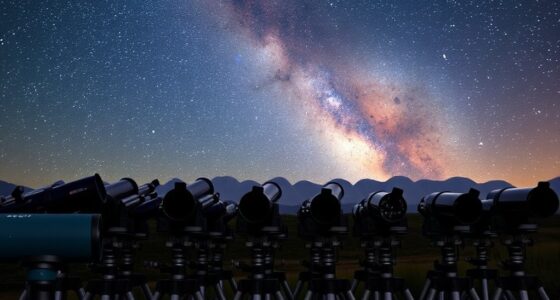
Choosing the right telescope is fundamental for astrophotography success. The Celestron StarSense Explorer DX 130AZ combines ease of use with powerful features, making it suitable for beginners and intermediate users alike. Its app-enabled design helps locate celestial objects quickly, which is essential when you’re capturing fleeting moments in the night sky. When selecting a telescope, consider the aperture size, as it determines how much light your device can gather—larger apertures often result in clearer, brighter images. Compatibility with your camera or smartphone is another critical factor, so check for mounting options and connection ports.
Many newcomers make the mistake of choosing a telescope based solely on size or brand without assessing their specific needs. For astrophotography, stability and tracking capabilities are vital; a sturdy mount with motorized tracking can significantly improve your images. Additionally, consider the telescope’s weight and portability if you plan to travel to dark-sky locations. Proper setup and calibration are crucial for sharp, detailed photos, so invest time in learning your equipment’s features and limitations.
What to look for:
- Aperture size of at least 130mm
- Compatibility with smartphones or cameras
- Sturdy, motorized mount for tracking
- Ease of setup and calibration
- Portability for field use
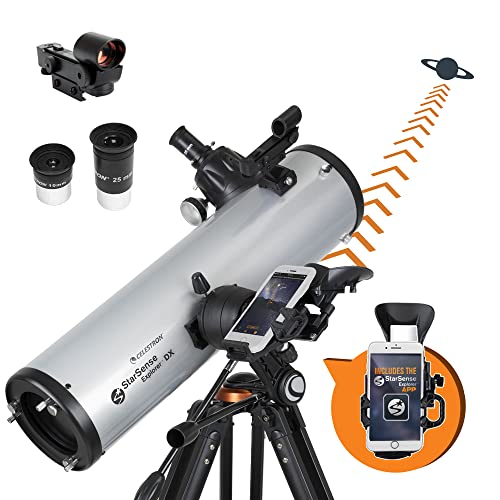
Celestron StarSense Explorer DX 130AZ Smartphone Guided Newtonian Telescope
- Smartphone-Powered Sky Tour: Easy star and planet locating with app
- Patented StarSense Technology: Sky recognition for precise positioning
- Curated Night Sky Targets: Top celestial objects based on your location
As an affiliate, we earn on qualifying purchases.
Celestron StarSense Explorer DX 130AZ App-Enabled Telescope

The Celestron StarSense Explorer DX 130AZ is a beginner-friendly 130mm Newtonian reflector telescope that uses smartphone technology to locate celestial objects. It features a manual altazimuth mount with smooth tracking, providing vivid views of planets, nebulae, and deep-sky objects.
Pros:
- Easy to set up and use for beginners
- Smartphone-powered sky tour with guided targets
- High-quality 130mm aperture for clear views
Cons:
- Manual mount may require steady handling for precise tracking
- Limited to manual tracking without motorized controls
- Requires smartphone for optimal use
Best for: Beginners seeking an all-in-one solution
Not ideal for: Advanced astrophotographers needing high-end features
Bottom line: A versatile, app-enabled telescope for stellar photos

Cosmic Shards: Stargazing Cards – Messier Catalog, 110 Astronomy Flashcards
- Portable Stargazing Tool: Compact guide for easy sky exploration
- Concise Cosmic Content: Provides essential facts without overload
- Immersive Front Design: Star maps, constellations, and telescope images
As an affiliate, we earn on qualifying purchases.
Star Charts & Maps
Effective star charts and maps are indispensable tools for locating celestial objects accurately. The Stargazing Cards – Messier Catalog, 110 Astronomy Flashcards offer a portable, user-friendly way to learn and identify key objects in the night sky. These flashcards display images, descriptions, and location tips, making them ideal for both beginners and seasoned astronomers. When selecting star charts or maps, look for options that are detailed yet easy to interpret, especially if you’re new to stargazing. Digital apps are great, but physical charts can be more reliable in remote locations without signal.
Common mistakes include relying solely on smartphone apps without understanding the sky’s layout or choosing overly complicated charts that can be overwhelming. For best results, combine different tools—use physical maps for quick reference and digital apps for detailed planning. Ensure your charts are scaled appropriately for your observing location and include a wide range of objects, from planets to deep-sky objects. Learning to read star maps effectively enhances your ability to plan sessions and improve your astrophotography skills over time.
What to look for:
- Clear, high-contrast images
- Includes Messier objects and deep-sky targets
- Portable and durable design
- Easy-to-understand layouts
- Compatibility with your observing location

Astronomy For Dummies: Book + Chapter Quizzes Online
As an affiliate, we earn on qualifying purchases.
Stargazing Cards – Messier Catalog, 110 Astronomy Flashcards

These durable, laminated flashcards serve as a portable and practical guide for stargazing, featuring detailed star maps, object information, and space images. Designed for all experience levels, they help users identify celestial objects and learn fascinating facts about space.
Pros:
- Portable and durable for outdoor use
- Includes detailed star maps and space images
- Suitable for all ages and experience levels
- Night vision optimized for dark environments
Cons:
- Limited to Messier objects only
- Requires some basic astronomy knowledge for full benefit
Best for: Beginners and intermediate stargazers
Not ideal for: Advanced astronomers needing detailed charts
Bottom line: A practical set of flashcards for sky navigation

HOYA 82mm STARSCAPE Light Pollution Astrophotography Filter – Didymium Glass with Enhanced HMC Multicoating Technolgy - Boost Star-to-Sky Contrast - Reduce Night City Sky Color Cast
- Blocks Light Pollution: Reduces skyglow for clearer stars
- Enhances Night Sky Colors: Boosts celestial contrast and detail
- Didymium Glass with Multicoating: Provides 97%+ light transmission and clarity
As an affiliate, we earn on qualifying purchases.
Educational Books
Knowledge is the cornerstone of successful astrophotography, and “Astronomy For Dummies” offers a comprehensive yet approachable introduction. This book covers fundamental concepts, equipment basics, and observational techniques, making it perfect for newcomers eager to learn without feeling overwhelmed. The included online chapter quizzes reinforce learning and help identify areas for improvement. When choosing educational materials, look for resources that balance theory with practical advice, ensuring you can apply what you learn directly to your astrophotography projects.
Many beginners make the mistake of jumping straight into equipment without understanding the underlying science, which can lead to frustration. A solid foundation in astronomy concepts—such as celestial mechanics, light pollution, and imaging techniques—can dramatically improve your results. Supplement your reading with online tutorials, forums, and local astronomy clubs to deepen your understanding. Remember, learning is an ongoing process, and the right educational tools can accelerate your growth as an astrophotographer.
What to look for:
- Clear explanations suitable for beginners
- Includes online quizzes and resources
- Covers equipment basics and techniques
- Illustrations and diagrams for clarity
- Up-to-date with current technology
Astronomy For Dummies: Book + Chapter Quizzes Online

This book provides an accessible introduction to astronomy, covering fundamental concepts and offering chapter quizzes online to reinforce learning. Ideal for beginners interested in exploring the universe.
Pros:
- Comprehensive beginner-friendly content
- Includes online chapter quizzes
- Clear explanations of complex topics
Cons:
- No detailed specifications provided
- No customer reviews available
- Limited information on supplementary materials
Best for: Newcomers seeking foundational knowledge
Not ideal for: Advanced astrophotographers looking for technical deep-dives
Bottom line: A friendly guide to understanding the universe and capturing it
Light Pollution Filters
To enhance your astrophotography images, especially in areas with light pollution, a good light pollution filter is essential. The HOYA 82mm Starscape Light Pollution Astrophotography Filter helps reduce unwanted artificial light, allowing your camera to capture clearer, more detailed images of the night sky. When choosing a filter, ensure it matches your lens diameter and is compatible with your camera’s sensor. Consider filters with multi-coating to minimize reflections and maximize light transmission, which directly impacts your image quality.
Many beginners overlook the importance of filters or purchase incompatible types, leading to disappointing results. It’s also common to rely solely on post-processing; however, using a quality filter can significantly improve your images straight out of the camera. For best results, combine filters with proper exposure settings and dark-sky locations. Keep in mind that some filters work better for certain wavelengths or types of objects, so understanding your specific needs can make your investment more effective.
What to look for:
- Compatibility with 82mm lenses
- Multi-coating for minimal reflections
- Effective light pollution reduction
- Ease of attachment and removal
- Suitable for DSLR or mirrorless cameras
HOYA 82mm Starscape Light Pollution Astrophotography Filter
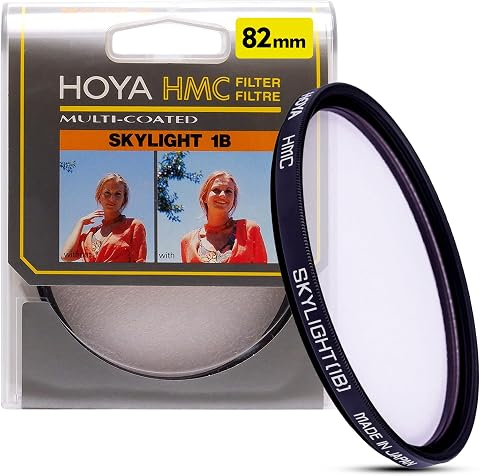
The HOYA 82mm Starscape filter reduces light pollution and enhances star visibility in astrophotography by blocking unwanted wavelengths. Made with Didymium glass and multi-coating, it improves contrast and preserves natural colors in night sky images.
Pros:
- Reduces light pollution for clearer night sky images
- Enhances star contrast and color accuracy
- Fits wide lenses without vignetting
- High light transmission for bright, detailed photos
Cons:
- Designed specifically for 82mm lenses, limiting compatibility
- May be expensive for casual photographers
Best for: Photographers in suburban or urban areas
Not ideal for: Purely deep-sky imaging in dark-sky locations
Bottom line: Essential filter for clearer astrophotography images
Observation Accessories
Enhance your night sky observations with night vision goggles and binoculars. The Night Vision Goggles Head Mounted, 1312FT Night Vision Binoculars provide a hands-free experience, allowing you to scan the sky comfortably and efficiently. These accessories are especially useful for spotting faint objects that are difficult to see with naked eyes or standard binoculars. When selecting observation accessories, prioritize field of view and light sensitivity, as these factors directly affect what you can see and how clearly.
Many users underestimate the importance of proper mounting and comfort, which can lead to fatigue and less effective observation sessions. Consider adjustable head straps and ergonomic design for prolonged use. Additionally, pairing binoculars with a stable tripod or mount can improve stability and image clarity. Remember, these accessories are not substitutes for telescopes but excellent complements for initial sky scanning, identifying objects, and enhancing your overall experience. Properly chosen gear can turn a casual stargazing session into an awe-inspiring adventure.
What to look for:
- High light sensitivity
- Wide field of view
- Comfortable head mounting design
- Durability and weather resistance
- Compatibility with standard binoculars or goggles
Night Vision Goggles Head Mounted, 1312FT Night Vision Binoculars with Infrared,
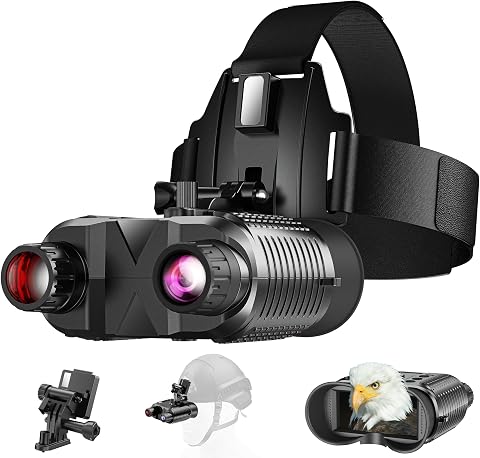
These head-mounted night vision goggles allow for clear viewing in total darkness, capturing 1080P HD videos and 12MP photos. Designed for hands-free use with helmet mounting, they offer an extended viewing distance of over 1300 feet with 8X digital zoom and infrared illumination, making them ideal for hunting, wildlife observation, or tactical patrols.
Pros:
- Clear night vision with high-definition video and photos
- Hands-free helmet mounting for convenience during long missions
- Extended viewing distance over 1300 feet with powerful infrared illumination
- Rechargeable battery provides long usage time
Cons:
- Helmet not included, requires separate purchase
- Potentially heavy for extended wear
- Limited to infrared illumination in total darkness
Best for: Casual observers and beginners
Not ideal for: High-end astrophotography setups
Bottom line: A practical upgrade for easier night sky viewing
Data Recording Devices
While no specific product is recommended here, investing in data recording devices like dedicated astrophotography cameras, GPS loggers, and intervalometers can significantly enhance your experience. These tools allow you to automate captures, track your sessions precisely, and store high-quality images for post-processing. When selecting recording equipment, consider compatibility with your existing setup, ease of use, and the ability to integrate with other devices.
Many beginners forget the importance of recording data during sessions, which can be invaluable for troubleshooting and improving your techniques over time. Using intervalometers or software for automated shooting can help you capture longer exposures without manual intervention. Additionally, GPS loggers can help you document locations and conditions, providing context for your images and improving future planning. Focus on user-friendly options and reliable brands to ensure your data collection is seamless and effective.
What to look for:
- Compatibility with your camera system
- Ease of use and setup
- Reliable data storage options
- Integration with software or apps
- Durability for field use
Starting with budget-friendly options can help you build a solid foundation without overwhelming your budget. Focus on acquiring versatile, high-quality essentials first, such as a good telescope and star charts, before expanding your gear collection. Remember, the most important aspect is your curiosity and willingness to learn—your gear is just the beginning of a rewarding journey among the stars.
Keep exploring, stay patient, and enjoy the process of capturing the universe. With the right tools and a bit of practice, you’ll be amazed at the stunning images and discoveries that await you. Happy stargazing and clear skies in your astrophotography adventures!