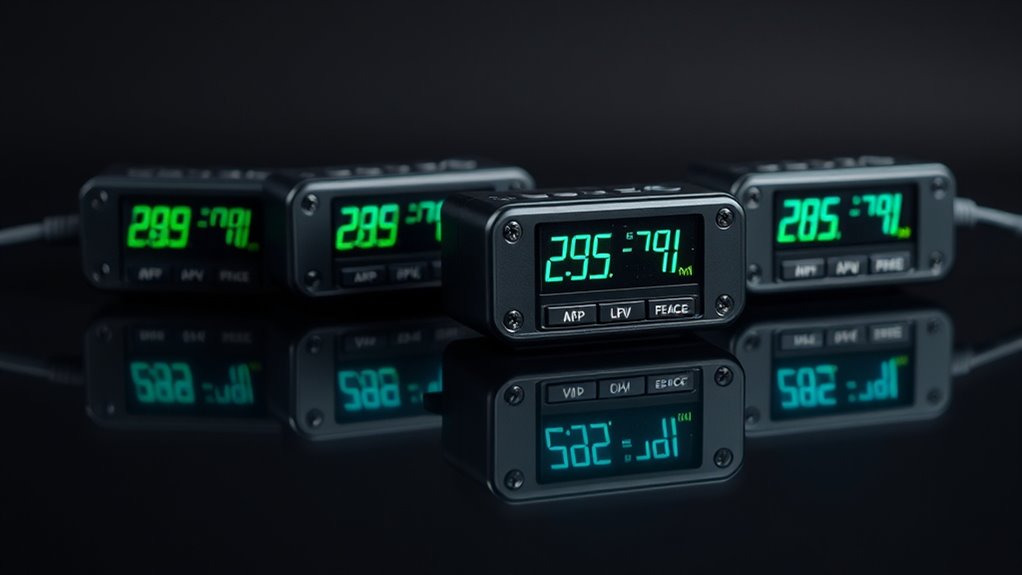
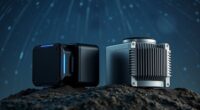
For APS-C astrophotography, dew control is about more than keeping a telescope lens clear: heater power also needs to suit your optics, imaging setup, and available 12V supply. My strongest pick for hands-off operation is the R-Sky Automatic Dew Controller, with air and telescope sensors and six heater ports. The Thousand Oaks Four-Channel Digital Controller is the capacity-focused option, while the R-Sky 2-Channel Regulator gives manual control with a clearly specified 12V cigarette-lighter input.

Get school and study supplies delivered free — and shop member deals
- Fast, free delivery on millions of items
- Access to Prime Big Deal Days deals on October 6–7
- Prime Video, Amazon Music and more included
The tradeoff is straightforward: automatic sensor control can reduce the need for repeated adjustments, while manual controllers put heater output directly in your hands. Channel count alone does not settle the choice; power connections, included sensors, compatibility with your heater bands, and how many optical surfaces you need to protect all matter. I rank these models by how well their documented features support a practical APS-C imaging setup, not by claims about performance that the available specifications cannot verify.
Key Takeaways
- The R-Sky Automatic has six ports across automatic, medium, and full-power groups, plus air and telescope sensors; it offers the most clearly specified control choices for a multi-surface imaging setup.
- The Thousand Oaks unit supplies four channels in a compact enclosure, but its listed details do not describe sensor-based control or include heater bands.
- The manual R-Sky provides two independently adjusted RCA channels, supports up to four heaters, and uses a fused 12V cigarette-lighter plug.
- For APS-C camera imaging, the R-Sky models explicitly state that their control approach is designed to avoid imaging interference; the Thousand Oaks description does not make that claim.
- Before choosing, match the controller’s input and ports to your field power source and heater bands; the supplied Thousand Oaks details do not specify its connector or adjustment method.
| R-Sky Automatic Dew Controller for Telescopes |  | Best Overall — sensor-based control for multi-surface setups | Heater ports: 6: 2 automatic, 2 medium, 2 full power | Control modes: Automatic and manual, 0–100% | Sensors: Air sensor and telescope sensor included | VIEW ON AMAZON | See Our Full Breakdown |
| R-Sky 2-Channel Telescope Dew Heater Power Regulator |  | Best Manual Control — straightforward 12V adjustment | Channels: 2 independent RCA channels | Heater capacity: Up to 4 heaters | Power adjustment: Manual PWM, 5%–100% | VIEW ON AMAZON | See Our Full Breakdown |
| Thousand Oaks Four-Channel Digital Dew Heater Control Unit |  | Best Four-Channel Option — compact controller with key details to verify | Brand: Thousand Oaks Optical | Model number: 4332013483 | Part number: TODDHC | VIEW ON AMAZON | See Our Full Breakdown |
| aps c dew controller | Dimensions and weight | Channels |
|---|---|---|
| R-Sky Automatic Dew Controller | 5 x 5 x 5 inches; 15 ounces | — |
| R-Sky 2-Channel Telescope Dew | — | 2 independent RCA channels |
| Thousand Oaks Four-Channel Dig | 1 x 2.5 x 1 inches; 12 ounces | 4 |
More Details on Our Top Picks
R-Sky Automatic Dew Controller for Telescopes
I rank the R-Sky Automatic Dew Controller first because it combines automatic operation with manual adjustment rather than forcing a single approach. Its air and telescope sensors can inform automatic heater management, while its six ports are split into two automatic, two medium, and two full-power outputs. That division gives an APS-C imaging rig room to manage several heater loads, but buyers should check which port type suits each heater instead of assuming all six are independently adjustable.
Compared with the manual R-Sky, this model is the better fit when checking and changing heater power during a long session is an unwanted distraction. It also lists support for two telescopes and accessories such as finders and mirrors, making its port layout more useful for a growing optical setup. PWM control is described as helping conserve battery life, and the product specifies a 10.5V low-battery alert, reverse-polarity protection, and no imaging interference.
The tradeoff is that the supplied details do not state a warranty, power connector type, or per-channel electrical limits. Those omissions matter if a buyer needs a particular field battery connection or plans several high-draw bands. Unlike the manual regulator, the automatic model has sensor setup to account for, and its six ports do not mean six separate automatic channels. I would choose it for the broadest stated control toolkit, but verify band compatibility and connections before building a full rig around it.
Pros:- Air and telescope sensors support automatic heater management.
- Six ports are grouped for automatic, medium, and full-power use.
- Manual control ranges from 0% to 100%.
- Lists reverse-polarity protection, a low-battery alert, and no imaging interference.
Cons:- The supplied specifications do not identify the power connector or warranty.
- Only two of the six ports are specified as automatic.
- Heater-band compatibility and per-channel electrical limits need confirmation.
Best for: APS-C imagers running multiple heater bands who want sensor-assisted control, manual override, and a low-battery warning.
Not ideal for: Buyers who need confirmed warranty terms, a specified cigarette-lighter input, or six independently automatic channels.
- Heater ports:6: 2 automatic, 2 medium, 2 full power
- Control modes:Automatic and manual, 0–100%
- Sensors:Air sensor and telescope sensor included
- Low-battery alert:10.5V, yellow LED indicator
- Protection:Reverse polarity protection
- Imaging:Designed to avoid imaging interference
- Dimensions and weight:5 x 5 x 5 inches; 15 ounces
- Included components:Air sensor, telescope sensor, power cable
Our verdict“I would choose this as the most flexible APS-C dew controller here, provided its ports and power connection match the intended heaters and field supply.”
R-Sky 2-Channel Telescope Dew Heater Power Regulator
The R-Sky 2-Channel Regulator is my pick for buyers who would rather set heater output themselves than rely on sensors. Its two RCA channels adjust independently from 5% to 100% with manual PWM, and the stated capacity is up to four heaters. That can suit an APS-C setup with a main optic and a small number of accessories, although four heaters across two channels does not mean four separately controlled outputs.
Against the automatic R-Sky, this model gives less unattended flexibility but makes its connection and adjustment method easier to understand from the supplied details. A fused 12V cigarette-lighter plug is a practical match for compatible field power arrangements, and chassis-mounted RCA ports keep the connections on the controller body. Its low-frequency modulation is described as designed to avoid CCD or CMOS camera interference, a relevant point for imaging sessions.
Manual control is also the main limitation. As conditions change, the user has to decide when to raise or lower output; there are no listed air or telescope sensors, automatic mode, or low-battery alert. The Thousand Oaks offers four channels, but its supplied listing gives less information about independent adjustment and power input. This R-Sky is the more clearly specified choice for a buyer who wants manual control and a known 12V plug, not for someone seeking set-and-forget operation.
Pros:- Two independent RCA channels support manual power adjustment.
- Listed capacity of up to four dew heaters.
- Fused cigarette-lighter power plug is specified for 12V input.
- Low-frequency modulation is designed to avoid CCD or CMOS camera interference.
Cons:- Power adjustment is manual, with no sensors or automatic mode listed.
- Two channels do not provide separate adjustment for four individual heaters.
- The supplied dimensions are unusually large for a compact field controller and may merit checking.
Best for: Imagers with a compatible 12V cigarette-lighter supply who want two independently adjustable heater groups and direct manual control.
Not ideal for: Buyers who want sensor-based automation, separate control for every heater, or a documented low-battery alert.
- Channels:2 independent RCA channels
- Heater capacity:Up to 4 heaters
- Power adjustment:Manual PWM, 5%–100%
- Input voltage:12V DC
- Power connector:Fused cigarette-lighter plug
- Camera compatibility:Low-frequency modulation designed to avoid CCD or CMOS interference
- Dimensions:5 x 5 x 5 inches
- Warranty:2 years
Our verdict“I would choose this over the automatic model when a known 12V input and simple manual channel control matter more than sensor-led operation.”
Thousand Oaks Four-Channel Digital Dew Heater Control Unit
The Thousand Oaks Four-Channel Digital Controller earns its place for buyers who prioritize a four-channel layout and a small enclosure. At 1 x 2.5 x 1 inches and 12 ounces, it is the most compactly specified unit in this comparison. Four channels can make it appealing for an APS-C setup with several heated surfaces, but the supplied information does not explain whether each channel is independently adjusted or how heater power is regulated.
That lack of control detail separates it from both R-Sky models. The manual R-Sky explicitly provides independent adjustment across two RCA channels, while the automatic R-Sky describes its sensors, modes, and port groups. Thousand Oaks lists a digital controller and 1000-watt heat output, but that figure does not answer the practical questions an imaging buyer needs resolved: output per channel, control range, compatible bands, or whether the unit’s power supply suits a portable 12V rig.
The product is designed for outdoor use and requires heater bands, which are not included. Its corded electric power source may fit a setup with appropriate mains power, but the listing does not describe the connector or clarify portability. I would treat this as a contender when four channels and compact dimensions are the main priorities, then confirm the electrical and heater-band details with the seller or manufacturer before choosing it over the better-documented R-Sky options.
Pros:- Four heater channels are listed.
- Compact dimensions are specified.
- Designed for outdoor use.
- A 1000-watt heat output is listed.
Cons:- Heater bands are required and not included.
- The supplied details do not explain the control method or per-channel adjustment.
- Power connector and compatibility with portable 12V supplies are not specified.
Best for: Buyers seeking a compact four-channel controller for a setup where compatible heater bands and a suitable corded power source are already established.
Not ideal for: Mobile imagers who need a clearly specified 12V connection, sensor automation, or documented independent channel controls.
- Brand:Thousand Oaks Optical
- Model number:4332013483
- Part number:TODDHC
- Channels:4
- Power source:Corded electric
- Heat output:1000 watts
- Dimensions and weight:1 x 2.5 x 1 inches; 12 ounces
- Compatibility:Requires heater band(s), not included
Our verdict“I would shortlist this for its compact four-channel format only after confirming heater-band compatibility, control behavior, and the power connection.”
How We Picked
I compared the three controllers against the demands of an APS-C telescope setup: maintaining clear optics during a session, matching heater output to conditions, handling the optical surfaces in use, and fitting the available power arrangement. The products are not direct equivalents. Two are R-Sky models with different control approaches, while the Thousand Oaks listing supplies a four-channel count but less detail about how power is regulated.
My ranking gives the most weight to useful, documented control and setup information. The R-Sky Automatic leads because its air and telescope sensors, manual mode, six ports, and low-battery alert describe a flexible field workflow. The R-Sky manual regulator ranks next for a buyer who values independently adjustable channels and a specified fused 12V connection, though it requires ongoing adjustment. The Thousand Oaks remains a reasonable capacity-oriented alternative, but its listing leaves key practical questions unanswered, including the control method and power connector.
I do not treat a wattage figure or channel count as proof that a controller will suit every heater band. Heater compatibility, output limits per channel, and connector fit need confirmation before purchase, particularly for a camera, telescope, finder, and secondary mirror used together. I also avoid inferring warranty coverage or imaging behavior where those details were not provided.
Factors to Consider When Choosing Aps C Dew Controller
I would choose an APS-C dew controller by mapping the heater system first, then comparing how much control and setup effort each model provides. Camera format alone does not determine the controller: the correct fit depends on the telescope, accessories, heater bands, power supply, and how you want to manage heat during a session.
Count controlled groups, not just heater bands
Write down every surface you plan to warm: the main telescope optic, guide scope or finder, camera-side optical component if applicable, and secondary mirror. Then compare that list with the controller’s actual channels and port types. The manual R-Sky has two independently adjusted channels and states support for up to four heaters, so multiple heaters may share a setting. The Thousand Oaks lists four channels but does not explain their adjustment behavior. The automatic R-Sky lists six ports, but only two are described as automatic; the others are medium- and full-power ports. A larger port count is useful only if its control arrangement suits the bands in your rig.
Decide how much automation you want
A manual controller makes sense when you want to set output directly and are willing to monitor conditions. The manual R-Sky gives a specified 5%–100% adjustment range, but it has no listed sensors or automatic mode. The R-Sky Automatic adds air and telescope sensors and permits manual control from 0% to 100%, which gives a buyer more ways to run a session. Automation may reduce routine adjustments, but it does not remove the need to install sensors correctly, understand the port groups, and check that the chosen heaters suit the outputs.
Match the controller to your power setup
Field astronomy often depends on the power connections already available at the mount or battery. Of these three listings, the manual R-Sky is the clearest about its input: 12V DC through a fused cigarette-lighter plug. The automatic R-Sky includes a power cable, but the supplied specifications do not identify its connector. Thousand Oaks lists corded electric power without describing a plug or confirming operation from a portable 12V supply. I would confirm connector type, input range, and current demands before buying rather than count on an adapter solving every mismatch.
Check heater compatibility and electrical limits
A channel count does not tell you which heater bands can be connected safely. Confirm plug style, operating voltage, and any stated current or wattage limits for each channel. The Thousand Oaks unit requires heater bands, which are not included, and its listed 1000-watt output does not describe output per channel. The R-Sky descriptions give port formats or port groups, but the available details still do not provide a full set of electrical limits. For a mixed setup, compatibility should take priority over a headline channel count.
Treat camera compatibility as one part of the decision
Electrical interference can be a concern when heaters and an imaging camera share a field power arrangement. Both R-Sky descriptions state that their PWM approach is designed to avoid interference with imaging equipment; the manual unit specifically mentions CCD and CMOS cameras, and the automatic unit says it avoids imaging interference. The Thousand Oaks information supplied here does not make an equivalent statement. That absence is not proof of a problem, but I would ask for clarification if the controller will sit in a sensitive imaging setup.
Balance convenience against setup certainty
The automatic R-Sky has the strongest feature set on paper, but it leaves the power connector and warranty unspecified. The manual R-Sky is more explicit about its 12V plug and two-year warranty, yet asks the owner to make adjustments. Thousand Oaks is notably compact and lists four channels, while key information about control and power remains open. My practical rule is to favor the controller whose stated connections and controls fit the complete imaging system—not the one with the most appealing single number.
Frequently Asked Questions
Which controller is the strongest fit for an APS-C astrophotography setup?
I would start with the R-Sky Automatic if the setup uses several heaters and sensor-assisted control is appealing. It includes air and telescope sensors, six ports in three power groups, manual control, and a low-battery alert. The manual R-Sky may be a better fit when a specified 12V cigarette-lighter input matters more, while the Thousand Oaks option needs additional compatibility details checked before I would select it for a portable imaging rig.
Can I connect four heater bands to the manual R-Sky?
The product description states support for up to four heaters, but it has two independent RCA channels. That means buyers should not assume each of four connected heaters can receive its own power setting. Check the band connections and electrical limits, and plan for heaters sharing a channel setting if that matches the intended arrangement.
Does the Thousand Oaks controller include heater bands?
No. The supplied product details say that compatible heater bands are required and are not included. I would confirm which band models fit its connections and electrical requirements, along with whether the controller’s corded power arrangement suits the observing location, before treating its four-channel capacity as a complete ready-to-use system.
Is automatic dew control always better than manual adjustment?
Not for every buyer. The R-Sky Automatic offers sensors and automatic ports, which can reduce hands-on adjustment, but a manual controller may be simpler for someone who prefers to set output directly and monitor the system. I would weigh convenience against sensor setup, available power, and the way heater bands are grouped. Automatic control is useful only when its port behavior matches the actual optical setup.
What should I verify before buying a dew controller for imaging?
Confirm the controller’s input voltage and connector, heater-band plug compatibility, per-channel limits, and whether the stated channels can be adjusted independently. For imaging, also check the manufacturer’s information about electrical interference. In this comparison, the manual R-Sky specifies a fused 12V cigarette-lighter plug, while the automatic R-Sky’s connector and the Thousand Oaks unit’s power details are not fully described in the supplied specifications.
Conclusion
For the broadest documented control options, I recommend the R-Sky Automatic to APS-C imagers using several heaters who want sensors, manual override, and a low-battery alert. Choose the manual R-Sky if you prefer direct power adjustment and need its specified fused 12V cigarette-lighter connection, accepting that there is no automatic mode. The Thousand Oaks is the compact four-channel candidate for buyers who can confirm its heater and power compatibility before purchase. My final choice depends on matching actual band connections and power needs—not simply choosing the highest channel count.
Fall Picks
fall essentials
As an affiliate, we earn on qualifying purchases.