TL;DR

Prime made for students and young adults
- Fast, free delivery for dorm and study essentials
- Prime Video and Amazon Music included
- Member-only deals
Starry Night II captures a breathtaking sky scene with familiar celestial features, blending art and astronomy. It reveals how recent images connect with our understanding of the cosmos and offers tips for capturing similar sights.
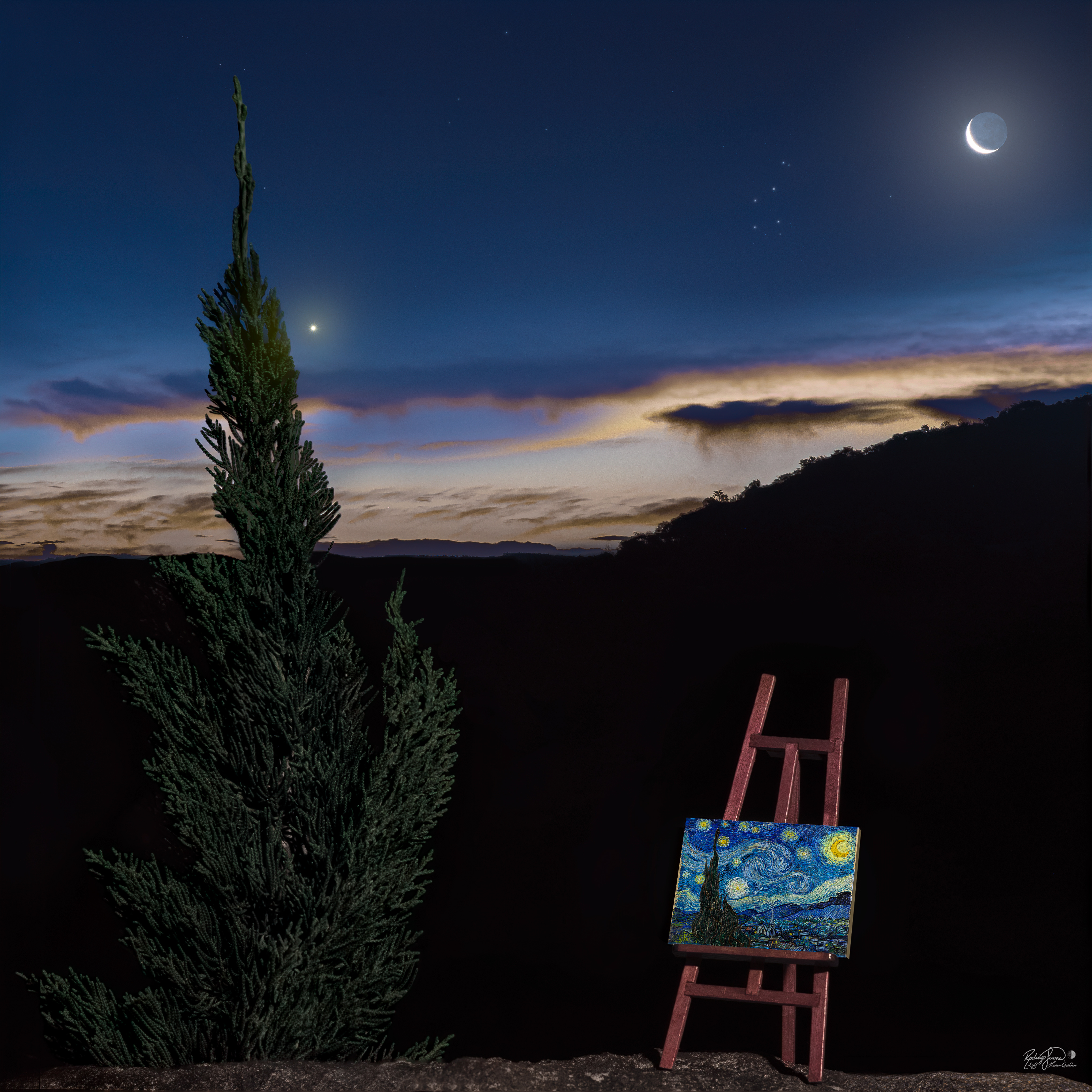
Imagine gazing up on a clear night and seeing a scene so striking, it feels like stepping into a painting. That’s exactly what NASA’s Starry Night II offers—a modern snapshot of the sky that echoes Vincent van Gogh’s masterpiece, crafted with real stars and planets.
This isn’t just a pretty picture. It’s a window into recent astronomical observations, showing us what’s visible from Earth right now and how technology lets us capture the universe’s beauty in stunning detail. Ready to explore what makes this scene special—and how you can get a piece of it?
Key Takeaways
- Real celestial objects like Venus and the moon can create scenes that look like famous paintings, blending art and astronomy.
- Atmospheric effects—clouds, humidity, pollution—play a key role in shaping the colors and textures you see in night sky photos.
- Using a wide-angle lens and long exposures helps you capture the full beauty of such sky scenes.
- Stay aware of upcoming celestial events, like planetary conjunctions or meteor showers, to plan your own skywatching adventures.
- Scenes like Starry Night II remind us that the universe constantly offers fresh, breathtaking views—if we look up at the right moment.
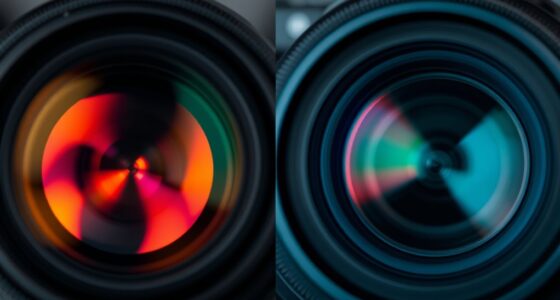
wide angle camera lens for astrophotography
As an affiliate, we earn on qualifying purchases.
As an affiliate, we earn on qualifying purchases.
What’s Actually in Starry Night II? The Celestial Cast List
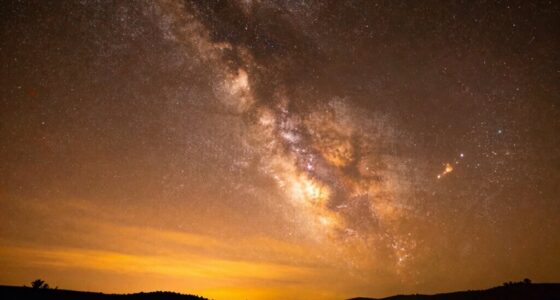
Starry Night II features a handful of familiar celestial characters. The bright crescent moon sits near the horizon, glowing with a soft, silvery hue. Just to its right, the planet Venus blazes like a diamond—bright enough to cut through the night’s darkness.
Above, a cloud layer drifts lazily, catching starlight and adding texture to the scene. The landscape below is a silhouette—trees or hills—highlighting how our atmosphere shapes what we see. This scene was captured in Cascavel, Brazil, in mid-April, showing the sky’s current choreography.
Think of it like a cosmic stage—each object plays a role in creating a scene that looks both natural and artistically composed. Unlike van Gogh’s brushstrokes, this scene is a real snapshot, blending the art of astronomy with the art of photography.
As an affiliate, we earn on qualifying purchases.
Why Does This Scene Look Like a Painting? The Science Behind the Art
The resemblance to van Gogh’s “Starry Night” isn’t accidental. The sky’s layout—crescent moon, bright planet, swirling clouds—mirrors the iconic painting’s elements. But it’s grounded in real physics.
Venus shines so brightly because it’s relatively close, only about 25 million miles away at its brightest. Its reflective clouds bounce sunlight with remarkable efficiency, making it a beacon in the sky that can outshine many stars. The crescent moon’s phase is a result of the moon’s orbit around Earth, creating a silhouette that changes over days—this is a direct consequence of orbital mechanics, where the relative positions of Earth, the Moon, and the Sun dictate the moon’s shape we see. The swirling clouds and atmospheric textures are influenced by local weather conditions, which can amplify or diminish certain visual elements, effectively acting as a natural painter’s brushstrokes.
Understanding these factors reveals the delicate balance of celestial mechanics and atmospheric science. The scene’s beauty isn’t just aesthetic; it’s a tangible outcome of physics that can be predicted, studied, and even used to anticipate future sky phenomena. The interplay of these elements creates a fleeting but meaningful window into the universe’s dynamics, reminding us that what we see is both a natural spectacle and a scientific marvel.
As an affiliate, we earn on qualifying purchases.
How To Capture This Scene: 3 Practical Tips for Sky Photography
- Use a wide-angle lens: A lens between 14mm and 24mm helps you frame the entire scene—moon, Venus, clouds, and landscape—in one shot.
- Shoot during golden hour or blue hour: The soft, warm light just after sunset or before sunrise enhances the scene’s textures and colors, especially the clouds and landscape.
- Stabilize your camera and shoot long exposures: Use a tripod and set a 10-20 second exposure. This gathers more light, revealing details in faint clouds or distant stars, without star trails.
Imagine standing in a lush Brazilian field, camera in hand, waiting for that perfect moment when Venus shines brightly, clouds swirl softly, and the moon’s glow bathes everything in gentle light. That’s the magic of capturing scenes like Starry Night II. Understanding the timing and conditions helps you anticipate when these elements align, giving you a better chance to capture their fleeting beauty. The tradeoff, however, is that such perfect moments are often brief and weather-dependent, requiring patience and flexibility from you as a photographer. Learning to read the sky’s subtle cues—like cloud movement or moon phases—can significantly increase your success rate in capturing these transient yet stunning scenes.
star gazing telescope for beginners
As an affiliate, we earn on qualifying purchases.
As an affiliate, we earn on qualifying purchases.
How This Scene Connects to Broader Space Discoveries
Scenes like Starry Night II highlight what’s visible right now and remind us of ongoing discoveries. Recent telescopic data shows Venus’s cloud layers, which are thick and reflective, helping it shine so brightly. These clouds are composed of sulfuric acid droplets, which not only influence Venus’s brightness but also hold clues about its atmospheric chemistry and climate evolution. By observing how these clouds reflect sunlight, scientists can infer details about Venus’s atmospheric dynamics and even its potential for past habitability.
Scientists also track the moon’s phases and orbit, understanding how its position changes night by night. These details help astronomers plan future missions or observations, like landing sites or satellite passes. For instance, knowing the moon’s current phase and position is crucial for timing lunar landings or deploying instruments that require specific lighting conditions. This ongoing monitoring emphasizes that our understanding of the cosmos is a layered process—each scene we observe is a piece of a larger puzzle that reveals the intricate workings of planetary atmospheres, orbital mechanics, and celestial interactions. Recognizing these connections deepens our appreciation of the universe’s complexity and highlights the importance of continuous observation and analysis.
What Upcoming Sky Events Make This Scene Even More Special?
Right now, the sky offers more than just this beautiful scene. Look out for upcoming planetary conjunctions, meteor showers, or lunar phases. For example, the next full moon will cast an even brighter glow, making scenes like this more dramatic. These events are opportunities for both amateur and professional astronomers to observe and document the dynamic nature of the sky, each event providing a new context for interpreting what we see.
In late June, the summer solstice in the northern hemisphere means longer nights and better chances to see planets like Venus and Mars in the same view. This alignment creates opportunities for capturing complex, multi-planet scenes that can resemble a cosmic tableau. Such events also influence the timing of astronomical observations and photography, as the position and brightness of celestial bodies change, offering fresh perspectives and new visual stories. Recognizing the significance of these upcoming events encourages continuous engagement with the night sky, fostering a deeper connection to our universe and understanding that each night offers a unique window into the cosmos’s ongoing dance.
Frequently Asked Questions
What makes Venus so bright in this scene?
Venus is the brightest planet visible from Earth because it’s relatively close and has thick, reflective clouds that bounce sunlight efficiently. This brightness makes it stand out even against the dark sky.When is the best time to photograph a scene like this?
The best time is during the blue hour just after sunset or before sunrise, when the sky is dark enough to see the planets and stars but still has enough ambient light to bring out clouds and landscape details.Can I see this scene from anywhere on Earth?
While similar scenes are visible from many locations, the exact view depends on your latitude and local weather. Clear, dark skies away from city lights offer the best chances to see and photograph such sights.What equipment do I need to capture a scene like this?
A wide-angle lens (14-24mm), a sturdy tripod, and a camera capable of long exposures (10-20 seconds) are ideal. Use manual focus and shoot during low light conditions for the best results.How often does the sky change enough to create scenes like this?
Scenes like this change nightly, influenced by the moon’s orbit, planet positions, and atmospheric conditions. Regular skywatching reveals new arrangements and breathtaking moments almost every clear night, emphasizing that each night offers a unique opportunity to observe the universe’s dynamic beauty and that patience and understanding of celestial cycles enhance your chances of capturing extraordinary scenes.Conclusion
Scenes like Starry Night II aren’t just pretty pictures—they’re a reminder of the universe’s artistry and science working together. Each clear night offers a fleeting masterpiece, waiting for you to witness or photograph it.
Next time you step outside, think about the cosmic dance happening above. With a little patience and the right gear, you can capture your own version of the universe’s art—just like this scene, but in your backyard.
Fall Picks
fall essentials
As an affiliate, we earn on qualifying purchases.