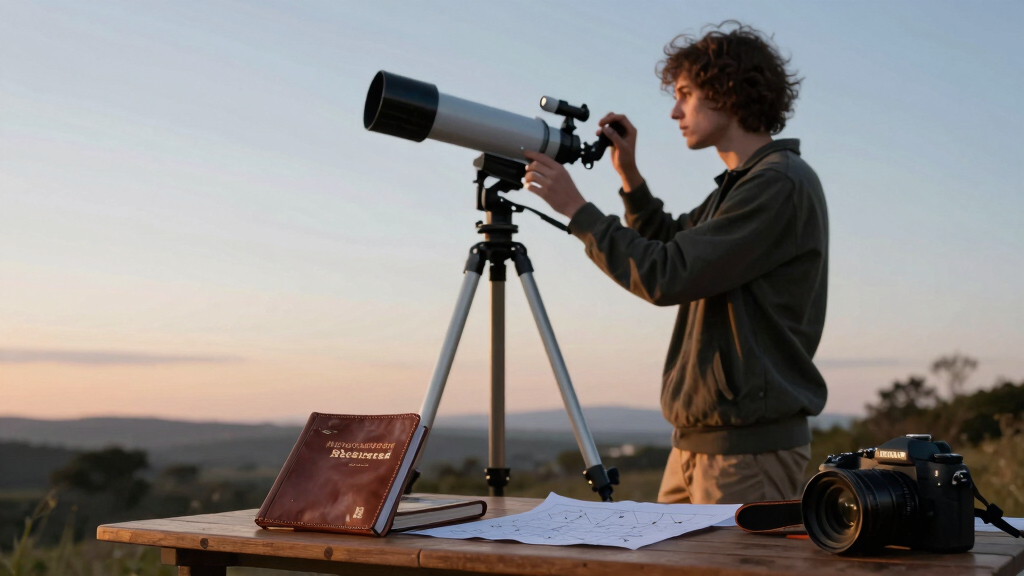

For anyone serious about capturing stunning images of the night sky, the right reference book can make all the difference. The best astrophotography reference books provide clear guidance, technical insights, and project ideas that elevate your astrophotography skills. The top overall pick excels in balancing technical depth with accessibility, while other standout options focus on beginner-friendly advice or detailed object catalogs. However, many books face tradeoffs between technical complexity and ease of use, making choice-dependent on your experience level and goals. Continue reading for a detailed breakdown to help you find the perfect match for your needs.
Key Takeaways
- The top books combine technical rigor with practical guidance, making advanced techniques accessible.
- Budget-friendly options often focus on basic concepts and are best suited for beginners or casual enthusiasts.
- Dedicated object catalogs excel for target planning but may lack detailed technical explanations.
- Books with clear visuals and charts tend to be more user-friendly for new astrophotographers.
- The best picks balance comprehensiveness with readability, avoiding overly technical or sparse references.
| The Astrophotography Manual: A Practical and Scientific Approach to Deep Sky Imaging |  | Best Overall Reference for Depth and Scientific Rigor | Coverage: Deep sky imaging, techniques, equipment, processing | Audience: Beginners to advanced | Format: Printed book | VIEW LATEST PRICE | See Our Full Breakdown |
| The Deep-sky Imaging Primer, Third Edition |  | Best Deep-Sky Imaging Guide for Enthusiasts | Focus: Deep-sky objects | Technical Level: Intermediate to advanced | Format: Printed book | VIEW LATEST PRICE | See Our Full Breakdown |
| Astrophotography is Easy!: Basics for Beginners (The Patrick Moore Practical Astronomy Series) |  | Best Beginner-Friendly Guide for Aspiring Astrophotographers | Audience: Beginners | Skill Level: Entry-level | Format: Printed book | VIEW LATEST PRICE | See Our Full Breakdown |
| Affordable Astrophotography for Beginners: A Practical Guide to Capturing Stars |  | Best Budget-Friendly Guide for New Hobbyists | Price Range: Budget-friendly | Audience: Beginners | Format: Printed book | VIEW LATEST PRICE | See Our Full Breakdown |
| The Beginner’s Guide to Astrophotography: How to Capture the Cosmos with Any Camera |  | Best All-Camera Guide for Absolute Beginners | Camera Compatibility: Any camera | Skill Level: Beginner | Format: Printed book | VIEW LATEST PRICE | See Our Full Breakdown |
| Getting Started: Budget Astrophotography |  | Best for Beginners on a Tight Budget | Focus: Beginner-friendly | Price point: Budget | Content depth: Introductory | VIEW LATEST PRICE | See Our Full Breakdown |
| Messier Astrophotography Reference |  | Best for Deep Sky Object Enthusiasts | Object coverage: Messier catalog | Detail level: High | Target audience: Deep sky enthusiasts | VIEW LATEST PRICE | See Our Full Breakdown |
| The Beginner’s Guide to Astrophotography: How to Capture the Cosmos with Any Camera |  | Best for Broad Beginner Coverage | Audience: Beginners | Scope: Wide camera compatibility | Content depth: Basic to intermediate | VIEW LATEST PRICE | See Our Full Breakdown |
| Astrophotography |  | Best for Both Beginners and Experienced Astronomers | Coverage: Wide-ranging | Audience: Amateurs and pros | Content depth: Moderate | VIEW LATEST PRICE | See Our Full Breakdown |
| The 750 Best Deep Sky Objects (Imm Astrophotography Series) |  | Best for Deep Sky Object Imaging | Object count: 750 | Focus: Deep sky objects | Detail level: High | VIEW LATEST PRICE | See Our Full Breakdown |
| Digital SLR Astrophotography |  | Best for Practical Guidance for DSLR Users | Target Audience: Amateur astronomers using DSLR cameras | Coverage: Techniques, equipment, tips | Difficulty Level: Beginner | VIEW LATEST PRICE | See Our Full Breakdown |
| Observer’s Sky Atlas: The 500 Best Deep-Sky Objects with Charts and Images |  | Best for Deep-Sky Object Identification and Stargazing | Number of Objects: 500 | Content Type: Charts and images | Intended Audience: Amateur astronomers | VIEW LATEST PRICE | See Our Full Breakdown |
| The 100 Best Astrophotography Targets: A Monthly Guide for CCD Imaging with Amateur Telescopes |  | Best for Monthly Imaging Targets and Practical Tips | Number of Targets: 100 | Focus: Monthly imaging targets | Audience: Amateur astronomers with CCD equipment | VIEW LATEST PRICE | See Our Full Breakdown |
| The Astrophotography Sky Atlas |  | Best for Detailed Star Charts for Astrophotography | Type: Sky atlas | Content: Star charts and object info | Intended Audience: Advanced amateurs | VIEW LATEST PRICE | See Our Full Breakdown |
| The Astrophotography Planner: Second Edition |  | Best for Planning and Timing Your Astrophotography | Content Focus: Planning and timing | Target Audience: Beginners to intermediate photographers | Format: Print | VIEW LATEST PRICE | See Our Full Breakdown |
| astrophotography reference book | Format | Focus |
|---|---|---|
| The Astrophotography Manual: A | Printed book | — |
| The Deep-sky Imaging Primer | Printed book | Deep-sky objects |
| Astrophotography is Easy!: Bas | Printed book | Basic techniques and equipment |
| Affordable Astrophotography fo | Printed book | Practical tips with minimal gear |
| The Beginner’s Guide to Astrop | Printed book | — |
| Getting Started: Budget Astrop | — | Beginner-friendly |
| Messier Astrophotography Refer | — | — |
| The Beginner’s Guide to Astrop | — | — |
| Astrophotography | — | — |
| The 750 Best Deep Sky Objects | — | Deep sky objects |
| Digital SLR Astrophotography | — | |
| Observer’s Sky Atlas: The 500 | Object identification and observation | |
| The 100 Best Astrophotography | Monthly imaging targets | |
| The Astrophotography Sky Atlas | Target location and planning | |
| The Astrophotography Planner: | — |
More Details on Our Top Picks
The Astrophotography Manual: A Practical and Scientific Approach to Deep Sky Imaging
This book stands out for its comprehensive approach, blending practical techniques with scientific principles that deepen understanding. Unlike Astrophotography is Easy!, which simplifies concepts for beginners, this manual caters to both novices and seasoned astronomers seeking a detailed, multi-layered guide. Its strengths lie in covering a wide range of astrophotography topics, from equipment to image processing, making it a versatile resource. However, its depth might overwhelm absolute beginners who lack prior astronomy knowledge. It requires some familiarity with basic concepts, which can be a hurdle for complete newcomers. Compared to The Deep-sky Imaging Primer, it offers broader coverage but less focus on specific deep-sky techniques. This pick makes the most sense for those who want both practical advice and scientific context to elevate their astrophotography skills.
Pros:- Comprehensive coverage of astrophotography techniques
- Integrates scientific explanations with practical advice
- Suitable for a wide skill range from beginners to advanced users
Cons:- Lacks specific reviews or user feedback to gauge practical effectiveness
- May require prior astronomy knowledge, making it less accessible to complete novices
Best for: Astronomy enthusiasts with some experience seeking a detailed, scientific guide to deepen their understanding
Not ideal for: Absolute beginners with no background in astronomy or astrophotography, due to its complexity
- Coverage:Deep sky imaging, techniques, equipment, processing
- Audience:Beginners to advanced
- Format:Printed book
- Edition:Latest
- Author:Multiple experts
- Language:English
Our verdict“This book is ideal for intermediate to advanced astrophotographers who want a detailed, scientifically grounded reference.”
The Deep-sky Imaging Primer, Third Edition
Compared with The Astrophotography Manual, which offers broader coverage, this primer hones in specifically on deep-sky imaging, making it a go-to for those focusing on galaxies, nebulae, and star clusters. Its in-depth exploration of equipment setup, imaging techniques, and post-processing makes it especially valuable for amateur astronomers ready to refine their craft. The third edition updates technical details to reflect recent advances, but the lack of specific technical specs or user reviews can leave some questions unanswered. This book is less suitable for complete beginners who need more basic guidance, as it assumes some familiarity with astrophotography fundamentals. Overall, it’s a strong choice for hobbyists wanting a focused deep-sky manual that emphasizes practical application over theory.
Pros:- In-depth guidance on deep-sky astrophotography techniques
- Updated third edition with current equipment advice
- Ideal for hobbyists serious about imaging deep-sky objects
Cons:- Limited information on technical specs and user feedback
- No focus on other types of astrophotography, such as planetary or wide-field
Best for: Amateur astronomers aiming to improve deep-sky imaging skills with a dedicated resource
Not ideal for: Complete novices who need a beginner-friendly introduction, due to its technical depth
- Focus:Deep-sky objects
- Technical Level:Intermediate to advanced
- Format:Printed book
- Updates:Third edition
- Audience:Amateur astronomers
- Language:English
Our verdict“This manual is perfect for amateur astronomers looking to specialize in deep-sky imaging with detailed, practical guidance.”
Astrophotography is Easy!: Basics for Beginners (The Patrick Moore Practical Astronomy Series)
This book excels at making astrophotography approachable, especially for newcomers who might feel intimidated by more technical guides like The Astrophotography Manual. Its straightforward language and practical tips simplify complex concepts, while still covering essential equipment and techniques. Unlike The Deep-sky Imaging Primer, which assumes some prior knowledge, this book is more accessible for absolute beginners. However, its focus on fundamental techniques means it may lack depth for those ready to advance beyond basic capturing. The content is somewhat generic, and it doesn’t delve into specific technical details or advanced imaging strategies. It’s a solid starting point for hobbyists just beginning their journey but less suited for those seeking in-depth technical mastery.
Pros:- Very accessible for complete beginners
- Clear explanations of basic techniques
- Part of a reputable, well-known astronomy series
Cons:- Lacks technical depth for advanced users
- Content may be too basic for experienced astrophotographers
Best for: Beginners with little to no prior experience wanting a clear, easy-to-understand introduction
Not ideal for: Experienced astrophotographers looking for advanced techniques or detailed equipment analysis
- Audience:Beginners
- Skill Level:Entry-level
- Format:Printed book
- Series:Patrick Moore Practical Astronomy
- Language:English
- Focus:Basic techniques and equipment
Our verdict“This guide is ideal for newcomers seeking a straightforward, beginner-friendly introduction to astrophotography.”
Affordable Astrophotography for Beginners: A Practical Guide to Capturing Stars
Compared to more comprehensive books like The Deep-sky Imaging Primer, this guide emphasizes affordability and simplicity, making it especially appealing for those hesitant to invest heavily upfront. Its straightforward advice helps beginners start capturing star images without expensive gear, but the tradeoff is a lack of coverage on advanced techniques or equipment options, which could limit growth over time. It’s ideal for hobbyists who want quick, practical tips with minimal investment, but those seeking professional-level results may find it lacking in depth and technical detail. Additional equipment might still be necessary to achieve the best images, which isn’t extensively covered here. Overall, this guide offers a practical, accessible entry point for budget-conscious beginners.
Pros:- Affordable and beginner-friendly
- Provides practical, easy-to-follow tips
- Helps capture stunning images with minimal investment
Cons:- Limited coverage of advanced techniques
- May require additional equipment for best results
Best for: Hobbyists on a tight budget who want to get started with astrophotography quickly
Not ideal for: Users seeking in-depth technical guidance or advanced imaging techniques
- Price Range:Budget-friendly
- Audience:Beginners
- Format:Printed book
- Focus:Practical tips with minimal gear
- Level:Beginner
- Language:English
Our verdict“This book is best suited for beginners wanting an accessible, low-cost introduction to astrophotography.”
The Beginner’s Guide to Astrophotography: How to Capture the Cosmos with Any Camera
This book is particularly valuable for those who own any camera—be it a smartphone, compact, or DSLR—and want practical advice without focusing on specific models. Its inclusive approach makes it accessible for a wide audience, unlike The Astrophotography Manual, which assumes a higher level of technical knowledge. While it covers essential equipment, settings, and composition strategies clearly, it doesn’t delve into advanced techniques or specific camera models, which might limit those looking to push beyond the basics. It’s an excellent starting point for beginners who want a straightforward, versatile guide, though more experienced users may find it too simplistic for their needs.
Pros:- Suitable for all camera types
- Accessible and easy-to-understand guidance
- Covers essential techniques for beginners
Cons:- No discussion of specific camera models
- Lacks advanced tips for seasoned astrophotographers
Best for: Beginners using any type of camera eager to learn foundational astrophotography techniques
Not ideal for: Experienced astrophotographers seeking advanced methods or specific camera setup guidance
- Camera Compatibility:Any camera
- Skill Level:Beginner
- Format:Printed book
- Content Focus:Basic techniques and settings
- Language:English
- Edition:Latest
Our verdict“This guide is perfect for absolute beginners looking to start astrophotography with any camera they own.”
Getting Started: Budget Astrophotography
This book excels at providing an accessible entry point into astrophotography for those just starting out, especially with limited equipment. Compared to The Beginner’s Guide to Astrophotography: How to Capture the Cosmos with Any Camera, it focuses more on affordability and practical tips rather than broad technical guidance. While it lacks detailed technical specifications and advanced techniques, it offers straightforward advice that demystifies capturing night sky images on a budget. The absence of in-depth technical content makes it less suitable for those seeking advanced astrophotography strategies. If you’re a novice with limited funds looking for clear, simple instructions, this book makes the most sense.
Pros:- Affordable entry point for new astrophotographers
- Provides practical, easy-to-follow tips
- Ideal for beginners with basic equipment
Cons:- Lacks detailed technical specifications
- Does not cover advanced astrophotography topics
- Limited depth for experienced users
Best for: Beginner astrophotographers who want an affordable, easy-to-understand introduction to capturing the night sky
Not ideal for: Intermediate or advanced astrophotographers seeking in-depth technical details or professional-grade techniques
- Focus:Beginner-friendly
- Price point:Budget
- Content depth:Introductory
- Equipment focus:Affordable gear
- Coverage:Basic techniques
- Complexity:Simple
- Target audience:Novice astrophotographers
- Technical details:Limited
Our verdict“This book is perfect for beginners on a budget seeking straightforward guidance without technical complexity.”
Messier Astrophotography Reference
This reference stands out for its detailed coverage of Messier objects, making it ideal for amateur astronomers eager to image these famous targets. Unlike The 750 Best Deep Sky Objects (Imm Astrophotography Series), which covers a broad range of deep sky entities, this book zeroes in on the Messier catalog, providing in-depth descriptions and guidance for imaging each object. However, it doesn’t include technical specifications or practical accessories, limiting its usefulness for those seeking a comprehensive technical guide. Its detailed references are valuable for those focused on deep sky imaging of Messier objects specifically, but less so for general astrophotography needs. If your goal is to master Messier targets, this guide is the best fit.
Pros:- Extensive coverage of Messier objects
- Provides detailed descriptions and imaging tips
- Great for targeted deep sky imaging
Cons:- No technical specifications or equipment recommendations
- Lacks user reviews or ratings for validation
- Limited to Messier objects, less useful for general astrophotography
Best for: Amateur astronomers focusing on imaging Messier objects and deep sky targets
Not ideal for: Beginners or casual sky observers who want broad sky imaging guidance without specific object focus
- Object coverage:Messier catalog
- Detail level:High
- Target audience:Deep sky enthusiasts
- Technical info:Minimal
- Purpose:Object-specific guidance
- Additional features:Descriptions and visual references
Our verdict“Ideal for dedicated deep sky imagers aiming to capture Messier targets with detailed reference material.”
The Beginner’s Guide to Astrophotography: How to Capture the Cosmos with Any Camera
This book is well-suited for newcomers who want to learn fundamental astrophotography techniques applicable across a wide range of cameras. Compared with Getting Started: Budget Astrophotography, it offers more detailed guidance on camera settings, equipment setup, and post-processing, making it a versatile resource for various skill levels. However, it does not include advanced techniques or specific gear recommendations, which might leave more experienced photographers wanting more depth. Its comprehensive approach makes it a strong starting point for amateurs eager to experiment with different cameras, but it may feel overly basic for those seeking professional advice. For beginners seeking practical, adaptable advice, this makes the most sense.
Pros:- Suitable for a wide range of cameras
- Includes practical tips for setup and post-processing
- Easy to understand for newcomers
Cons:- Lacks advanced astrophotography techniques
- No included equipment recommendations
- Content may be too basic for experienced photographers
Best for: Beginners wanting a broad, practical guide for astrophotography with any camera
Not ideal for: Intermediate or advanced users who need specialized or technical strategies
- Audience:Beginners
- Scope:Wide camera compatibility
- Content depth:Basic to intermediate
- Equipment focus:Camera settings, post-processing
- Technical details:General
- Target skill level:Novice to intermediate
Our verdict“A versatile guide best suited for beginners seeking practical, camera-agnostic advice for capturing the night sky.”
Astrophotography
This comprehensive guide balances coverage for amateurs and seasoned astronomers, offering a broad overview of astrophotography techniques. Unlike Getting Started: Budget Astrophotography, which emphasizes beginner-friendly advice, or The 750 Best Deep Sky Objects, which focuses solely on deep sky targets, this book aims to cover a wide spectrum of techniques and targets. Its lack of detailed specifications or included equipment might limit utility for those seeking technical depth, but its overall guidance supports a range of skill levels. For those wanting a single resource that can serve as a reference across various projects, this book makes the most sense, though more advanced users might find it somewhat superficial.
Pros:- Provides a comprehensive overview of techniques
- Suitable for both amateurs and professionals
- Covers a variety of astrophotography topics
Cons:- Lacks detailed technical specifications
- No included equipment or accessories
- Limited depth on advanced topics
Best for: Amateur and professional astronomers interested in a broad overview of astrophotography techniques
Not ideal for: Complete beginners looking for step-by-step, detailed tutorials or advanced technical guidance
- Coverage:Wide-ranging
- Audience:Amateurs and pros
- Content depth:Moderate
- Technical info:Limited
- Purpose:General guidance
- Target skill:Beginner to advanced
Our verdict“A versatile reference for those seeking a broad, multi-level overview of astrophotography techniques and targets.”
The 750 Best Deep Sky Objects (Imm Astrophotography Series)
This book offers an extensive catalog of the 750 most impressive deep sky objects, making it a valuable resource for astrophotographers specializing in deep sky imaging. Its detailed descriptions and visual references are ideal for planning imaging sessions, especially compared with more general guides like Astrophotography. However, it doesn’t include technical specifications or guidance on equipment, which limits its utility for users seeking technical or step-by-step imaging instructions. Its content is quite advanced, making it less suitable for beginners who may find the sheer volume and complexity overwhelming. For dedicated deep sky astrophotographers aiming to target the brightest and most spectacular objects, this book provides detailed, focused reference material.
Pros:- Extensive list of top deep sky objects
- Rich descriptions and visual references
- Excellent resource for planning deep sky imaging sessions
Cons:- No technical specifications or imaging guidelines
- Content may be overwhelming for beginners
- Lacks practical advice on equipment
Best for: Experienced amateur astronomers and astrophotographers focusing on deep sky object imaging
Not ideal for: Beginners or casual sky observers who need introductory guides or basic targets
- Object count:750
- Focus:Deep sky objects
- Detail level:High
- Target audience:Experienced astrophotographers
- Technical info:Limited
- Use case:Object selection and planning
Our verdict“Ideal for dedicated deep sky imagers seeking an in-depth, targeted catalog of top objects to photograph.”
Digital SLR Astrophotography
This book excels at providing hands-on advice for amateur astronomers aiming to capture the night sky with digital SLR cameras. It offers step-by-step techniques, equipment recommendations, and photography tips tailored for those new to astrophotography. Compared with The Astrophotography Sky Atlas, which focuses more on star charts and object locations, this guide emphasizes how to actually take quality images. Its main tradeoff is the lack of detailed technical specifications or camera settings, making it less suitable for those seeking in-depth technical insights. This pick makes the most sense for beginners or hobbyists looking for practical, easy-to-follow advice to start capturing celestial images with their existing DSLR gear.
Pros:- Provides clear, practical guidance tailored for amateurs
- Focuses on techniques and equipment suitable for DSLR cameras
- Easy-to-understand tips to improve night sky images
Cons:- Lacks detailed camera settings and technical specifications
- No customer reviews available for additional insights
Best for: Amateur astronomers and beginners interested in DSLR astrophotography with minimal technical background
Not ideal for: Advanced astrophotographers seeking detailed technical specifications or professional-grade techniques
- Target Audience:Amateur astronomers using DSLR cameras
- Coverage:Techniques, equipment, tips
- Difficulty Level:Beginner
- Content Type:Practical guidance
- Format:Print
- Author Expertise:Amateur astrophotography
Our verdict“A straightforward, beginner-friendly guide perfect for those starting with DSLR astrophotography.”
Observer’s Sky Atlas: The 500 Best Deep-Sky Objects with Charts and Images
This atlas stands out for its extensive selection of 500 deep-sky objects, complete with detailed charts and vivid images that appeal to amateur astronomers eager to locate and observe celestial targets. While it offers rich visual guidance, unlike The 100 Best Astrophotography Targets, which emphasizes imaging techniques, this atlas centers on object identification and observation. Its complexity may overwhelm beginners, as it assumes some familiarity with star-hopping and chart reading. I recommend it primarily for dedicated stargazers and hobbyists who want to deepen their knowledge of deep-sky objects and improve their observational skills, rather than those seeking step-by-step astrophotography instructions.
Pros:- Comprehensive coverage of 500 deep-sky objects
- Includes detailed star charts and high-quality images
- Great for honing observational skills and celestial navigation
Cons:- Potentially complex for newcomers unfamiliar with star charts
- Limited instructional content beyond object charts
Best for: Amateur astronomers who want detailed charts and images for locating deep-sky objects
Not ideal for: Beginners with no prior experience in star-hopping or celestial navigation
- Number of Objects:500
- Content Type:Charts and images
- Intended Audience:Amateur astronomers
- Format:Print
- Difficulty:Intermediate to advanced
- Focus:Object identification and observation
Our verdict“Ideal for dedicated stargazers seeking a detailed visual guide to deep-sky objects, not for those focusing solely on astrophotography techniques.”
The 100 Best Astrophotography Targets: A Monthly Guide for CCD Imaging with Amateur Telescopes
This guide offers a month-by-month selection of 100 astrophotography targets, making it highly practical for CCD imaging enthusiasts with amateur telescopes. Compared with The Astrophotography Sky Atlas, which provides star charts and object info, this book emphasizes specific targets and timing advice, helping users optimize their imaging sessions throughout the year. It’s particularly useful for those with some prior knowledge of astrophotography, as it assumes familiarity with basic equipment and techniques. The main downside is the lack of technical specifications, which might leave beginners uncertain about how to implement some tips. Overall, it’s a valuable resource for amateur astrophotographers aiming to plan their imaging calendar effectively.
Pros:- Provides a structured monthly guide to astrophotography targets
- Includes practical tips tailored for CCD imaging
- Helps plan imaging sessions around celestial events
Cons:- Lacks detailed technical specifications
- Requires some prior knowledge of astrophotography techniques
Best for: Amateur astronomers using CCD cameras and telescopes seeking targeted, month-by-month guidance
Not ideal for: Beginners without prior experience in astrophotography or CCD imaging
- Number of Targets:100
- Focus:Monthly imaging targets
- Audience:Amateur astronomers with CCD equipment
- Content Type:Guides and tips
- Format:Print
- Difficulty:Intermediate
Our verdict“A highly practical monthly guide for amateur CCD astrophotographers looking to optimize their imaging schedule.”
The Astrophotography Sky Atlas
This atlas provides detailed star charts and celestial object information tailored specifically for astrophotographers. It excels at helping users locate targets accurately for imaging sessions, contrasting with The 500 Best Deep-Sky Objects, which leans more toward observation rather than precise locating. However, it lacks instructional content on camera settings or imaging techniques, which could limit its usefulness for beginners or those seeking comprehensive how-to guidance. This makes it ideal for experienced astrophotographers who need precise star charts and object data to plan their shots, rather than newcomers requiring step-by-step instructions or technical explanations.
Pros:- Provides highly detailed star charts for astrophotography planning
- Helps locate celestial objects with accuracy
- Designed specifically for imaging sessions
Cons:- No instructional content on imaging techniques
- May be too complex for beginners unfamiliar with star chart reading
Best for: Experienced astrophotographers needing detailed star charts and object data for precise targeting
Not ideal for: Beginners or casual stargazers who require more instructional content
- Type:Sky atlas
- Content:Star charts and object info
- Intended Audience:Advanced amateurs
- Format:Print
- Detail Level:High
- Focus:Target location and planning
Our verdict“A must-have resource for experienced astrophotographers needing precise charts for targeted imaging sessions.”
The Astrophotography Planner: Second Edition
This book emphasizes planning resources and timing strategies for astrophotography, making it ideal for both beginners and seasoned photographers who want to optimize their sessions. It covers techniques, equipment, and how to choose the best times for capturing stunning images, similar to The 750 Best Deep Sky Objects, but with a focus on planning rather than object cataloging. Its main limitation is the absence of detailed technical specifications or equipment suggestions, which might matter for those seeking in-depth technical guidance. Overall, this pick is well-suited for photographers who want to organize their sessions efficiently and improve their chances of capturing great images.
Pros:- Provides comprehensive planning and timing tools
- Suitable for both beginners and experienced shooters
- Helps maximize imaging success with strategic guidance
Cons:- Lacks detailed technical specifications or equipment info
- No included accessories or technical gear recommendations
Best for: Astrophotography enthusiasts looking for structured planning tools and timing advice
Not ideal for: Experienced astrophotographers seeking detailed technical specifications or advanced imaging techniques
- Content Focus:Planning and timing
- Target Audience:Beginners to intermediate photographers
- Format:Print
- Coverage:Techniques, schedules, tools
- Difficulty:Beginner to intermediate
- Additional Features:Planning tools
Our verdict“An excellent resource for those who want to organize and time their astrophotography sessions effectively.”
How We Picked
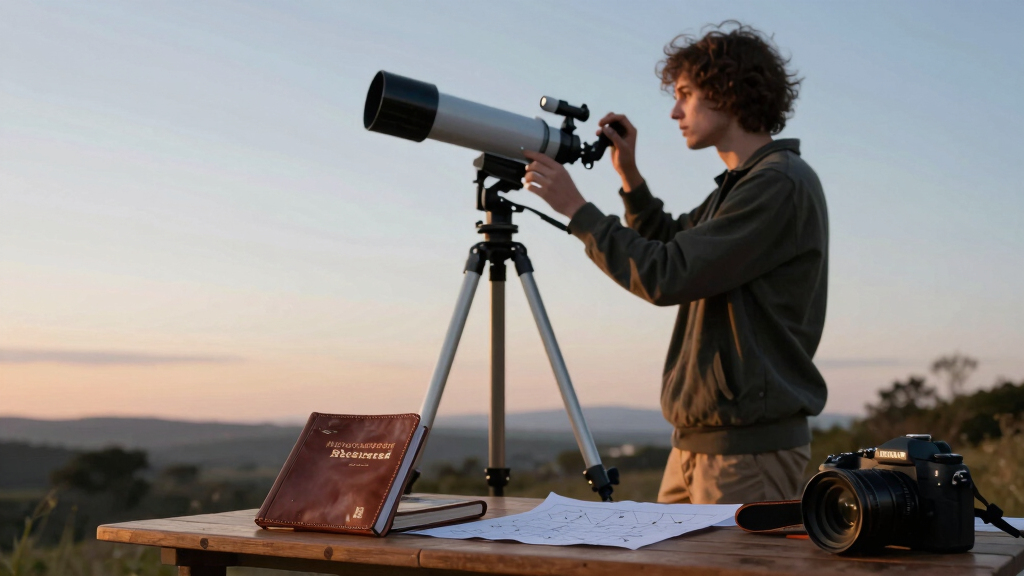
These reference books were evaluated based on their clarity, depth of technical content, usability for different skill levels, and overall value. We prioritized books that combine scientific accuracy with practical tips, ensuring they serve both beginners and advanced users. Books with well-organized layouts, helpful visuals, and comprehensive target lists scored higher, while those that were overly niche or lacked clarity were ranked lower. Our selections aim to cover a range of needs—from quick reference guides to in-depth manuals—helping readers choose based on their experience and specific goals.| astrophotography reference book | Format |
|---|---|
| The Astrophotography Manual: A | Printed book |
| The Deep-sky Imaging Primer | Printed book |
| Astrophotography is Easy!: Bas | Printed book |
| Affordable Astrophotography fo | Printed book |
| The Beginner’s Guide to Astrop | Printed book |
| Getting Started: Budget Astrop | — |
| Messier Astrophotography Refer | — |
| The Beginner’s Guide to Astrop | — |
| Astrophotography | — |
| The 750 Best Deep Sky Objects | — |
| Digital SLR Astrophotography | |
| Observer’s Sky Atlas: The 500 | |
| The 100 Best Astrophotography | |
| The Astrophotography Sky Atlas | |
| The Astrophotography Planner: |
Factors to Consider When Choosing Astrophotography Reference Books
Choosing the right astrophotography reference book depends on several factors beyond just content. Consider your current skill level, the scope of your projects, and how much technical detail you need. The right book can accelerate your learning curve, but an overly complex manual may overwhelm beginners. Conversely, a simple guide might lack the depth needed for advanced imaging. Keep in mind the importance of visual aids, target lists, and layout, which influence how effectively you can apply the information. Understanding these factors will help you select a book that truly supports your astrophotography journey.Skill Level and Complexity
Match the book’s technical depth with your experience. Beginners should seek guides that explain core concepts clearly, with plenty of visuals and step-by-step instructions. More advanced users might prefer detailed manuals that cover equipment calibration, image processing, and scientific principles. Buying a book that’s too technical for your current level can lead to frustration, while overly simplistic guides may not provide enough challenge or insight to grow your skills.
Scope and Content Focus
Some books focus on target identification and planning, offering star charts and object catalogs, while others delve into the technical aspects of imaging and processing. Decide whether you need a comprehensive target guide, a technical manual, or a blend of both. For example, a book centered on deep-sky objects can accelerate planning, but may lack detailed camera settings or equipment advice, which are crucial for beginners or those upgrading their gear.
Visual Aids and Layout
Clear diagrams, charts, and photographs greatly enhance understanding. Look for books with well-organized layouts that allow quick referencing during sessions. Visual aids help demystify complex concepts like polar alignment or exposure settings, especially when you’re in the field. A cluttered or poorly designed book can make information harder to find and less practical for real-world use.
Format and Usability
Consider whether the book is a hardcover, paperback, or digital edition. Portability matters if you’ll be referencing it outdoors. Also, check for features like waterproof pages or durability, which can make a difference during fieldwork. An intuitive index and chapter structure can save you time when looking for specific information, making the book more effective as a quick-reference tool.
Price and Value
Higher-priced manuals often offer more comprehensive coverage or premium visuals, but may not be necessary for casual hobbyists. Budget options can be surprisingly useful, especially if they focus on fundamentals. Consider how much you’re willing to invest, and whether a more expensive book offers features or content that will genuinely advance your astrophotography skills in the long run.
Frequently Asked Questions
Is it better to buy a specialized target catalog or a general astrophotography manual?
The choice depends on your goals. If you primarily want to plan specific imaging projects, a dedicated target catalog like ‘The 750 Best Deep Sky Objects’ can save time and improve your results. However, a general manual that covers camera settings, equipment, and processing techniques provides broader foundational knowledge that benefits all projects. Ideally, combining both types of resources offers the most balanced approach for developing your skills.
Are digital books as effective as printed ones for astrophotography reference?
Digital books offer portability and quick searchability, which are useful for field use. They often include interactive features or hyperlinks that help locate information rapidly. However, printed books can be easier to browse through physically, especially when you want to flip back and forth between charts and explanations. Both formats can be effective; the key is choosing one that suits your workflow and environment.
Should I prioritize a highly visual book or one with detailed technical explanations?
This depends on your learning style and current needs. Visual learners benefit from books filled with diagrams, charts, and high-quality images that clarify complex ideas. Those seeking to deepen their technical understanding might prefer manuals with in-depth explanations of imaging techniques, calibration, and processing algorithms. For most enthusiasts, a balance of both visuals and technical detail makes for the most practical resource.
How often should I update my astrophotography reference books?
While core principles remain consistent, astrophotography technology and techniques evolve rapidly. Newer editions often include updates on equipment, software, and recent celestial targets. If you’re serious about staying current, consider replacing or supplementing your books every few years, especially if you adopt new gear or techniques. However, foundational concepts in older books can still be valuable for building a solid understanding.
Can a single reference book cover all my astrophotography needs?
Most comprehensive reference books provide valuable insights across multiple areas, but no single resource can address every aspect perfectly. For example, a manual may excel in technical setup but lack detailed target lists or astrophotography planning tools. Combining a well-rounded technical guide with specialized catalogs or software references creates a more versatile toolkit, helping you address different phases of your projects effectively.
Conclusion
For newcomers eager to understand the basics, a beginner-friendly guide like “Astrophotography Is Easy!” offers clear instructions without overwhelming details. Intermediate users aiming for detailed target planning might prefer “The Deep-sky Imaging Primer” or “The 750 Best Deep Sky Objects”. Serious amateurs seeking a comprehensive manual with technical depth should consider “The Astrophotography Manual”. For those prioritizing portability and quick referencing, digital editions or compact guides are ideal. Ultimately, your choice should align with your skill level, project scope, and budget—select the resource that best supports your specific astrophotography goals in 2026.