
TL;DR
The 2026 lunar eclipse offers a rare chance to see Earth’s shadow chase the Moon, turning it a fiery red. Modern technology and public interest are making these events more accessible and scientifically valuable than ever before.
Imagine the dark sky suddenly turning a deep, blood-red hue as the Moon slips into Earth’s shadow. That’s not just a poetic image—it’s the thrill of a lunar eclipse, a celestial event that captures both our wonder and scientific curiosity. The upcoming eclipse in September 2026 promises such a spectacle, visible from parts of the world and ripe for observation.
Whether you’re a casual skywatcher or a serious amateur astronomer, understanding what’s happening in the sky adds depth to the experience. This story is about more than just a shadow crossing the Moon; it’s a glimpse into Earth’s atmosphere, a moment of shared human curiosity, and a chance to photograph one of nature’s most beautiful shows.
A lunar eclipse’s red color is caused by Earth’s atmosphere filtering sunlight—making it a natural filter for atmospheric study.
Using a telephoto lens and a tripod transforms your eclipse photos into vivid, detailed images that capture the event’s fiery beauty.
Timing is everything—know the exact start of totality for your location to catch the most spectacular part of the eclipse.
This event offers a rare chance to connect science and culture, as lunar eclipses have inspired myths and modern research alike.
Preparation, patience, and respect for safety ensure you’ll enjoy and document this celestial masterpiece fully.
Why the Moon Turns Red During an Eclipse—and How to See It
When the Earth casts its shadow across the Moon, the usually bright, silvery disk slowly darkens. But during totality, the Moon doesn’t go black. Instead, it often turns a vivid, rusty red—like a glowing ember. That’s because Earth’s atmosphere acts like a giant lens, bending sunlight into the shadow and filtering out the blue, leaving behind the warm reds and oranges.
Understanding this phenomenon is crucial because it reveals the composition and behavior of Earth’s atmosphere. The specific hue and brightness can tell scientists about the concentration of aerosols, dust, and pollutants present at different times. For example, a deeper red might indicate more particles in the atmosphere, which can be linked to pollution events or volcanic activity. These insights help climate scientists track atmospheric changes over time, offering a natural, visual proxy for understanding environmental health.
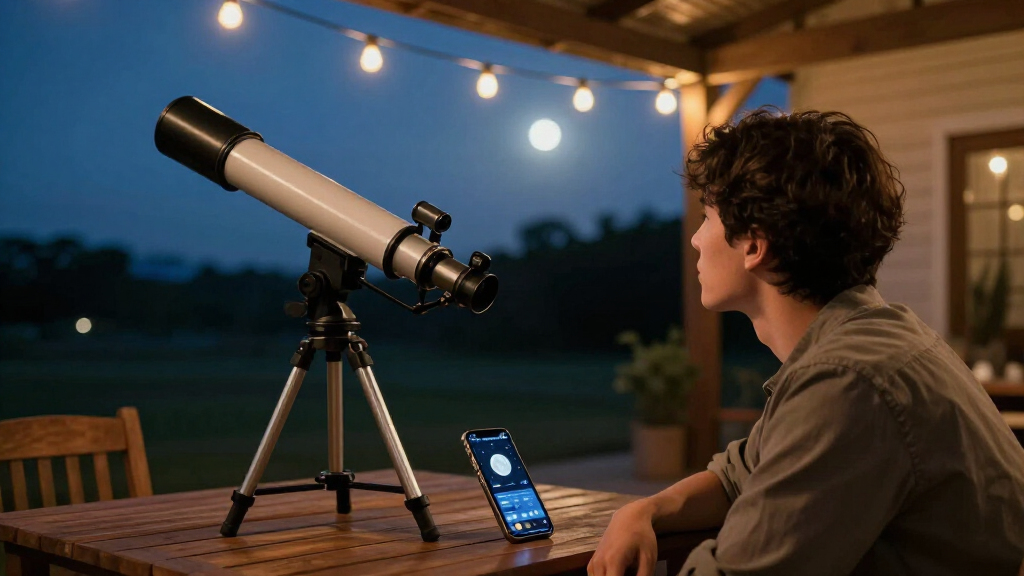
For the September 2026 eclipse, this red glow will be especially striking, visible in areas where the Moon is high enough above the horizon. To catch the best view, find a spot with a clear, unobstructed horizon and minimal light pollution. Use a pair of binoculars or a camera with a telephoto lens for sharper images, and remember—the red hue is a sign of Earth’s atmospheric particles, dust, and even pollution. Recognizing these subtle variations can deepen your appreciation of how interconnected our planet’s health is with what we observe in the sky.
As an affiliate, we earn on qualifying purchases.
How to Watch and Photograph the 2026 Lunar Eclipse Like a Pro
- Check the exact date and time of the eclipse for your location. The event might last several hours, but totality—the full shadow—can be just minutes. Planning ahead ensures you won’t miss the most visually stunning moments and allows you to prepare your equipment properly.
- Find a dark, open space away from city lights. The clearer the sky, the more vivid the colors and the sharper your images will be. Light pollution can wash out the subtle red hues and obscure fine details, so choosing your viewing spot is as important as timing.
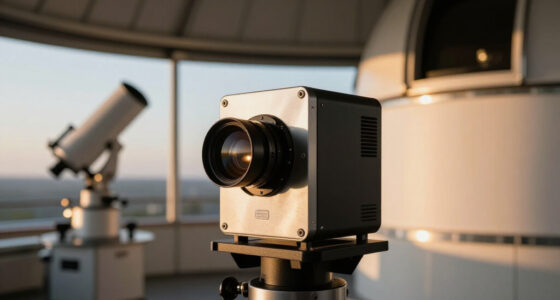
- Use a sturdy tripod and a telephoto lens (at least 300mm). For smartphone users, attach a telephoto adapter or use a zoom feature. This combination allows you to capture the Moon’s intricate details and the dramatic color changes with clarity, preserving the event’s natural beauty in your photographs.
- Set your camera to manual mode. Use a low ISO (100-400), a wide aperture, and a shutter speed around 1-2 seconds during totality for sharp images. Experiment with these settings beforehand to find the right balance between exposure and detail, as lighting conditions change rapidly during the eclipse.
- Be patient and keep your eyes on the sky. The changing hues and the slow movement of Earth’s shadow make each moment unique. Observing the sequence over time can reveal subtle transitions, deepening your understanding and appreciation of this celestial dance.
For example, during the 2022 eclipse, many photographers captured stunning sequences showing the Moon turning from gray to fiery red, then back to gray. The key is preparation and timing—knowing when to press the shutter and which settings bring out the rich colors. Recognizing the importance of patience and experimentation can turn a simple photograph into a captivating story of the eclipse.
Remember, safety first: never look directly at the Sun without proper filters during any phase of an eclipse. Protect your eyes and equipment to ensure a safe and rewarding experience.
telephoto lens for astrophotography
As an affiliate, we earn on qualifying purchases.
As an affiliate, we earn on qualifying purchases.
What Makes This Eclipse Special—and Why It Matters
The September 2026 eclipse is part of a rare series of lunar eclipses visible from different parts of the world. Unlike solar eclipses, which happen more frequently but are localized, lunar eclipses can be seen over a broad area—sometimes spanning continents.
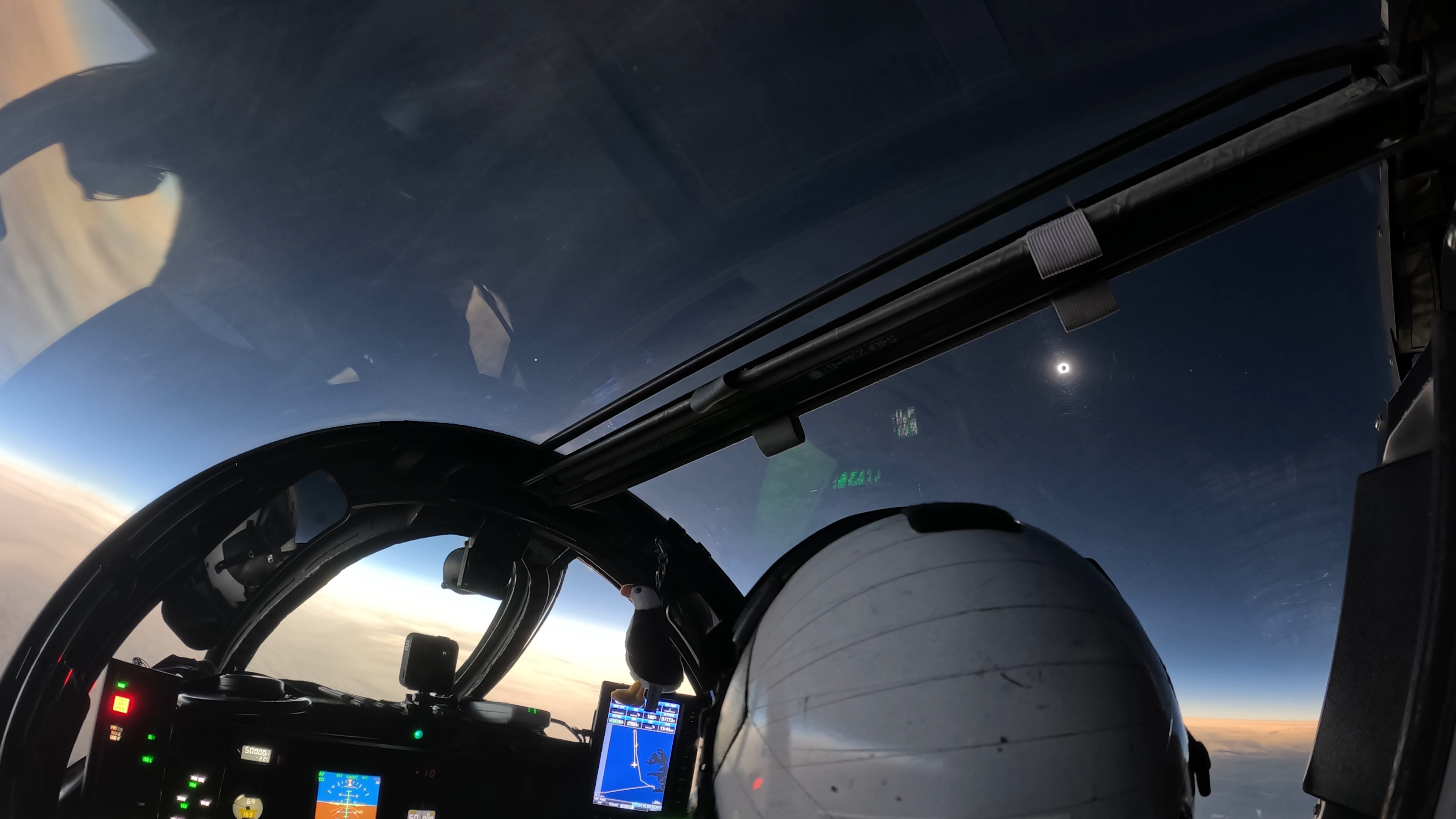
What makes this event particularly interesting is the wealth of scientific data we can gather. High-resolution cameras aboard research aircraft, like NASA’s WB-57F, have already captured stunning views from above the clouds—showing the corona, Venus nearby, and the glow of Earth’s atmosphere in unprecedented detail. These observations allow scientists to analyze the Earth’s atmospheric composition, study the effects of aerosols, and monitor climate change indicators with greater precision.
Understanding why this eclipse is scientifically valuable means recognizing its role as a natural laboratory. The detailed images and data collected during such events can reveal subtle changes in Earth’s atmosphere, such as increased pollution or volcanic ash, which influence climate models and environmental policies. Moreover, these insights help us understand how our planet’s atmosphere interacts with space weather, impacting satellite operations and communications. Thus, this eclipse is not just a visual spectacle but a vital opportunity to deepen our understanding of Earth’s environmental dynamics and improve our ability to respond to climate challenges.
This eclipse isn’t just a pretty sight; it’s a window into Earth’s atmospheric health and a reminder of how interconnected our world is with the cosmos. Recognizing its scientific significance encourages broader public engagement and supports ongoing research efforts that benefit both science and society.
As an affiliate, we earn on qualifying purchases.
When and Where to Catch the September 2026 Eclipse
The eclipse occurs on September 5, 2026, with totality visible from parts of North America, South America, and western Africa. The exact timing depends on your location.
| Region | Start of Penumbral Eclipse | Start of Partial Eclipse | Start of Totality | End of Totality | End of Partial Eclipse |
|---|---|---|---|---|---|
| North America (East Coast) | Around 10:30 PM | 11:45 PM | 12:22 AM | 12:59 AM | 2:15 AM |
| Europe & West Africa | Early morning, around 3:30 AM | 4:45 AM | 5:22 AM | 5:59 AM | 7:15 AM |
Plan ahead—check local times, and aim for the key moments of totality. Remember, a clear sky and minimal light pollution boost your chances of a great view and photograph.
solar and lunar eclipse viewing glasses
As an affiliate, we earn on qualifying purchases.
As an affiliate, we earn on qualifying purchases.
Frequently Asked Questions
When is the best time to view the 2026 lunar eclipse from North America?
The total eclipse will be visible in the early hours of September 5, around 12:22 AM local time for the East Coast. Check your specific location for precise timings, and plan to be outside at least 30 minutes beforehand for the best experience.Why does the Moon turn red during an eclipse?
The red hue occurs because Earth’s atmosphere bends sunlight into the shadowed area. The scattering of blue light leaves only the warm reds and oranges, creating that iconic ‘Blood Moon’ effect.How can I safely photograph the eclipse?
Use a sturdy tripod, a telephoto lens, and manual camera settings. Avoid looking directly at the Sun without proper filters. During totality, you can remove filters for long exposures but always prioritize safety.Is this eclipse visible from everywhere?
No, visibility depends on your location. Totality will be visible in parts of North and South America, Africa, and some Atlantic regions. Use an online eclipse map to confirm if your area will see the full event.What scientific insights can be gained from observing lunar eclipses?
Eclipses help scientists analyze Earth’s atmosphere, study changes in aerosols and pollution, and improve models of how solar radiation interacts with our climate. They’re also invaluable for calibrating telescopes and testing new imaging technology.Conclusion
Chasing the Moon’s shadow isn’t just about witnessing a celestial event; it’s about connecting with the universe and uncovering secrets hidden in Earth’s atmosphere. The 2026 eclipse promises a stunning show—and a reminder that the sky still holds wonders that inspire curiosity and discovery.
So, mark your calendar, find your spot, and get ready to watch history in the making. The sky is about to put on a fiery display—and you won’t want to miss it.