
TL;DR

Prime made for students and young adults
- Fast, free delivery for dorm and study essentials
- Prime Video and Amazon Music included
- Member-only deals
NASA’s latest ultra-high-resolution images of the Sun uncover signs of magnetic instability, revealing how the Sun’s surface is far more dynamic and chaotic than previously thought. This breakthrough deepens our understanding of solar eruptions and helps improve space weather forecasts.
The newest solar images reveal the Sun’s surface as a turbulent, swirling chaos of magnetic plasma, not just a glowing ball of light.
Magnetic swirls and waves, visible in these images, are signs of energy building up that can lead to solar eruptions affecting Earth.
High-resolution imaging improves our ability to predict space weather by exposing the complex magnetic interactions at play.
Understanding solar instability helps protect satellites, power grids, and communication systems from damaging solar storms.
Using proper solar filters and equipment, amateurs can safely observe some of these stunning details from Earth.
How NASA’s New Sun Images Show Chaos in Action
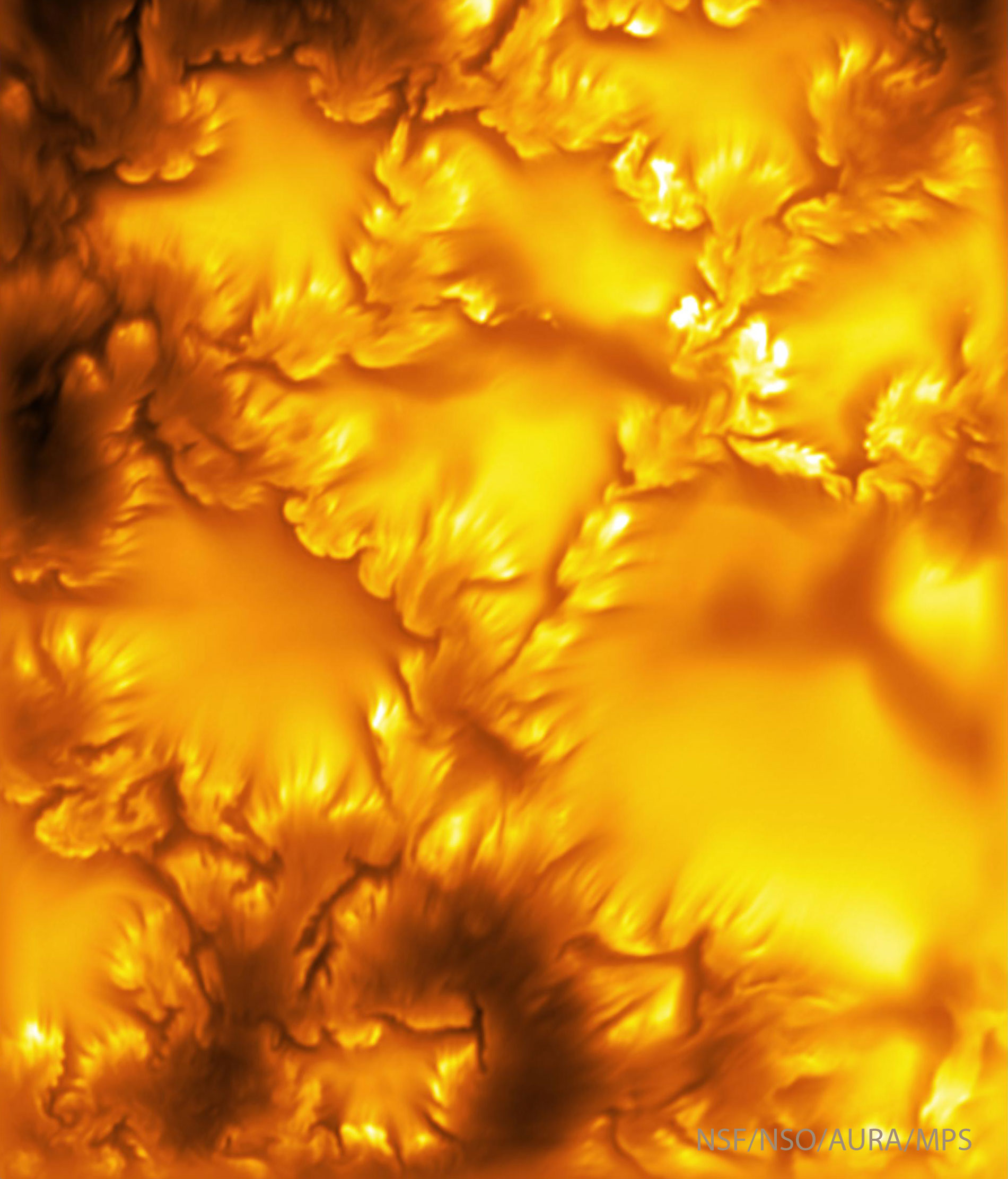
NASA’s latest images are the clearest ever captured of the Sun’s surface, thanks to the advanced Inouye Solar Telescope in Hawaii. These images aren’t just sharp—they’re revealing the Sun’s wild, swirling magnetic waters. You can see tiny, city-sized features where magnetic lines twist and swirl, hinting at instability and energy buildup.
For example, at the edges of solar granules—those bubbling patches on the Sun’s surface—researchers spot swirling motions called Kelvin-Helmholtz instabilities. These are like tiny whirlpools in a stream—except they’re magnetic plasma waves. Such features have long been hypothesized but are now confirmed with stunning clarity. Recognizing these instabilities is crucial because they serve as early indicators of how magnetic energy is stored and released. Understanding these processes helps scientists predict when the Sun might unleash a flare or CME, which could have significant impacts on Earth’s technology. The deeper insight into these small-scale turbulence patterns underscores just how dynamic and unpredictable the Sun’s surface truly is, emphasizing that what appears as calm can harbor the potential for explosive activity.
solar observation telescope with solar filter
As an affiliate, we earn on qualifying purchases.
As an affiliate, we earn on qualifying purchases.
What Makes These Solar Swirls and Waves So Important?
These swirling features aren’t just pretty patterns—they’re signs of the Sun’s magnetic chaos. When magnetic fields twist and tangle, they store vast amounts of energy. The significance of these features goes beyond their visual appeal. They act as the Sun’s warning signs, indicating where the magnetic tension is reaching a breaking point. When this tension is suddenly released, it results in solar flares or coronal mass ejections (CMEs). These eruptions can send energetic particles hurtling toward Earth, disrupting satellites, communication systems, and power grids. The ability to see these magnetic stresses in unprecedented detail means scientists can better assess the likelihood of such events before they happen. This predictive capacity is vital because solar storms are not only disruptive but can also have long-term consequences for our technological infrastructure. Recognizing the signs of magnetic chaos allows for more accurate forecasting, providing crucial lead time to safeguard critical systems. The tradeoff is that understanding and monitoring these small-scale features requires advanced technology and continuous observation, but the payoff is a significant improvement in space weather preparedness.
high resolution solar imaging camera
As an affiliate, we earn on qualifying purchases.
As an affiliate, we earn on qualifying purchases.
A Comparison: Old vs. New Sun Images — Why the Difference Matters
| Feature | Previous Sun Images | Latest High-Res Sun Images |
|---|---|---|
| Resolution | Features as small as 1,000 km | Details as small as 300 km |
| Surface Details | Blurry patches, broad features | Sharp, city-sized structures and swirling motions |
| Visibility of Magnetic Features | Limited, often blurry | Clear, detailed magnetic swirls and waves |
| What It Reveals | General surface activity | Signs of instability, energy buildup, and turbulence |
These improvements are like switching from a blurry TV to 4K Ultra HD. Suddenly, you see the tiny details that tell a story of magnetic chaos and potential eruptions. The higher resolution doesn’t just give a prettier picture—it fundamentally changes how scientists interpret the Sun’s behavior. By revealing small-scale magnetic twists and turbulence, researchers can now identify regions at greater risk of eruptive activity. This detailed view helps refine models of solar dynamics, making predictions more accurate and timely. The tradeoff, however, involves the need for more sophisticated instruments and data processing capabilities, which can be resource-intensive. Nonetheless, the ability to see these minute but critical features marks a significant leap forward in solar science, enabling us to better anticipate space weather events and mitigate their impacts on Earth.
solar viewing glasses for sun observation
As an affiliate, we earn on qualifying purchases.
As an affiliate, we earn on qualifying purchases.
Why Solar Instability Is a Big Deal for Earth
The Sun’s magnetic chaos isn’t just an abstract idea. It’s the root of space weather events that can turn our satellite signals into static and cause power outages. The new images show where these magnetic stresses gather—like warning signs for upcoming solar storms.
For example, when magnetic fields twist and suddenly reconfigure, they can blast out energetic particles toward Earth. These particles can interfere with satellite operations, communications, and even pose risks to astronauts in space. The more detailed our understanding of where and how these stresses accumulate, the better we can prepare for these potentially disruptive events. This knowledge allows us to develop early warning systems, much like weather forecasts for storms, giving us critical time to protect infrastructure and reduce economic losses. The challenge lies in interpreting these complex magnetic patterns—distinguishing between benign turbulence and signals of imminent eruptions. This distinction is vital because false alarms can cause unnecessary panic, while missed warnings could be catastrophic. Therefore, improving our grasp of the Sun’s magnetic chaos directly translates into more reliable space weather forecasts, helping safeguard our increasingly technology-dependent world.
As an affiliate, we earn on qualifying purchases.
How Scientists Are Using These Images to Predict Solar Eruptions
High-res images give scientists a front-row seat to the Sun’s magnetic drama. By mapping swirling plasma and magnetic twists, they can identify regions primed for eruptions. Think of it like weather forecasting but for solar storms.
For instance, if a magnetic swirl shows signs of twisting beyond normal, scientists may predict a higher chance of a flare. These images, combined with other data, improve the accuracy of space weather forecasts. The importance of this lies in the potential to provide earlier and more precise warnings, which can help protect satellites, power grids, and astronauts. However, interpreting these magnetic features requires sophisticated algorithms and continuous monitoring, as the Sun’s magnetic environment is highly dynamic. The tradeoff is that while these images greatly enhance our predictive capabilities, they also demand significant computational resources and expert analysis. The implication is that as technology advances, our ability to forecast space weather will become more reliable, but it will also require ongoing investment and research. This ongoing effort underscores the importance of understanding the small-scale magnetic activities that drive large-scale solar eruptions, ultimately aiming to minimize their impact on our daily lives.
Frequently Asked Questions
How do these images improve our understanding of solar flares?
They expose tiny magnetic twists and swirls that act as signals of energy buildup. This helps scientists identify regions more likely to produce eruptions, making predictions more accurate.Can amateurs take photos like these?
While professional telescopes capture the finest details, amateurs with solar filters and proper equipment can photograph the Sun’s surface and see some of these swirling features safely.What exactly is Kelvin-Helmholtz instability on the Sun?
It’s a wave-like disturbance that occurs when two streams of plasma flow past each other at different speeds, creating swirling motions. On the Sun, it appears as tiny whirlpools along magnetic boundaries, indicating instability.Will this new imaging technology help forecast space weather?
Yes, by revealing the magnetic stresses that lead to eruptions, scientists can better anticipate when solar storms might happen, giving us more warning to protect our infrastructure.Why is it hard to predict exact solar eruptions?
Because the Sun’s magnetic environment is incredibly complex and dynamic. Still, detailed images like these provide critical clues about where and when eruptions might occur.Conclusion
These sharp new images of the Sun peel back the layers of calm we’ve long associated with our star. Instead, they reveal a wild, magnetic dance—full of swirling chaos and instability. Recognizing this chaos is the first step toward better predicting solar storms and shielding our technology-dependent world.Fall Picks
fall essentials
As an affiliate, we earn on qualifying purchases.