For the Ursid Meteor Shower 2025, you’ll want to prepare by finding a dark, open spot away from city lights and dress warmly. Use a sturdy tripod and a wide-angle lens on your camera, setting long exposures and high ISO to capture fast-moving meteors radiating from Ursa Minor. Peak activity occurs around December 22nd, but meteors may appear before and after. Keep watching, and you’ll discover tips to help you capture stunning images of this final shower of the year.
Key Takeaways
- Use wide-angle lenses, long exposures (15-30 sec), and high ISO settings to maximize meteor capture during Ursid 2025.
- Aim your camera toward Ursa Minor to align with meteor radiants and increase detection chances.
- Find a dark, open location away from light pollution for clearer sky views and better imaging results.
- Be prepared for cold winter nights with warm clothing to extend observation and photography sessions.
- Monitor peak activity around December 22nd but capture meteors before and after for more opportunities.
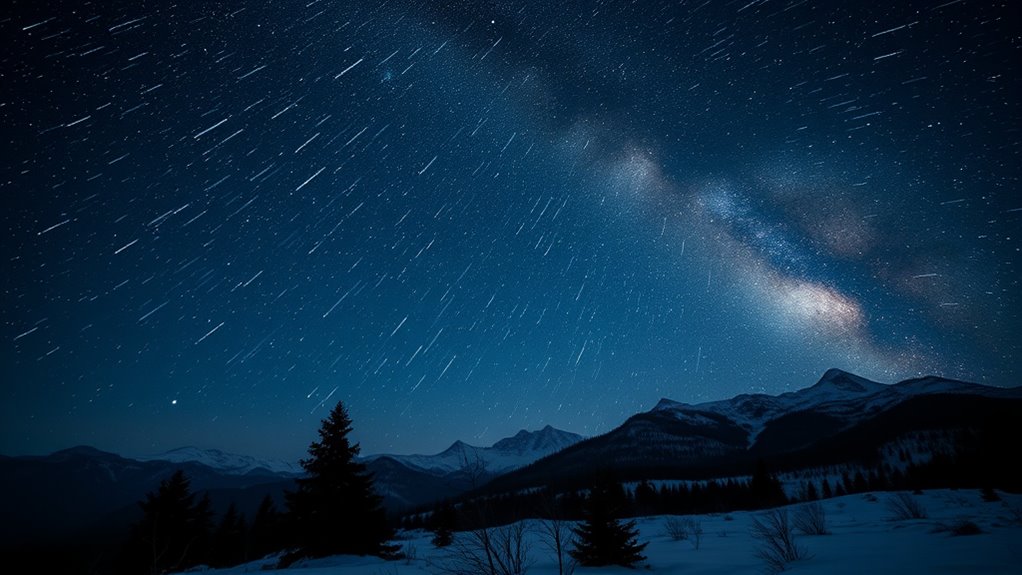
The Ursid Meteor Shower in 2025 promises to be an exciting spectacle for stargazers, especially since it peaks during the winter months when clear skies are more common. As you prepare to watch this celestial event, it’s helpful to understand its meteor shower history. The Ursids are a relatively modest shower, originating from debris left by Comet 8P/Tuttle. Unlike the more famous showers like the Perseids or Geminids, the Ursids tend to have a lower zenithal hourly rate, but they can still produce a stunning display of shooting stars. Their activity peaks around December 22nd, making it an ideal opportunity for winter night sky enthusiasts to catch a glimpse. Knowing the historical pattern of this meteor shower helps you set realistic expectations and plan your viewing session. Over the years, the Ursids have been known to produce brief outbursts, sometimes with dozens of meteors per hour, especially during favorable conditions. Observing their activity can be a rewarding experience, especially if you’re interested in celestial event photography. Capturing the fleeting streaks of light across a dark sky requires patience and the right equipment. A sturdy tripod, a camera with manual settings, and a wide-angle lens will give you the best chance to immortalize this natural spectacle. With clear winter nights often offering minimal atmospheric disturbance, your chances of successful astrophotography increase. To improve your shots, consider setting your camera to long exposures—around 15 to 30 seconds—and use a high ISO setting to accumulate enough light without introducing too much noise. Timing is vital; keep an eye on the expected peak, but also be prepared for some activity before and after the main event. The Ursid meteors tend to radiate from the constellation Ursa Minor, so orienting your camera toward that area of the sky will help you capture the most meteors in your frame. Remember to dress warmly, as winter nights can get quite cold, especially when you’re standing still for extended periods. The beauty of celestial event photography during the Ursid meteor shower lies in the unpredictability of the meteors—each one is a brief but brilliant flash that can make your images stand out. Utilizing high-quality optics can enhance your view and increase your chances of catching more meteors. With some patience and the right gear, you can document this final shower of the year in a way that’s both awe-inspiring and memorable. So, get your camera ready, find a dark, open space, and enjoy the breathtaking display that the Ursids will bring in 2025.
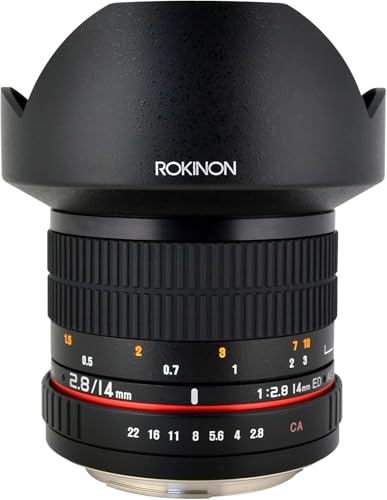
Rokinon FE14M-C 14mm F2.8 Ultra Wide Lens for Canon (Black)
- Image Quality: Sharp, detailed images across the frame
- Wide Angle: 115.7° ultra-wide perspective for expansive shots
- Low-Light Performance: Fast f/2.8 aperture for better low-light shots
As an affiliate, we earn on qualifying purchases.
As an affiliate, we earn on qualifying purchases.
Frequently Asked Questions
Will the Ursid Meteor Shower Be Visible Worldwide?
You can see the Ursid Meteor Shower from many parts of the world, but there are some geographic limitations. Its global visibility depends on your location and weather conditions, so it might be brighter and more spectacular in some areas. To get the best view, find a dark sky away from city lights and check local viewing times. Keep an eye on weather forecasts for clear skies to enjoy this final shower of the year.
What Equipment Is Best for Astrophotography During the Shower?
Imagine capturing the night sky’s fleeting beauty—you’ll want a good camera lens, preferably wide-angle, to frame the shower. Pair it with a sturdy tracking mount to follow the meteors smoothly across the sky. These tools allow you to shoot long exposures without star trails, revealing the shower’s brilliance. With this equipment, you’ll turn a simple night into a stunning astrophotography masterpiece, making every meteor count.
How Does the Ursid Compare to Other Year-End Meteor Showers?
You’ll find the Ursids are generally less intense than other year-end meteor showers like the Quadrantids or Geminids, but they hold unique historical significance as a relatively recent discovery, dating back to the early 20th century. The Ursid’s comparison in intensity shows it’s a modest shower, yet its unpredictability and connection to comet 8P/Tuttle make it a fascinating event to observe and photograph, especially during peak nights.
Are There Specific Times for Peak Activity Each Night?
You should focus on the peak times for the best observation windows, which typically occur late at night or in the early morning hours before dawn. The Ursid meteor shower’s peak can vary slightly each year, but generally, you’ll want to watch around December 22-23. Keep an eye on local forecasts, and plan your viewing when the sky is darkest, usually between midnight and dawn.
Can the Ursid Meteor Shower Be Seen With the Naked Eye?
Yes, you can see the Ursid meteor shower with the naked eye if sky conditions are good. Clear, dark skies free of light pollution improve your chances, especially around the peak activity times. Keep an eye on the sky after midnight, when the shower’s activity is usually highest. With patience and good visibility, you’ll enjoy streaks of meteors darting across the night sky.

K&F CONCEPT Light Stand for Photography, 9.1ft/2.8M Extendable Tripod
- Sturdy and Stable Construction: Made of high-quality metal for durability
- Extendable Height: Adjusts from 112cm to 280cm with special buckle
- High Load Capacity: Supports up to 8kg weight
As an affiliate, we earn on qualifying purchases.
As an affiliate, we earn on qualifying purchases.
Conclusion
So, as you chase the Ursid meteor shower’s last display of 2025, remember it’s the final chance to witness this fleeting spectacle. Ironically, after all the planning and late-night stargazing, you might just find that the best part isn’t the meteors themselves, but the quiet, fleeting moments under the winter sky. Sometimes, it’s the briefest flashes that leave the biggest impression—kind of like this year’s final meteor shower.

8K Digital Cameras for Photography, 2026 Autofocus 88MP WiFi Professional Photography Camera with Dual-Lens for YouTube, 16X Digital Zoom, TF Card, Lens Hood, Touch Screen,2 Batteries & Charging Stand
- 8K & 88MP High-Resolution: Capture stunning, detailed images and videos
- Fast Autofocus System: Locks focus in seconds for sharp shots
- Dual-Lens Design: Flexible angles for selfies and vlogging
As an affiliate, we earn on qualifying purchases.
As an affiliate, we earn on qualifying purchases.
long exposure camera settings for meteor shower
As an affiliate, we earn on qualifying purchases.
As an affiliate, we earn on qualifying purchases.