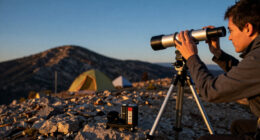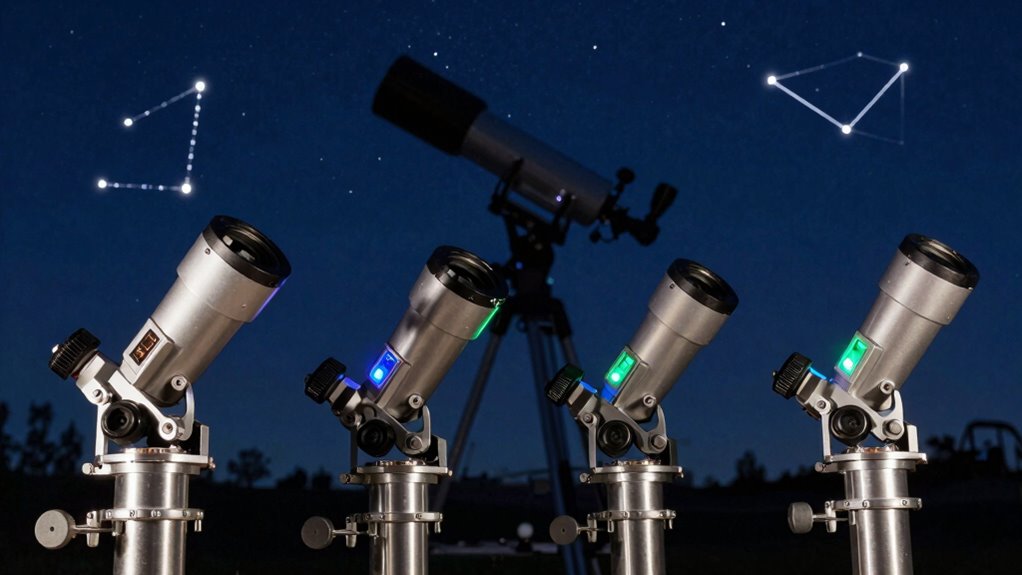
Choosing the right equatorial mount for backyard astrophotography involves balancing precision, ease of setup, and budget. The Sky-Watcher Star Adventurer Latitude (EQ) Base stands out as the best overall for its versatile tracking and solid build. For those seeking portability, the Xiaoran Wild Star Portable Equatorial Mount offers automatic tracking in a compact form. Meanwhile, the iEXOS-100-2 PMC-Eight provides advanced features like WiFi control for more serious astrophotographers. The main tradeoffs in this category typically involve balancing cost against tracking accuracy and setup complexity. Keep reading for a detailed breakdown of these options and how they compare to help you find the best fit for your backyard sky sessions.

Prime made for students and young adults
- Fast, free delivery for dorm and study essentials
- Prime Video and Amazon Music included
- Member-only deals
Key Takeaways
- The top mounts combine solid build quality with precise tracking capabilities suitable for long-exposure astrophotography.
- Portability remains a key factor, with some models offering automatic tracking in lightweight designs ideal for backyard setups.
- Advanced control features like WiFi and Bluetooth are increasingly standard among higher-end mounts, but they add complexity and cost.
- Many mounts share common limitations, such as slow setup times or limited payload capacities, which impact usability.
- Choosing the right mount depends heavily on your specific goals, whether that’s deep-sky imaging, casual observing, or time-lapse photography.
| Sky-Watcher Star Adventurer Latitude (EQ) Base |  | Best Overall for Ease of Use and Compatibility | Brand: Sky-Watcher | Model Number: S20530 | Material: Metal | VIEW ON AMAZON | See Our Full Breakdown |
| Equatorial Mount Star Tracker with Latitude Adjustment Base for Astrophotography |  | Best for Versatile, Durable Outdoor Use | Material: PETG and carbon fiber | Control Chip: EESP32S dual-core | Supports: stellar, moon, custom speed | VIEW ON AMAZON | See Our Full Breakdown |
| Equatorial Mount with PETG-CF Housing for Astrophotography and Time-Lapse Photography |  | Best for Precise, Lightweight Tracking | Material: PETG and carbon fiber | Control Chip: EESP32S dual-core | Tracking Accuracy: 5 min (24mm), 4 min (70mm), 1 min (200mm), 30 sec (450mm) | VIEW ON AMAZON | See Our Full Breakdown |
| Aluminum Alloy Star Adventurer Latitude (EQ) Base – Astronomy Telescope Accessory with 90° Adjustment |  | Best for Precise 90-Degree Adjustment and Versatility | Material: Aluminum alloy | Adjustment: 90 degrees | Thread size: 3/8 inch | VIEW ON AMAZON | See Our Full Breakdown |
| Equatorial High Precision Aluminum Alloy Telescope Mount with 90° Tilt Adjustment |  | Best for High-Precision and Solar Observing | Compatibility: Star field and similar telescopes | Material: High-grade aluminum alloy | Adjustment Range: 0° to 90° | VIEW ON AMAZON | See Our Full Breakdown |
| Star Tracking Equatorial Mount for Deep-Sky Astrophotography and Time-Lapse Photography, Steel Shaft, Star Pointer, ESP32 Dual-Core Control – Matte Black |  | Best for Serious Deep-Sky Imaging and Technical Enthusiasts | Material: PETG + Electronic Components | Product Weight: 500g | Package Weight: 600g | VIEW ON AMAZON | See Our Full Breakdown |
| Equatorial Base for Watcher, Star Latitude (EQ) Base, Astronomy Telescope Accessory, Equatorial Mount with 3/8 Inch Thread for Common Tripods, 90 Degree Adjustment |  | Best Versatility and Compatibility for Various Telescopes | Material: Aluminum Alloy | Thread Size: 3/8 inch | Adjustment Range: 0° to 90° | VIEW ON AMAZON | See Our Full Breakdown |
| Star Tracking Equatorial Mount for Deep-Sky Astrophotography and Time-Lapse Photography | | Best Support for Moderate Load and Cold Conditions | Support Weight: 4kg | Material: Carbon fiber reinforced PETG | Temperature Range: -10°C | VIEW ON AMAZON | See Our Full Breakdown |
| Xiaoran Wild Star Portable Equatorial Mount with Automatic Tracking for DSLR & Mirrorless Cameras |  | Best Lightweight and Travel-Friendly for Astrophotography | Weight: ~350g | Load Capacity: 4.2kg | Power: USB 5V | VIEW ON AMAZON | See Our Full Breakdown |
| iEXOS-100-2 PMC-Eight Equatorial Tracker System Tripod and Mount for Astrophotography with WiFi and Bluetooth |  | Best Advanced Automation and Connectivity | Processor: Eight CPUs | Connectivity: WiFi and Bluetooth | Gears: Clutched dual-axis worm gears | VIEW ON AMAZON | See Our Full Breakdown |
| DSLR Night Tracker Equatorial Mount with Adjustable Wedge for Astrophotography |  | Best for Precise Angle Adjustment and Versatility | Material: Aluminum alloy | Adjustment Range: 0° to 90° | Thread Size: 3/8 inch | VIEW ON AMAZON | See Our Full Breakdown |
| equatorial mount for backyard astrophotography | Material |
|---|---|
| Sky-Watcher Star Adventurer La | Metal |
| Equatorial Mount Star Tracker | PETG and carbon fiber |
| Equatorial Mount with PETG-CF | PETG and carbon fiber |
| Aluminum Alloy Star Adventurer | Aluminum alloy |
| Equatorial High Precision Alum | High-grade aluminum alloy |
| Star Tracking Equatorial Mount | PETG + Electronic Components |
| Equatorial Base for Watcher | Aluminum Alloy |
| Star Tracking Equatorial Mount | Carbon fiber reinforced PETG |
| Xiaoran Wild Star Portable Equ | — |
| iEXOS-100-2 PMC-Eight Equatori | — |
| DSLR Night Tracker Equatorial | Aluminum alloy |
More Details on Our Top Picks
Sky-Watcher Star Adventurer Latitude (EQ) Base
This base stands out for its straightforward polar alignment process, thanks to clear latitude markers and micro-adjustment knobs, making it ideal for astrophotographers who prioritize reliable setup. Compared to the Aluminum Alloy Star Adventurer Latitude (EQ) Base, it offers smoother alignment but is heavier and less portable. Its compatibility with standard tripods broadens its usability, though it’s limited to Sky-Watcher mounts, which could restrict future upgrades. This makes it a solid choice for those seeking dependable performance with minimal fuss, especially if ease of alignment is key.
Pros:- Easy to align with latitude markers and micro-adjustment knobs
- Compatible with various standard tripods thanks to 3/8 inch threading
- Provides smooth and reliable polar alignment for astrophotography
Cons:- Designed specifically for Sky-Watcher Star Adventurer mounts, limiting versatility
- May require additional accessories for full setup
- Heavier than some lightweight alternatives
Best for: Amateur astronomers who want a reliable, easy-to-align mount compatible with their existing Sky-Watcher gear
Not ideal for: Advanced astrophotographers seeking lightweight, versatile mounts for heavy or custom setups
- Brand:Sky-Watcher
- Model Number:S20530
- Material:Metal
- Color:Black
- Mounting System:V-style dovetail
- Latitude Adjustment:Yes
- Thread Size:3/8 inch
- Included Components:Base, mounting block, instructions, toolkit
- Warranty:2 years
Our verdict“This mount is best suited for beginners or casual astrophotographers who value ease of use and compatibility within the Sky-Watcher ecosystem.”
Equatorial Mount Star Tracker with Latitude Adjustment Base for Astrophotography
This mount excels thanks to its robust PETG and carbon fiber construction, supporting a wide range of astrophotography and time-lapse activities. Unlike the Equatorial Mount with PETG-CF Housing, it offers a higher load capacity of 15kg, suitable for heavier cameras and accessories. Its ability to support both hemispheres and power via external sources makes it highly adaptable outdoors, but it requires a separate ball head for camera attachment, adding complexity. For users needing a durable, high-capacity mount that handles a variety of gear, this is an ideal match.
Pros:- Durable construction with PETG and carbon fiber materials
- Supports multiple rotation speeds for diverse astrophotography needs
- External power via Type C port makes it suitable for outdoor use
Cons:- Requires a separate ball head for camera connection
- Disassembly risks damaging equipment due to threadlocker screws
- No internal power source, needs external power bank
Best for: Outdoor astrophotographers and time-lapse shooters needing a rugged, high-capacity mount with flexible power options
Not ideal for: Casual amateurs or those with lightweight gear who prefer integrated power solutions and simpler setups
- Material:PETG and carbon fiber
- Control Chip:EESP32S dual-core
- Supports:stellar, moon, custom speed
- Hemispheres:supports northern and southern
- Load Capacity:15kg
- Power Supply:Type C port, no built-in battery
- Quick-Release Plate:38mm baseplate
- Output Shaft:1/4-inch screw
Our verdict“This mount is perfect for experienced users seeking a tough, high-capacity platform for outdoor astrophotography and time-lapse projects.”
Equatorial Mount with PETG-CF Housing for Astrophotography and Time-Lapse Photography
This lightweight mount delivers excellent tracking accuracy, supporting various astrophotography lenses and cameras, with easy power options via USB-C. Its PETG-CF housing ensures durability while maintaining portability. Unlike the heavier Sky-Watcher model, it emphasizes mobility, though careful polar alignment is essential to maximize accuracy. Some assembly and additional accessories, like a ball head or screw sleeve, may be needed for complete functionality. It makes a compelling choice for those who need precise, portable tracking solutions with straightforward power options.
Pros:- Lightweight and durable PETG-CF housing
- Supports precise tracking speeds for varied lenses
- USB-C power input, no batteries needed
Cons:- Requires careful polar alignment for optimal results
- No internal battery, external power needed
- Additional accessories may be necessary for full setup
Best for: Travelers and outdoor astrophotographers who need a lightweight, precise mount that’s quick to set up
Not ideal for: Users with heavy or complex gear who require more robust stability and integrated power supplies
- Material:PETG and carbon fiber
- Control Chip:EESP32S dual-core
- Tracking Accuracy:5 min (24mm), 4 min (70mm), 1 min (200mm), 30 sec (450mm)
- Weight:0.5kg
- Mount Type:Equatorial
- Power Supply:USB Type-C (no internal battery)
- Supports:Northern and Southern Hemisphere
- Additional Features:High-brightness pointer, no app needed
Our verdict“This mount suits mobile users who need a lightweight, accurate tracking platform for astrophotography and time-lapse work on the go.”
Aluminum Alloy Star Adventurer Latitude (EQ) Base – Astronomy Telescope Accessory with 90° Adjustment
This base excels in providing precise 90-degree adjustment, making it ideal for solar, lunar, and deep-sky astrophotography. Compared to the heavier Sky-Watcher model, it’s more lightweight and offers quick setup for users with existing tripods. Its universal compatibility with various devices broadens its application scope, but the lack of detailed specifications and price info may be limiting for some buyers. This pick favors those who need quick, accurate tilts and a flexible platform for different astrophotography tasks.
Pros:- Precise 90-degree adjustment for accurate astrophotography
- Lightweight and durable aluminum alloy construction
- Universal tripod compatibility for flexible setups
Cons:- Limited detailed specifications in the description
- No pricing info available
- Requires a compatible tripod for optimal use
Best for: Astronomers needing a lightweight, adjustable mount for solar, lunar, and deep-sky imaging on versatile tripods
Not ideal for: Beginners or casual users who prefer ready-to-use mounts with integrated polar alignment features
- Material:Aluminum alloy
- Adjustment:90 degrees
- Thread size:3/8 inch
- Compatibility:DSLR, mirrorless, telescopes
- Weight:Lightweight
Our verdict“This mount is best suited for users who need quick, accurate tilt adjustments with versatile tripod compatibility.”
Equatorial High Precision Aluminum Alloy Telescope Mount with 90° Tilt Adjustment
This high-grade aluminum mount offers smooth, micro-adjustable tilt up to 90°, making it appealing for detailed astrophotography and solar observations. Its universal compatibility with most star field telescopes and equipment, combined with micro-adjustment knobs, allows for fine-tuning that surpasses basic mounts like the Sky-Watcher base. However, some users might need extra mounting plates for specific gear, and its compatibility is limited to certain telescope types. For those requiring precise, stable tracking with micro-controls, this model delivers exceptional control.
Pros:- Durable high-grade aluminum construction
- Precise 90-degree tilt with micro-adjustment knobs
- Universal mounting compatibility
Cons:- May require additional mounting plates for some devices
- Limited to compatibility with certain telescope types
Best for: Advanced amateur astronomers and solar observers seeking fine control and stability for detailed imaging
Not ideal for: Beginners or casual users who want a simple, all-in-one mount with minimal setup
- Compatibility:Star field and similar telescopes
- Material:High-grade aluminum alloy
- Adjustment Range:0° to 90°
- Thread Size:3/8′
- Warranty:90 days
Our verdict“This mount is ideal for experienced users who need micro-control and high stability for detailed astrophotography or solar work.”
Star Tracking Equatorial Mount for Deep-Sky Astrophotography and Time-Lapse Photography, Steel Shaft, Star Pointer, ESP32 Dual-Core Control – Matte Black
This mount distinguishes itself through its robust steel shaft and high-precision star pointer, making it ideal for deep-sky astrophotography where stability and precise alignment are critical. Compared to the Xiaoran Wild Star model, it offers superior durability and a more advanced ESP32 dual-core control system, translating into smoother tracking for long exposures. However, it involves a steeper learning curve, especially since it lacks included tripod or mounting accessories, and its motor performance details are less transparent. This makes it a strong choice for experienced astrophotographers willing to handle complex setup but less suited for beginners or those seeking a plug-and-play solution.
Pros:- Robust steel shaft prevents loosening during extended imaging sessions
- High-brightness star pointer functions reliably in cold conditions
- Energy-efficient ESP32 dual-core control ensures smooth tracking
- Carbon fiber reinforced body enhances outdoor durability
Cons:- Limited detailed specifications on motor performance
- Requires significant technical knowledge for initial setup
- No included tripod or additional mounting accessories
Best for: Professional or advanced amateur astronomers who need durable, high-precision equipment for deep-sky imaging.
Not ideal for: Beginners or casual users who prefer simple setups with included accessories and less technical configuration.
- Material:PETG + Electronic Components
- Product Weight:500g
- Package Weight:600g
- Product Dimensions:7.3 x 5 x 7.2cm
- Mount Type:Equatorial
- Control System:ESP32 Dual-Core
Our verdict“This mount suits experienced astrophotographers demanding durability and precision, but not those seeking simplicity or immediate plug-and-play use.”
Equatorial Base for Watcher, Star Latitude (EQ) Base, Astronomy Telescope Accessory, Equatorial Mount with 3/8 Inch Thread for Common Tripods, 90 Degree Adjustment
This base is designed for flexibility, fitting a range of telescopes including Watcher models, with adjustable 0° to 90° angles that cater to various observational needs. Compared with the iEXOS-100-2 system, it lacks motorized tracking but offers straightforward manual adjustments, making it a good match for those who prefer mechanical control over digital automation. Its aluminum alloy construction ensures durability outdoors, yet its basic design makes it less suitable for advanced astrophotography requiring precise motorized tracking or remote control. It’s ideal for users who want a reliable, adaptable mount for casual or beginner-level astrophotography and observation.
Pros:- Compatible with multiple telescope models and accessories
- Adjustable 90° angle enhances celestial positioning accuracy
- Sturdy aluminum alloy construction resists outdoor wear
- Easy to mount on standard tripods
Cons:- Limited to equipment with 3/8 inch threaded sockets
- Lacks motorized or automated tracking features
- Design may be too basic for complex astrophotography
Best for: Amateur astronomers needing an affordable, adaptable mount for multiple telescope types and simple tracking.
Not ideal for: Advanced astrophotographers seeking motorized, automated tracking capabilities or complex imaging setups.
- Material:Aluminum Alloy
- Thread Size:3/8 inch
- Adjustment Range:0° to 90°
- Compatibility:Various telescopes
Our verdict“This mount offers reliable versatility for casual use and quick setup, but falls short for advanced tracking needs.”
Star Tracking Equatorial Mount for Deep-Sky Astrophotography and Time-Lapse Photography
This mount supports up to 4kg, making it suitable for a variety of astrophotography setups, especially when weight is a concern. Its carbon fiber reinforced body and high-brightness star pointer stand out for outdoor use in cold conditions, ensuring precise alignment even at -10°C. Compared with the iEXOS-100-2, it’s simpler to operate but doesn’t offer the same level of automation or app control. Perfect for enthusiasts who want a durable, lightweight mount that can handle mid-range equipment, but it’s limited for those aiming to shoot heavier gear or requiring advanced features like WiFi or Bluetooth connectivity.
Pros:- Supports up to 4kg without additional counterweights
- Bright star pointer ensures accurate alignment in cold weather
- Lightweight and durable thanks to high-quality materials
- Smooth dual-core control provides reliable operation
Cons:- Limited to 4kg support, restricting heavier gear
- Requires familiarity with astrophotography setup procedures
- No included counterweights or mounting accessories
Best for: Amateur astrophotographers with moderate-weight setups who need a durable, cold-resistant mount without complex automation.
Not ideal for: Those with heavy equipment or seeking integrated app control and automation features.
- Support Weight:4kg
- Material:Carbon fiber reinforced PETG
- Temperature Range:-10°C
- Control:ESP32 dual-core
- Power:5V low-voltage
Our verdict“This mount offers a reliable, cold-resistant platform for mid-weight astrophotography, but isn’t designed for heavier or more automated setups.”
Xiaoran Wild Star Portable Equatorial Mount with Automatic Tracking for DSLR & Mirrorless Cameras
This compact mount weighs approximately 350g, making it highly portable for travel or quick outdoor shoots. Its single-axis automatic tracking with a high-torque motor simplifies setup, especially for casual astrophotographers using DSLR or mirrorless cameras. Compared to the Star Tracking Mount supporting 4kg, it’s more portable but offers less tracking sophistication, limiting its use to shorter exposures. External power via USB is convenient but means you’ll need a power bank for longer sessions. It’s ideal for those who prioritize mobility and ease of setup over complex tracking or heavy payloads.
Pros:- Extremely lightweight (~350g) for portability
- Quick setup with integrated polar alignment tools
- Supports up to 4.2kg load capacity
- USB power compatibility for outdoor use
Cons:- Limited to single-axis tracking, reducing long exposure accuracy
- Requires external power source for extended use
- Less suitable for complex, high-precision astrophotography
Best for: Travelers or casual astrophotographers who want quick setup and portability for short exposures with lightweight gear.
Not ideal for: Users with heavy equipment or those requiring precise, multi-axis tracking for deep-sky imaging.
- Weight:~350g
- Load Capacity:4.2kg
- Power:USB 5V
- Tracking:Single-axis automatic
Our verdict“This mount excels in portability for casual, short-exposure astrophotography, but isn’t designed for detailed deep-sky imaging or multi-axis tracking.”
iEXOS-100-2 PMC-Eight Equatorial Tracker System Tripod and Mount for Astrophotography with WiFi and Bluetooth
The iEXOS-100-2 system stands out for its eight-CPU processor, providing rapid responsiveness and precise control for astrophotography. Its app interface simplifies alignment and navigation, making it more accessible than complex manual setups like the Star Tracking Mount. The quiet dual-axis worm gears deliver smooth, accurate tracking, ideal for long exposures. However, the setup complexity may challenge beginners unfamiliar with astrophotography gear, and reliance on app control could introduce a learning curve. This system is best suited for users seeking advanced automation, especially those who prioritize WiFi and Bluetooth connectivity for remote operation and easier calibration.
Pros:- Eight-CPU processor delivers superior responsiveness
- App-based control simplifies setup and navigation
- Quiet, precise dual-axis worm gears ensure smooth tracking
- Easy to calibrate and operate remotely
Cons:- Complex setup may intimidate newcomers
- Learning curve for mastering app features
- Higher cost compared to basic mounts
Best for: Experienced astrophotographers or enthusiasts seeking automated, responsive tracking with remote app control.
Not ideal for: Beginners or users who prefer simple, manual setups without the need for smartphone or tablet control.
- Processor:Eight CPUs
- Connectivity:WiFi and Bluetooth
- Gears:Clutched dual-axis worm gears
- Control App:ExploreStars
- Alignment:Polar alignment sight hole, altitude control
Our verdict“This system is ideal for advanced users who want automated, reliable tracking with modern connectivity features, but may be overkill for casual or beginner astrophotographers.”
DSLR Night Tracker Equatorial Mount with Adjustable Wedge for Astrophotography
This mount excels in providing precise alignment thanks to its adjustable wedge, making it ideal for astrophotographers who prioritize accuracy. The aluminum alloy construction ensures durability while remaining lightweight enough for stationary setups. Unlike the Sky-Watcher Star Adventurer Latitude base, which offers more latitude adjustment, this model’s 0° to 90° range might not cover all geographical needs—particularly at extreme latitudes. Its ease of installation and compatibility with various telescopes make it a flexible choice, but the lack of detailed weight and portability info could be a downside for those wanting a portable system. Compared to other mounts with fixed angles or more sophisticated control systems, this option emphasizes simplicity and reliability, though it sacrifices some latitude flexibility.
Pros:- Durable aluminum alloy construction for longevity
- Precise angle adjustment for accurate tracking
- Easy to install without specialized tools
- Highly versatile compatibility with different telescopes
Cons:- Adjustment range may not suit extreme latitudes
- Lack of weight and portability details for travel use
Best for: Amateur astrophotographers who need a reliable, adjustable mount for stable backyard imaging.
Not ideal for: Travelers or those needing ultra-portable solutions, since portability details are unclear and adjustment range might be limiting.
- Material:Aluminum alloy
- Adjustment Range:0° to 90°
- Thread Size:3/8 inch
- Color:Black
Our verdict“This mount is an excellent choice for those seeking precise, versatile alignment in a stationary backyard setup, though it may fall short for portable or extreme latitude applications.”

How We Picked
The products in this roundup were selected based on a combination of factors that matter most for backyard astrophotography. Performance was evaluated through tracking accuracy, stability, and payload capacity, ensuring the mounts can support typical camera and telescope setups. Usability considerations included ease of setup, control options, and user interface, as these influence how quickly you can start imaging. Build quality and durability were also key, especially for outdoor use. Price was factored in to balance value against features, with a focus on mounts that provide reliable performance at different budget levels. The ranking reflects a blend of these criteria, prioritizing mounts that deliver consistent results for amateur astrophotographers in a backyard setting.| equatorial mount for backyard astrophotography | Material |
|---|---|
| Sky-Watcher Star Adventurer La | Metal |
| Equatorial Mount Star Tracker | PETG and carbon fiber |
| Equatorial Mount with PETG-CF | PETG and carbon fiber |
| Aluminum Alloy Star Adventurer | Aluminum alloy |
| Equatorial High Precision Alum | High-grade aluminum alloy |
| Star Tracking Equatorial Mount | PETG + Electronic Components |
| Equatorial Base for Watcher | Aluminum Alloy |
| Star Tracking Equatorial Mount | Carbon fiber reinforced PETG |
| Xiaoran Wild Star Portable Equ | — |
| iEXOS-100-2 PMC-Eight Equatori | — |
| DSLR Night Tracker Equatorial | Aluminum alloy |
Factors to Consider When Choosing Equatorial Mount For Backyard Astrophotography
When selecting an equatorial mount for backyard astrophotography, it’s important to consider several critical factors beyond just price or brand. The right mount should match your specific astrophotography goals, whether capturing deep-sky objects or wide-field star trails. Compatibility with your existing equipment, ease of setup, and control options can significantly impact your experience. Paying attention to build quality and stability will help prevent unwanted vibrations during long exposures. Additionally, understanding the tradeoffs between automation, tracking precision, and cost can help you choose a mount that offers the best value for your needs.Tracking Accuracy and Stability
For successful astrophotography, tracking accuracy is paramount. A mount that can precisely follow celestial objects minimizes star trails and enhances image clarity. Stability is equally important; a sturdy construction prevents vibrations that can ruin long exposures. Cheaper mounts may struggle with drift or wobble, so investing in a well-built model often pays off in clearer images. Consider your target objects’ position and exposure requirements when evaluating a mount’s tracking precision and stability.
Ease of Setup and Use
An astrophotography mount should be straightforward to set up and align, especially if you plan to shoot frequently from your backyard. Features like quick polar alignment, intuitive controls, and automation can drastically reduce setup time. Some mounts offer smartphone apps or WiFi control, simplifying operation. However, more complex systems may require a learning curve, so assess your comfort level and patience before choosing a highly advanced model.
Compatibility and Payload Capacity
Ensure the mount can support your camera, telescope, and accessories without strain. Overloading can lead to poor tracking and damage, so check the maximum payload specifications carefully. Compatibility with standard tripod threads and mounting plates can also simplify integration with your existing gear. If you plan to upgrade or expand your setup later, consider a mount with higher capacity and flexible mounting options.
Automation and Control Features
Automation features like automatic tracking, goto functions, and remote control can save significant time and effort during sessions. Mounts with built-in WiFi or Bluetooth enable control via smartphones or tablets, reducing clutter and increasing convenience. However, these features often come at a higher price and may introduce potential points of failure. Weigh the benefits of automation against your budget and technical comfort level.
Cost and Long-Term Value
While it might be tempting to opt for the cheapest option, investing in a more capable mount can improve your astrophotography results and reduce frustration. Quality mounts tend to last longer and provide more consistent performance, making them a better long-term investment. Consider your current skill level and future ambitions—spending more now can pay off with higher-quality images and a more enjoyable experience.
Frequently Asked Questions
Can I use an equatorial mount for astrophotography without a telescope?
Yes, many equatorial mounts are compatible with cameras alone, especially those designed for star tracking. These mounts can provide smooth, accurate tracking to capture star trails or long-exposure images of the night sky. Ensure the mount’s payload capacity supports your camera and lens setup. Using a mount without a telescope simplifies the system and can be ideal for wide-field astrophotography or time-lapse projects.
How difficult is it to align an equatorial mount for backyard astrophotography?
Alignment complexity varies between models but generally requires some practice to achieve precise polar alignment. Most mounts include tools or guides, such as polar scopes, to assist with this process. For beginners, mounts with automated alignment features or smartphone controls can simplify setup. While initial alignment may take time, a well-calibrated mount provides more accurate tracking, leading to better images.
Is a motorized equatorial mount necessary for backyard astrophotography?
While manual mounts are available, motorized models significantly improve tracking accuracy during long exposures. Motorized mounts can automatically follow celestial objects, reducing star trails and image distortions. For serious astrophotography, investing in a motorized mount often results in clearer, more detailed images. However, manual mounts can suffice for casual star gazing or short exposures if budget constraints are tight.
What should I consider regarding mount stability in my backyard setup?
Stability depends on the mount’s construction and the quality of the tripod or base it sits on. An unstable mount introduces vibrations that blur images, especially during long exposures. Use sturdy tripods, level surfaces, and avoid setups on uneven ground. Additional weight or counterweights can enhance stability. Investing in a high-quality, well-designed mount reduces vibrations and improves overall image sharpness.
How much should I expect to spend on a good equatorial mount for astrophotography?
Prices vary widely, from around a few hundred dollars for entry-level models to several thousand for advanced systems. For backyard astrophotography, most amateur setups fall within the $500 to $1500 range, offering a good balance of features and performance. Higher-end mounts with advanced automation and higher payload capacities tend to cost more but provide better long-term reliability and results. Consider your goals and budget carefully, as investing in a quality mount can significantly enhance your astrophotography experience.
Conclusion
The best overall pick for most backyard astrophotographers is the Sky-Watcher Star Adventurer Latitude (EQ) Base due to its balance of precision, ease of use, and affordability. Those seeking maximum portability and automatic tracking should consider the Xiaoran Wild Star Portable Equatorial Mount. For advanced features like WiFi and remote control, the iEXOS-100-2 PMC-Eight makes a compelling choice. Beginners or casual sky watchers will benefit from simpler, more intuitive models, while serious enthusiasts might prefer high-capacity, feature-rich mounts. Ultimately, your choice hinges on your specific imaging goals, budget, and setup complexity, but this roundup offers options for every level of backyard astrophotographer.