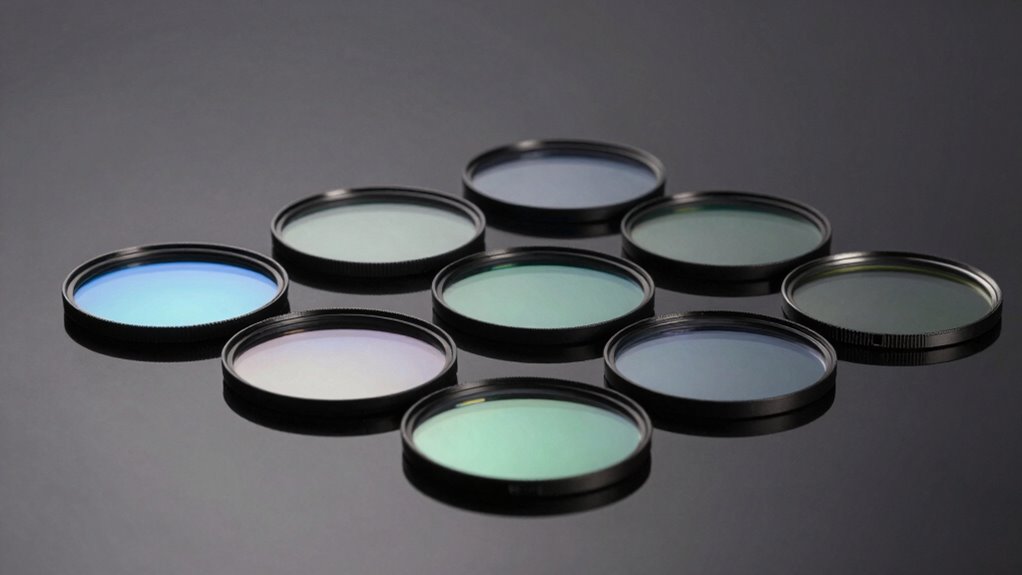
Choosing the right uvir cut filter for astrophotography can significantly improve image clarity by blocking unwanted UV and IR light, which can cause glare and color distortions. The Astromania 1.25″ IR/UV Blocking Filter stands out as the best overall for its balance of performance and affordability, especially for planetary imaging. The Optolong 2″ UV/IR Cut Filter offers excellent versatility for larger scopes, while the SVBONY 2-inch UV IR Cut Filter provides a reliable mid-range option. All these filters have tradeoffs, such as size compatibility and price, which are worth considering before purchasing. Continue reading for a detailed breakdown of each product and how to choose the best filter for your astrophotography setup.

Prime made for students and young adults
- Fast, free delivery for dorm and study essentials
- Prime Video and Amazon Music included
- Member-only deals
Key Takeaways
- The best filters strike a balance between blocking UV/IR light and maintaining brightness and color accuracy.
- Size compatibility (1.25″ vs 2″) is a crucial factor that impacts which filter fits your equipment.
- Premium options tend to offer better coatings and durability, but at a higher cost.
- Versatility for different telescope types and imaging setups varies across models and brands.
- Price often correlates with quality, but some mid-range filters provide excellent performance for their cost.
| Astromania 1.25″ IR/UV Blocking Filter – Sharp Planetary Imaging |  | Best for Planetary Imaging | Filter Diameter: 1.25 inches | Wavelength Range: 400-680nm | Material: Optically polished and coated | VIEW ON AMAZON | See Our Full Breakdown |
| OGMA UV/IR Cut Filter for Astrophotography – 2″ Mounted |  | Best for Versatile Deep-Sky and Visual Imaging | Diameter: 2 inches | Thread: M48x0.75 | Wavelength Cutoff: UV below 400nm, IR above 700nm | VIEW ON AMAZON | See Our Full Breakdown |
| SVBONY 2-inch UV IR Cut Filter |  | Best for High-Contrast Imaging and Protection | Filter Size: 2 inches | Material: Optical quality glass | Coating: Multi-coating with low reflection | VIEW ON AMAZON | See Our Full Breakdown |
| SVBONY UV IR Cut Telescope Filter 1.25″ |  | Best for Basic UV/IR Blocking and Lens Protection | Size: 1.25 inches | Material: Optical quality glass | Purpose: UV/IR blocking, lens protection | VIEW ON AMAZON | See Our Full Breakdown |
| Optolong 1.25″ UV/IR Cut Filter for CCD Digital Astrophotography |  | Best for Precision Wavelength Control | Transmission at 486nm: 96% | Transmission at 496nm: 2.95% | Transmission at 501nm: 3.92% | VIEW ON AMAZON | See Our Full Breakdown |
| Optolong UV/IR Cut Filter – 2″ |  | Best for Deep Sky Imaging with Small Telescopes | Transmission at 486nm (H-beta): 96% | Transmission at 496nm (OIII): 95% | Transmission at 501nm (OIII): 92.5% | VIEW ON AMAZON | See Our Full Breakdown |
| uvir cut filters for astrophotography | Material |
|---|---|
| Astromania 1.25" IR/UV Blockin | Optically polished and coated |
| OGMA UV/IR Cut Filter for Astr | — |
| SVBONY 2-inch UV IR Cut Filter | Optical quality glass |
| SVBONY UV IR Cut Telescope Fil | Optical quality glass |
| Optolong 1.25" UV/IR Cut Filte | — |
| Optolong UV/IR Cut Filter | High-quality optical glass |
More Details on Our Top Picks
Astromania 1.25″ IR/UV Blocking Filter – Sharp Planetary Imaging
This Astromania filter excels at sharpening planetary images by allowing only visible light between 400 and 680nm, effectively blocking UV and IR rays that cause blurring. Compared with the SVBONY 2-inch UV IR Cut Filter, it offers more precise wavelength control tailored specifically for planetary detail, but its limited use outside this niche means it’s less versatile for general astrophotography. Its high-quality optical coating ensures crisp, high-contrast images, yet its design is narrowly focused, making it less suitable for deep-sky or wide-field work. The aluminum housing adds durability, but compatibility depends on matching your camera or telescope setup.
Pros:- Sharpens planetary images by filtering specific visible light
- Blocks disruptive UV and IR rays for clearer detail
- High-quality coating and durable construction
Cons:- Limited to planetary imaging, not suitable for deep-sky or wide-field photography
- Requires compatible telescope or camera setup
Best for: Amateurs focused on planetary imaging who want sharp, detailed images with minimal setup fuss
Not ideal for: Astrophotographers aiming to capture deep-sky objects or wide-field landscapes, since this filter is optimized for planetary wavelengths
- Filter Diameter:1.25 inches
- Wavelength Range:400-680nm
- Material:Optically polished and coated
- Housing:Aluminium
Our verdict“This filter is best suited for planetary enthusiasts seeking to maximize image clarity at specific wavelengths.”
OGMA UV/IR Cut Filter for Astrophotography – 2″ Mounted
Compared with the SVBONY UV IR Cut Filter, the OGMA 2-inch filter provides a broader compatibility with both color and monochrome cameras, making it a flexible choice for general astrophotography. Its high transmission (>95%) within 420-690nm ensures most visible light passes through with minimal loss, which is crucial for capturing faint deep-sky objects. However, the requirement for a 2-inch mounted thread and potentially higher cost makes it less attractive for casual users on a budget. Its polished glass substrate and precise cutoff wavelengths help reduce diffraction artifacts, offering a noticeable improvement in image clarity over unfiltered setups.
Pros:- Effective UV/IR blocking across a broad spectrum
- Compatible with both color and monochrome imaging devices
- High transmission within visible light for bright, detailed images
Cons:- Requires compatible 2-inch threaded setup, limiting flexibility
- Higher price point may deter casual users
Best for: Experienced astrophotographers seeking an adaptable filter for a range of telescopes and cameras
Not ideal for: Beginners or casual observers who prefer plug-and-play solutions or have smaller setups
- Diameter:2 inches
- Thread:M48x0.75
- Wavelength Cutoff:UV below 400nm, IR above 700nm
- Transmission:> 95% within 420-690nm
- Glass Substrate:Polished to 1/4 wave, < 30 parallelism
Our verdict“This filter offers versatile, high-quality performance for dedicated deep-sky astrophotographers who need broad compatibility.”
SVBONY 2-inch UV IR Cut Filter
Compared to the OGMA filter, the SVBONY 2-inch UV IR Cut Filter emphasizes durability and broad compatibility, making it a reliable choice for protecting your optical system while improving contrast. Its multi-coating reduces reflections, resulting in sharper, more natural images, ideal for digital sensors. However, the absence of specific wavelength control means it’s less suited for specialized imaging tasks, and it requires compatible 2-inch filter threads. Its built-in protective feature makes it an attractive option for those who want one filter that can serve multiple purposes without sacrificing image quality.
Pros:- Blocks UV and IR rays for higher contrast images
- Multi-coating reduces reflections and enhances sharpness
- Acts as a durable lens protector
Cons:- Limited to general UV/IR filtering, no specific wavelength targeting
- Requires compatible 2-inch filter threads
Best for: Photographers seeking a durable, all-around UV/IR filter that doubles as a lens protector
Not ideal for: Users needing precise wavelength filtering for narrowband imaging or specialized planetary work
- Filter Size:2 inches
- Material:Optical quality glass
- Coating:Multi-coating with low reflection
- Compatibility:Telescope eyepieces, DSLR, CCD, Webcams
Our verdict“This filter is well-suited for those who want reliable UV/IR blocking combined with physical protection for their optical gear.”
SVBONY UV IR Cut Telescope Filter 1.25″
Offering similar functionality to the Astromania filter, the SVBONY 1.25″ UV IR Cut Filter provides essential UV and IR blocking at a more accessible price point. Its optical quality glass and durable construction make it a dependable option for general use, but it lacks the wavelength precision of specialized filters like the Optolong or OGMA models. Its compatibility with a range of accessories makes it versatile, yet for advanced astrophotography, especially those requiring narrowband filtering, it might fall short. It’s a practical choice for beginners or those seeking basic UV/IR blocking without extra bells and whistles.
Pros:- Blocks UV and IR light for sharper images
- Durable optical glass with protection features
- Compatible with many accessories and setups
Cons:- No wavelength specificity, less control over filtering
- Limited to basic UV/IR blocking needs
Best for: Beginners or casual astrophotographers needing affordable UV/IR filtering and lens protection
Not ideal for: Advanced users requiring narrowband or highly specific wavelength filtering for detailed astrophotography
- Size:1.25 inches
- Material:Optical quality glass
- Purpose:UV/IR blocking, lens protection
Our verdict“This filter is ideal for entry-level astrophotographers focused on improving contrast without complicated features.”
Optolong 1.25″ UV/IR Cut Filter for CCD Digital Astrophotography
Compared with general-purpose filters like the SVBONY model, the Optolong 1.25″ UV/IR Cut Filter stands out for its high transmission at specific wavelengths, such as 486nm and 656nm, making it especially effective for capturing emission lines in nebulae and other targets. Its high durability and scratch-resistant coating ensure long-term performance, but its low transmission at some wavelengths (like 496nm and 501nm) limits its versatility for broader imaging. This filter is tailored for astrophotographers who prioritize precise wavelength filtering for narrowband work, yet it’s less suitable for general wide-field or visual use.
Pros:- High transmission at key wavelengths for nebula imaging
- Scratch-resistant, durable construction
- Compatible with a range of telescopes and filters
Cons:- Very low transmission at some wavelengths limits versatility
- Designed specifically for narrowband imaging, not broad-spectrum use
Best for: Astrophotographers focused on narrowband imaging and emission-line observations requiring precise wavelength control
Not ideal for: Casual or wide-field astrophotographers who need broad-spectrum coverage or versatile use
- Transmission at 486nm:96%
- Transmission at 496nm:2.95%
- Transmission at 501nm:3.92%
- Transmission at 656nm:98%
- Wavelength Range:450-520nm and above 620nm
- Glass Thickness:1.85mm
Our verdict“This filter is perfect for targeted narrowband astrophotography where wavelength precision is paramount.”
Optolong UV/IR Cut Filter – 2″
The Optolong 2″ UV/IR Cut Filter stands out for its high transmission rates at crucial wavelengths like H-beta and H-alpha, making it ideal for enhancing contrast in deep sky astrophotography. Compared to the SVBONY 2-inch UV IR Cut Filter, it offers slightly higher light transmission and better durability, thanks to its scratch-resistant and humidity-proof design. However, unlike some more versatile filters, this one is highly specialized for astrophotography and not suitable for visual use. Its parfocal compatibility with other Optolong filters allows seamless filter switching without refocusing, saving time during imaging sessions. The main tradeoff is that it requires a compatible 2″ filter wheel, which may add to the setup complexity for beginners or those with smaller mounts. Overall, this filter provides excellent clarity and contrast for dedicated deep sky imaging, especially for small telescope users willing to invest in a high-quality optical setup.
Pros:- High transmission rates at key wavelengths like H-beta and H-alpha for crisp images
- Durable, scratch-resistant, and humidity-proof construction enhances longevity
- Parfocal design enables quick filter changes without refocusing
- Optimized for CCD digital astrophotography
Cons:- Limited to optical wavelengths, not suitable for visual observations
- Requires a compatible 2″ filter wheel or holder, adding to setup complexity
- Specific to astrophotography, not a versatile filter for general use
Best for: Astrophotographers using small telescopes who prioritize high contrast and clarity for deep sky imaging.
Not ideal for: Visual observers or casual stargazers who need a filter for live viewing or broader wavelength coverage.
- Transmission at 486nm (H-beta):96%
- Transmission at 496nm (OIII):95%
- Transmission at 501nm (OIII):92.5%
- Transmission at 656nm (H-alpha):98%
- Wavelength passbands:450-520nm and 620nm+
- Glass thickness:1.85mm
- Material:High-quality optical glass
- Compatibility:Parfocal with other Optolong filters
Our verdict“This filter makes the most sense for dedicated deep sky astrophotographers with small telescopes seeking maximum contrast and durability.”

How We Picked
These products were evaluated based on their optical performance, build quality, compatibility with common astrophotography setups, and value for money. We prioritized filters that effectively block UV and IR light without significantly reducing brightness or color fidelity. Durability and ease of installation also played key roles, especially for amateur astronomers with varying levels of experience. The filters were ranked by their overall performance-to-price ratio, with special consideration for versatility and long-term usability in different astrophotography conditions.| uvir cut filters for astrophotography | Material |
|---|---|
| Astromania 1.25" IR/UV Blockin | Optically polished and coated |
| OGMA UV/IR Cut Filter for Astr | — |
| SVBONY 2-inch UV IR Cut Filter | Optical quality glass |
| SVBONY UV IR Cut Telescope Fil | Optical quality glass |
| Optolong 1.25" UV/IR Cut Filte | — |
| Optolong UV/IR Cut Filter | High-quality optical glass |
Factors to Consider When Choosing Uvir Cut Filters For Astrophotography
When selecting a uvir cut filter for astrophotography, it’s important to consider several factors that impact image quality and compatibility. The right filter can enhance contrast and detail, but choosing the wrong one may introduce unwanted color shifts or reduce brightness. Understanding these key criteria will help you make a more informed decision and avoid common pitfalls in filter selection.Compatibility with Your Telescope and Camera
Ensure the filter size matches your telescope’s focuser or camera thread. Common sizes are 1.25″ and 2″, and using a mismatched filter can cause vignetting or installation issues. Some filters include adapters or multi-size options, which increase versatility, especially if you plan to upgrade your equipment later.
Optical Coating and Blockage Efficiency
The primary purpose of a uvir cut filter is to block unwanted UV and IR light while allowing visible wavelengths to pass through. Look for filters with high-quality dielectric coatings for better light transmission and durability. Check the filter’s spectral profile to ensure it effectively blocks the problematic wavelengths common in astrophotography.
Impact on Image Brightness and Color Fidelity
Filters that excessively attenuate light can make images darker and require longer exposures, which may introduce noise. Conversely, poorly designed filters can distort colors or reduce contrast. The goal is a filter that improves contrast without sacrificing natural color representation or overall brightness.
Durability and Ease of Maintenance
Astrophotography filters are exposed to dust, moisture, and handling. Select models with robust coatings that resist scratches and smudges. Easy cleaning and compatibility with standard cleaning solutions help maintain optical performance over time, especially for long-term use.
Price and Long-Term Value
While premium filters tend to deliver better performance and durability, they come at a higher cost. Mid-range options often provide excellent value for amateurs, but be cautious of very cheap filters that may underperform or degrade quickly. Consider your budget alongside the features offered to find the best long-term investment.
Frequently Asked Questions
Can I use a UV/IR cut filter with my DSLR for astrophotography?
Yes, many UV/IR cut filters are compatible with DSLR cameras and can significantly improve astrophotography results by reducing glare and color distortions caused by unwanted wavelengths. Make sure to select a filter with the right thread size for your camera lens or telescope. Keep in mind that some filters may slightly reduce overall brightness, so choose one that balances blocking unwanted light with maintaining enough exposure capability.
Is a 1.25″ or 2″ filter better for astrophotography?
The choice depends on your equipment. 1.25″ filters are suitable for smaller telescopes and camera setups, offering easier handling and compatibility. 2″ filters are ideal for larger scopes and imaging setups that require a wider field of view. Larger filters generally provide more versatility but may require adapters or additional mounting hardware. Always match the filter size with your equipment to avoid vignetting or installation issues.
How much does a good uvir cut filter improve image quality?
A high-quality uvir cut filter can dramatically increase contrast and detail in your astrophotos by removing stray UV and IR light that causes haze and glare. While it won’t turn a mediocre image into a perfect one, it reduces distortions and enhances the clarity of planets, stars, and deep-sky objects. The real benefit depends on the existing optical quality of your setup and the specific wavelengths the filter blocks effectively.
Are expensive filters worth the extra cost?
Higher-priced filters often feature better coatings, more durable materials, and tighter manufacturing tolerances, which can translate into improved image quality and longevity. For serious astrophotographers or those working in challenging conditions, investing in a premium filter can be justified by the better performance and reduced maintenance. However, mid-range filters often provide excellent results for casual or beginner astrophotography at a more accessible price point.
Can I use multiple filters together for better results?
Using multiple filters can sometimes improve image quality but often introduces complexity, such as increased light loss or potential for optical misalignment. It’s generally better to select a high-quality, single uvir cut filter optimized for your specific needs. If you decide to combine filters, ensure they are compatible and that stacking does not significantly reduce brightness or cause vignetting, which could undermine your imaging quality.
Conclusion
For most amateur astronomers looking for a reliable, all-around performer, the Astromania 1.25″ IR/UV Blocking Filter offers excellent value and compatibility. Those with larger telescopes or imaging setups might prefer the Optolong 2″ UV/IR Cut Filter for its versatility and coverage. Beginners should consider simpler, more affordable options, while advanced users or those seeking maximum durability may find investing in premium filters worthwhile. Ultimately, your choice depends on your equipment, budget, and imaging goals, but this list provides a solid foundation for making an informed decision.
Halloween Picks
halloween
As an affiliate, we earn on qualifying purchases.