
TL;DR
Scientists from UNAM have created new antibiotics derived from scorpion venom and habanero peppers. These compounds show effectiveness against resistant bacteria like tuberculosis, Staphylococcus aureus, and Pseudomonas aeruginosa. The research is in early stages, with clinical trials next.
Researchers from the National Autonomous University of Mexico (UNAM) have developed new antibiotics from scorpion venom and habanero peppers, showing promising activity against resistant bacteria such as tuberculosis and Pseudomonas aeruginosa. These findings could offer new solutions to combat antibiotic-resistant infections, a growing global health threat.
The UNAM team, led by Lourival Domingos Possani Postay, isolated two molecules called benzoquinones from the venom of the scorpion Diplocentrus melici, native to Veracruz. One blue molecule was effective against Mycobacterium tuberculosis, the bacteria causing tuberculosis, while the red molecule targeted Staphylococcus aureus, a common hospital-acquired pathogen. These molecules were synthesized in the laboratory and tested successfully in mouse models, with the blue benzoquinone showing high efficacy against tuberculosis.
In addition, the same blue compound was found to eliminate other bacteria, including Acinetobacter baumannii, a highly resistant pathogen linked to hospital infections. The molecules have been patented in Mexico and South Africa. Researchers are now working on nanoparticle-based stabilizers to enable safe administration in humans. The next step involves conducting clinical trials, though funding remains a challenge, and collaboration with a pharmaceutical company is being sought.
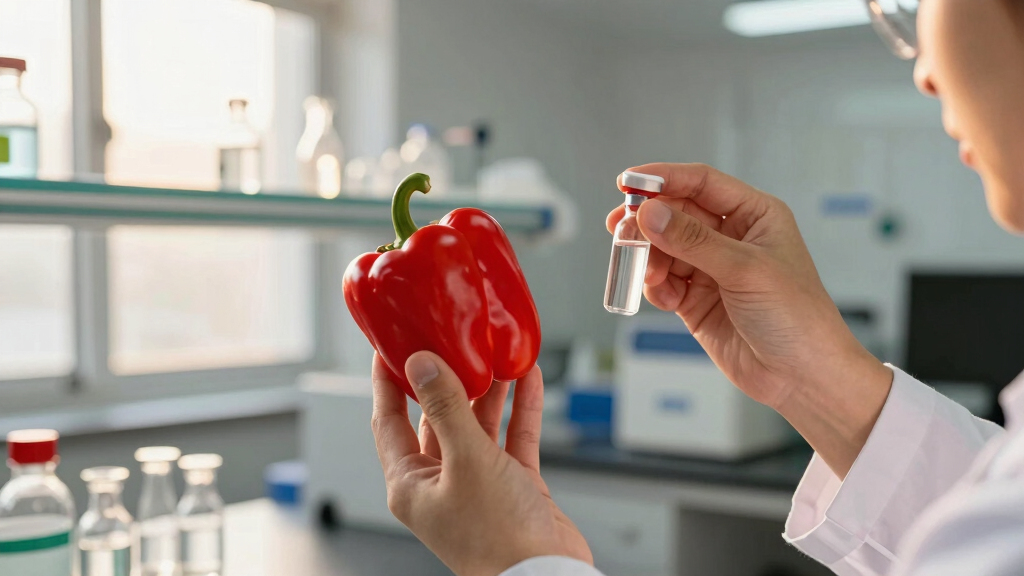
Separately, another UNAM team identified a peptide called defensin J1-1 in habanero peppers, which has activity against Pseudomonas aeruginosa, a high-priority resistant pathogen according to WHO. They developed a biotechnological process to produce a drug called XisHar J1-1, derived from genetically modified bacteria. This peptide has shown promise in laboratory tests against bacterial and fungal infections, with potential for large-scale production.
Why It Matters
This research offers a new avenue in the fight against antibiotic-resistant bacteria, which pose a significant global health threat. Developing antibiotics from natural sources like scorpion venom and habanero peppers could expand the arsenal of effective treatments, especially as resistance to existing drugs grows. If successful through clinical trials, these compounds could lead to new, more sustainable antibiotics, reducing the impact of resistant infections worldwide.

Antibiotics for Dogs,Natural Antibiotics for Dogs,Pet Antibiotic,Supplement for Urinary Tract Support, Digestion & Skin Health,Dog Allergy and Itch,Natural Herbal Supplement
- All-Natural Dog Antibiotic: Gentle support for common issues
- Safe, Cruelty-Free Formula: Suitable for all breeds and ages
- Made with Herbal Ingredients: Includes Echinacea, Wormwood, Oregano
As an affiliate, we earn on qualifying purchases.
As an affiliate, we earn on qualifying purchases.
Background
Antibiotic resistance is a mounting crisis, with bacteria like Mycobacterium tuberculosis, Staphylococcus aureus, and Pseudomonas aeruginosa increasingly unresponsive to current treatments. Traditional drug development has slowed, prompting scientists to explore natural compounds and biotechnological methods. Previous research has identified various natural peptides and toxins as potential antibiotics, but translating these into usable drugs remains challenging. The UNAM studies build on this trend by isolating specific molecules from venom and peppers with demonstrated activity against resistant bacteria, representing a promising frontier in antimicrobial research.
“Our findings open new possibilities for developing effective antibiotics from natural sources, especially against resistant bacteria.”
— Lourival Domingos Possani Postay
“The blue benzoquinone showed high efficacy in mouse models, indicating strong potential for treating tuberculosis in humans.”
— Rogelio Hernández Pando
“The habanero-derived peptide could provide a new weapon against resistant Pseudomonas infections, especially in immunocompromised patients.”
— Gerardo Corzo Burguete
natural antibacterial peptides from peppers
As an affiliate, we earn on qualifying purchases.
As an affiliate, we earn on qualifying purchases.
What Remains Unclear
It is not yet clear how these compounds will perform in human clinical trials, or what safety profiles they will exhibit. Funding and regulatory approval are still hurdles to be overcome. Additionally, the long-term effectiveness and potential resistance development remain unknown as research progresses.

Scorpion Venom Cam/Serving Lube
- Package Length: 14.48 cm
- Package Width: 9.14 cm
- Package Height: 1.02 cm
As an affiliate, we earn on qualifying purchases.
As an affiliate, we earn on qualifying purchases.
What’s Next
The immediate next step is to conduct clinical trials to evaluate safety and efficacy in humans. Researchers are also working on nanoparticle stabilization techniques to improve delivery. Partnerships with pharmaceutical companies are being sought to facilitate large-scale production and distribution.

Silver Biotics Patented Multivalent SilverSol Technology | Ag₄O₄ 10 PPM Immune Support | Bio-Hacking Immune Building Natural Support | 8 Fl Oz
- Immune Support with SilverSol Technology: Boosts immune system with 10 ppm silver
- Suitable for All Ages: Safe for children and adults daily
- Pure and Natural: No artificial ingredients or preservatives
As an affiliate, we earn on qualifying purchases.
As an affiliate, we earn on qualifying purchases.
Key Questions
How effective are these new antibiotics compared to existing ones?
Initial laboratory and animal studies show promising activity against resistant bacteria, but their effectiveness in humans remains to be confirmed through clinical trials.
Are these compounds safe for human use?
Safety profiles are currently under investigation. The compounds have shown effectiveness in animal models, but human safety assessments are still pending.
When might these antibiotics be available in hospitals?
If clinical trials are successful and regulatory approval is obtained, it could take several years before these antibiotics are available for widespread medical use.
Could bacteria develop resistance to these new antibiotics?
While the potential exists, ongoing research aims to understand resistance mechanisms and develop strategies to minimize this risk.