
TL;DR

Prime made for students and young adults
- Fast, free delivery for dorm and study essentials
- Prime Video and Amazon Music included
- Member-only deals
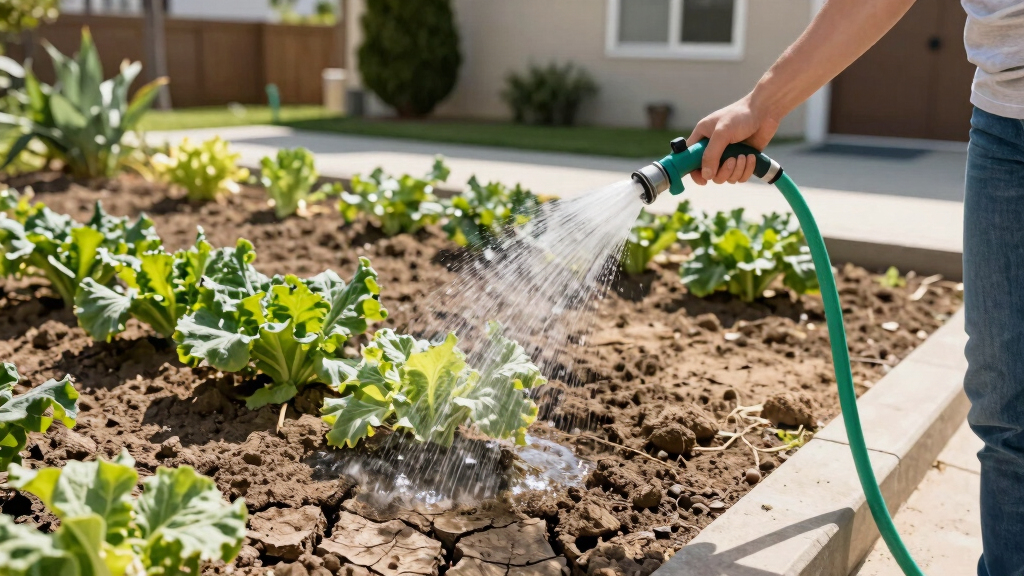
A recent report indicates that over 60% of the United States is experiencing drought conditions, with more than 20% in extreme drought. The drought is linked to an unusual La Niña event and climate warming, affecting water resources and agriculture. Relief is uncertain in the near term.
More than 60 percent of the United States is experiencing drought conditions, with over 20 percent classified as extreme drought, according to climate experts. This widespread dryness affects water resources, agriculture, and ecosystems across multiple regions, driven by an unusual La Niña event and climate warming.
Andrew Ellis, a climatologist at Virginia Tech, explained that the current drought conditions are among the worst in decades due to the combination of intensity and aerial coverage. He noted that the atypical La Niña this past fall and winter caused dryness across the southern U.S., but also affected the Pacific Northwest, which is usually spared during such events. Typically, La Niña shifts storm tracks northward, reducing precipitation in the southern states, but this year’s pattern was unusual, with persistent dryness in the northwest as well.
Ellis highlighted that climate warming exacerbates drought effects by increasing evaporation rates, leading to greater soil moisture loss. The most impacted areas include Colorado and the Southeast, particularly Georgia and Florida, where widespread extreme and exceptional drought conditions are reported. Regions from New Jersey to Arkansas, which rely on Gulf and Atlantic moisture, have seen diminished rainfall, while the Ohio Valley has remained comparatively wetter and drought-free so far this year.
Why It Matters
This extensive drought has significant implications for water supplies, agriculture, and ecosystems across the U.S. It threatens crop yields, increases wildfire risk, and strains water management systems, especially in the hardest-hit regions like Colorado and the Southeast. Understanding these conditions is crucial for planning and mitigation efforts, especially as climate warming intensifies drought severity and duration.
As an affiliate, we earn on qualifying purchases.
Background
The current drought is linked to an atypical La Niña event that developed last fall and winter. Normally, La Niña causes storm tracks to shift northward, reducing rainfall in the southern U.S., but this year’s pattern was unusual, with persistent dryness in the Pacific Northwest as well. Climate scientists have warned that warming temperatures are likely to worsen drought impacts, even if precipitation patterns change in future seasons.
“While precipitation remains the primary driver of drought, increased air temperatures lead to greater water loss from the soil through evapotranspiration, intensifying the effects of dry spells.”
— Andrew Ellis, climatologist at Virginia Tech
“The most significant relief often comes from late summer or early fall tropical systems, though these carry risks of damaging winds and too much rainfall in a short period of time.”
— Andrew Ellis, Virginia Tech
portable water filter for drought
As an affiliate, we earn on qualifying purchases.
As an affiliate, we earn on qualifying purchases.
What Remains Unclear
It remains uncertain how long the drought conditions will persist, especially as climate patterns evolve. The potential for a historic El Niño next fall and winter could alter the current drought trajectory, but specific impacts are still developing and depend on future atmospheric conditions.
As an affiliate, we earn on qualifying purchases.
What’s Next
Monitoring agencies will continue to track drought progression through summer and fall. The possibility of tropical systems providing relief exists but carries risks. Researchers and policymakers will focus on water management strategies and climate adaptation measures in the coming months.
emergency water storage container
As an affiliate, we earn on qualifying purchases.
As an affiliate, we earn on qualifying purchases.
Key Questions
What regions are most affected by the drought?
The most impacted areas include Colorado, Georgia, Florida, and regions from New Jersey to Arkansas, with widespread drought in the southeastern U.S. and the Rocky Mountains.
Will there be drought relief soon?
Relief is uncertain; summer tropical systems may provide some rainfall, but their effectiveness is unpredictable, and relief in the Rocky Mountains depends on winter snowpack and storm activity.
What caused this widespread drought?
An atypical La Niña event last fall and winter, combined with climate warming, has led to persistent dryness across large parts of the U.S.
How might climate change affect future droughts?
Climate warming is likely to intensify drought impacts by increasing evaporation rates and altering precipitation patterns, making droughts more severe and prolonged.
Fall Picks
fall essentials
As an affiliate, we earn on qualifying purchases.