TL;DR

Prime made for students and young adults
- Fast, free delivery for dorm and study essentials
- Prime Video and Amazon Music included
- Member-only deals
As of June 26, the Moon is in the Waxing Gibbous phase with 88% illumination. This phase offers a prime opportunity for moon-gazing before the Full Moon on June 29. Confirmed observations are based on NASA data.
On June 26, the Moon is in the Waxing Gibbous phase with 88% of its surface illuminated, according to NASA. This phase, just days before the Full Moon on June 29, is confirmed by recent lunar observations and provides a notable opportunity for moon-gazing.
NASA’s Daily Moon Guide confirms that on June 26, the Moon’s illumination is at 88%, clearly in the Waxing Gibbous phase. This stage occurs as the Moon approaches the Full Moon, which will occur on June 29, offering a bright and prominent view of lunar features.
During this phase, prominent lunar features such as the Mares Crisium and Imbrium, along with the Copernicus Crater, are visible to the naked eye. Binoculars can reveal additional features like the Clavius Crater and the Apennine Mountains, while telescopes can show even more detail, including the Rima Ariadaeus and the Apollo 17 landing site.
These observations are based on data from NASA’s lunar tracking and imaging resources, confirming the current lunar phase and illumination percentage.
Implications of the Current Moon Phase for Observers
The Waxing Gibbous phase, with nearly 90% illumination, allows for detailed lunar observation and photography. It provides a clear view of lunar surface features without the brightness of a full Moon, which can sometimes obscure details. This phase also indicates that the Full Moon is approaching, which is relevant for various observational activities.
Understanding the current lunar phase can assist amateur astronomers and skywatchers in planning their observations, especially with the Full Moon on June 29 expected to be particularly bright and prominent.
As an affiliate, we earn on qualifying purchases.
Current Lunar Cycle and Upcoming Full Moon
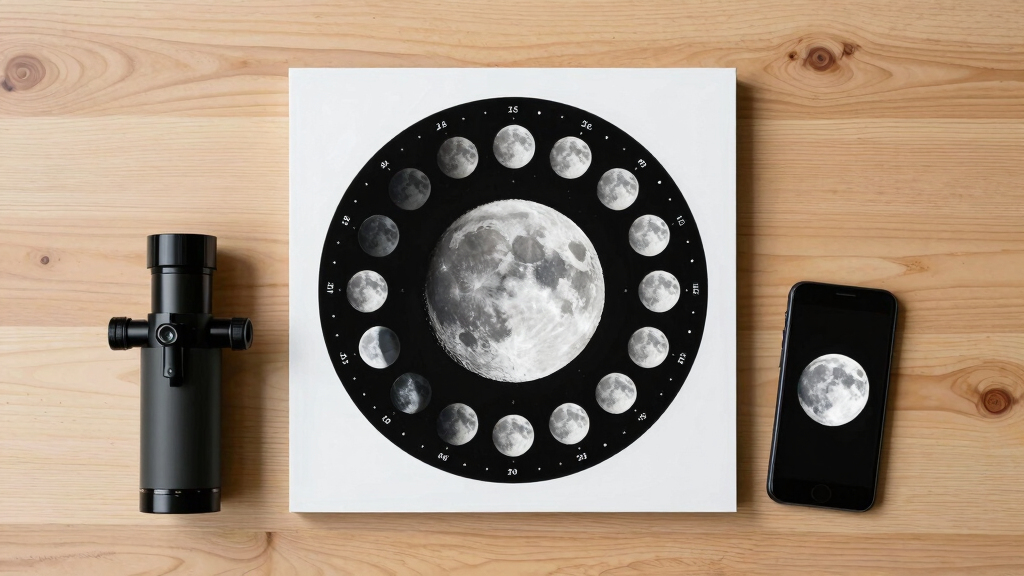
The Moon completes its approximately 29.5-day lunar cycle with eight phases, transitioning from New Moon to Full Moon and back. As of June 26, the Moon is nearing the Full Moon, scheduled for June 29. The Waxing Gibbous phase, characterized by more than half of the Moon being illuminated, is a key stage in this cycle.
This cycle has been consistent over centuries, with NASA and other lunar observation agencies tracking these phases accurately. The upcoming Full Moon will be the culmination of this cycle, presenting a fully illuminated lunar disk visible throughout the night.
Earlier phases this month included the First Quarter and the Waxing Crescent, with the Moon gradually increasing in illumination since the New Moon.
“The Waxing Gibbous phase offers good visibility of lunar features before the Full Moon.”
— an anonymous researcher
As an affiliate, we earn on qualifying purchases.
Remaining Questions About Lunar Visibility
While the current phase and illumination are confirmed, visibility of lunar features can vary due to local weather conditions and atmospheric clarity. The exact timing of the peak illumination on June 29 may also differ slightly based on observational factors.
It remains uncertain how atmospheric conditions will influence moon-gazing in different regions during this period.
As an affiliate, we earn on qualifying purchases.
Upcoming Lunar Events and Observation Opportunities
The next major lunar event is the Full Moon on June 29, which will be fully illuminated and visible throughout the night. Observers are encouraged to view the Moon during the Waxing Gibbous phase in the days leading up to this event to observe surface details.
Following the Full Moon, the lunar cycle will progress through the Waning Gibbous and Third Quarter phases, with the New Moon occurring around July 17, providing additional opportunities for lunar observation and astrophotography.
As an affiliate, we earn on qualifying purchases.
Key Questions
What is the current phase of the Moon?
The Moon is currently in the Waxing Gibbous phase with 88% illumination, as of June 26.
When is the next Full Moon?
The next Full Moon will occur on June 29.
How can I observe lunar features tonight?
Without visual aids, features like the Mares Crisium and Imbrium are visible. Binoculars can reveal additional features such as the Clavius Crater and the Apennine Mountains. Telescopes can show more detail, including the Rima Ariadaeus and the Apollo 17 landing site.
Why does the Moon appear different throughout the month?
The changing appearance of the Moon results from its relative position to Earth and the Sun, causing varying illumination during its approximately 29.5-day lunar cycle.
Will weather affect moon-gazing tonight?
Weather conditions such as clouds or haze can impact visibility, regardless of the lunar phase and illumination.
Source: Google Trends
Fall Picks
fall essentials
As an affiliate, we earn on qualifying purchases.