
TL;DR

Prime made for students and young adults
- Fast, free delivery for dorm and study essentials
- Prime Video and Amazon Music included
- Member-only deals
NASA’s Swift Boost Mission aims to extend the life of the Swift Observatory, which has been studying gamma-ray bursts and other cosmic explosions for over two decades. This innovative maneuver could revolutionize how we keep space telescopes operational and improve our grasp of high-energy astrophysics.
Imagine a cosmic fireworks display so intense that it lights up the universe. Now imagine a space telescope that’s been capturing these flashes for over 20 years, slowly losing altitude and clarity. NASA’s latest move? A daring ‘boost’ to keep the show going.
The Swift Boost Mission isn’t just about extending a satellite’s lifespan — it’s about unlocking more secrets from the universe’s most energetic explosions. In this article, we’ll unravel what this mission involves, why it’s a game-changer, and how it could shape future space science.
The Swift Boost Mission could extend a key space telescope’s life, allowing scientists to gather more data on cosmic explosions.
Using a small, dedicated spacecraft for orbital boosts could cut costs and risks compared to traditional repair missions.
This approach marks a new era in satellite maintenance, potentially revolutionizing how we keep space assets operational.
Extended observations could unlock new insights into black holes, neutron stars, and the origins of the universe’s most energetic events.
Amateur astronomers can tune into cosmic fireworks by following alerts and using long focal length telescopes.
Why NASA is Giving the Swift Observatory a Second Chance
NASA’s Swift Observatory has been a cosmic detective since 2004, catching gamma-ray bursts and other fleeting high-energy events. But like all satellites, its orbit gradually decays due to atmospheric drag. Without intervention, it would drift away, losing valuable sightlines on the universe’s most violent explosions.
The Swift Boost Mission is a first — a dedicated effort to physically lift the satellite back to a higher orbit. Think of it like giving an aging astronaut a new pair of jet boots to keep exploring. This maneuver could add years to Swift’s scientific life, meaning more data, more discoveries, and more cosmic fireworks captured.
Extending the orbit isn’t just about longevity; it ensures the observatory maintains optimal positioning for detecting transient, high-energy phenomena. As satellites age, their ability to accurately point and stabilize diminishes, risking gaps in data collection. By boosting Swift, NASA preserves its capability to monitor rapid cosmic events, which are often unpredictable and short-lived. This prolongs the mission’s scientific relevance and maximizes the return on the original investment, while also reducing the need for costly replacements that would generate additional space debris. The tradeoff, however, involves the technical risks and costs associated with executing such precise orbital maneuvers in space, which NASA has carefully evaluated to ensure the benefits outweigh potential setbacks.
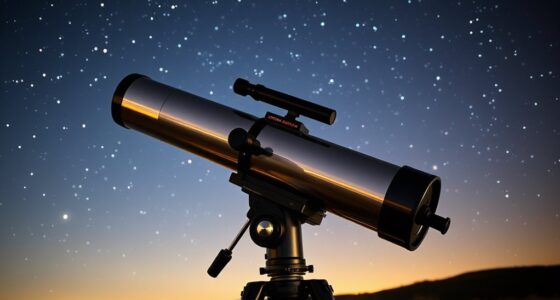
long focal length telescope for astrophotography
As an affiliate, we earn on qualifying purchases.
As an affiliate, we earn on qualifying purchases.
How the Swift Boost Works — The Tech That Makes It Possible
The core of this mission is a small, specialized spacecraft called Katalyst’s LINK, launched on July 3, aboard a Northrop Grumman Pegasus XL rocket. This spacecraft is designed to rendezvous with Swift and perform a precise orbital insertion maneuver, something that’s never been attempted before on a satellite of this kind.
In simple terms, LINK approaches Swift, attaches, and then uses onboard thrusters to gently push Swift into a higher orbit. This process, called a ‘gravity assist’ in space terms, requires meticulous planning and ultra-precise navigation — imagine threading a needle from hundreds of miles away.
Here are the key features that make this possible:
- Autonomous rendezvous technology
- High-precision thrusters for gentle pushes
- Real-time navigation adjustments using onboard sensors
- Advanced communication links to monitor progress
This innovative approach not only demonstrates a new way to maintain critical space assets but also reduces the need for costly, risky crewed missions or complex robotic servicing missions. The tradeoff involves the technological challenge of guaranteeing safe rendezvous and precise orbital insertion without human intervention, which necessitates cutting-edge autonomy and control systems. Success here could establish a new standard for satellite longevity strategies, reducing costs and risks associated with traditional repair missions, but it also requires rigorous testing and validation to ensure reliability in the harsh environment of space.
amateur telescope for observing cosmic explosions
As an affiliate, we earn on qualifying purchases.
As an affiliate, we earn on qualifying purchases.
What Makes This Boost Different from Past Space Repairs
| Feature | Traditional Space Repairs | Swift Boost Approach |
|---|---|---|
| Method | Robotic arms, spacewalks, or cargo missions | Autonomous rendezvous and orbital push |
| Cost | Hundreds of millions per missionPotentially lower, due to dedicated small spacecraft | |
| Frequency | Rare, expensive, complex | More frequent, adaptable for various satellites |
| Risk | High — human involvement or complex robotics | Lower — automated, precise maneuvers |
This comparison shows how the Swift Boost method could revolutionize satellite maintenance, making it faster, cheaper, and safer than traditional space repair missions. By reducing reliance on large, costly crewed missions or complex robotic servicing, this approach can significantly extend the functional lifespan of satellites, thereby maximizing scientific return on investment and minimizing space debris generation. It also opens opportunities for more routine, scalable maintenance that could keep pace with the increasing number of satellites orbiting Earth. Moreover, the ability to perform orbital boosts autonomously could enable ongoing servicing and refueling missions, addressing the growing issue of space debris and satellite obsolescence in a sustainable manner. However, it’s important to acknowledge that this technology still faces hurdles, such as ensuring absolute safety during rendezvous and orbital insertion, and the need for robust autonomous control systems to prevent collisions or failures.
As an affiliate, we earn on qualifying purchases.
What This Means for Astronomy and Space Science
Keeping Swift alive means more than just a longer mission. It’s about continuing to monitor some of the universe’s most explosive phenomena, like gamma-ray bursts that last mere seconds but can outshine entire galaxies.
Extended operations could lead to breakthroughs in understanding black hole formation, neutron star collisions, and the origins of cosmic rays. These are fundamental questions that have puzzled scientists for decades, and longer observational periods increase the likelihood of catching rare and transient events. Furthermore, maintaining existing telescopes through orbital boosts reduces the need for costly replacements and minimizes space debris, aligning with sustainable space exploration goals. This approach exemplifies a shift toward more resilient and adaptable space infrastructure, which is vital as our reliance on space-based science grows. Ultimately, extending Swift’s mission could redefine our ability to probe the universe’s most energetic and fleeting phenomena, potentially leading to paradigm-shifting discoveries that change our understanding of cosmic evolution.
Additionally, the ability to extend the operational lifespan of space-based observatories through orbital adjustments offers a strategic advantage. It allows scientists to adapt to new research priorities or to respond quickly to unexpected cosmic events, maximizing the scientific return on existing assets. This flexibility is crucial as the pace of discovery accelerates and as the cost and complexity of deploying new missions increase. The implications extend beyond individual telescopes, hinting at a future where space infrastructure is more dynamic and sustainable, reducing costs and environmental impact while expanding our cosmic horizons.
high-energy astrophysics binoculars
As an affiliate, we earn on qualifying purchases.
As an affiliate, we earn on qualifying purchases.
How You Can Watch the Cosmic Fireworks from Your Backyard
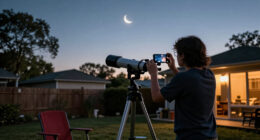
While this mission is happening hundreds of miles above, you can still catch some of the universe’s fireworks from your backyard telescope. The key is targeting the right time and gear.
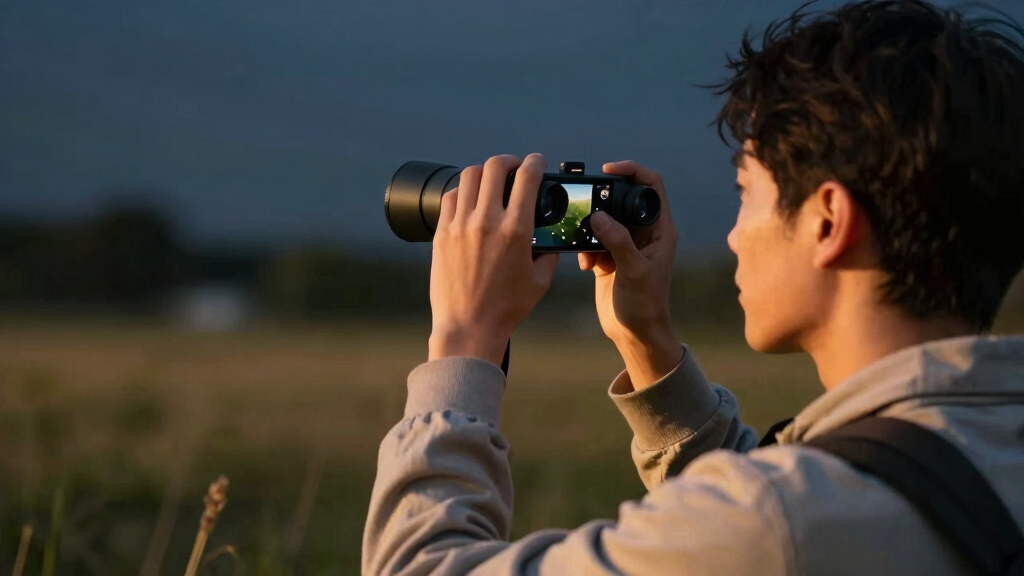
On clear nights, look for bright, fast-moving flashes in the sky — those could be distant gamma-ray bursts or supernova remnants. Use a telescope with a long focal length (at least 800mm) for detailed views of these fleeting events. A sturdy tripod, a fast shutter, and patience are your best friends.
Pro tip: Use apps or online alerts from NASA or astronomy communities to know when high-energy events might be visible in your region. Seeing a cosmic explosion unfold, even indirectly, makes the distance feel a lot smaller and connects you personally to these distant, energetic phenomena. Remember, while you won’t see gamma-ray bursts directly—since they emit mostly in gamma-ray wavelengths—observing supernova remnants and bright flashes can still offer a glimpse into the universe’s most spectacular displays. Your observations can contribute to citizen science projects or simply deepen your appreciation for the dynamic cosmos that surrounds us.
Frequently Asked Questions
Why does the Swift Observatory need a boost?
Over time, atmospheric drag causes satellite orbits to decay. Boosting Swift raises it back to an optimal altitude, prolonging its ability to observe high-energy cosmic events.
How does the orbital boost work technically?
A small spacecraft approaches Swift and uses precise thrusters to gently push it into a higher orbit. This process involves advanced navigation and autonomous control to ensure accuracy and safety.
Will this boost extend Swift’s mission for many years?
Yes, if successful, it could double or even triple Swift’s operational lifetime, allowing scientists to continue collecting valuable data on the universe’s most energetic phenomena.
Could this technology be used for other satellites?
Absolutely. The techniques developed here could be adapted for future missions, reducing costs and risks associated with satellite maintenance and extending their scientific usefulness.
How can I see cosmic explosions from Earth?
While you won’t see gamma-ray bursts directly, you can observe supernova remnants and bright flashes in the sky with a long focal length telescope and stay updated on alerts from NASA or astronomy apps.
Conclusion
This mission highlights how bold engineering can keep our window to the universe open longer. It’s a reminder that even in space, sometimes all you need is a clever push to keep exploring.
Next time you see a bright flash in the night sky, think of the millions of miles and high-tech maneuvers that help us understand it. It’s cosmic fireworks, and we’re all part of the show.
Fall Picks
fall essentials
As an affiliate, we earn on qualifying purchases.
![Terence Tao: Math 2.0 [Pdf]](https://astrophotographyhq.com/wp-content/uploads/2026/10/terence-tao-math-2-0-pdf-featured-260x140.jpg)