
TL;DR

Prime made for students and young adults
- Fast, free delivery for dorm and study essentials
- Prime Video and Amazon Music included
- Member-only deals
The FCC has approved a test of a space mirror designed to reflect sunlight and brighten the night sky. The project is in early stages and raises questions about environmental impact and technological feasibility.
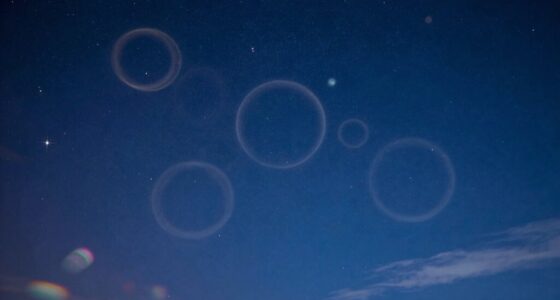
The Federal Communications Commission (FCC) has approved a proposal to conduct a test of a space-based mirror that aims to reflect sunlight and increase illumination of the night sky. This marks a significant regulatory milestone for the project, which is designed to explore new methods of outdoor lighting and potentially mitigate some environmental issues related to artificial light pollution.
The FCC’s approval allows the organization behind the space mirror project to proceed with initial testing. The project involves deploying a mirror in orbit that would reflect sunlight downward, potentially reducing the need for ground-based lighting and decreasing energy consumption. The developers, a consortium of space technology firms, have stated that the test will be conducted within a controlled environment and will adhere to strict safety standards.
According to the FCC, the test will involve a small-scale demonstration in low Earth orbit, with the aim of assessing the mirror’s effectiveness and environmental impact. The agency emphasized that the project is still in the experimental phase and that further reviews will be conducted before any large-scale deployment.
Implications for Night Sky Brightness and Environmental Policy
This approval signals a potential shift in how artificial lighting could be managed in the future. If successful, space-based mirrors could reduce reliance on ground-based lighting, which contributes to light pollution and energy waste. However, environmental groups and astronomers have raised concerns about possible unintended effects on ecosystems, astronomical observations, and space debris. The project’s success could influence future policies on space-based environmental interventions.
As an affiliate, we earn on qualifying purchases.
Background on Space Mirror Initiatives and Regulatory Approval
The concept of using space mirrors to reflect sunlight has been discussed for decades, primarily as a way to address climate change or urban lighting issues. Recent technological advances have made such projects more feasible, prompting companies to seek regulatory approval. The FCC’s role in this process is to ensure that space-based activities do not interfere with existing satellite operations or terrestrial communications. This is the first time the FCC has approved a test specifically aimed at using a space mirror for lighting purposes.
“The approval of this test marks an important step in exploring innovative ways to manage outdoor lighting and reduce environmental impacts.”
— FCC spokesperson
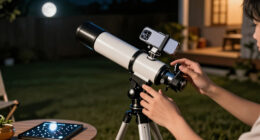
artificial night sky lighting devices
As an affiliate, we earn on qualifying purchases.
As an affiliate, we earn on qualifying purchases.
Uncertainties Surrounding Environmental and Technical Risks
It is not yet clear what the full environmental impact of the space mirror will be, particularly regarding effects on nocturnal ecosystems and astronomical observations. The long-term safety and effectiveness of deploying such mirrors in orbit remain uncertain, and further testing will be necessary to evaluate these risks comprehensively.
environmental impact of space mirrors
As an affiliate, we earn on qualifying purchases.
As an affiliate, we earn on qualifying purchases.
Next Steps for Testing and Regulatory Oversight
The project developers plan to conduct the initial test in the coming months, with detailed environmental assessments and monitoring. The FCC has indicated that further reviews and potential approvals will be required before any large-scale deployment. Stakeholders expect ongoing discussions about safety, environmental impact, and regulatory frameworks as the project progresses.
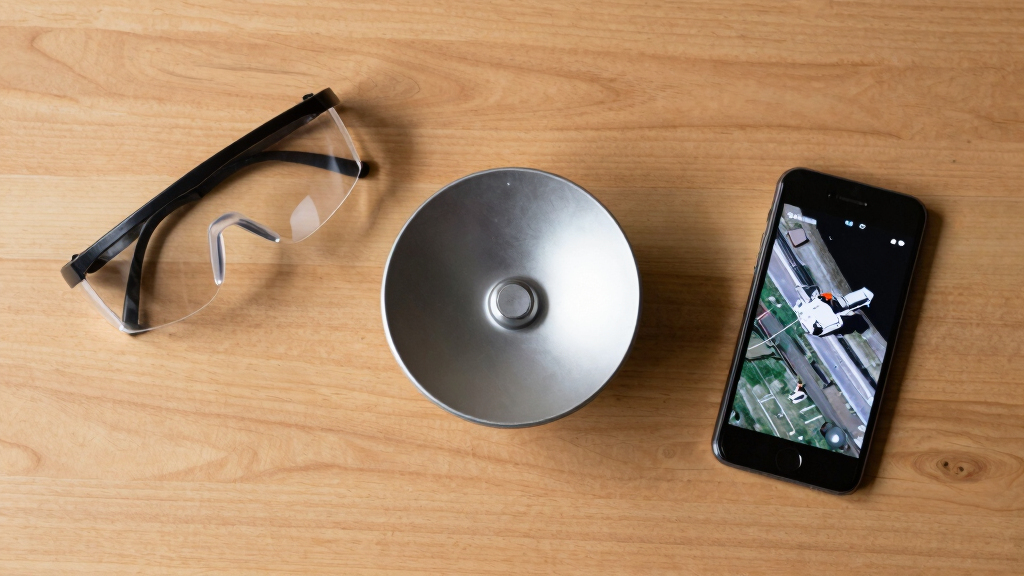
orbiting space mirror demonstration kit
As an affiliate, we earn on qualifying purchases.
As an affiliate, we earn on qualifying purchases.
Key Questions
What is the purpose of the space mirror test?
The test aims to evaluate whether a space-based mirror can effectively reflect sunlight to increase night sky illumination, potentially reducing ground-based lighting needs and energy consumption.
Are there environmental concerns associated with this project?
Yes, environmental groups have expressed concerns about possible impacts on ecosystems, astronomical observation, and space debris. Further assessment is needed to understand these risks.
When will the test be conducted?
The developers plan to carry out the initial test within the next 12 months, following FCC approval.
Could this technology be used on a large scale?
Large-scale deployment would require additional approvals and safety evaluations. The current focus is on initial testing and feasibility assessment.
How does this project relate to climate change efforts?
While primarily aimed at outdoor lighting, space mirrors have been proposed as potential tools for climate intervention. This project is focused on lighting, not climate modification.
Source: hn
Columbus Day / Indigenous Peoples' Day Picks
long weekend sales
As an affiliate, we earn on qualifying purchases.