
To master light pollution troubleshooting in a weekend, start by understanding the basics and assess your outdoor lighting sources using tools like sky quality meters. Identify fixtures that cause excess glare or sky glow, then implement controls such as shields, timers, or motion sensors. Engage your community and stakeholders with clear communication and support. Regularly monitor your progress and adjust strategies as needed. Keep exploring to discover detailed steps that will help you effectively reduce light pollution quickly.
Key Takeaways
- Conduct quick night sky brightness assessments with sky quality meters to identify major pollution sources.
- Identify and analyze common light fixtures, focusing on unshielded or misdirected lighting for rapid upgrades.
- Utilize smart lighting tools and controls like timers, dimmers, and motion sensors to optimize outdoor illumination.
- Engage community stakeholders through brief outreach to build support and promote responsible lighting practices.
- Regularly monitor and adjust strategies based on light levels, ecological impact, and community feedback for continuous improvement.

Telescope Camera 4K, 8MP Astrophotography Camera - 1.25" Telescope Electronic Eyepiece Camera with IR Filter, Plug & Play for Astronomy, Planetary Imaging, Compatible with Windows/Mac/Linux
✅【Plug & Play Multi-OS Support】 No drivers needed! Automatically recognized by Windows 10/11, macOS 12+, and Linux via...
As an affiliate, we earn on qualifying purchases.
Understanding the Basics of Light Pollution
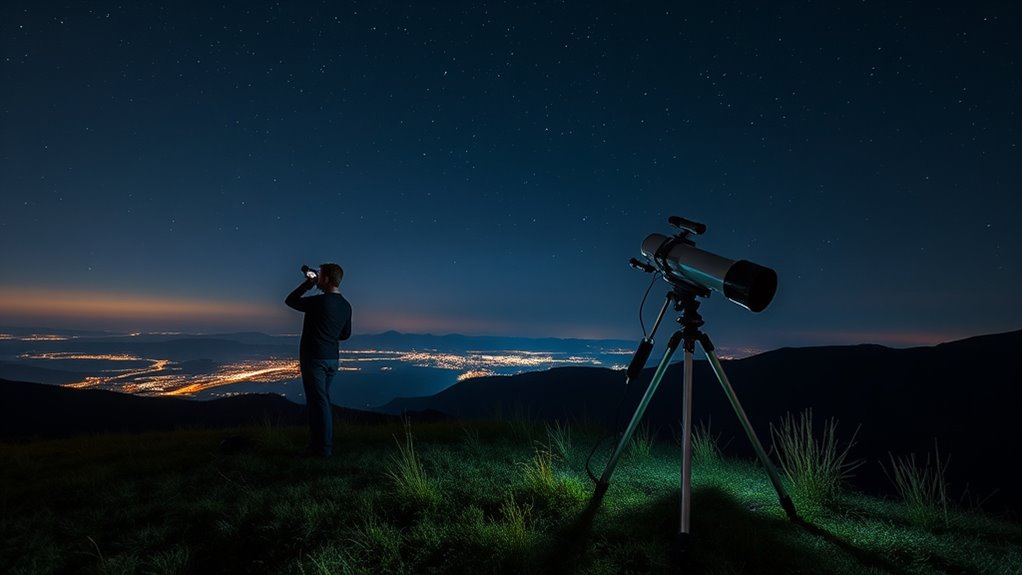
Have you ever wondered how excessive or misdirected artificial light affects the night sky? This is where light pollution comes in, disrupting the natural darkness. One of its main effects is sky glow, which causes the sky to appear brighter than it should be, obscuring stars and celestial objects. Light pollution occurs when outdoor lighting isn’t properly shielded or directed downward, allowing light to scatter into the atmosphere. This scattered light creates a haze that diminishes our view of the universe and wastes energy. Understanding how light pollution works helps you see its impact on both our environment and night sky visibility. Recognizing sky glow as a key indicator of excessive lighting is the first step toward reducing light pollution effectively. Additionally, using proper lighting techniques, such as shielded fixtures and reduced brightness, can significantly minimize light pollution.
SVBONY SV605CC Cooled Astrophotography Camera, Double Layer Semiconductor Refrigeration, 9MP IMX533 USB3.0 CMOS Color Telescope Camera, for Deep Sky Astrophotography Panoramic Astronomy&Lucky Imaging
SV605CC deep sky camera is suitable for deep space photography enthusiasts; suitable for deep space photography; panoramic astronomy;...
As an affiliate, we earn on qualifying purchases.
Identifying Common Sources of Excessive Lighting
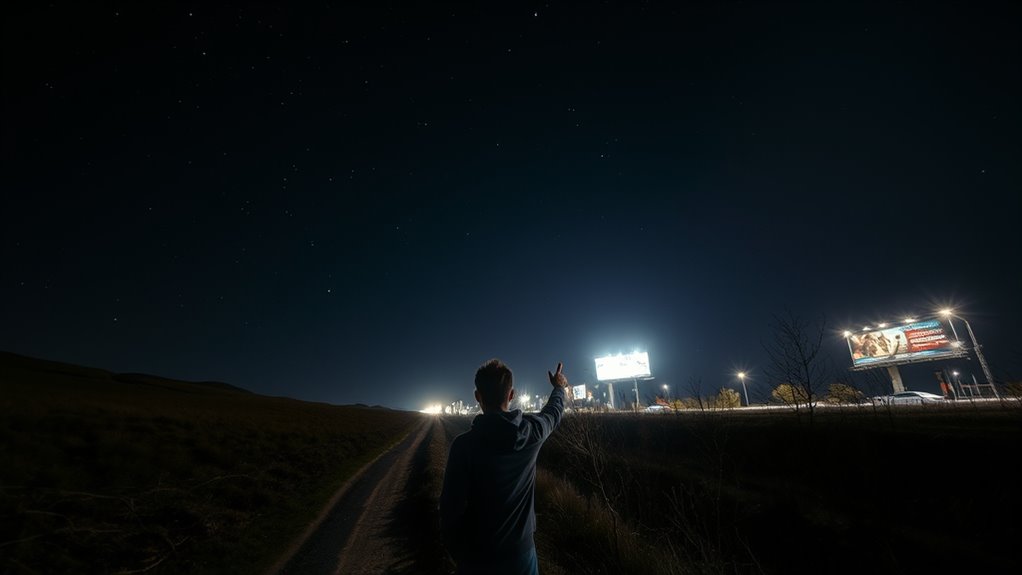
Many outdoor lighting sources contribute to light pollution, often because they are improperly installed or left on unnecessarily. This excessive lighting creates an urban glow that diminishes night sky visibility and causes fixture glare, impacting both residents and wildlife. To identify these sources, look for common culprits:
- Overly bright streetlights that cast unnecessary glare
- Unshielded security lights pointing skyward
- Commercial signage with excessive illumination
- Residential porch and garden lighting left on all night
- Floodlights used without proper direction or shielding
Recognizing these sources helps you target the biggest contributors to light pollution. By addressing fixtures that create fixture glare or contribute to the urban glow, you can develop effective strategies to reduce excessive lighting and restore darker skies. Additionally, understanding light pollution mitigation techniques can further enhance your efforts to protect the night environment.

SVBONY SV305C Astrophotography Camera, 2.1MP IMX662 Color Telescope Camera with Removable UV IR Cut Glass, 1.25" Electronic Telescope Eyepiece for Planetary Moon Astrophotography&EAA
SV305C is a color entry-Level telescope camera; which has good performance in planetary photography; lunar photography; and is...
As an affiliate, we earn on qualifying purchases.
Conducting a Night Sky Brightness Assessment
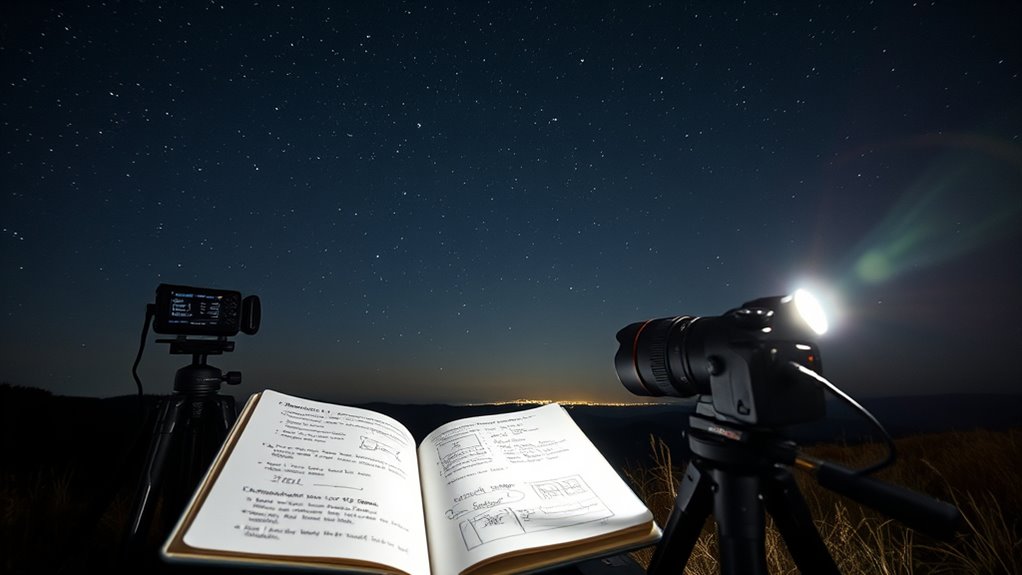
You can start evaluating night sky brightness by measuring light levels at different locations around your area. Using sky quality meters makes this process simple and provides accurate readings. These measurements help you identify where light pollution is most severe and track your progress over time. Monitoring light pollution levels is crucial for developing effective mitigation strategies.
Measuring Light Levels
To accurately assess light pollution, it’s essential to measure night sky brightness using standardized tools and methods. This helps identify sources of light trespass and skyglow that hinder dark sky conditions. By quantifying light levels, you can evaluate the effectiveness of skyglow mitigation efforts and pinpoint areas needing attention. Use consistent measurement techniques at different times to track changes and trends. Consider factors like nearby streetlights, building illumination, and outdoor advertising. Document your readings carefully to compare over time and adjust your strategies accordingly. Proper measurement guarantees you target the most impactful sources of light pollution, improving your overall sky quality. Regularly monitoring your readings can also help detect lighting issues early before they become problematic. Remember, precise data guides effective interventions and helps you troubleshoot issues swiftly.
Using Sky Quality Meters
Sky Quality Meters (SQMs) provide a straightforward way to measure night sky brightness accurately. They help you assess light pollution levels for effective troubleshooting. When conducting a brightness assessment, consider spectral analysis to identify the types of light sources affecting your skies, which can impact astronomical observations. Use your SQM at different locations and times to gather reliable data. Here’s an example of a simple survey layout:
| Location | Time of Measurement | Sky Brightness (mag/arcsec²) |
|---|---|---|
| Backyard | 10:00 PM | 20.1 |
| Park | 11:30 PM | 19.4 |
| Rooftop | 12:30 AM | 18.8 |
Recording consistent data helps pinpoint sources of light pollution, guiding targeted mitigation efforts. Understanding light pollution can further improve your troubleshooting strategies.

SVBONY SV105 Telescope Camera, 1.25" USB2.0 IMX307 CMOS Color Astrophotography Camera, Electronic Telescope Eyepiece for Telescope, Suitable for Astrophotography Beginners
SV105 telescope camera is the basic method for starting astronomical imaging; you can use the SV105 electronic telescope...
As an affiliate, we earn on qualifying purchases.
Utilizing Tools and Technology for Troubleshooting
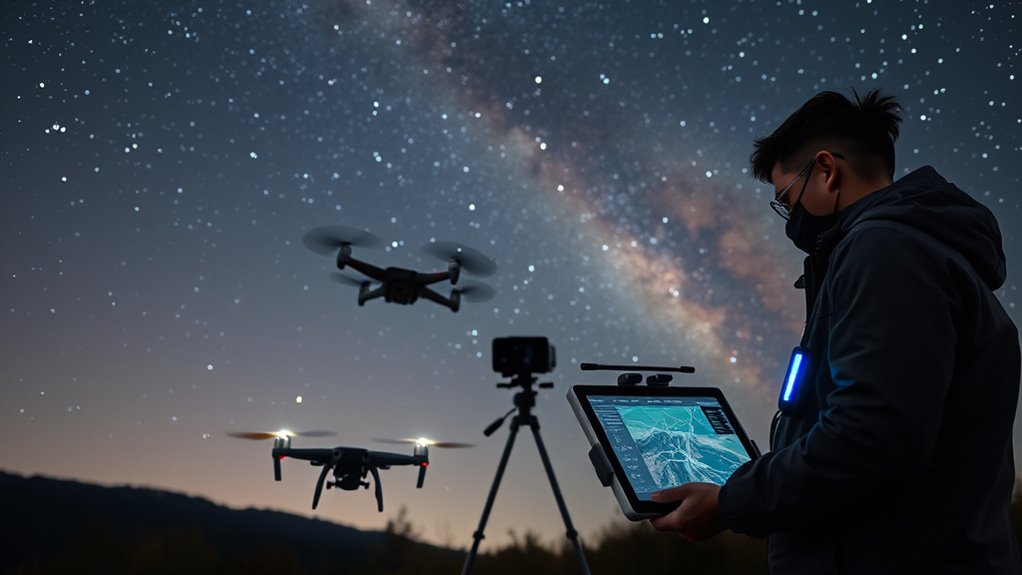
Harnessing the right tools and technology is essential for effectively troubleshooting light pollution issues. Modern solutions like smart lighting systems allow you to adjust brightness and timing remotely, reducing unnecessary light spillage. Data analytics help identify patterns and pinpoint sources of excessive light, making troubleshooting more efficient. You can also utilize software that maps light pollution levels across your area, providing visual insights for targeted interventions. Additionally, sensor-based devices monitor light intensity in real-time, alerting you to problematic fixtures instantly. Investing in these tools streamlines your troubleshooting process, saves time, and guarantees more accurate results. By integrating smart lighting, data analytics, and sensor technology, you maximize your ability to control and mitigate light pollution effectively. Moreover, understanding AI security techniques can help safeguard your data and ensure your troubleshooting systems remain protected from cyber threats.
Analyzing Light Fixtures and Their Impact
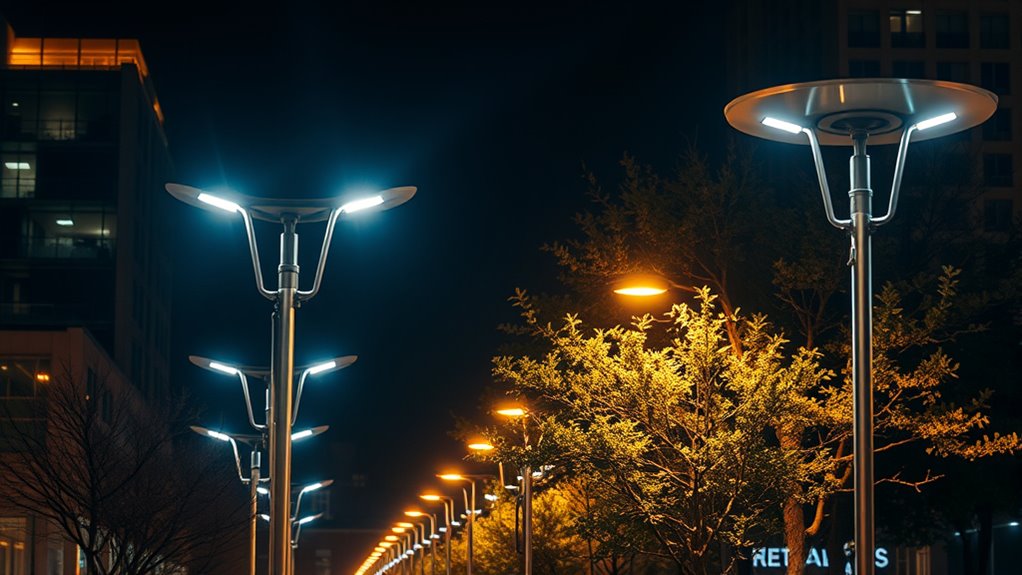
Evaluating your light fixtures is a key step in reducing light pollution. Start with fixture analysis to understand how each light contributes to unwanted skyglow or glare. Look at the type of fixture, its brightness, and the direction it points. An impact assessment helps you determine which fixtures cause the most light spill or overspill into unwanted areas. Check if your lights are shielded or if they direct light downward, minimizing pollution. Remove or retrofit fixtures that cast light unnecessarily upward or sideways. By understanding each fixture’s role, you can prioritize upgrades and ensure your lighting is efficient and environmentally responsible. This focused approach helps you identify the most significant sources of light pollution and set the stage for effective mitigation steps.
Developing a Prioritized Action Plan
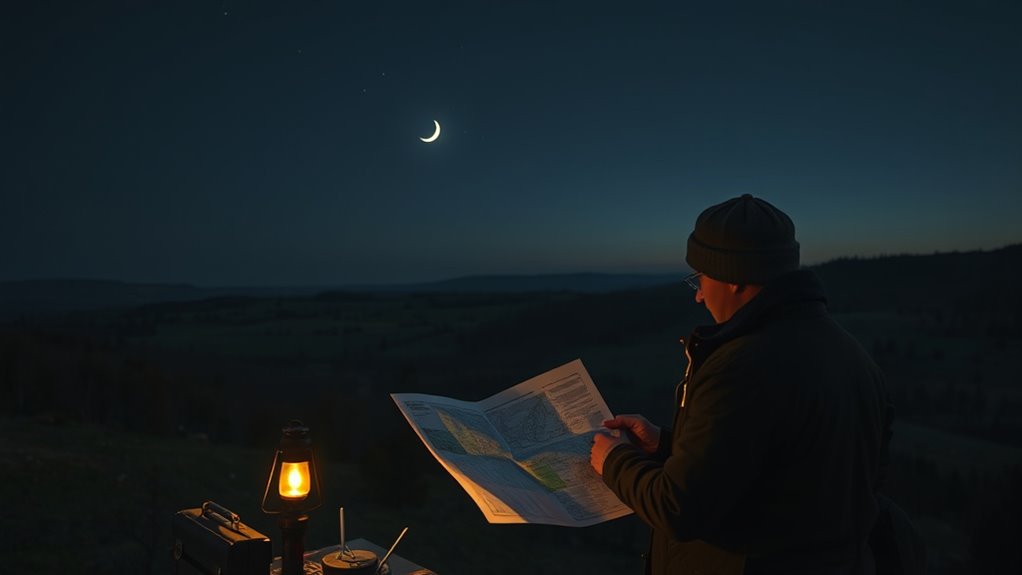
Creating a prioritized action plan is essential to effectively reduce light pollution, as it helps you focus on the most impactful changes first. Start by evaluating luminary patterns to identify areas with excessive or misdirected lighting. Consider the environmental impact of each site, prioritizing locations where lighting affects wildlife or dark-sky zones. Establish clear goals based on real data, targeting fixtures that contribute most to skyglow. Focus on areas with high human activity or sensitive ecosystems. Break down tasks into manageable steps, such as upgrading fixtures, installing shields, or adjusting timers. Regularly review progress to stay aligned with your objectives. This strategic approach ensures your efforts deliver maximum results quickly and sustainably. Incorporating high-quality content into educational campaigns can further amplify the effectiveness of your light pollution reduction strategies.
Implementing Effective Lighting Controls and Modifications
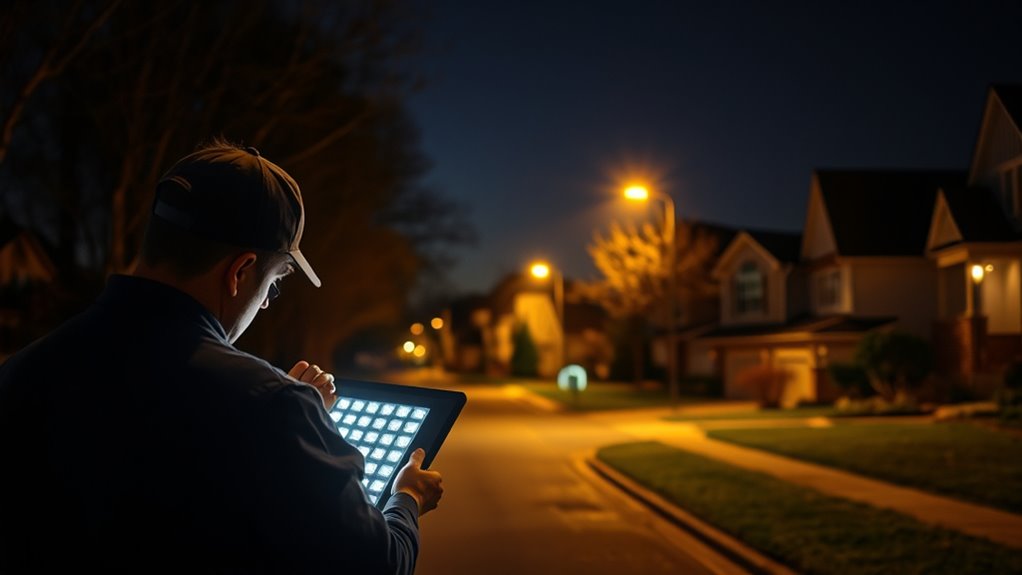
Once you’ve identified key areas to target, the next step is to implement effective lighting controls and modifications that directly reduce unnecessary light spill. Start by installing adaptive controls, such as timers, dimmers, or motion sensors, which adjust lighting based on actual need. These controls minimize excess illumination during off-peak hours or when areas are unoccupied. Additionally, consider fixture modifications—replace or retrofit existing lights with full cutoff or shielded fixtures that direct light downward, preventing glare and skyglow. Making these adjustments ensures your lighting is purpose-driven and minimizes pollution. Regularly maintaining and calibrating controls and fixtures enhances their effectiveness, helping you achieve substantial light pollution reductions efficiently. Incorporating regional resources can also provide guidance on best practices for your area. With these strategies, you take a tangible step toward a darker, healthier night environment.
Engaging With Community and Stakeholders
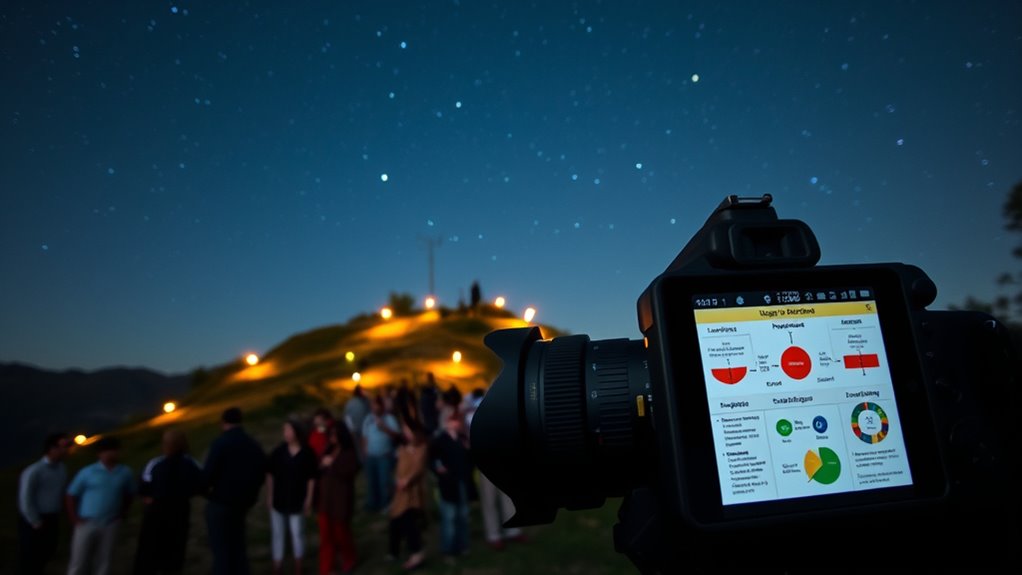
Engaging with your community and stakeholders is key to reducing light pollution effectively. By building strong relationships, you can highlight the benefits of dark skies and gather support for your initiatives. Clear communication and collaboration make it easier to implement lasting change. Recognizing the importance of well-being can also motivate community members to participate in creating healthier, more harmonious environments.
Community Collaboration Benefits
Community collaboration plays a crucial role in effectively reducing light pollution because involving local residents and stakeholders fosters shared responsibility and support. When the community works together, it becomes easier to implement solutions that protect urban wildlife and enhance energy efficiency. Engaging neighbors helps identify specific problem areas and tailor strategies to the community’s needs. Additionally, widespread support can lead to stronger enforcement of lighting ordinances and increased funding for dark-sky initiatives. Your efforts can inspire others to adopt responsible lighting habits, creating a ripple effect. By building partnerships, you also foster a sense of ownership and accountability, ensuring long-term success. Incorporating energy-efficient lighting practices can further amplify these efforts by lowering overall power consumption and reducing light pollution.
Local Stakeholder Engagement Strategies
Effective local stakeholder engagement is essential for implementing successful light pollution reduction strategies. By fostering stakeholder collaboration, you build trust and shared responsibility, making initiatives more sustainable. Community outreach helps you connect with residents, businesses, and local authorities, ensuring everyone understands the benefits of reducing light pollution. To maximize impact, consider this approach:
| Stakeholder Type | Engagement Method | Key Benefit |
|---|---|---|
| Residents | Public meetings | Increased awareness |
| Business Owners | Partnership programs | Reduced unnecessary lighting |
| Local Authorities | Policy advocacy | Enforced lighting standards |
| Community Groups | Collaborative events | Strengthened support |
This table highlights the importance of tailored outreach and collaboration, which are crucial for effective light pollution management.
Building Public Support
Building public support is a vital step in ensuring the success of light pollution reduction efforts. Engaging the community boosts public awareness and strengthens policy advocacy. To effectively build support, you should:
- Host informational events to educate residents about light pollution impacts
- Collaborate with local organizations to amplify your message
- Use social media to share success stories and raise awareness
- Involve community leaders to champion policy changes
- Provide clear, actionable steps for individuals to reduce light pollution
Monitoring Progress and Adjusting Strategies
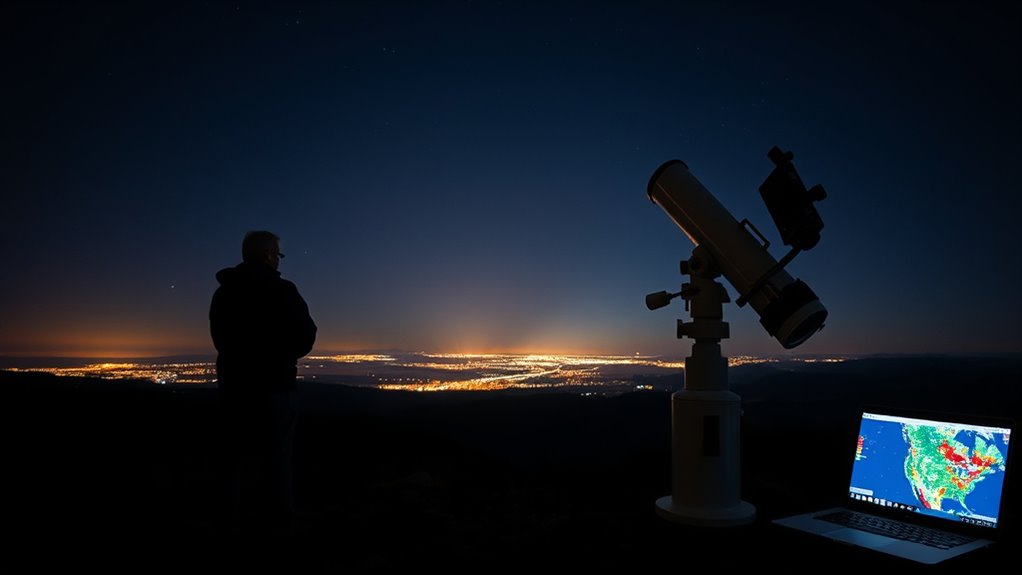
To guarantee your light pollution mitigation efforts stay on track, regularly monitoring progress is essential. You need to evaluate how well your strategies align with urban planning goals and wildlife conservation priorities. Keep track of changes with visual tools like night sky measurements, community feedback, and photographic surveys. Use the table below to visualize your progress:
| Indicator | Current Status | Adjustments Needed |
|---|---|---|
| Light spillage levels | Moderate, improving | Install shields, reduce brightness |
| Wildlife activity | Increasing in affected areas | Adjust lighting schedules |
| Community awareness | Growing | Enhance educational outreach |
| Urban lighting design | Gradually adapting | Integrate wildlife-friendly fixtures |
Regular assessments help you refine your approach, ensuring your efforts remain effective and sustainable.
Maintaining Long-Term Light Pollution Reduction Efforts
Maintaining long-term light pollution reduction efforts requires ongoing commitment and consistent practices. To guarantee night sky preservation and effective wildlife impact mitigation, you must regularly evaluate your lighting systems and community habits. Staying updated on new technologies and regulations helps you adapt strategies proactively. Educate neighbors and stakeholders to keep the momentum alive and foster a collective sense of responsibility. Consistent enforcement of lighting ordinances is vital for lasting impact. Additionally, tracking the effects of your efforts allows you to identify areas needing improvement and celebrate successes.
- Regularly review and update outdoor lighting policies
- Promote community awareness and participation
- Use adaptive lighting controls for efficiency
- Monitor wildlife and ecological responses
- Advocate for stricter regulations when necessary
Frequently Asked Questions
How Do Seasonal Changes Affect Light Pollution Troubleshooting Effectiveness?
Seasonal variations and temperature fluctuations substantially impact light pollution troubleshooting. During colder months, you might notice more light scatter due to moisture or fog, reducing effectiveness. In warmer seasons, increased vegetation can absorb or block light, altering your approach. By adjusting your strategies for these seasonal changes, you can improve troubleshooting accuracy and guarantee your efforts remain effective year-round, regardless of weather or temperature shifts.
What Legal Regulations Impact Light Pollution Mitigation Efforts Locally?
You need to be aware of local lighting ordinances that set rules for outdoor lighting to prevent excessive light pollution. Ensuring regulatory compliance means understanding restrictions on light intensity, color, and timing, which vary by area. Check with local authorities or zoning boards to confirm specific regulations. Implementing compliant lighting practices helps you avoid fines and contributes to effective light pollution mitigation efforts.
How Can I Estimate Cost Savings From Reducing Light Pollution?
You can estimate cost savings from reducing light pollution by conducting energy audits on your lighting systems and performing a detailed cost analysis. Start by measuring energy consumption before and after implementing mitigation strategies. This helps you identify how much energy you save, translating into lower utility bills. Keep track of maintenance and replacement costs too, so you can see the full financial impact of your efforts over time.
What Are Common Pitfalls When Implementing Lighting Modifications?
Like a knight facing a dragon, you might overlook common pitfalls when implementing lighting modifications. Be careful with fixture positioning to avoid unintended glare and light spillage. Poor placement can negate benefits like glare reduction, leading to increased light pollution rather than decreased. Always test your setup before full installation, and verify fixtures are aimed correctly. Overlooking these details can mean the difference between success and costly rework.
How Does Urban Development Influence Long-Term Light Pollution Strategies?
Urban development, especially urban sprawl, profoundly impacts your long-term light pollution strategies. As cities expand, you need to adapt your plans to manage increased lighting sources and prevent skyglow. Engaging the community becomes essential, as their understanding and support help implement effective measures. By collaborating with residents and stakeholders, you can develop sustainable solutions that balance development needs with preserving dark skies for future generations.
Conclusion
Now that you have the tools and knowledge to tackle light pollution, the real challenge begins. Will your efforts reveal a truly darker, clearer night sky? Every step you take brings you closer to uncovering hidden secrets in the darkness. Stay vigilant, adapt your strategies, and don’t underestimate the power of your actions. The night’s mysteries await—are you ready to make a lasting impact and see what’s lurking beyond the glare?