TL;DR

Prime made for students and young adults
- Fast, free delivery for dorm and study essentials
- Prime Video and Amazon Music included
- Member-only deals
Asteroid 1997 NC1 will pass within 2.56 million km of Earth on June 27, its closest approach in 400 years. It will be visible through telescopes and livestreams, not to the naked eye.
The European Space Agency (ESA) has confirmed that asteroid 1997 NC1 will make its closest approach to Earth on Saturday, June 27, at a distance of 2.56 million kilometers. This event marks the nearest approach in 400 years and offers a rare chance for observers worldwide to view the asteroid through telescopes or livestreams, despite it being invisible to the naked eye.
Asteroid 1997 NC1, estimated to be between 700 meters and 1.6 kilometers in diameter, will pass Earth at its closest point on June 27 at 11:14 UTC. The asteroid’s proximity is significant because it is the closest approach since 1623, and it will not come this close again until 2133, according to ESA data. During its closest approach, the asteroid will be visible from various regions depending on local night conditions, with the best viewing times occurring on the night of June 26 to 27 in Europe and North America.
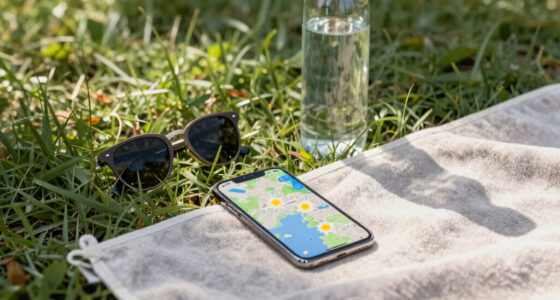
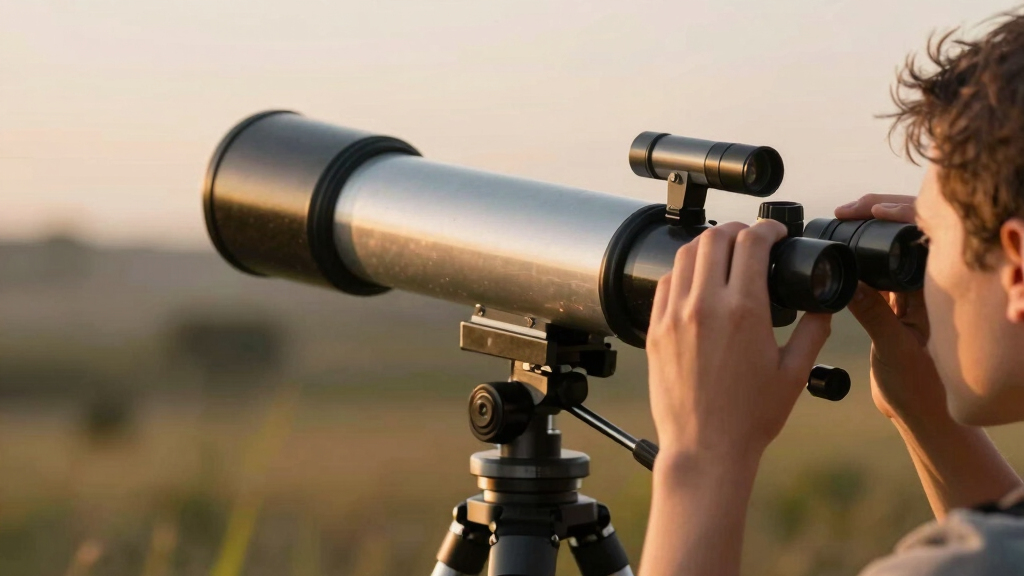
Although the asteroid is larger than a skyscraper, it will not be visible to the naked eye, reaching a brightness comparable to that of Neptune, with a magnitude near 10. The object will appear as a small, slowly moving point of light through telescopes or binoculars, moving approximately 40 arc seconds per minute. To observe it, viewers will need equipment such as a telescope with at least 100mm aperture or high-powered binoculars mounted on a tripod. Astronomy apps can assist in locating its position in the night sky, which will be near the constellations Ophiuchus and Serpens Cauda, south of Vega.
For those unable to observe directly due to weather or equipment limitations, livestreams hosted by the Virtual Telescope Project will track the asteroid on June 26 and 27, providing an alternative viewing experience.
Why This Asteroid Passage Matters for Observers
This event offers a rare opportunity for astronomers and enthusiasts to observe a near-Earth asteroid of considerable size passing at a relatively close distance, something that happens only once every few centuries. While there is no risk of impact, such close approaches help scientists study asteroid characteristics and improve tracking techniques for planetary defense. For the public, it provides a chance to engage with astronomy and witness a significant celestial event firsthand, especially with available livestreams for those unable to observe directly.
100mm aperture telescope for astronomy
As an affiliate, we earn on qualifying purchases.
As an affiliate, we earn on qualifying purchases.
Historical and Scientific Context of Asteroid 1997 NC1
Asteroid 1997 NC1 was discovered in 1997 and has been tracked by space agencies ever since. Its current approach is notable because it is the closest it has come to Earth in four centuries, with the last similar event occurring in 1623. The asteroid’s size and trajectory have been well documented, and ESA officials emphasize that it poses no threat to Earth. Such close approaches are valuable for scientific research, helping refine models of asteroid orbits and physical properties, and are part of ongoing planetary defense efforts.
“This weekend’s approach of asteroid 1997 NC1 is a significant event for observers worldwide. It provides a rare chance to view a large near-Earth object at its closest in centuries.”
— ESA spokesperson
high powered binoculars for stargazing
As an affiliate, we earn on qualifying purchases.
As an affiliate, we earn on qualifying purchases.
Remaining Questions About the Asteroid’s Visibility
While the timing and distance of the asteroid’s closest approach are confirmed, the exact visibility conditions will vary based on local weather, light pollution, and equipment quality. The brightness forecast is approximate, and some observers may find it challenging to see the asteroid even with proper equipment. Additionally, the precise movement and appearance through different telescopes may differ slightly from predictions due to atmospheric conditions.
As an affiliate, we earn on qualifying purchases.
Upcoming Opportunities to Observe and Study the Asteroid
Following its closest approach, the asteroid will remain visible for several days, gradually fading and shifting position in the sky. Astronomy groups and observatories will continue tracking it, providing updates and images. The livestreams hosted by the Virtual Telescope Project will also continue on June 26 and 27, allowing global audiences to follow the event in real time. Scientists will analyze data collected during this approach to improve understanding of asteroid behaviors and refine future tracking models.
As an affiliate, we earn on qualifying purchases.
Key Questions
Can I see asteroid 1997 NC1 with my naked eye?
No, the asteroid will not be visible to the naked eye. It will appear as a faint point of light through telescopes or binoculars with sufficient magnification.
What is the best time to observe the asteroid?
The closest approach occurs at 11:14 UTC on June 27. The best viewing conditions depend on your location, with Europe and North America seeing it during the night of June 26 to 27.
Where can I watch a livestream of the event?
The Virtual Telescope Project will host livestreams on June 26 and 27, providing real-time tracking and images of the asteroid for viewers worldwide.
Will the asteroid pose any danger to Earth?
No, ESA officials confirm that asteroid 1997 NC1 will not impact Earth during this approach or at any other time in the foreseeable future.
What equipment do I need to see the asteroid?
To observe the asteroid directly, a telescope with at least 100mm aperture or high-powered binoculars (15×70 or 20×80) mounted on a tripod are recommended. Astronomy apps can help locate it in the sky.
Source: WIRED
Fall Picks
fall essentials
As an affiliate, we earn on qualifying purchases.